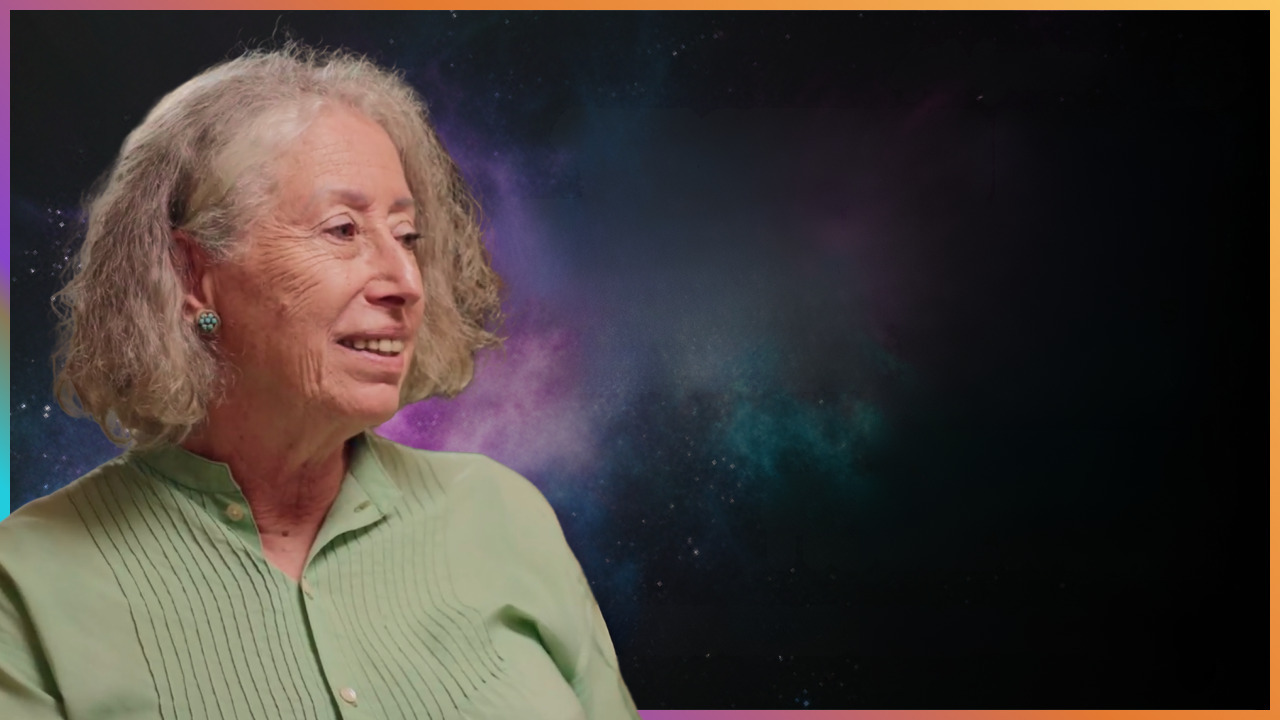
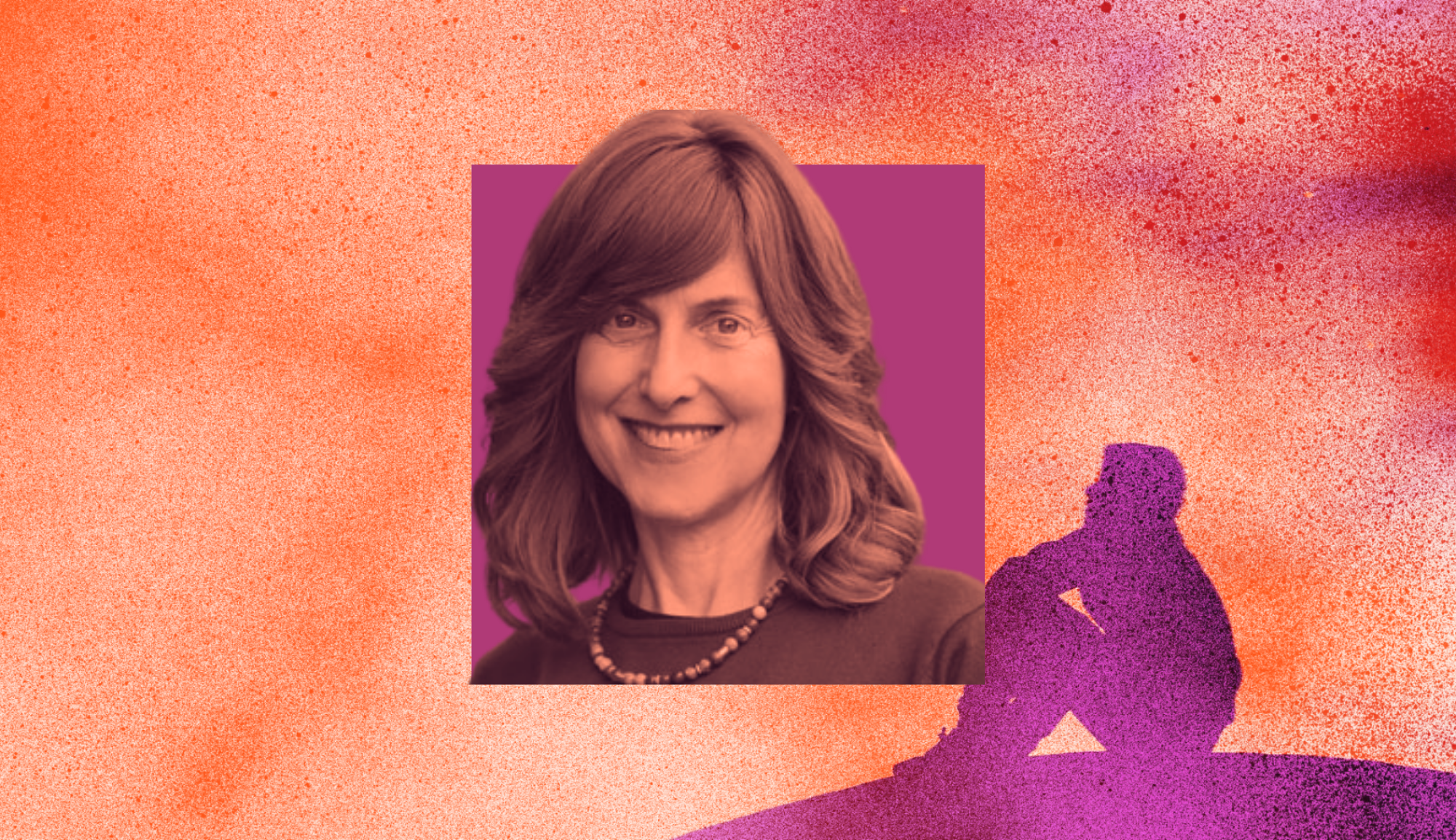
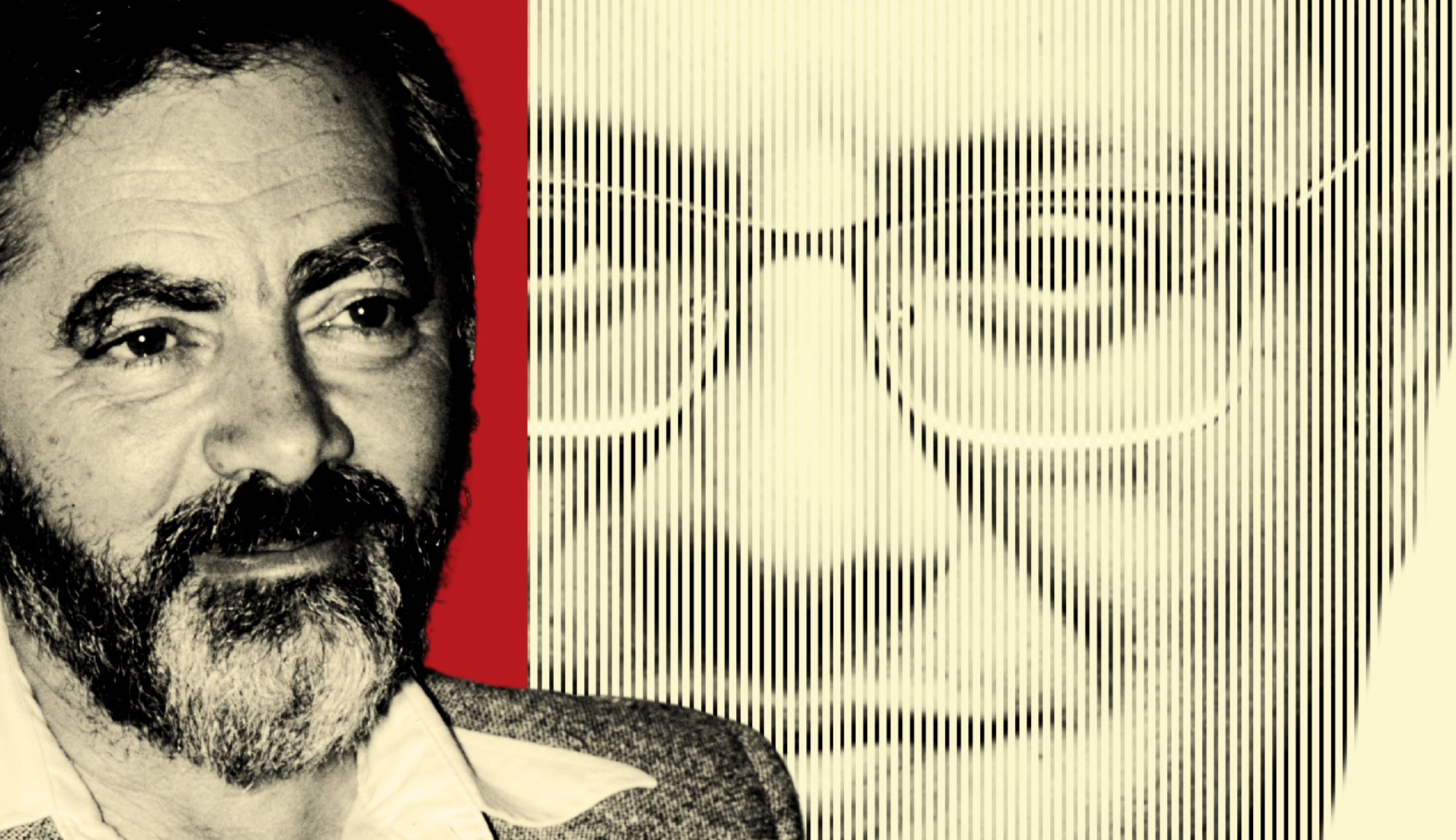
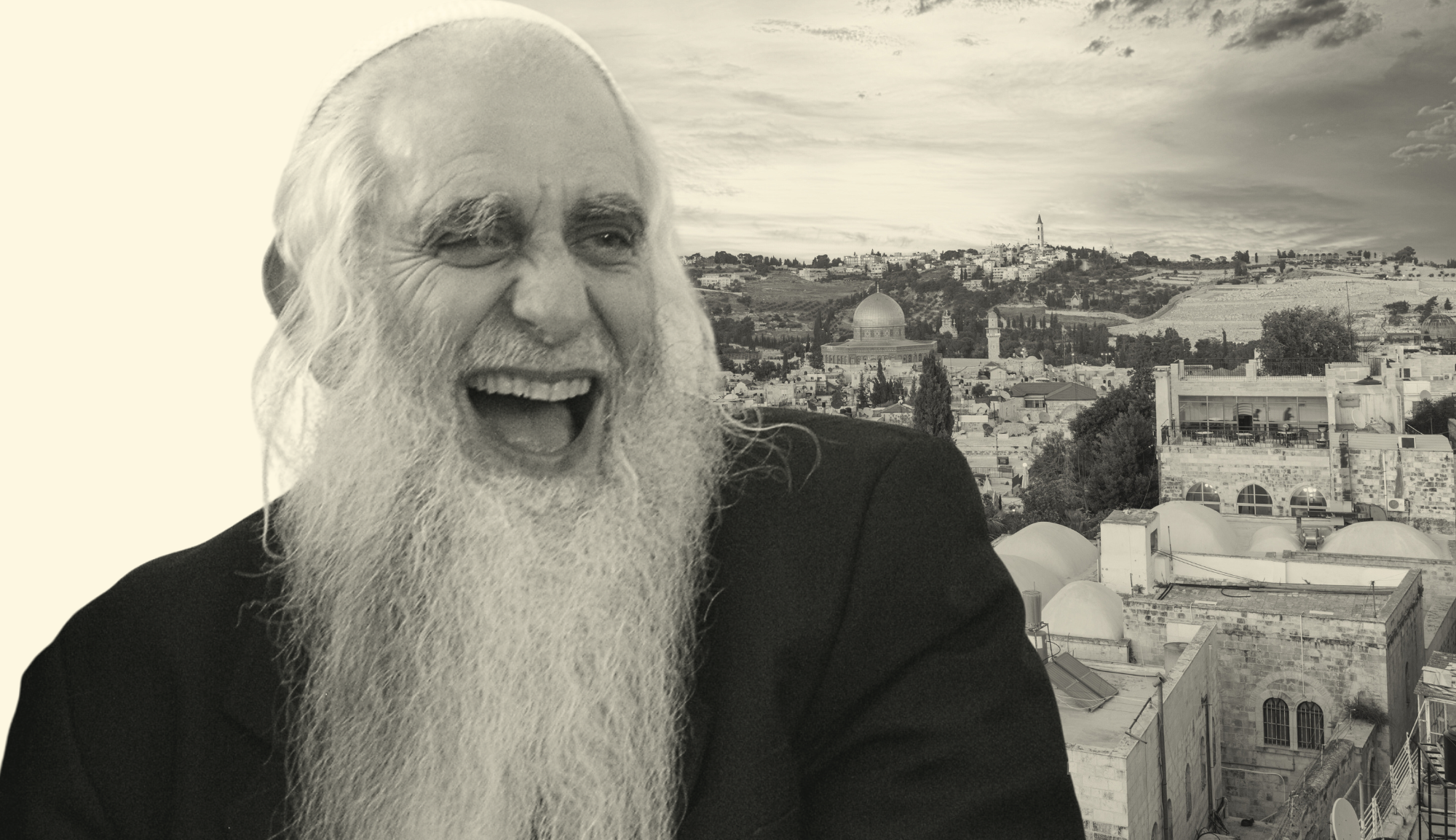
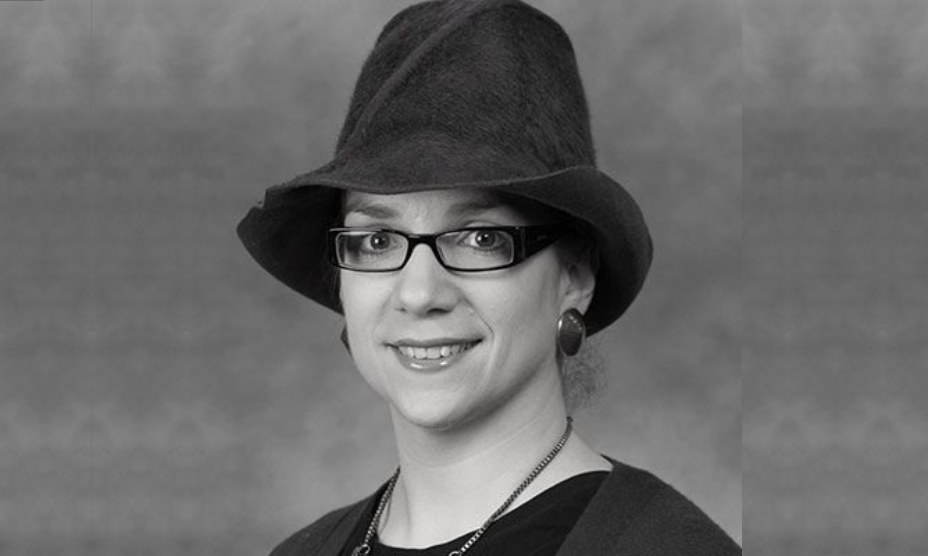
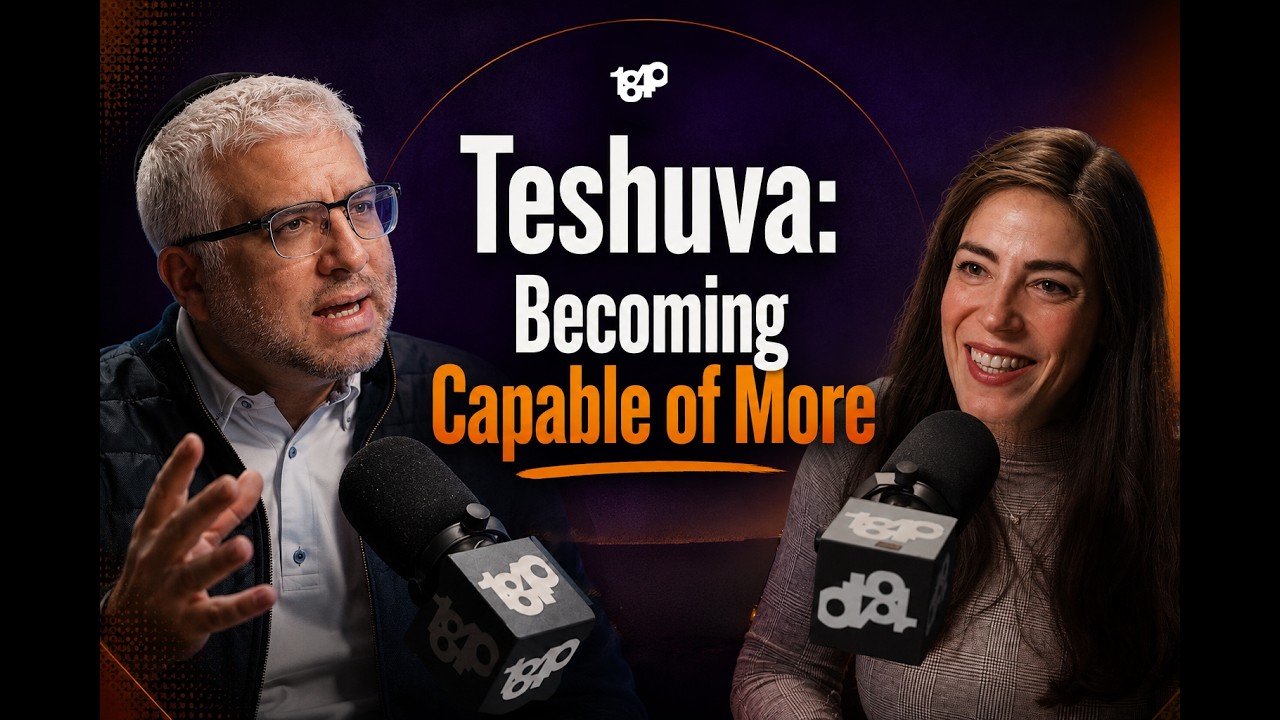
RABBI DR BENJI LEVY. Professor Rachel Elior, professor of Jewish thought and mysticism at Hebrew University. Thank you so much for joining me here today in Jerusalem.
PROFESSOR RACHEL ELIOR. Thank you very much for having me.
LEVY. So you’ve written an entire book and dedicated much of your life to Jewish mysticism. But what is Jewish mysticism?
ELIOR. Well, Jewish mysticism is the history of creative imagination of the Jewish people within religious context in a society and time where very few roads of freedom were available for Jews, and the freedom of thought and the freedom of reading and writing was one remarkable asset that Jews always enjoyed. Jewish mysticism is the history of imagination, of creativity, of dreams, of everything that is within one’s soul or within one’s mind and which bear meaning on broader issues.
LEVY. So what made you so interested and excited about this? How did you start?
ELIOR. Well, I’m interested in everything that the Jewish people wrote. In general, I’m interested in what people were thinking, what people were writing, what people were considering as worthwhile ways to invest their time. And I find Jewish literature in general and Jewish mysticism books in particular of great interest.
LEVY. In an ideal world, would all Jews be mystics?
ELIOR. I’m sorry?
LEVY. In an ideal world, would all Jews be mystics? Would they all study this material?
ELIOR. No. That’s exactly equal to the question, in an ideal world, would all people be poets. The answer is no, because in order to be a poet, you have to be born one. In order to be a mystic, you have to be born one, in a sense, because it’s a matter of inspiration, it’s a matter of freedom of thought, it’s a matter of freedom of criticism, and it’s a matter of an urge to convey something that is not obvious, which transcends usual borders, which exceeds expectations, normative expectations. So it’s about freedom of creativity, freedom of interpretation, freedom of making bridges between the hidden world and the revealed world.
LEVY. I find the metaphor that you use very interesting because I agree, the greatest poets in the world, they’re born that way, and then they have to work very hard to be able to get to that and fulfill their potential. But you can teach poetry to a child, you teach them the techniques, you allow them to read a lot. You don’t believe it’s the same?
ELIOR. I believe that you cannot teach someone to be a mystic. You’re born one exactly as you’re born with the special awareness of poetry or of poetic vision of the world, or of curiosity to reveal the connections between the hidden world and the revealed world. The first assumption for the existence of mysticism is that there is a world beyond the world that we experience. The world that we experience with our senses is, we may call it reality or in Hebrew, gashmiyut, or the physical world or the central world, the world that we can perceive in our senses. A world that is common to most of us because if we would say that here is Jerusalem, we would agree. But a mystic would say, Jerusalem of downstairs is only a reflection of the heavenly Jerusalem upstairs.
Now, I presume that you and me don’t see heavenly Jerusalem upstairs. But there were many people who had envisioned that, who had seen it, who had written wonderful things about it. We have more beautiful poetic pages on Jerusalem from the days of Sefer Tuvia and Shirot Olat HaShabbat in the middle of the first millennium before the common era, beyond the biblical literature. So, there were always people who visualized in their soul, in the depths of language, in their dreams, things that are beyond the usual perception. In order to be a mystic, you have to be endowed with the capacity to decipher the hidden beyond the revealed.
LEVY. So the source of all of that, ultimately, and the source of everything is God. When I say the word God, or that Infinite Being, the Ein Sof, what do you picture? What is God?
ELIOR. Well, it depends whom you ask. You can say that God is the creator of everything as the Book of Creation, one of the most important mystical texts, would suggest that when God Almighty had desired to create the world, he had fashioned thirty-two passes of wisdom, which are the combination of twenty-two fundamental letters and ten infinite numbers. Altogether thirty-two. And in these thirty-two passes of wisdom, he created a world “besefer, sofar, vesipur,” in a book, in a number, and in a story.
Now, this is a beautiful way to retell the story of creation. And in a way, I won’t say it’s better than the Book of Genesis, but it’s certainly a very original perception, which suggests that we human beings are participating in creation, which we were not in the story of Genesis. In Genesis, God Almighty is speaking, thinking, conceiving, creating, fashioning everything that had been created in the first week of creation. In the Book of Creation, Sefer Yetzira, we are told that the world was created in “sefer, sfar ve’sipur,” in a book, in a number, and in a story, in a way that is connected to twenty-two letters, fundamental letters, and ten infinite numbers.
Now, those things we share. God Almighty had given us the blessing of language, the blessing of letters, the blessing of numbers. Nobody, as a matter of fact, nobody knows to explain how language had started because to start a book with a sentence that says, “Bereshit bara Elohim et hashamayim ve’et haaretz veha’aretz hayta tohu vavohu vechoshech al pnei tehom.” In the beginning, God created heaven and earth and so on. This is not a beginning of a culture, it’s an apex of a culture. We don’t know what had been before.
So, the one thing we can say that we share in this story of creation is the story and the letters and the numbers, because we don’t know to create heaven and earth, sun and moon, and so on. But we can create in words, we can decipher in words, we can assess in numbers, we can tell stories. That is shared by the divine and the human and the angels. As a matter of fact, only those three categories are sharing the capacity to speak, to read, to write, to create with letters and numbers, to transform the invisible to visible through letters and numbers, and to decipher the invisible through letters and numbers.
LEVY. So where does God fit in with this? And therefore, what is God?
ELIOR. Well, God is the infinite language. God is the infinite creative process. For instance, Yisrael Baal Shem Tov said, “bechol ot ve’ot olamot, neshamot, ve’Elokut.” In every letter and letter, in every single letter of the Holy Language, Lashon HaKodesh, “yesh olamot, neshamot, v’eElokut,” there are worlds, there are souls, and there is divinity. So the divinity for the founder of Hasidism is letters. In every letter of the Holy Language, and in every letter there are infinite worlds, infinite souls, and infinite divinity. So infinity is transported to us through letters and numbers, through story and book, through the endless capacity to understand the infinite divine language, which was given partially to human beings.
Mystics are those that continue to decipher the invisible part of the language, the unheard part of the language. They are digging in the depths of their own soul, of their own dreams, of their own written text, or other people’s written text, in order to enhance the revealed meaning with hidden meanings.
So for instance, if you say a word like shoshana. Shoshana in Hebrew is a rose. But if you’re a mystic, like the author of the Zohar, you wouldn’t read it as shoshana, a rose, but you would read it shemishtana, which is something that is transforming.
LEVY. How do you see the word shemishtana in shoshana?
ELIOR. Well, there are enough letters like shin and nun in which he can hear the word mishtana in the word shoshana as connected to each other. But you could do it with any other word. For instance, let’s take a Hasidic example. The Maggid of Mezritch says, “aseh lecha chatzotzrot kesef [make for yourself silver trumpets].” Of course that’s a verse. On the verse “aseh lecha chatzotzrot kesef,” you should make yourself silver horns, he said, chatzotzra is not a horn, it is chatzi tzura, like half a form. Kesef is not silver, it is kisufim, like yearning, like hopes, like deep, deep yearning and things like that. So every word in Hebrew, which is a language of roots, could be read and deciphered in endless ways. This is the foundation of Jewish mysticism. It’s the language, it’s the infinite nature of the Holy Language, which symbolizes and reflects the infinite nature of God.
LEVY. And how does prayer work?
ELIOR. Well, prayer is a bridge between a person who is on earth, and the angels who are above, and God Almighty, who is above the angels. The idea that there is a connection with words, with liturgy, with poetry, which is like part of the prayer, between the people down below who are praying, believing that their prayer is being heard on heavenly sanctuaries, on the upper heights, on the heavens, and they believe that there is a dialectical connection between people who pray down below and heavenly beings who are listening to the prayer up above.
LEVY. What is the purpose of Torah study?
ELIOR. Well, I can say Torah study and you’ll say Torah. The Torah is the common foundation of all the Jews. Let’s say, the Jews are a community of memory, they always were. The community of memory is a community that shares a common past, a painful present, and a common future. The present was always debatable and painful, but we always had a common past. Whatever is written in Torah is our shared memory. Whatever is written, whatever is told, this is our shared memory.
It doesn’t matter if we lived in Cochin in India, or at the end of China, or in Europe, or in Africa, or in America, or in Australia. All Jews know that there is a Holy Land on which the Bible is telling us that there are the founding fathers like Abraham, Isaac, and Jacob, that there are the twelve tribes, that there was the story of the slavery in Egypt. We all shared the same memory of the basic biblical story. Not necessarily every word, but the general framework, and the major heroes, and the major historical events were well-taught to every boy since the age of three until the rest of his life.
Every Jewish community had free education for all the boys for the first ten years of their life, from the age of three to the age of thirteen. They learned to read the Holy Language, Lashon HaKodesh, and they read chapter by chapter, not according to the order that we know today, sorry, but they started with Leviticus, with Sefer Vayikra, with concepts that are completely abstract, concepts that no child ever saw. Things like the Altar or things like sacrifices, or tumah ve’toharah, those are just—
LEVY. Purity and impurity.
ELIOR. Purity and impurity. And things like that, nesachim [libations], korbanot [sacrifices], they never saw anything like it. It was a story that was told to them or a history that was told to them, and history and story in many languages is the same word. And they heard it, and they read it, and they interiorized it. For them, it was part of their very early memory.
Now, all Jews, all male Jews, were taught the biblical story and it was part of their communal memory, regardless of the question of where they lived, what they had done. So we had a shared memory. Now, the present, we always argued about every possible question, but we had a common future. Our common future was, one day we will return to the biblical land. One day we will return to a place where once the Temple was, where once Jerusalem was. It was a shared hope. We call it shivat Tzion [return to Zion], kibbutz galuyot [ingathering of exiles], geula [redemption], and so on. But it was a future expectation as much as it was a past memory. I’ll say it one more time. The present was always conflictual, the present was always divided, but the common past and common future kept us together.
LEVY. Beautiful. And does Jewish mysticism view any difference between women and men, or are they the same?
ELIOR. Well, Jewish tradition altogether, ever since the story of Genesis where God says “ve’hu yimshol bach [and he will rule over you],” as a curse to Eve, as a punishment, meaning in English: and he will rule over thee. Man and woman were not considered alike, although in the second chapter in Genesis, it is told that man and woman were created together. There are two stories of creation. In one of them, men and women were created equally, in the other one man is superior and woman is inferior.
Mysticism does not relate to human beings in general. It relates to the heavenly world, it relates to the angels, it relates to sanctuaries, it relates to paradise, it relates to spiritual structures that could be visualized by mystics but are not perceived by people who are not mystics. So as I said, mysticism is dependent on the capacity to decipher the hidden beyond the revealed. Most people are not capable of doing it. But some people, poets or prophets or mystics, are able to see beyond what other people see.
So man and woman are, according to the halachic [Jewish] law, they are not equal, according to the biblical perception, and halachic perception, and the general norms, there was no equality between man and woman, and that’s a lot to regret. And fortunately, in the twentieth century, women were given the opportunity to learn as equals and to share in the Jewish heritage, and Jewish wisdom, and Jewish literature on equal grounds and not as inferior or as barred from it, which is a lot to regret. I wrote a whole book about it. It is called The Unknown History of Jewish Women, exactly about the question of why men and women were not equal according to Jewish tradition.
LEVY. Wow. So I guess ayin sham, we need to read more in the book. Is Judaism meant to be hard or easy?
ELIOR. Neither. Judaism was not meant to be hard or easy. Judaism was meant to be a way of life, which stems from the idea that there is a constant relation between God and his people. It’s called covenant, it’s called shvua, oath, it’s called history of the Jewish people. The Jewish way, taking into consideration the fact that there is always the unseen God, which is a heard God. There’s not a visual icon of God, but there is a lot of written tradition telling us what about God wants from us, what God expects from us.
And the Jews accepted on themselves, at least theoretically, to follow the instructions that were given in the Ten Commandments and then in the Chumash [Five Books of Moses], not necessarily successfully so, but they tried as best as they could under difficult circumstances to live as much as they could according to those guidelines. They were not intended to be hard or easy, they were intended to be as a blessing, as a promise, as an inspiration, as a legal guidelines, as moral guidelines, and as far as I’m concerned, I think that those are the best guidelines and the best moral inspiration that one can find in all ancient literature.
LEVY. So why did God create the world?
ELIOR. Well, we don’t ask God such questions. We may ask questions about every human decision, or every human choice, or every human action. We are not to ask why God does this and that because lo Machshevotai machshevoteichem [My thoughts are not your thoughts]. Human thought is not parallel to divine thought. We can only say the Book of Genesis is telling us that God chose to create the world and we were created by God according to the tradition of Genesis. We cannot ask why God wanted to do that.
LEVY. But doesn’t Jewish mysticism give reasons that the world was created, explain why?
ELIOR. Well yes, in various ways, but it’s not an answer to the question why God created the world. It’s an answer of the question, why the world is in such a tragic situation. Let me remind you that the Jewish People were living in exile, in a horrible exile, since the destruction of the Second Temple and since the destruction of First Temple. Now, galut Bayit rishon [the first exile] is when the Jews were expelled to Babylon.
LEVY. That’s when the First Temple was destroyed.
ELIOR. Yeah, when the First Temple was destroyed. And the Second Temple was destroyed in the year seventy and the Jews, not all of them, but part of them, the healthy, strong men, were expelled as slaves. They were punished after the Bar Kochba rebellion, they were punished by Adrian who sent them as slaves to his silver mines in Spain. And before, after the destruction of Second Temple, they were deported by Titus to Rome, to Ostia, next to Rome.
So Jews were living in exile as slaves. Exile is when somebody is causing you to deport or to depart. Choice is when you decide to go to live in Egypt, or in Africa, or in Europe. I’m not talking at all on people who departed by choice. I’m talking only about people who were deported as slaves, as punished [people], as people who had to fight for their life.
Now, the Jews were punished after the Bar Kochva rebellion and they had numerous ways to respond to the horrible situation. There was no more Jerusalem, there was no more Jewish sovereignty, there was no more Jewish state, there was no more Jewish army, none of that for the next 2,000 years. So Jews lived in exile.
What did they do about it? They were trying to make sense of the question of why all the world is in exile, not only us. So they created the idea that God wanted to create the world to create a beautiful, harmonic reality, but God failed because there was shevirat kelim [broken vessels], there was a destruction of the vessels that God had intended to create, so said the mystical tradition, because the forces of evil had won and caused the destruction of the first divine structure. It’s not yet in our world, it’s in the heavenly world. And because of the fact that the first structure didn’t hold and was destroyed, the divine sparks or the divine lights were scattered around the world with the broken vessels. And the Jews are in exile so they would help to raise the broken vessels and to raise the scattered lights, nitzotzot [sparks], the shreds of light that were falling with the breaking of the vessels. And so the question was not why God created the world, but why the world that God created is [such a] tragically exilic experience for the Jewish People.
LEVY. Can humans do something against God’s will? Do we have free choice?
ELIOR. Well, whether we do or don’t, it’s a question, and it depends on every historical period. In general, we’re supposed to obey the commandments, but in practice, there are always people who disobey, who disregard, who have other preferences. And there always have been because if there is enumeration or counting of all the sins, it means that there were people who were sinning and not only people who were following the divine guidelines.
So free choice could be used for good and for bad. You can choose the wrong ways and you can choose the good ways. You can choose to follow the good ways from various points of departure, not necessarily the biblical world. The biblical road is very beautiful on certain ways and is to be questioned on others, I mean, things that belong to particular historical circumstances.
For instance, the Bible allows slavery even though the story of our nation is running away from slavery to freedom. But in spite of the fact that God is the God of freedom and God released us from the bondage of slavery in Egypt, still the law in the Chumash, in the Pentateuch, acknowledged slavery and facilitated laws for slaves. And nowadays, although it is part of the biblical law, we don’t follow slavery laws, we don’t follow the laws of stoning your child or doing a mivchan sota [the test of a woman suspected of adultery]. There are numerous laws that are not practically endorsed today, and not necessarily because it’s impossible, because our moral awareness had changed profoundly. What was considered possible or necessary in antiquity is not necessary or reasonable in the twenty-first century.
LEVY. So what is Mashiach [the Messiah]? What do you think about when I say the Messianic Era, Mashiach?
ELIOR. Well, Mashiach [the Messiah] is the promise of Jewish history that this exilic situation is not for good and in the end of exile there is a redemption. Mashiach is the symbol of redemption. Mashiach is not a human being. Mashiach is an idea. The Mashiach was born, it should be remembered, according to the legend, on the day that the Temple was destroyed. In the midrash Eicha, we are told that the Mashiach was born when the Temple was destroyed. It means that people who had invented the messianic story wanted to say the destruction is not the end. The destruction of Jerusalem, of the Temple, the complete, horrible end of the priestly service, which was [carried out for a] thousand years in the Temple in Jerusalem according to biblical historiography. A thousand years of biblical history were erased when the Temple was demolished, when Jerusalem was ruined to the ground.
So they said, we disagree. We question, we counterpart the historical circumstances, not that we don’t know what had happened and why. Yeah, we know very well. We said be’shel chateinu galinu me’artzeinu [because of our sins we were exiled from our land]. We accept responsibility. We said because of our sin, we have been expelled from our country. We know that very well. But that’s not a justification of what happened. And they said that while accepting responsibility for the sins that had caused the demolishing of the Temple and the destruction of Jerusalem, we take human responsibility.
We believe in the divine promise in the book of Deuteronomy that at the end of the days when we would repent, God would collect us, kibbutz galuyot [ingathering of exiles] and al kanfei nesharim [on the wings of eagles] God would return the exiles to their homeland. The person who was nominated to signify this process, which is like a pre-deterministic process, one day it will come because God promised it in the book of Deuteronomy. All the Jewish communities accepted to write in front of their name the two letters kuf kuf, which is kehilat kodesh, holy community. A holy community is a community that accepts upon itself to try to the best of their capacity to change circumstances to pursue the divine guidance of the Pentateuch and the interpretation of halacha [Jewish law] as much as possible, with two foundational stones.
One, all male Jewish children would be taught to read the Holy Language. And all Jewish members of the community must send their children to study, no one has an exemption. And the second thing was that we would stop every seven [days]. We would stop from work and from any other engagement for making money, or for embettering our situation, or changing the world every seven days and [on the] seven holidays of the Pentateuch in the calendric year, which starts in the spring, Passover, Chag HaMatzot [Holiday of Matza], Henef HaOmer [Waving the Omer], Shavuot, Yom Zikaron Terua [Rosh HaShana], Yom Kippur, and Sukkot. Those are Shivat Moadei Adonai, the Seven Holidays of the Lord, of which all of them take place in the first seven months of the year, starting in Nissan according to the biblical calendar. And every seventh year we would not work, and every seven sevens of years, in the Jubilee year, we would not work. So the idea of consecrating freedom in cycles of seven, doubling seven, and counting seven, and seven months, and seven days, and seventh year, and so on, that was the foundation of the covenant.
Now, we accepted on ourselves to do that as much as we can, even when we’re not in the land, but we would remember it, we would study that, we would do that. And in order to do that, we taught all the children to read the Pentateuch where all of that is detailed, and we took upon ourselves to try to live according to those instructions, which are based on freedom and knowledge. The seventh day, every week, assures us that all the community would get together to read. The laws of the Shemitta [Sabbatical Year] and Jubilee would teach us social justice. The seven appointed holidays of the Lord give us seventy days of freedom every year, because fifty-two Shabbatot and eighteen days of the holidays, without the Shabbatot, are seventy days.
So the community had secured seventy days of freedom wherever it was. The Jews would always have seventy days of freedom, and that was the beginning of antisemitism. The late Professor Stern, Menachem Stern, collected all the earliest evidence on anti-semitism, from the third century before the common era, and they start by saying, why don’t these lazy ones work seventy days every year and they are doing much better than us who work the whole 365 days? So the principle is the superiority of freedom, and equality, and social justice, because when you don’t work and you join together for reading and celebrating, and you do not enslave others and you do not manipulate other people’s work, a day of social justice and the holidays of social justice and equal opportunities fashioned Jewish community everywhere.
So the Messiah would be the one who will lead us from exile to freedom, from evil to justice. But I would like to say one more thing about the Messiah, which people tend to forget. When the Jews were in exile, they were charged with all kinds of false accusations, like blood libel. By the way, there is no item “blood libel” in any printed dictionary. You’re welcome to check. The idiom “blood libel” on which books were written and hundreds of –
LEVY. Doesn’t exist in the dictionary.
ELIOR. Doesn’t exist in the Oxford dictionary or in any other printed dictionary that I had looked in. They call it ritual murder and they believed profoundly that Jews really murdered children to bake matzot with the blood of little children. Needless to say that this is a false accusation. But there were many, many blood libels and every libel is a [trial], how do you call it? It’s a legal matter, so it’s being done by court. But this is the only court in the world where there is no sanegor [defense attorney] and there is only kategor [prosecution]. There is not a person who speaks on behalf of the accused.
LEVY. Defendant and the prosecutor.
ELIOR. Yeah, exactly. There is no defendant, there is only the prosecutor. So the Jews said that the Messiah is the heavenly court and he will remember and commemorate every single person who had been killed unjustly in mekadesh Hashem [sanctifying God’s name], and he would remember and write the name of every evil person who persecuted us, like all the tzorrerim [oppressors] from Haman to Hitler are all written down on the walls of Heichal Ken Tzipor, the sanctuary of the bird nest where the Messiah is sitting, according to the Book of Splendor. And all the names of all mekadshei Hashem, Jews that were murdered on false accusation, in pogroms, and wars, and blood libels, all their names are written in red silk yarn, which is red because of the blood of all those martyrs.
So the Mashiach was the heavenly court and the keeper of justice in the metaphysical sphere. So the Jews would say one day justice would proceed, justice would prevail, and those who were unjustly blamed would [have] justice [returned]. One day all the dead would rise up, would return, all the exiles would return to the land. So the Messiah is an idea of justice and retribution and there is also another part, which is the revenge.The messianic ethos is including justice for those that were persecuted, revenge for those who were persecuted unjustly, who were the persecutors, and divine justice on [the] metaphysical border.
So the messianic idea is trans-worldly. It’s not something that happens in this world, it’s something that is taking place in the heavenly world. And of course there are numerous traditions about the Messiah, but this is the tradition of the Zohar, which was the major messianic book in the second millennium.
LEVY. Is the State of Israel part of this final redemption?
ELIOR. Well, the State of Israel was conceived by the first newcomers as a moment of redemption. The idea that the Jews would have a homeland, that the Jews would have a place of their own. At the beginning they didn’t talk about sovereignty. They talked [about the] Holy Language, Lashon Ivrit, avoda Ivrit [Jewish work], adama Ivrit [Jewish land]. They wanted a place to rest from persecution. They wanted a place that they would call homeland. It wasn’t yet political. It was like a dream world in a way.
The first pioneers didn’t come with weapons. They came with the book of Psalms. They came with the Bible, they came with dreams, they came with Altneuland of Herzl. They came with the Jewish library. And they converted many religious expressions into the worldly resurrection of the Jews as free beings, not as exilic, not as a persecuted minority, but as people who choose their own course of life and believe in their own course of action. They came as believers in human responsibility. They said, we waited for 2,000 years for the Messiah to redeem us, but alas, he didn’t come. We waited for thousands of years for God to bring redemption. Alas, redemption was not revealed, and pogroms happened and the First World War was afflicting us, and the Second World War, and so on.
So we decided that we would redeem ourselves by ourselves. We are the redeemers and we are the redemption. Now they were doing it using secular tools with ancient religious roots. When they talked about geulat hakarka [redemption of the land], it was of the word geula, which is redemption in the religious vocabulary. When they founded kibbutzim, the word kibbutz is from the writing of Rabbi Nachman of Bratslav. It is the getting together of all the Hasidim. And there are numerous other words that are really taken from the Hasidic dictionary of the eighteenth and nineteenth century.
LEVY. And made practical in modern day Hebrew.
ELIOR. Yes, yes, yes. But –
LEVY. So there’s a redemptive nature to the State of Israel.
ELIOR. Yes, yes. But the pioneers, the Zionists, all of them had religious roots. All of them grew up in houses, I’m talking about those who came from the Ukraine, from Romania, from Poland, from Russia, and so on. The absolute majority grew up in religious background. They chose to leave religious background and to choose free, secular life, okay? They could not cut their religious upbringing, their vocabulary, the books, the ideas, the concept, the values, the morals, it stayed with them. Only they said we are not waiting passively for divine redemption anymore; we believe in human redemption.
Now we also have to add that that had happened on the background of a great rise of nationalism in Europe. In 1848 there was the Spring of Nations and every nation wanted a homeland of its own and the language of its own. It was of course against the imperial intention, like the Austro-Hungarian Empire, that wanted everyone to speak German or the Russian Empire that insisted that everyone would speak Russian. There were many, many nations there where German or Russian was not their first language, but it was imposed on them. So the Jews said, yeah, of course we know German and we learned German, or Russian, or Polish, but we want our own language. We want to talk in Hebrew.
Now Jews read and wrote in Hebrew always, always, always. We have a huge library, 100,000 volumes of Hebrew literature, 100,000 volumes. Jews read in Hebrew, wrote in Hebrew, and spoke in Hebrew, not on daily matters but on communal matters, on religious matters. Every day there were blessings, Psalms, and daily prayers, and so on. Hebrew was alive in every house, not for profane matters but for historical, religious, traditional matters. So it wasn’t the need to revive a dead language. Hebrew was never dead. Not even –
LEVY. This was its application.
ELIOR. Yeah, it was widening the language for women who were not taught Hebrew. Men were taught Hebrew, they knew Hebrew. So the revival of the language was a process that was directed towards those who did not have the opportunity to learn Hebrew, and that’s women and children. That’s the meaning of the revival of the Hebrew language. Men were taught the Hebrew language.
LEVY. So that’s just one example of how the State of Israel was seen in a redemptive lens.
ELIOR. Yes.
LEVY. So what is the greatest challenge facing the world today?
ELIOR. Well, I believe that the most urgent challenge is reaching out to the eternal words of the prophet Isaiah, who was prophesizing in the eighth century before the common era and said, “Lo yisa goy el goy cherev v’elo yilmedu od milchama.” There would be a day when one nation would not raise a sword on another nation and there would be a day when there would be no more war. I pray every day that more people in the world would understand that war is an archaic measure of solving problems. We should talk with each other. We should find common denominators by words, not by shells, not by guns, not by airplanes.
I find the idea that nations are fighting one with the other as abominable, as horrific. I grew up in a generation that believed – I was born in the end of 1949 – a generation that believed there would never be a third world war. We didn’t believe that anybody would dream to start a war again after the horrific outcome of the Second World War. But unfortunately, eighty years after, we find that in every continent there are people who are fighting and initiating wars for numerous reasons that could be solved without war, because the peace process could be done before the war, not after the war.
So the urgent challenge in the world is to eliminate at the minimum all kinds of weapons and all kinds of military concerns and pursue the peace process for everyone, social justice for everyone, human rights for everyone, complete equality, equal choice, equal election rights, equal opportunity of study, equal justice, equal legal access. It should have been done 100 years ago. We are back behind ourselves.
We should give equal rights to everyone regardless to any measure of religion or nationality, gender, cultural preference, or language. Every human being should enjoy all the rights that were formed by Rene Cassin and Eleanor Roosevelt in the Declaration of Human Rights. I think it’s time that we would go towards there and not towards military solutions. And also to accept common responsibility on social justice for everyone. We cannot allow a situation where there are people who are hungry, children who are hungry, where there is hunger in Africa, where there is hunger in Gaza.
We need to take social responsibility regardless of any political concerns. We need to apply human concern, humanitarian priorities beyond any political consideration.
LEVY. The prophecy you quote is the Messianic Era. It sounds like we need it now more than ever.
ELIOR. Well, that is the only Messianic Era that I would like. I don’t like revenge, I don’t like rising of the dead. I would like very much, as I said, the Isaiah dream of peace, that Jerusalem would be a city of peace and not a city of war. That everyone who lives here, all nations, “ki beiti beit tefilla yikarei lechol haamim,” that My house, My Temple would be a home for all nations, a home of prayer and devotion, not a place for war.
LEVY. So how did modernity affect Jewish mysticism?
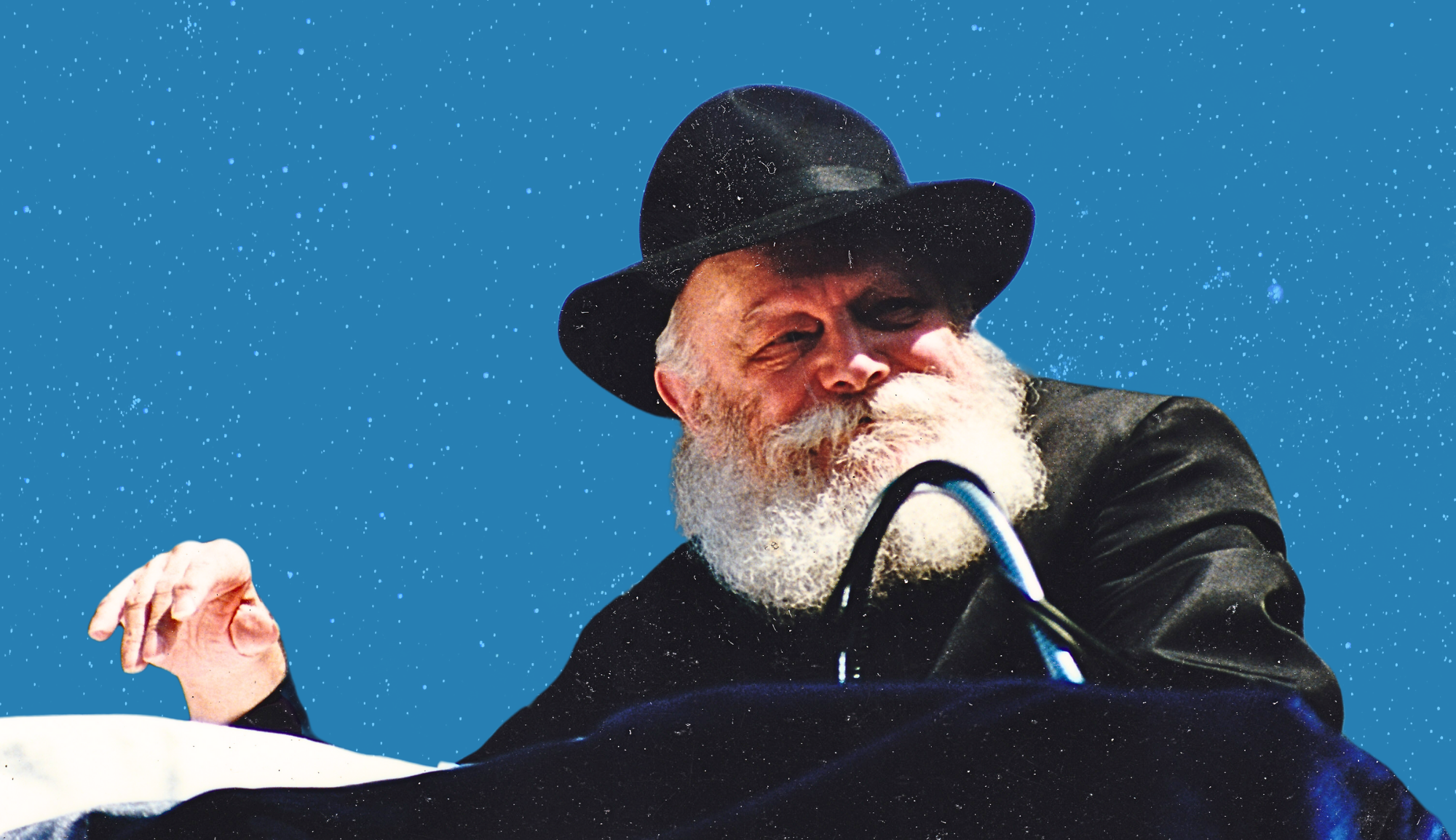
ELIOR. Well, it didn’t really because modernity is not going together with Jewish mysticism. Although there are examples that contradict what I say. The only place where modernity and mysticism met together was in the case of Chabad. Lubavitch is a great movement in charge of many, many good things, like reaching out to Jews all over the world and offering educational and cultural possibilities for people everywhere. But they believe that their last leader was a messianic leader and the modern world usually would refuse to accept such a notion, but Chabad Lubavitch demonstrate that people can live in modern New York or modern Melbourne and profoundly believe that in spite of the fact that they participated in the funeral of Rabbi Menachem Mendel Schneerson, he would rise and he would come again. So they believe, they say he’s ganuz, he’s –
LEVY. Hidden.
ELIOR. Hidden. He’s hidden in heaven and he would return on earth. We don’t know –
LEVY. Not all of them.
ELIOR. Well, of course not all of them. Some of them, but enough of them to facilitate a daily announcement of the [Lubavitcher] Rabbi in Tel Aviv. When you ride from Tel Aviv to Jerusalem, you see billboards with the pictures of the Rabbi as if he is around. They show movies and television things where he is as if he is alive. I mean they don’t say birkat hametim [the blessing for the dead] after his name. They say shlita or sheyichye l’orech yamim tovim [may he live a long and good life].
So they contradict what we would call factual history. If we participated in the funeral, we cannot say that he is alive. But Chabad [is built] on a mystical ground that believes in the unity of opposites, and I started my academic work with the unity of opposites in the Lubavitch tradition. In the Chasidic tradition in the early generations of the Chabad tradition they can live together with unity of opposites, with life and death and with the living and the dead.
LEVY. Interesting. So what differentiates Jewish mysticism from other mysticisms in the world?
ELIOR. Well, every mysticism is an outcome of a particular religious background, of a particular language, of a particular culture, and of particular historical circumstances. There are no common denominators between Indian mysticism and Jewish mysticism or Tibetan mysticism and Jewish mysticism or any other [mysticism, such as] Christian and Muslim mysticism. Mysticism is wherever religious tradition tries to break the borders of time and space through language, through poetry, through liturgy, through dreams. But the content of what the mystic is being told or is being revealed to are different according to the relevant tradition.
Let’s say in the Muslim tradition, a mystic would see Muhammad. In the Jewish tradition, a mystic would see Moses. In the Christian tradition, a mystic may see Maria or Jesus. They would see or hear or imagine the historical heroes of their tradition or the literary heroes of their tradition. You would never meet a different hero of a different cultural tradition. So, within your own tradition.
So the phenomenology of mysticism as transcending the borders of time and place through going deep into the hidden parts of language, of the hidden part of reality, the common denominator of the framework could be compared, but the particular content of every mystical tradition is utterly different.
LEVY. So do you have to be religious to study Jewish mysticism?
ELIOR. Not at all. We study Jewish mysticism as part of Jewish tradition, which is shared by all Jews. Anyone who is interested in the Jewish library, in Jewish history, in previous generations could study mysticism exactly as he can read Agnon or can read Shakespeare. It’s literature first and foremost, and it’s a rich literature, a fascinating literature, which reflects the deeper trends of the Jewish experience, of Jewish yearning, of Jewish dreams, of Jewish fighting. What did they fight for in their imagination? They were not allowed to fight physically. What did they yearn for in their imagination? What would be the ideal world that they were expecting? I find it utterly interesting and I would say that it’s very interesting in every religion and culture, but for me, it is especially interesting in the Jewish culture.
LEVY. It’s interesting that you compare it to something like Shakespeare because no one saw Shakespeare as holy. They saw it as an incredible literature to learn from.
ELIOR. Indeed. You’re right.
LEVY. This is seen as something that can have a transcendental existential effect on reality.
ELIOR. Yeah. No, you’re right there. The comparison to Shakespeare may not be the right comparison, but I meant to say that –
LEVY. I mean on a literary level I understand that, but there’s a depth of –
ELIOR. Well, people who are interested in literature would be interested in Jewish mysticism, yeah. However, the meaning of Jewish mysticism is different for people who practice it as a part of their belief, okay? I say that a person can be profoundly engaged in Jewish mysticism as a reader, as a scholar, as a historian without being profoundly committed to the religious meaning of it, okay?
LEVY. So basically, can someone read it if they’re not religious? Yes.
ELIOR. Definitely.
LEVY. If you are religious and you read it, it’s a different type of experience.
ELIOR. Maybe, but not necessarily so. Now I’ve personally met religious people who told me, “I can’t stand where the prayer is about angels because as a rational person, I can’t believe in angels.”
So I would answer, “In angels you can’t believe? Can you believe in God? If you can believe in God, you can believe in angels because both of them are known to us from the biblical tradition.”
Now, I would say the same, if you feel that the biblical tradition is convincing you to believe in the presence of God as an entity that affects your life, that you correspond to, of course you can read Jewish mysticism, but even if you don’t feel that way, you can read the Bible and you can read Jewish mysticism. [You] may have a different experience, but this is not a precondition for reading the Bible or for reading mysticism. The Bible is a great literature, it’s a great history, it’s a fascinating, fascinating treasure of the height of human experience. It’s some of the up, uppest peaks of poetry like Psalms or most beautiful moral stories like Job. But the point is you don’t need to be religious in order to appreciate the depths and the wisdom and the depths of the human experience. You may believe in that as a believer, but you may read it as a person who’s interested in all expressions of human culture.
LEVY. So can Jewish mysticism be dangerous?
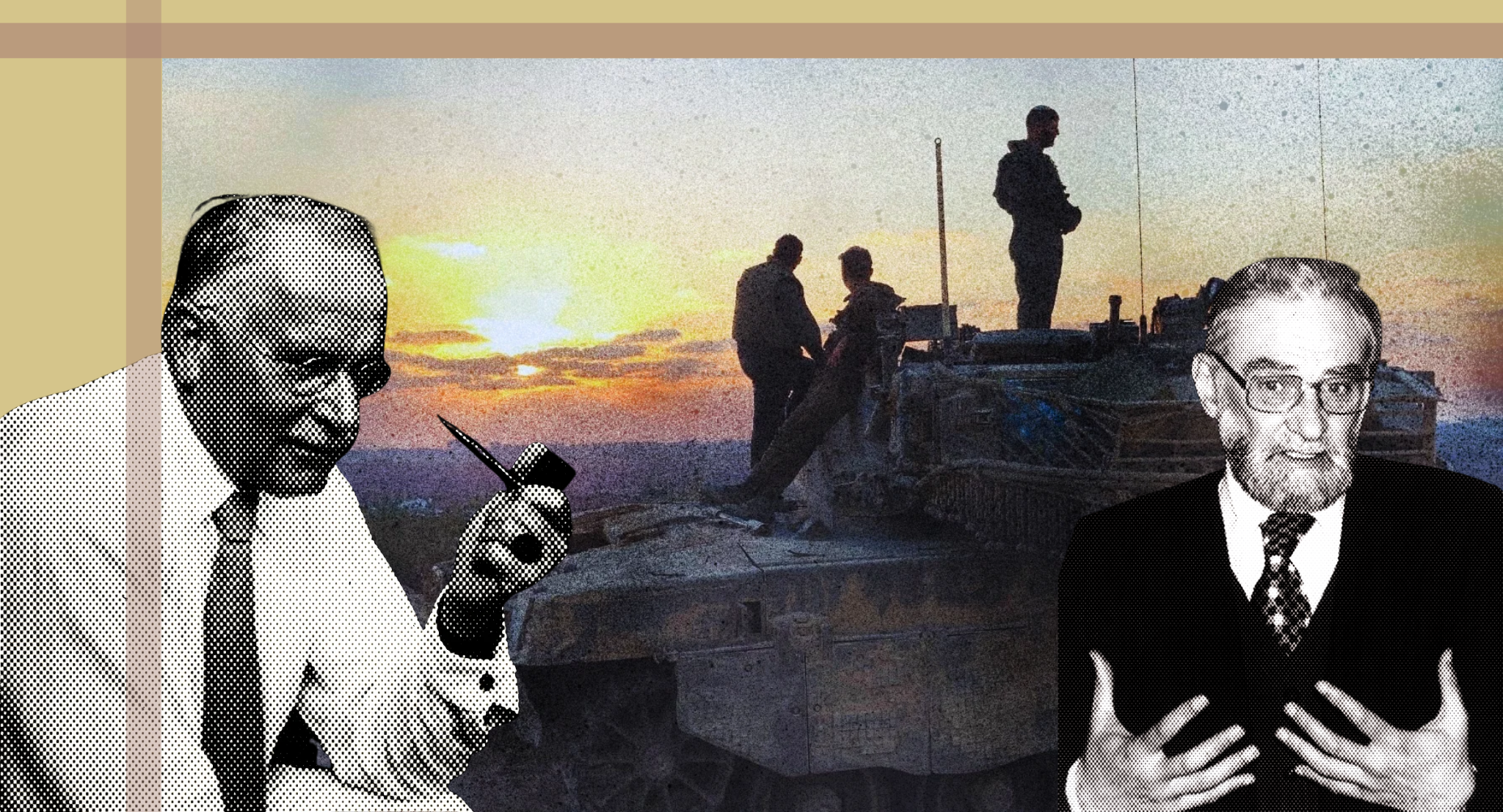
ELIOR. Yes, it can. It is dangerous only when there is a mixture between the legendary and the political. Jewish mysticism aimed to transcend borders. You can transcend borders in your mind, in your fantasy, in your dreams, in your poetry, but you cannot transcend borders in reality when you are committed to a legal system, to moral norms, to international law. So there is a contradiction between transcending borders, which mysticism is about, and between the borders that constitute society. So when there is such a conflict, it is very dangerous and we should never practice messianic thought within political framework. We should never practice mystical messianic aspirations within a military state.
LEVY. Unless the messianic aspirations are the prophet that you described before that there will be no fighting.
ELIOR. Well, I said the only prophet aspiration, the only messianic aspiration that I believe in is the prophecy of Isaiah. With that I would agree with anyone, yes, but I don’t agree to any Jewish superiority related to messianic politics. I really resent in every possible way the current state of the political government in Israel where messianic aspirations are directing the military decisions. I find it abominable and I think it’s a tragedy. The messianic idea was brought to life due to a tragedy, and fear, and weakness. A state that represents sovereignty, power, military independence should not use messianic rhetoric in order to justify whatever it does. That is dangerous, okay?
LEVY. You shared about choosing to connect to many of the Jewish traditions and the mystical thoughts. Is there an example of mystical teachings, Jewish Kabbala, or Jewish heritage that’s actually influenced your personal relationships, vis-à-vis your students, vis-à-vis yourself, with other people?
ELIOR. Well, I’m very much interested in the theory of language that Jewish mysticism endorsed. The idea that the language is infinite because the language is divine and the divine is infinite. The idea that the language represents the deepest of freedom, the deepest of choice, the deepest of infinite possibilities to interpret, to go deep into the hidden meaning, to enlarge human perception, to widen the horizons that one can perceive. I love that and that affected my work. The connection between language and mysticism and the idea of freedom.
I called my work on Jewish mysticism, “the many facets of freedom” or “the many aspects of freedom” because lack of freedom was the major element that created Jewish mysticism. People who enjoy freedom don’t need mysticism. People who don’t enjoy freedom, people who are enslaved, people who are tormented, people who are persecuted need to have an anchor of hope. And mysticism and messianism, they are going together.
LEVY. It becomes an outlet beyond existence.
ELIOR. Yes, yes.
LEVY. The physical expression.
ELIOR. It becomes a horizon for what they yearn for, for what they hope for, for what they believe would be an alternative experience.
LEVY. You’ve learned so much, taught so many lessons. Is there one particular Jewish mystical idea that you really relate to and you carry with you when you teach others and think about?
ELIOR. Well, indeed, there are numerous things, but if I need to choose one, I would say that the idea that the world was created by book, by story, and by number is very dear to me because I believe that we are the creation of stories, and myths, and books, and numbers, and letters, and I believe that the freedom that we experience by the understanding of the infinite nature of language, which is the reflection of the infinite nature of the divinity, of the infinite divinity, I believe that this is the richest foundation of freedom. We are not limited by anything finite. We are endowed with the infinity of language, with the fact that all Hebrew language is devised of twenty-two letters, but those twenty-two letters reflect worlds and souls and divinity. And you can think on every letter as the Baal Shem Tov said, “tzohar taaseh lateiva,” you should make a small window for the ark, Noah’s ark. But in Hebrew the word teiva [ark] is a letter too, like rashei teivot [an acronym].
LEVY. It’s a tzohar [window]. You should make a window to the letters.
ELIOR. Yeah, exactly. So that’s what he said. And I love it. I believe that in every word, when you look into that deeply and concentratedly and look to decipher what it means, you can find wonderful things. Because of what I said that poetry and literature and mysticism are together.
And I would like to conclude with the fact that the word chanté, like enchantment, and the word chant, chanté, like music, chanting, okay? Enchantment and music and canto, like bel canto, they are all coming from the very same root. It is the enchantment of words, and letters, and voices, like in Sefer Yetzira, “Kol, ruach vedibur, zehu ruach hakodesh,” Voice, spirit, and speech are the Holy Spirit. So holiness is within speech, and voice, and spirit, and we are sharing that with the divine, and we should enjoy the infinite freedom that is embedded [in them].
LEVY. Wow. Well, I hope that just like the Baal Shem Tov saw opening windows through the letters, you continue to feel the excitement and the magic that you feel through study, that it should continue always, and that you should inspire others to do the same. Thank you so much.
ELIOR. Thank you so much.