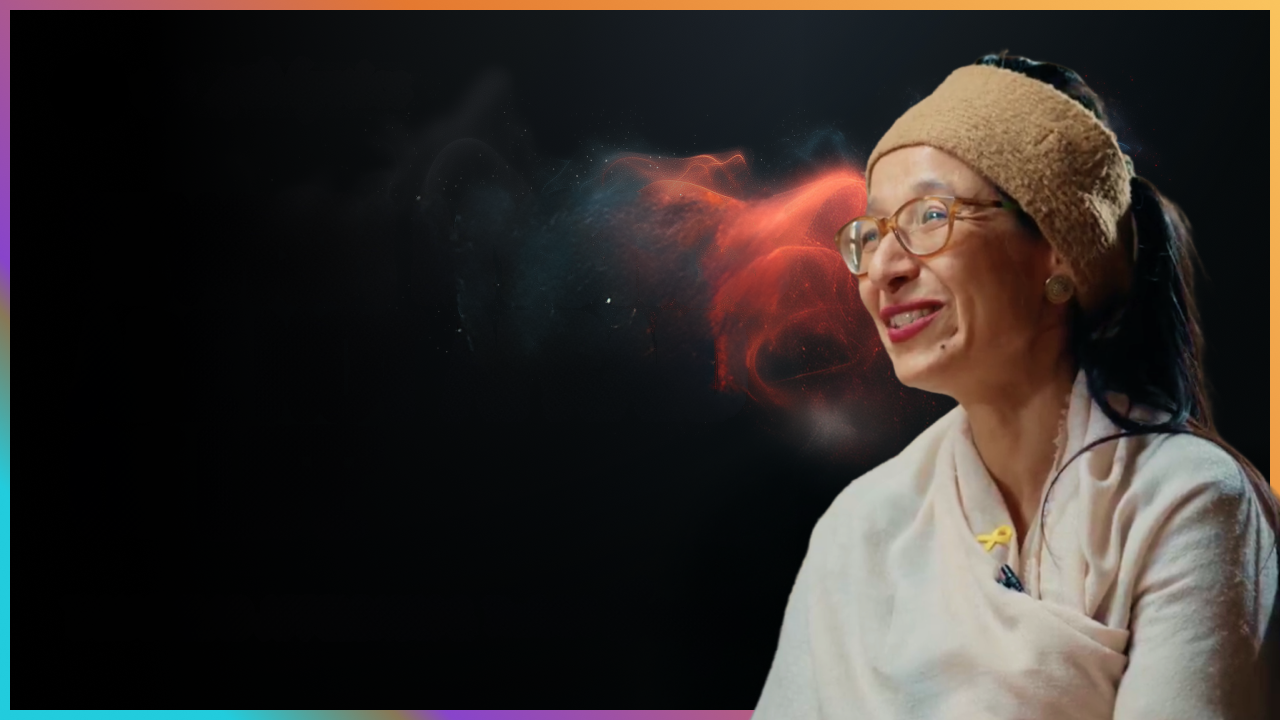
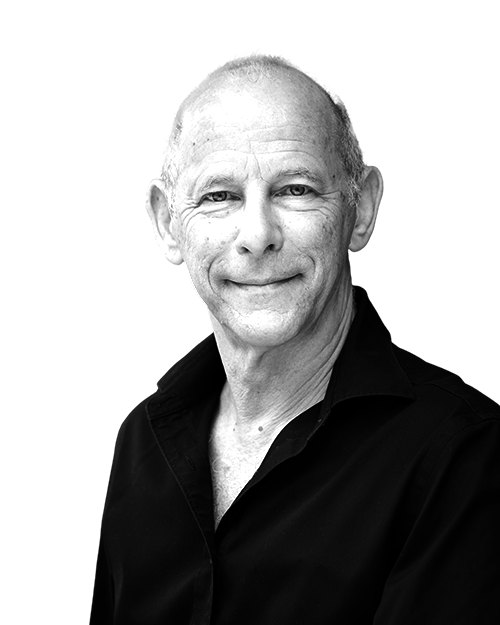
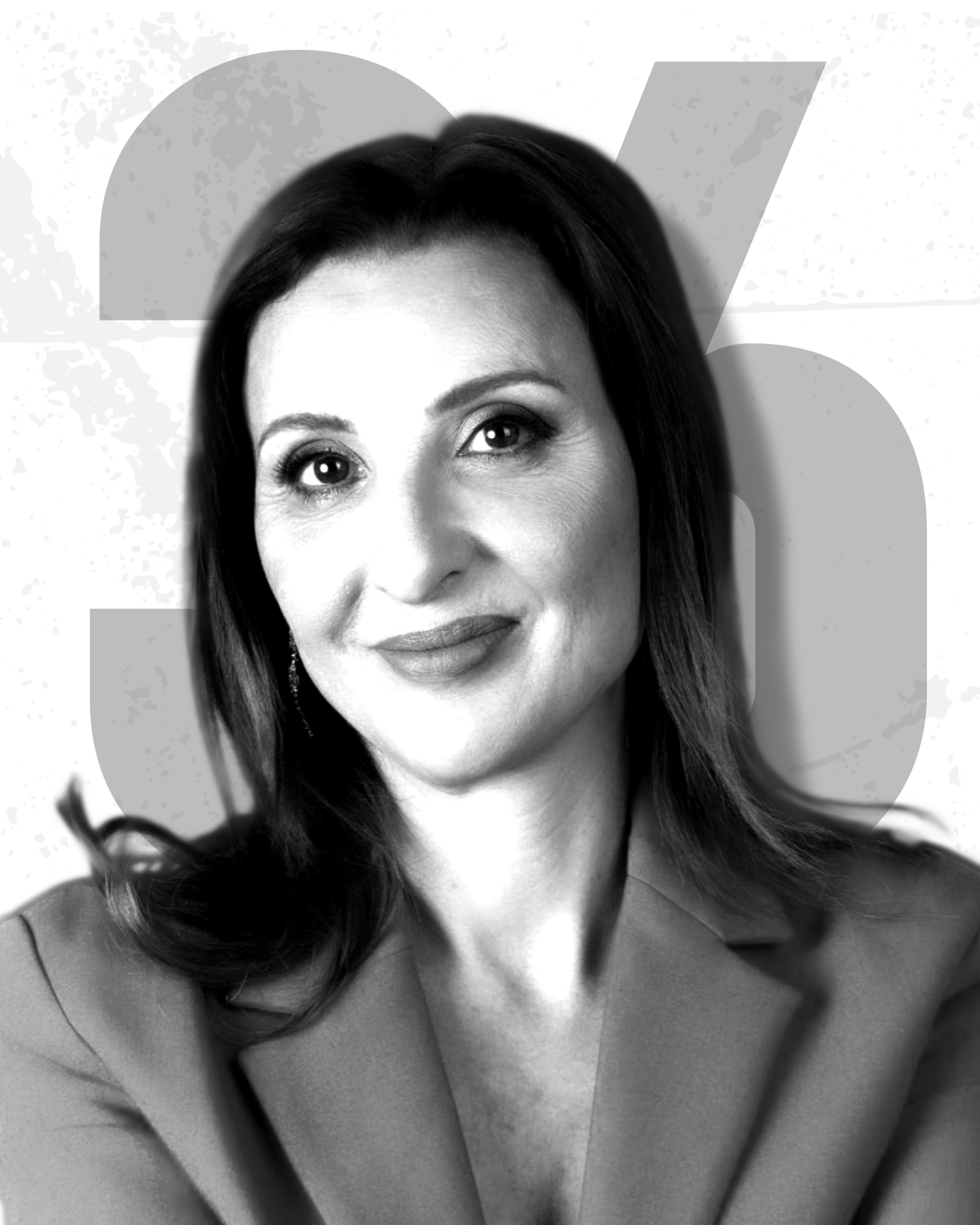
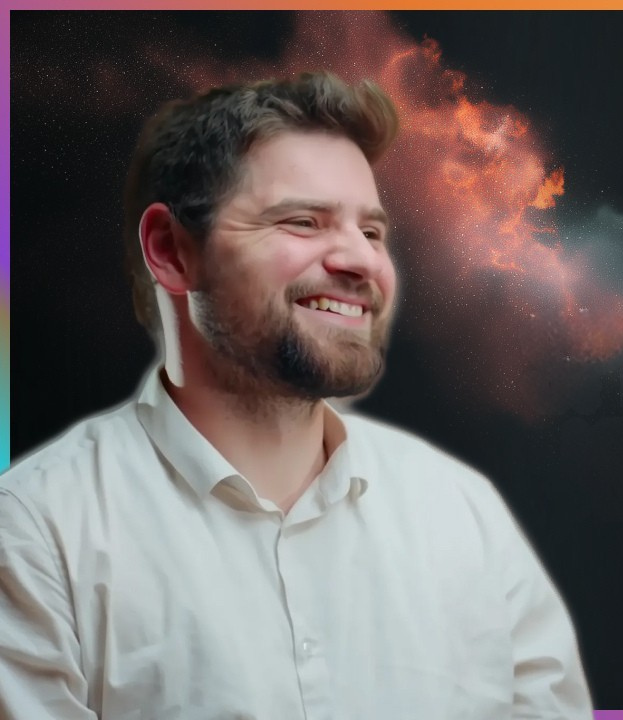
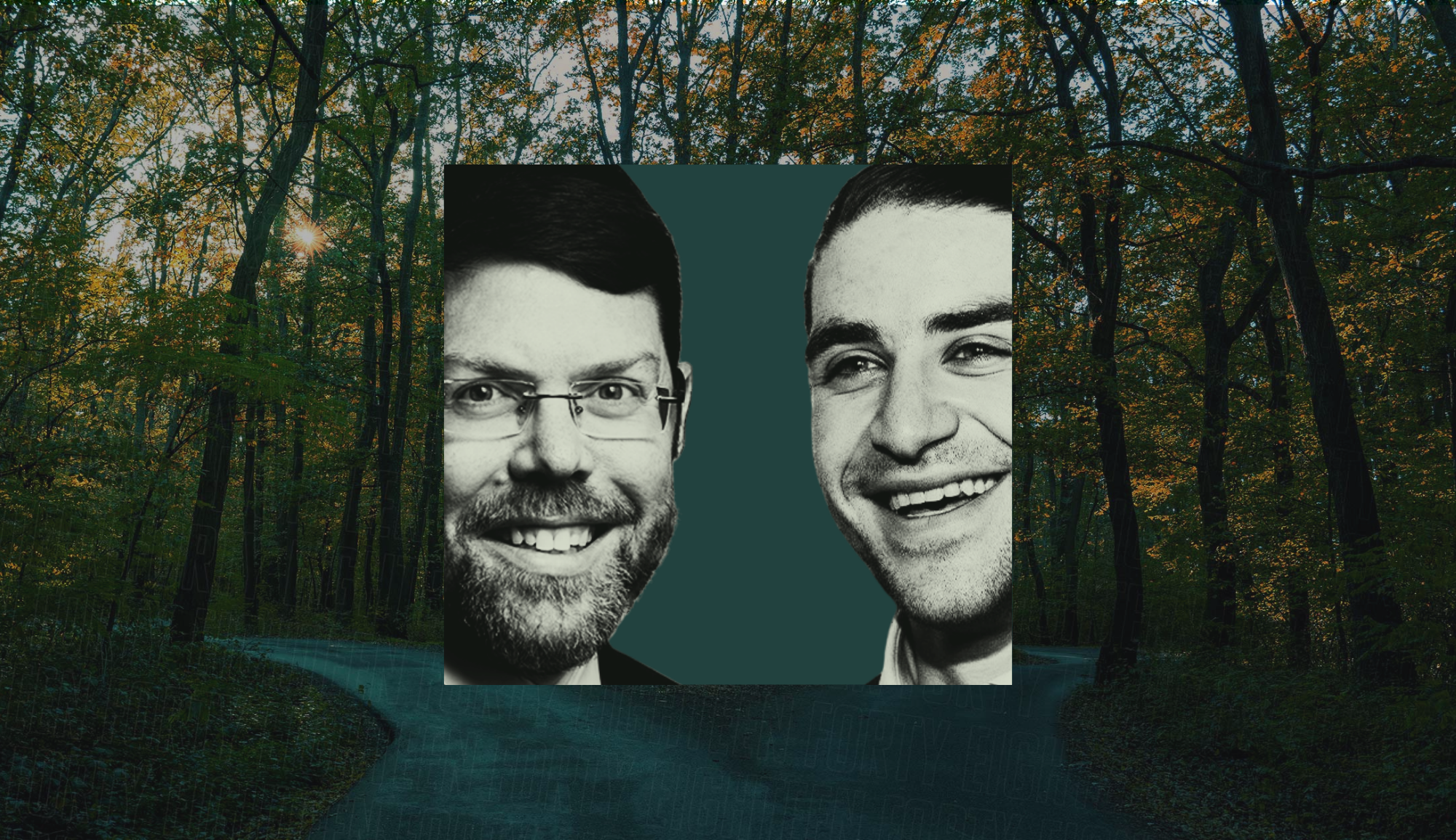
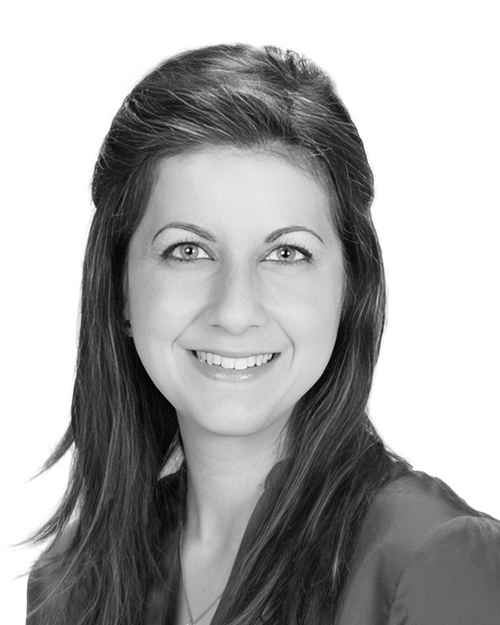
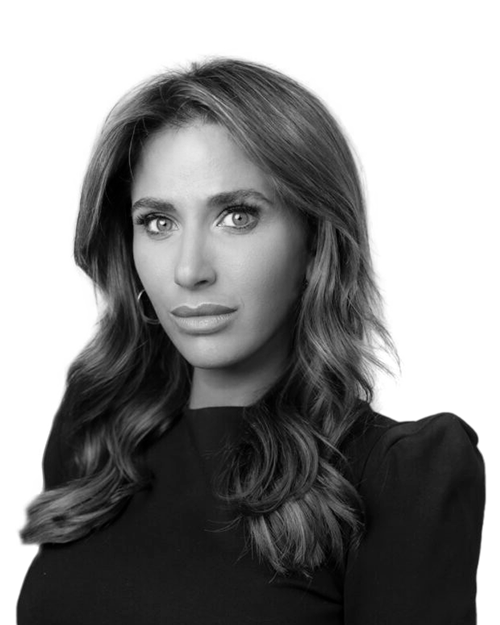
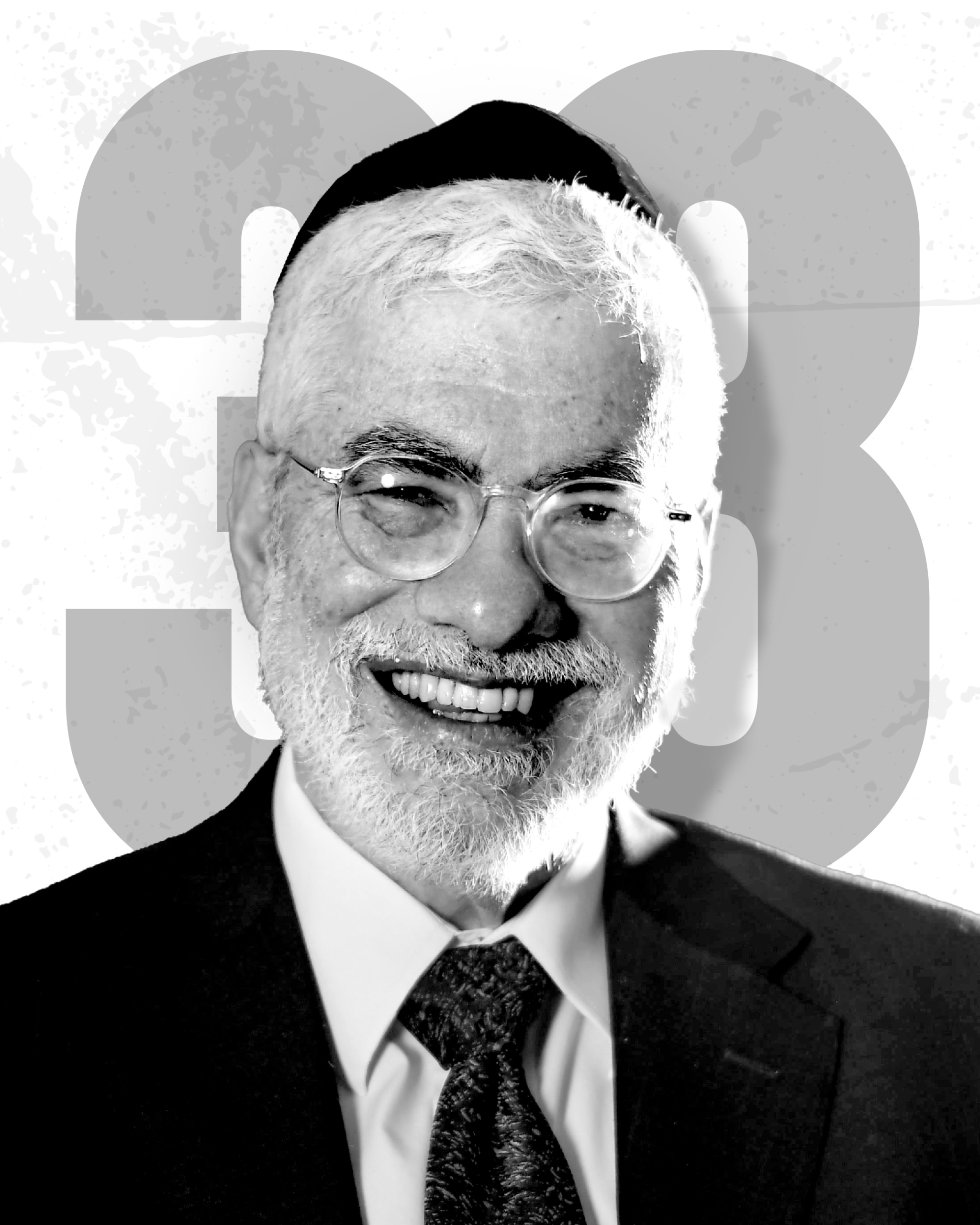
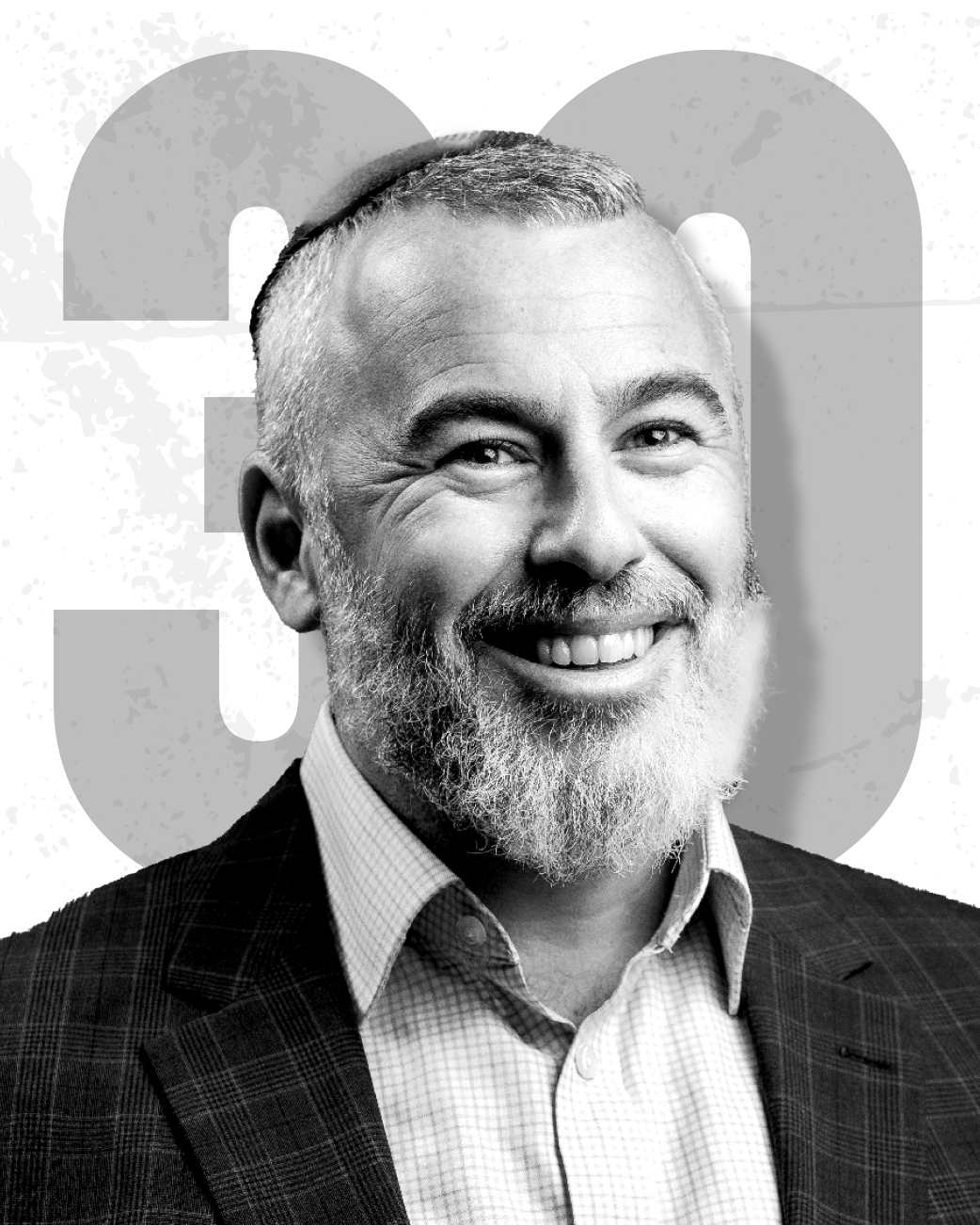
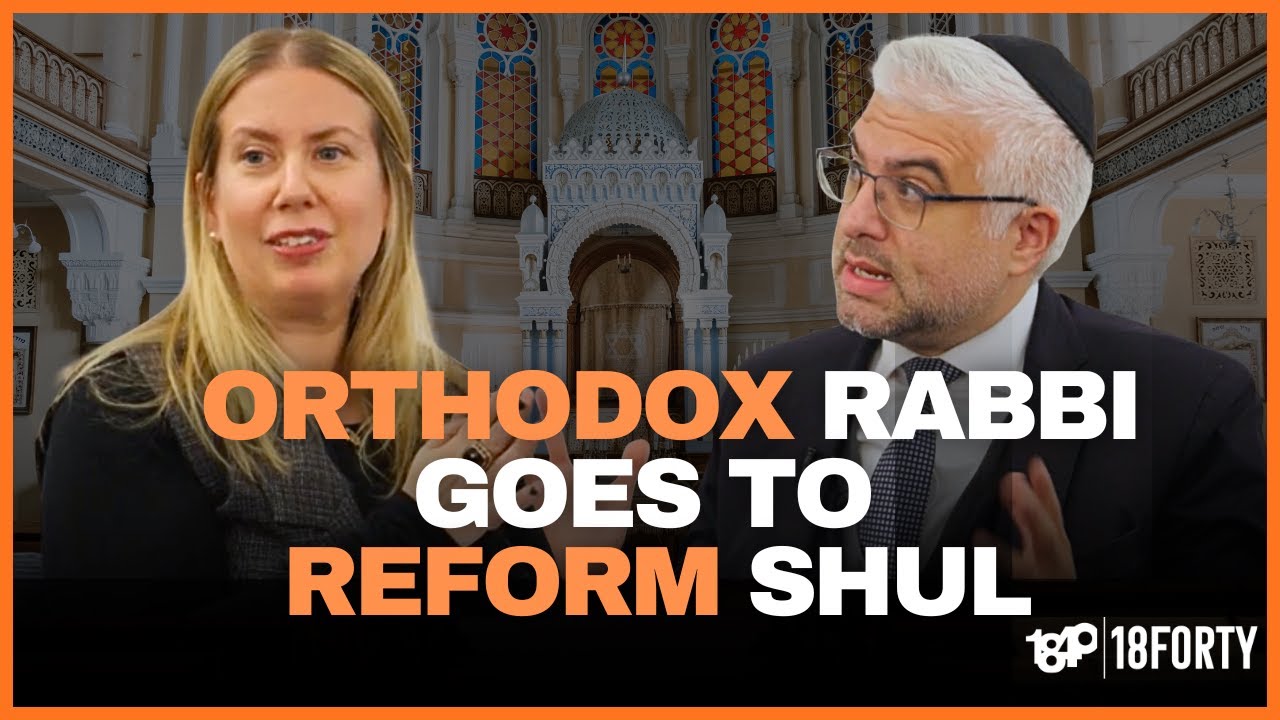
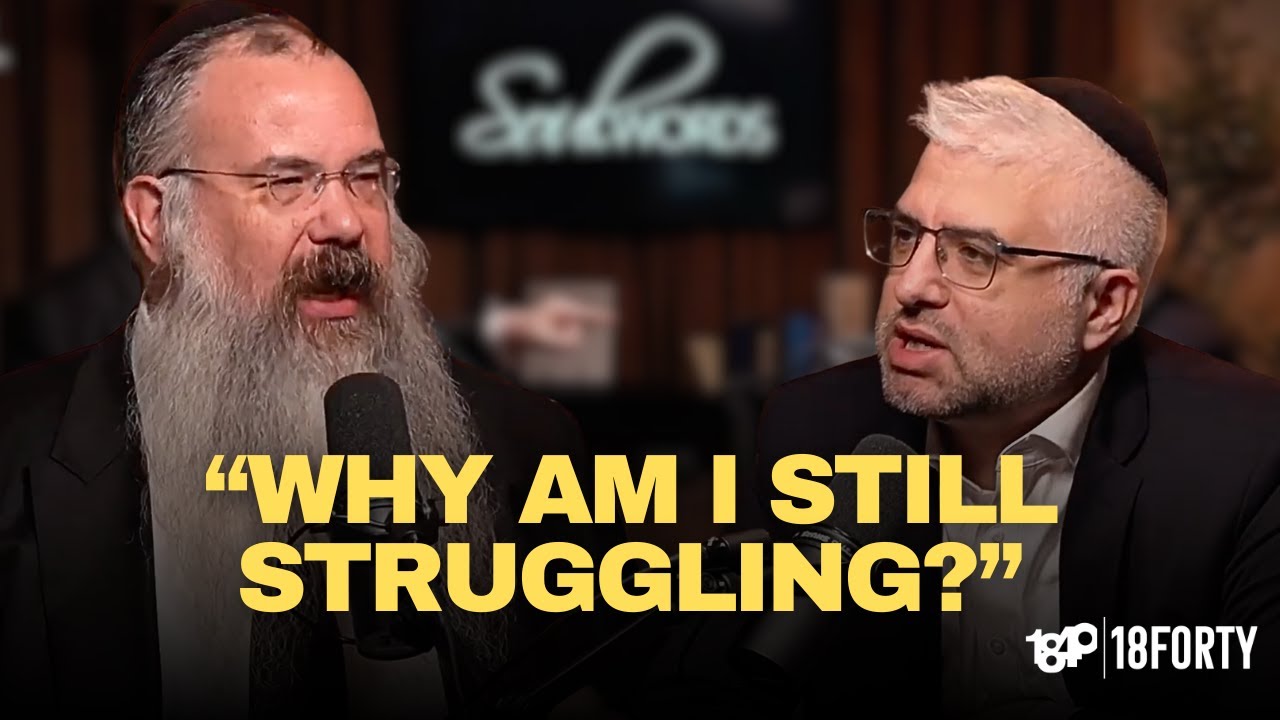
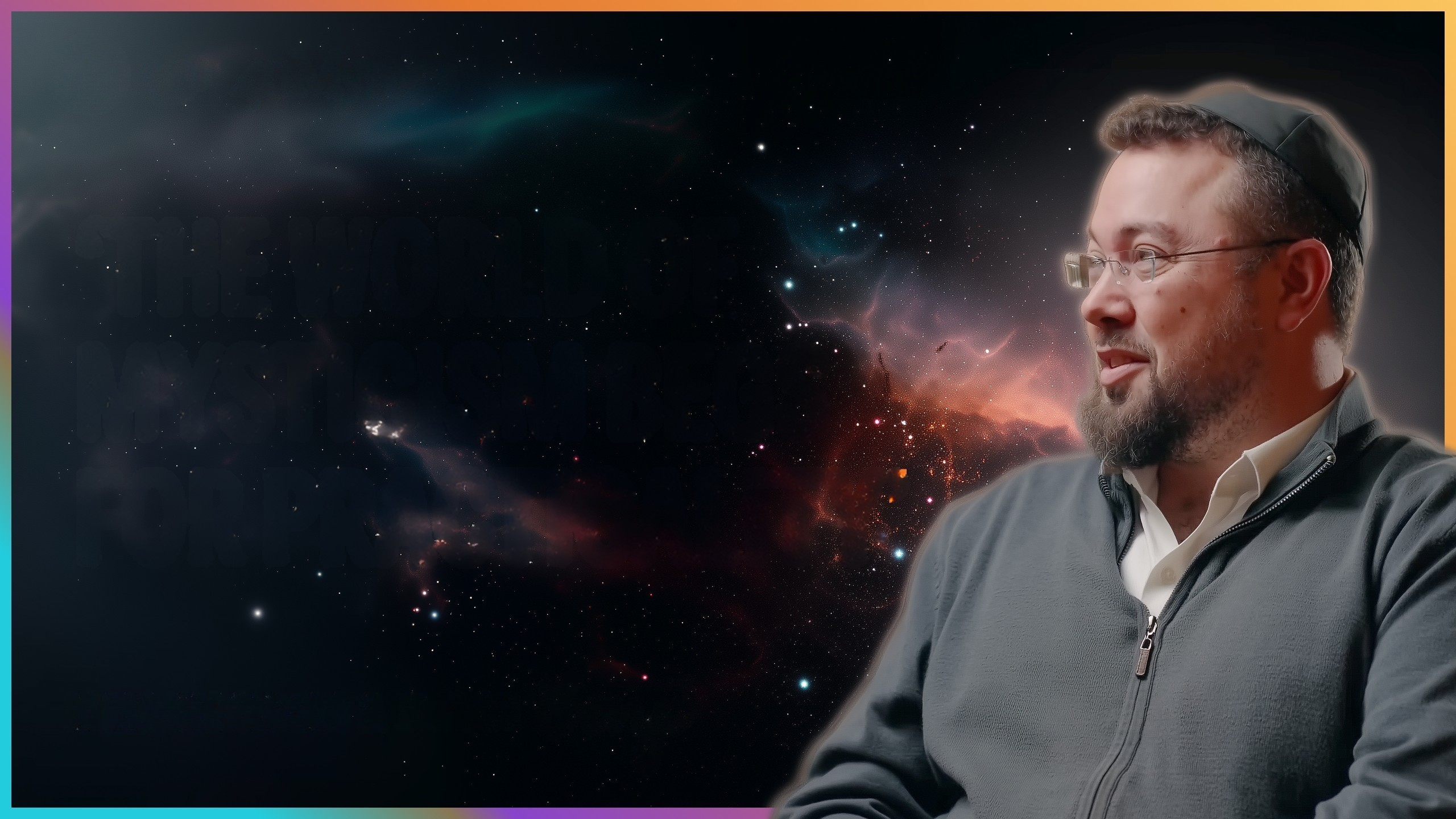
RABBI DR BENJI LEVY. Tamar Elad-Appelbaum, it’s such a privilege and pleasure to be sitting with you here in Jerusalem, a leader of Kehilat Tzion in Jerusalem and Rabbanut Yisraelit, an incredible program educating so many. Thank you for being with us here today.
TAMAR ELAD-APPELBAUM. Toda raba [thank you], Rabbi Benji.
LEVY. So what is Jewish mysticism?
ELAD-APPELBAUM. Wow. You know that I come from a Mizrachi, a Sefaradi world. My family comes on the one hand from Morocco, from Casablanca and from the Atlas Mountains. And the tradition is that this is the world, mysticism is actually the world of sod. It’s the world of secret. And we would call it the world of Pardes. Pardes means peshat, what is simple, what is on the surface, remez, hints that the Torah gives us, derash, these are our abilities to learn structures of behavior, and sod is the secret of the Torah and what it whispers quietly and tells us only when we really want to listen. So you have to be a good listener that speaks less and listens more when you approach these inner learnings, Pnimiyut HaTorah, the inner learnings of the Torah.
LEVY. Beautiful. So how did you connect to this? What was the beginning of your journey to connect more to the sod, to the secrets, to the mysticism?
ELAD-APPELBAUM. So it’s interesting because in the world I come from, which is on the one hand Sefaradi, Moroccan, and on the other, Ashkenazi, from the Ashkenazi French-German Yekke world, it was a part of my life always. I remember my grandfather always studying it. You know, in the Sefaradi world, in the Moroccan world, the sod [secret of the Torah] is an integral part of our life. And I remember my saba [grandfather] walking with his books and studying them, and it was part of what we did. I didn’t feel I need to approach it or wait for it or inquire about it. It was always there. It was always accessible as part of the Pardes of the field, the great, beautiful field of Torah, which is a field of work, of labor, that you have to find access to through your ancestors and also hard work of yourself. So from a very young age I would listen to my grandfather and learn. And I felt that Torah is approaching us very gently, and we have to listen to her very, very gently.
I do know that many people were told that they can approach this world after the age of forty, after they’re married. And I think there’s a lot of beauty and wisdom in it, but I also think that it’s a world that brings hope, prayer. When you say mysticism, I think especially about the depth of emuna, of faith that this world has. And I think it’s something that many, many need in different paths and moments of life. Someone who looks for a family to create, for the love of his life, for his shutaf [partner], for his chavruta [study partner], someone who wants a baby in this world. So I think that Torah is accessible to all of us, and it was created in moments of great distress and sadness but also a deep feeling that there is Hashem around us. There’s a God around us.
And I think that in these days that are historic days, we also are in much need of this Torah that reveals to us a world of faith. And in the midst of sorrow, [it is also the source of] much happiness and joy that, be’ezrat Hashem [with God’s help], will come closer and closer to all of us.
LEVY. Amen. So in an ideal world, would all Jews be mystics?
ELAD-APPELBAUM. No. No. I think that in an ideal world, every Jew would find his own letter or her own letter, their own letter in the Torah. It’s one of the beautiful, beautiful perushim, understandings of our Sages. They say Yisrael [Israel] is actually rashei tevot, it’s the abbreviation of, yesh shishim ribo otiyot laTorah. There are 60,000 letters to the Torah, and each one has to find his own letter. It’s a beautiful perush [commentary] that we say about a pasuk [verse] from Tehillim, Psalms. We say, “Torat Hashem temima meshivat nafesh.” The Torah of God is beautiful, innocent, but also it’s complete. And when it is complete, it gives us breath. It’s like a breath of fresh air that you need sometimes, that you need a moment to breathe.
But one of the beautiful perushim [commentaries] of the Admor of Radomsk, of the Rabbi of Radomsk, is that he says that we can breathe only when each and every Jew finds his own place in the completeness of the Torah. So for me, nothing is about ideology. It’s only about the internal, serious path that we take. And every Jew will find their own way. And there’s much respect for that, and we need a lot of patience to be complete, to be whole.
LEVY. Amazing. So when we talk about God, which is a large part of your work, to help people connect to God, what is God? What do you imagine? What is this entity?
ELAD-APPELBAUM. First, God is now. It’s here. It’s us. Sitting in Jerusalem and the honor of sitting with a person who seeks and asks and teaches and meets. And we sit next to the lemons from the beautiful fields of Eretz Yisrael, of the Land of Israel. And we sit in the streets of Jerusalem that await our brother hostages and our warriors to come back, be’ezrat Hashem [with God’s help], whole in body and in soul, and await our brothers and sisters to go back to the south and the north safely. And [we] await all the wounded to be healed, and we await our people and all people to be safe and to find peace in this world. So in this moment, God is here.
God is also, that’s the way our ancestors teach us, He’s in a place where the Rabbi of Kotzk says, God comes when you open a door and when you leave some space. The Sefaradi people, in our Sefaradi tradition, say “verevach vehatzala” [relief and rescue] when they say Kaddish. Revach means space. Make some space for God. You can’t fill it all up. We don’t know everything. We know so little. So when we come with that humbleness and we meet each other and we sit together, and we see different perspectives, and we see the fruit of the trees and also the hopes of the heart, in this humble moment, God comes in. So God is transparent. It is in the tiny, small things, not in the big successes.
I always say that we live in a world that when you meet a king or a queen or a ruler or a leader, they’re always beautiful and surrounded by very beautiful people and everything looks grand and complete. But not Melech Malchei HaMelachim, HaKadosh Baruch Hu. The King of kings, Hashem [God], He likes to see the broken people. That’s what our ancestors teach us: those who don’t know, those who are hurt, those who are themselves a bit broken. He prefers broken little pits, pieces of life as it truly is and not something that looks complete. And He looks at you when you come with empty hands and you ask for something. And He has mercy for those who are able to ask for something.
So I hope that we who live in a generation that has so many expectations from life, we will be able to approach a different kind of understanding that sometimes success, as we understand it, which fills our life and our hands, is also a way to be a bit further away from God, who is in places that worry, that care, that need help and ask for it. That’s where God is.
LEVY. Wow. So what’s the purpose of the Jewish people then?
ELAD-APPELBAUM. First, to be kind and good and to walk in the path of Avraham Avinu, our forefather Abraham, lalechet bederech tzedaka umishpat, to walk in a path of righteousness, of justice, a path that creates a world that has hope.
I think more than anything, our ancestors teach us that more than we have faith in God, in Hashem, Hashem has faith in us. Our ancestors say that the very beginning of the Torah, “Bereshit bara Elokim et hashamayim ve’et haaretz, vehaaretz haita tohu vavohu vechoshech al pnei tehom.” At the beginning, there was land and it was a mess. Our ancestors say that these words actually reflect generations of history in which people lived in chaos and trauma and sadness and hopelessness. They were in despair. The thickness of dark despair. And the Torah is actually a book of healing. Because God is healing. And He says, you’re in chaos and the world has much sadness and pain and trauma. There’s so many of them in private people and in people in general. But He says, I will teach you to put up in the sky, up high, to raise your eyes. And not only for yourself, but for all the people around you, I will teach you to put up yehi or, a light, and slowly to build a world that has order and makes sense and gives hope to each and every one.
And when Avraham Avinu, our father Abraham, and Sarah Imenu, our mother Sarah, walk in that path, they put a tent in the middle of nowhere. And they say to people, here is the path. It’s not a huge, big house. It’s a tiny tent. But it’s open to everyone. And we will teach the whole world to do that, to do light, to do hope, to act, to be partners of Hashem.
What did Jews come to do in this world? They came to do that. They who suffered so much, we who suffered so much in our families, in our history, in generations before us, we were meant to be teachers. And to take everything we received, all the suffering and the pain but also the light that was given from one generation to the other, despite everything happening all around, despite exile, and then of course after coming back to Medinat Yisrael, to Eretz Yisrael, to the Land of Israel and the State of Israel, and to carry that light, and then sow it in the land, and slowly see it growing and giving fruit to the whole world.
So this is what we came to do. And that means that we are farmers. We are farmers of light. And we create that light for everyone. Ki miTzion tetzei Torah, that light has to come from Zion, the name of that community, of my community, our community, but also the name of this hope of all Jews. Ki miTzion tetzei Torah, that light will come out of Zion and it will arrive to all humanity, to the Jewish people, to all people, and it will heal the world from chaos and violence and trauma to days where everyone can see hope and can see justice, and kindness, and care, and righteousness. And this is the world that we were meant to create. And, be’ezrat Hashem [with God’s help], we will see it created slowly in our days, in our time.
LEVY. Amen. So how does prayer work?
ELAD-APPELBAUM. Prayer doesn’t work. Prayer, you have to pray for the prayer. I spoke about my grandfather, but my Moroccan grandmother would stand next to the mezuza and she would pray to God. And she would talk to him and say, this is what I ask for this son and this is what I ask for the other. And I think that for generations, our ancestors taught us that the whole idea of prayer is to be able to create a community in which you are able to ask and to stretch out your hand and to create a world that on the one hand makes room for Hashem, for God, and on the other hand takes responsibility.
You know, tefilla [prayer], the word tefilla comes from nefila, to fall. It’s a moment of falling. Even there’s a tradition of, mamash [really], nefilat apayim, of falling [on one’s face], of saying, I’m falling because of awe, but I’m also falling because of pain. All of this is big. It might even be too big for me. What am I supposed to do in this? But tefilla, the word tefilla, prayer, also comes from lefales. It comes from paving a road. So it’s a deed of falling and standing.
That’s why when we say the words Shema Yisrael Hashem Elokeinu Hashem echad, Hear, oh Israel, the God, our Lord, the God is, Hashem is one. So you sit like this and in humbleness you are part of something huge. But the Amida, the tefilla, which is the prayer of our ancestors, is when you stand up and you take responsibility. So these two moments are very important twins, the ability to be a part of something grand that is much greater than each one of us, that we need to be a good, a kind part of. But then the chutzpa, the chutzpa, the audacity of standing up and saying, and I will be a part of it. I will contribute my part. And that is tefilla [prayer] in many ways.
And tefilla [prayer] is a moment of deep faith in which you pray for the things that are most important. You’re able to put aside what is less important and concentrate on the ikkar, on what matters most. And then you think of your family and health and you think of those who need and you create space for the dreams of humanity that matter. And you are reminded of what actually really matters in this moment in your time.
So actually, tefilla is a school. It’s a school for tzomet lev, for noticing [where] you put so much energy and it doesn’t matter. My ego and all kinds of things that are not important. And then to put at the center of my attention, of my tzomet lev, my attention, to put at the center of my attention what truly, truly matters. In many ways, tefilla [prayer] is like a mikveh. It’s like a water –
LEVY. A ritual bath that you immerse in.
ELAD-APPELBAUM. A ritual bath. Toda raba [thank you]. You immerse in what really matters and you come out more pure, more attentive, more holy, and more attuned to what you really have to do when you come out of it.
LEVY. Wow. And what’s the goal of Torah study then?
ELAD-APPELBAUM. Torah and tefilla [prayer] in many ways are the opposite, and they complete each other. While tefilla, as we said, is very tender and it’s like a form of that, how do you say this in English? Memis. That makes you –
LEVY. Melt.
ELAD-APPELBAUM. Melt. And you melt, you melt of care, of love, of attention. In many ways, Torah is the opposite. Torah needs to make you very, very strong. And you have to be very focused, and you have to sometimes even disagree. Tefilla, prayer is a form of love, and Torah in many ways is a form of yira, of awe, and that you have to be very focused and very, very, very deeply understanding of the differences.
A moment ago when I prayed for you, I felt your life. I felt like you. I cared for you so much that I forgot about myself. I put myself aside and all I was focused about was Rabbi Benji and how important you are for Am Yisrael [the Jewish People], and that, be’ezrat Hashem [with God’s help], you live a long life and you make all these things that you lead come true for all of us.
LEVY. Amen.
ELAD-APPELBAUM. Amen. And then I come back to Torah. And we sit together in this room and there’s Rabbi Benji and his thoughts and his ideals and what you think. And there is Rabbi Tamar and what I think, and we might agree and we might disagree. And we sit together in machloket, sometimes in disagreement, and we’re focused. But a minute ago, in prayer, we were one. And now we are two. And I think that in many ways, Torah and tefilla complete each other. Through tefilla [prayer], we have mercy for each other, rachamim. And through Torah, we have din [judgement], we have the ability to be focused and to ask each other and ourselves, what do we really need to do now? What is the righteous path now? How does it look like? How do we get there? How do we do it together, all of us? And we have to find that way. And it’s about building, not melting. You have to be very, very strong. Hashem oz le’amo yiten [God gives strength to His people], is Torah, to have that koach, to have that strength. Hashem yevarech et amo bashalom [God will bless his people with peace], that’s tefilla, that’s to be melted in love, in oneness, in unity, to be one.
And I think that in many ways our ancestors wanted us to have both of them very, very much. Since the destruction of the Temple, they said, now, mikdash me’at, your house and your synagogue and your community, that’s your small temple. And you have to melt every time from the beginning to have love for all Israel, and to make sure you carry that love like the priest, like the high priest, on your chest, and you wear the choshen [breastplate] of the love for all Israel, and from it to the whole world, you carry it all the time in prayer, in tefilla. That’s what the kohen [priest] did. That’s what the priest did in the Beit HaMikdash [Temple]. But then in beit midrash, in the house of study of Torah, that’s where you disagree. And because our house, the first and especially the second house of Israel, the Temple of Israel was destructed because of sinat chinam, because of hatred, baseless hatred, we have to learn how to talk with each other when we disagree. And Torah is like therapy to disagree, but to learn how to do it with respect, not necessarily love, but you have to have respect.
And on that, we train over and over again every day to be like priests in the Holy Temple of these days in our communities, wearing love for all Israel, and then to sit and practice in beit hamidrash [study hall], Torah, of disagreeing with deep honor and respect for all Israel. Yesh shishim riboi otiyot laTorah [there are 600,000 letters in the Torah]. All of Israel have a place in our people and we need and must make place for all of them in the beit midrash [study hall] of studying the Torah within disagreement.
LEVY. Amazing. So talking about difference, does Jewish mysticism view women and men as the same?
ELAD-APPELBAUM. I think not. I think on the one hand, absolutely yes. Because, you know, perek aleph, the first chapter of the Torah teaches us that we were created as one. “Zachar u’nekeva baraam” [they were created male and female]. And we are supposed to be one. We complete each other. And that’s a very deep understanding, I think, that we must carry with us, that we have a place that we must complete each other and create a world that is lechatchila [optimal]⁶, is how God wanted us to be, when we respect each other, when we vouch for each other. It’s not the men who take care of the men and the women who take care of the women, but it’s the men who make sure that the women are there and heard and have space and lead, and also the women who do the very same for the men.
In many ways, the Torah opens with the ideal world. It’s incredible that it gives us a recipe. The recipe is the dignity of each and every human being, including men and women. And that’s the basic, that’s the foundation. It speaks of us, all of us, coming from the same first Adam veChava, Adam and Eve, and telling us that Hashem [God] created us and wanted us and invited us and commanded us to have dignity to each and every human being. That’s the basic, that’s the recipe. Then all the rest of the Torah actually tells us how difficult it is and how many constraints we, humans who are flawed, and history with so many flaws, what a journey we have in order to come back to perek alef, to the first chapter of the Torah.
But I think that in many ways, Torah is even a more, deeper respect because it doesn’t make us the same. We’re not the same. And when it tells us about Abraham and Sarah, it tells us differences. And when it talks about the tent of Abraham and Sarah, it talks about Sarah and creating that light that is on her tent, and the beauty of the bread that is in that tent. And you can almost feel it.
And I think that in many ways, our ancestors make sure to tell us that both men and women led our people but also to notice the differences between them and to find our way to be leaders of our people.
LEVY. So to live with this faith is really to live a spiritual life. What is the greatest obstacle to living a more spiritual life? What holds us back from it?
ELAD-APPELBAUM. Vanity, gaava [pride]. I think pride takes away our ability to grow. And one of the incredible things is that Hashem, God, gives us many, many ways to grow. Sometimes they’re beautiful and sometimes they hurt. Sometimes we are forced to grow in moments that hurt us very, very much. And we grow when we meet cruelty, indifference, and we are called to act. We grow when we see pain and are heartbroken and feel helpless.
We grow when we meet someone who thinks very differently, and we ask ourselves, can we be one people with that? Will that work? And we say yes. Yes. I won’t give up on anyone, not the secular, not the ultra-Orthodox, not the religious, not the women, not the men, not the left, not the right. Yes. We grow because we are one. When you understand that this oneness makes you humble, that you have to make room and space, then you grow. And pride and vanity are obstacles in that way.
That’s why we pray with nine other people to be part of and to make sure we hear other needs and thoughts and concerns. And that’s why we learn Torah together. So we can disagree and become a small fracture of something that is beautiful only when it’s whole. And we have this moment in the history of our people, of coming back to the Land of Israel, it is a moment in which we will need to learn slowly, after days of much courage and bravery. We will also have to find the courage to be soft and to be humble, and to make space for all of us and say that we won’t do it without all of us together. So I hope for us that we will be able to do that. That’s my prayer and my hope and my trust and belief.
LEVY. So why did God create the world with all these differences and everything going on? He was perfect. Why did He create this world?
ELAD-APPELBAUM. That’s one of the biggest questions that we will never know. We trust Him, not because we know His answer, because we trust God. God is an invitation to follow life in all the trails of light, despite the trail of darkness that too often is part of our trail. And we can stand and say, Hashem, how come? But I think emuna [faith] is to say, I follow You. I trust You. I follow life. I know You are good and all You do is good. You are peace and all You do is peace. And I will be a tiny, small piece and try to do good in my little time in the great plan that You have for all of us.
But in my world, when I come from a family of people who really did avodat Hashem [service of God] in a simple way, you didn’t try to answer the questions of God, you tried to answer the questions of human life. And the question of human life is the question God, Hashem, asks us every day, ayeka? Where are you? I don’t ask Hashem, ayeka? He asks me, ayeka? Where are you, Tamar? What did you do today? What did you not do today yet? What will you do before the day ends? So He asks me and I follow Him and try to answer in my small way.
LEVY. So do we have free choice in this process?
ELAD-APPELBAUM. Yes.
LEVY. And if so, what is it?
ELAD-APPELBAUM. All the time. It’s amazing that the King of Kings didn’t command us walking like slaves, having our thought and our eyes wrapped and being selfless. It’s exactly the opposite. Hashem Yitbarach [God, may He be blessed], the King of Kings said, I will give you everything. You will be your own person and you will have a name in this world, and you will have a character in this world, and you will be walking a path and every day you will have to make choices and they will be yours. I want you to be a free human being. Cheirut, freedom, is the way of Hashem, and it’s the way of the Torah. Not to command us as slaves, but to make us grow as free adults. And that’s one of the ways to become an adult.
At the beginning, you’re a child and you say, you decide for me. And He says, no. No, no, no. This is too easy. I trust you. I trust creation. You will grow and your choices will be tough and difficult. But eventually, you will choose to be an adult in this world, worthy of My trust.
LEVY. So what do you think of when you think about Mashiach [the Messiah]? What is the Messianic Era? Who is Messiah? What is Mashiach?
ELAD-APPELBAUM. Mashiach [the Messiah] is what every Jew hopes for and believes and trusts, that one day this world will be exactly like the very beginning in the eyes of Hashem Yitbarach [God, may He be blessed]. We will do what He hoped for us and dreamed for us. We will all be yehi or [let there be light]. We will all be light. Or chadash al tzion ta’ir venizkeh chulanu mehera le’oro [shine a new light on Zion and may we all soon be worthy to share its light]. One day there will be a new light, and it will be made out of many, many different lights in all Israel, in all the world. And it will be exactly like God dreamed us at the very beginning on that first day. And that will be Mashiach [the Messiah]. And one day will come. And we might see part of it, all of it, but we have to believe in it each and every day.
You know, our ancestors say that when the people of Israel left Egypt, they were taken for a split of a second to see Eretz Yisrael [the Land of Israel]. On that night, they saw all of Eretz Yisrael. They were in it. They knew how it felt exactly. And then back again in Egypt, they needed to do the whole way until they got to that place they dreamed of. And that’s what we do every day. We have in our heart, in our eyes, we have faith in Mashiach. And we walk every day towards that, knowing that we have that glimpse to the future. And as long as you have the memory of the future in your heart, in your soul, in your hands, in your eyes, in your legs, then you’re on your way. And you never stop being on your way until we’re worthy of the Mashiach to come.
LEVY. Is the State of Israel part of the final redemption?
ELAD-APPELBAUM. Yes. Yes. The State of Israel, this land is the land of God. It’s the land of Hashem. And I think that Abraham, our forefather, and Sarah and all our forefathers understood that this land is a tiny, small land that is like the heart of the world. It has a very big role, standing in between the East and the West, Islam and Christianity. It is supposed to be a bridge of connection between all. It’s supposed to be the heart.
And that’s exactly how the Zohar teaches us that Jerusalem and Tzion and the Land of Israel are the heart. And they are supposed to serve the whole world and be able to see and hope for kindness for the whole world. We came back because that’s our destiny. And from this place, I believe and I hope, in a time that has so much perplexion between good and bad, so many questions, we will create a path of righteousness, of justice, of peace for ourselves, for this region and for all. This is what we came to do.
Like Isaiah says, “ki beiti beit tefila yikarei lechol haamim” [for My house shall be called a house of prayer for all people]. That this place eventually will be a place where we all stand and thank Hashem for everything that He has given us and enabled us to do for this world, for all the world.
LEVY. So you talk about all the world. What would you say is the greatest challenge facing the world today? On a broader level.
ELAD-APPELBAUM. There are so many. The world has so many maladies and sicknesses. I think there’s a lot of violence. And the Torah stands in the face of violence and says, this is something we have to heal. And the whole structure of the Torah and mitzvot, the deeds of the Torah, are supposed to make the human more gentle, to be able to differentiate between what is wrong and what are the things we cannot ever do, and what is right, what are the things we should do more and more. So this is a path of – an everyday path in which we have to be able to live in a world that has sicknesses of violence, indifference, moral chaos, moral laziness, and stand with courage and say, there’s a lot to do.
But I’m not going to do it alone. We can do it only as a people, and that’s why on the one hand, I speak about the universal, about the world. But on the other hand, it’s very particular. You do it through your family, you do it through your people. You have to create structures that are safe and strong and are able to practice that day after day and then watch others doing the same each in their own languages.
We are an ancient people, doing it day after day for generations, despite so many things. It’s unbelievable that we’re still here. It’s unbelievable that we still believe. It’s unbelievable that we practice the very same practices. It’s unbelievable that we carry that light in such darkness. It’s unbelievable that we still look for partners every day and find them and are thankful for them and grow with them and hope with them. So we are a remnant of this beautiful, beautiful hope and faith, a strong and eternal one. And we, there is such a big responsibility to make sure that not only we hold it, but our children hold it, and their children will hold it, until better times will come.
So this is not about us. This is about history. This is about a world that needs healing and a people that took that healing upon itself. A people that does it with respect to others and dedication to our own journey and our eternal way. A people that makes sure that every generation will hold on to that light and that the Torah also is handed to the next generation with that same strong eternal light that only becomes stronger.
LEVY. Amazing. So we see in this specific generation that came after modernity. How did modernity change Jewish mysticism?
ELAD-APPELBAUM. First I want to say in the most technical way, modernity enabled all of us to have much more access to Jewish mysticism, to text. Many generations ago, you had to be a very special rabbi to be able to have access to the books, to the text, to the script. And today, each person can find it on his iPhone. And it’s accessible. And if you don’t understand the Aramaic, you can find the translation. It comes to you. Once you had to go and find it. Now it comes to the palm of your hand. And it’s there, in your eyes, and you can use it. It makes it much more accessible.
But I also think that Jewish mysticism today is needed because of the world, the modern world with many wonderful things that it brought to all of us. And I want to say that I think Jewish mystics are not afraid of life with everything it brings. They’re not afraid of darkness and light. Everything comes in pairs and everything is challenging and everything is part of God, of Hashem. But I think on the other hand, our world today has much more loneliness.
And the Zohar speaks again and again about living in a world where at the center of the world, there isn’t one lonely person, not even one lonely talmid chacham, scholar. At the center of everything, there are always two. It could be a couple, a man and a woman, or any couple. It could be a mother and her daughter, who are so important in the Zohar. It could be God and humanity and man. It could be Knesset Yisrael [the Jewish People] and God. We are called to do this in partnership.
And I think this is one of the challenges of the modern times because the modern times in many, many ways threatens the ability of partnership. It speaks of a world that is all the time [spent] in chasing things and looking for things and I feel that it asks you to slow down and to sit for a moment to be in the depth of things, not outside. Not look for others who will give you the answer, but work hard in your own field to arrive to that place.
LEVY. So what differentiates Jewish mysticism from other mysticisms, other traditions, other religions, other forms of mysticism? What makes it unique?
ELAD-APPELBAUM. First I want to say all of them look for God, for Hashem. And I think it’s something incredible to know that from so many different traditions, people looked for God in their own languages.
But I think that our deep world of Torah speaks in a language that has no end. It’s the language itself, the very letters of the language that recreate the world every day from the beginning. When you learn Torah, you recreate the world with Hashem, with God every day from the beginning. So it’s not a story. It’s not a myth. It’s an action. And we are part of that action as long as we learn Torah.
LEVY. So does that make it different from other mysticisms?
ELAD-APPELBAUM. It makes it unique. It makes it unique.
LEVY. That’s a unique feature of it.
ELAD-APPELBAUM. Yeah, I think it makes it very unique because as long as you hold on to sfat haKodesh [the holy language], you hold on to the practice. You hold on to these words engraved in the fabric of the world. You are taking part in choosing to create the world over and over again with Hashem every day.
LEVY. Does one need to be religious to study Jewish mysticism?
ELAD-APPELBAUM. No. No. No. I say no because I think so many people today are judged. And I think we are welcome by God, by Hashem, to grow. Yigdal na koach Hashem. May the presence of God grow in this world. Not by telling each other, you’re not worthy, you don’t do this enough. When I think of the greatest rabbis, I think of people who had the eyes of children when they looked at you and me. And they saw in each of us what we could be if only we believed and made the effort.
And I want to say that they were brave enough to be able to look into the eyes of someone who hurts others and say, you’re wrong and you’re hurtful. They were strong, they were compassionate but also brave enough to say no, to put lines and borders to what should never be in this world. But they were also able to accept teshuva and believe in the ability of people to become better, to change, to fix, and to take a better path in life.
All humans, and we in our people, are called to challenge ourselves. And we should all challenge ourselves, religious and secular and people beyond all these definitions. We are all challenged every day. And that challenge should make us better. So I look the way I look, but I know that someone who looks exactly the opposite could be the most biggest tzadika [righteous person]. Never stopping giving to others, caring for others. I wish I could learn from her and be like her. Who am I?
This is not about judgment. This is about looking at ourselves through the eyes of the Torah, knowing that the Torah is a mirror, watching ourselves through the mirror, seeing our flaws and becoming better.
LEVY. Can Jewish mysticism be dangerous?
ELAD-APPELBAUM. Yes. Very. Like any other world, but because it’s a world that’s internal, because it’s a world that is so spiritual, because it’s a secret, there are so many ways of exploiting freedom from others in this world, crossing boundaries, and creating dangerous surroundings for people who enter it who sometimes become vulnerable in a world that is very spiritual.
That’s why we always have to stand at a crossroads of spirituality and morality. They must go together. The Torah is never spiritual without morality. It has the sky of spirituality and the ground of morality. And on that crossroad, the Torah stands. And whenever that crossroad is [pulled] apart, we are in the wrong place or studying with the wrong person, and we have to leave. And we have to come back to the crossroad.
And that’s why it’s very important for rabbis who teach, for teachers who teach, for students who learn to be cautious, not to be enchanted. There is no one person who holds all answers, and no one is worthy of leading another person and exploiting him from his own freedom. And it is a world that has to have yirat shamayim. It has to have fear of Hashem, of God. And those who err as rabbis should put themselves aside and do teshuva. And we should guard ourselves and watch each other and help each other be safe in the world of spirituality and morality and mysticism and Torah.
LEVY. Amazing. So how has it influenced your actual personal relationships as a mother, as a teacher, as a wife, as a citizen? You know, how has this Jewish mysticism actually influenced your relationships? And do you have an example of one relationship that shows this?
ELAD-APPELBAUM. I think more than anything as a mother and as a spouse. I love the fact that the Zohar speaks about family so much. It makes us understand that family is the school of life. That’s where you learn the most. A child that is so different and a brother or sister that is so different, and you look and you say, it’s a whole new world. How is it part of everything we know? And it’s not.
I think the mysticism and the Zohar brings us back to avodat Hashem [service of God] in the most simple way. It puts at the center the yanuka, the little child. It puts at the center the old, elderly person. It puts the village at the center, and it tells you, no. Don’t think that going to the beit midrash [study hall] and sitting with very, very wise people and becoming far from your family and feeling that they don’t understand you is the right thing. No, you’re wrong. This is a village. And you have to make sure it happens to the whole village. And it brings you back to the story you’re supposed to be, to life, to Etz HaChayim, to the Tree of Life. The Tree of Life is not about being the wisest person or scholar. The tree of life is about being a mother, and it’s about being married to my Yossi. And it’s about being part of a world that pushes you and pulls you to different directions and expands your heart every day.
And I think and feel that learning every day and looking at the Zohar makes me understand that they went through the same journey too. They would come back home and say, oh my God, that’s where everything is happening. And I need to talk about that. And I want people to know that this is where life is at its best. You will find the Tree of Life in your family, in your community, in the field, in the village. That’s where you have to stick to the tree of life until it brings fruit, sweet fruit.
So, I think that I was born in such a world, and every day it feels, I feel that I’m reinforced by looking at it. But I also want to say, within the community of Zion, I see it. So many people who live a life, especially in these days that are very challenging days, and so many of the warriors go out over and over again. And we take care of each other and hold on to each other and hold on to the Tree of Life. And I think to myself, how grateful I am that our ancestors of the Zohar taught us never to leave the family, the house, the field, the village, to walk together. Etz chayim hi lamachazikim ba. The Tree of Life gives life to those who hold on to it and to each other.
LEVY. Beautiful. So to conclude, is there one teaching that you carry with you, one lesson, one idea that you’d like to share to end this amazing conversation?
ELAD-APPELBAUM. I love that the Tikunei Zohar teaches about the word bereshit. It teaches about the word bereshit, at the beginning, that actually everything is in that word. At the beginning is everything. So you can always go back to the beginning when you’re lost, and find everything from the beginning and try again, and give yourself and be given a second chance. That’s why we come back to the beginning. And we will do it over and over again on Simchat Torah, despite everything we went through. We will always go back to the beginning.
And what does the Tikunei Zohar say about the beginning? It says many things. It says first, bereshit [in the beginning] is two words: bara shit. That the world was created for two. Not for one, not for the ego of one, but for the partnership of two. Always go back to look for that partnership, whether it’s you and Hashem, the body and the soul, two people, a father and his son, a grandfather and his grandson, two friends, two villages, two communities, our brothers and sisters all around the world, and the Jews in Israel. Jews and the world as a whole. The story is always walking together.
And also it says brit esh [covenant of fire], that we must look for a covenant, brit is a covenant. Esh means the eternal. We must look for it and not despair. That’s the whole notion of emuna, of faith. Even in the darkest moment, especially in the darkest moment when everything seems on fire, you look for the light of faith. Don’t be on fire. Look for the eternal light of faith, which really is where we must go to and be in ascent to it.
I always look around Jerusalem and I say to myself, why is Jerusalem always mountains? When you bicycle you have to go up and it’s such an effort all the time. Because that’s the effort. The effort is to ascend. The effort is to go up. The effort is not to fall, but to say, I fall and I stand up, in amida [standing]. I don’t give up because there’s something higher and I want to reach it. I’m worthy, each one of us has that spark, has that brit esh. So let’s bring it together and do something beautiful that was dreamed in the eyes of God.
LEVY. Beautiful. Well, may you always inspire others to ascend as you continue to ascend and inspire all of us. And in that ascension, may God guide you every step of the way to go back to the beginning to inspire others to go back to the beginning. And through that, just like vayehi or, He created light, may you inspire all of us to continue to create light.
ELAD-APPELBAUM. Amen.
LEVY. Thank you so much.
ELAD-APPELBAUM. Toda raba. Thank you.