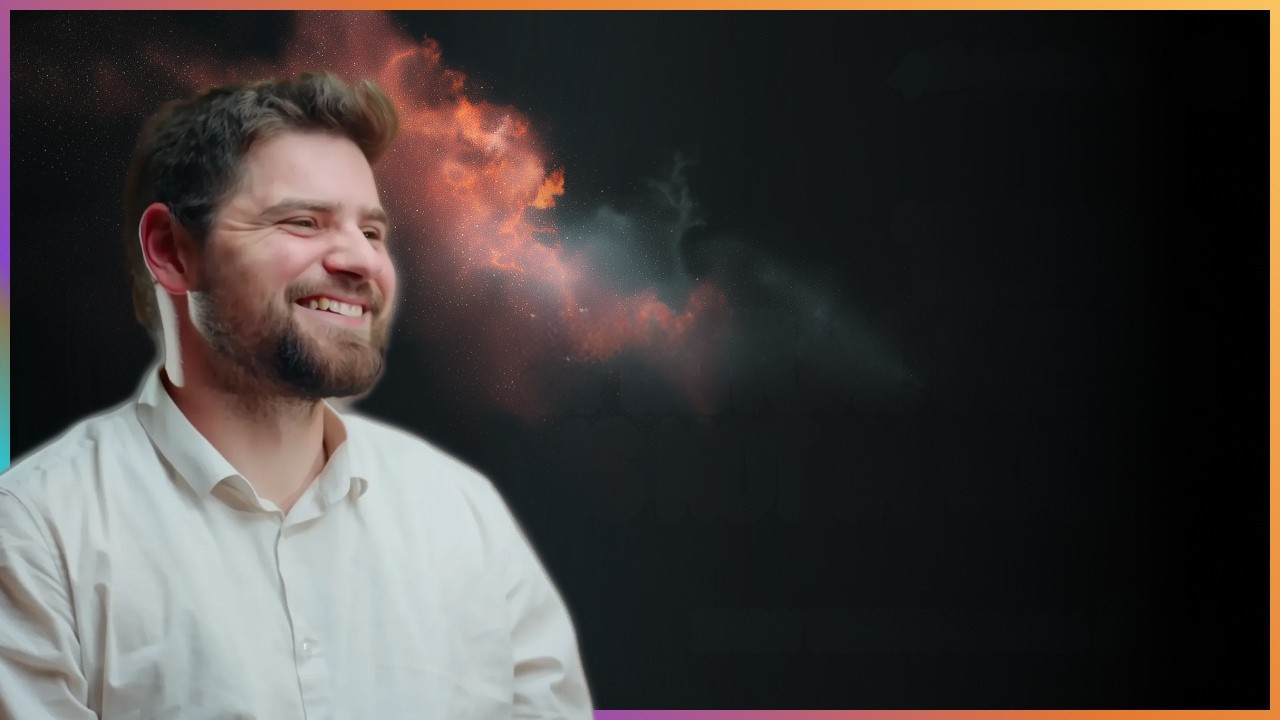
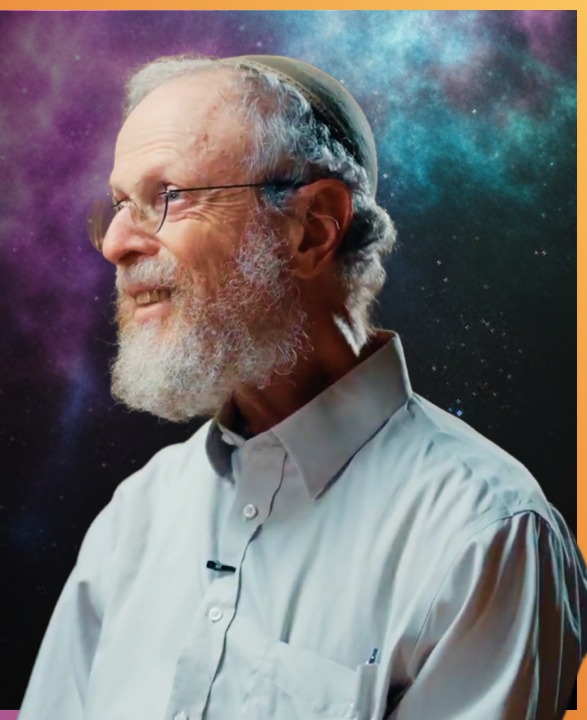
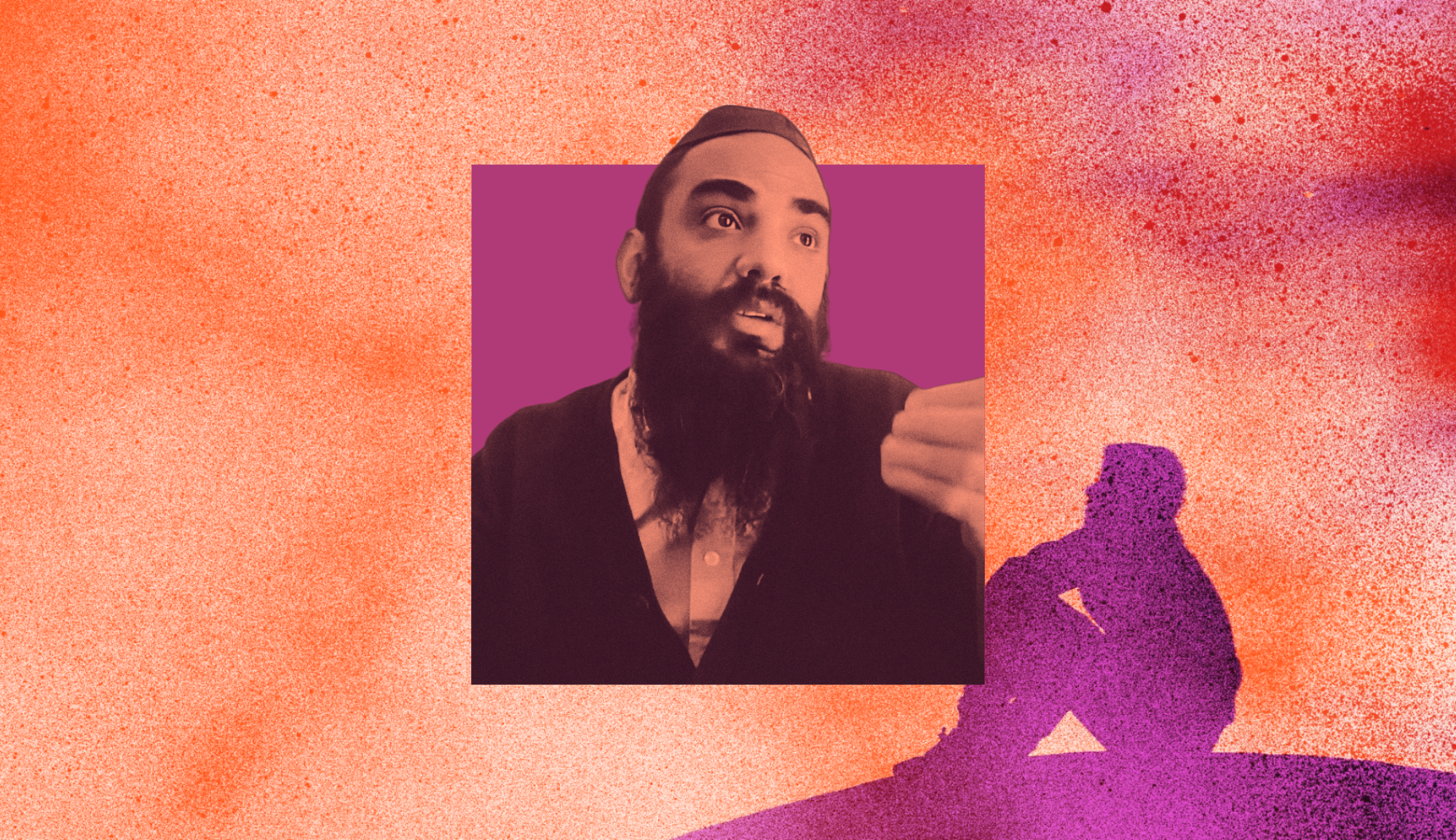
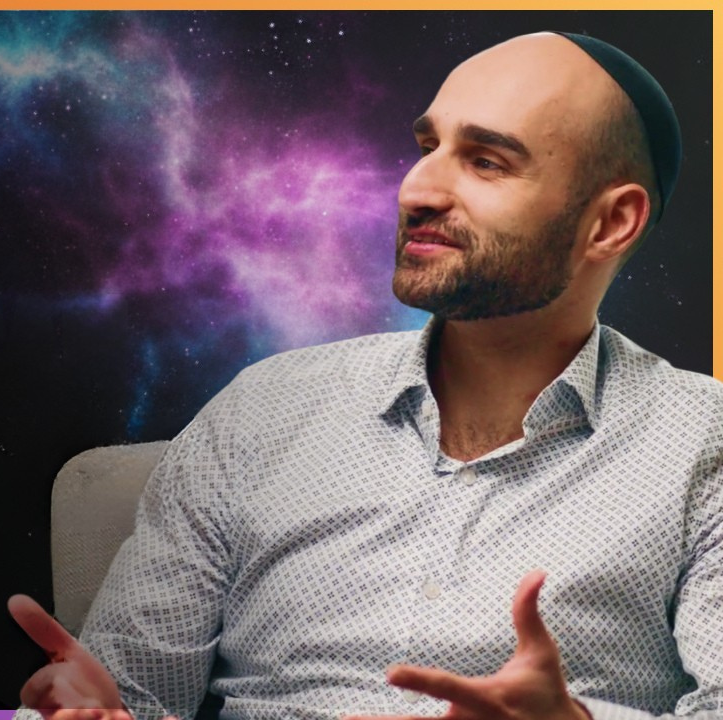
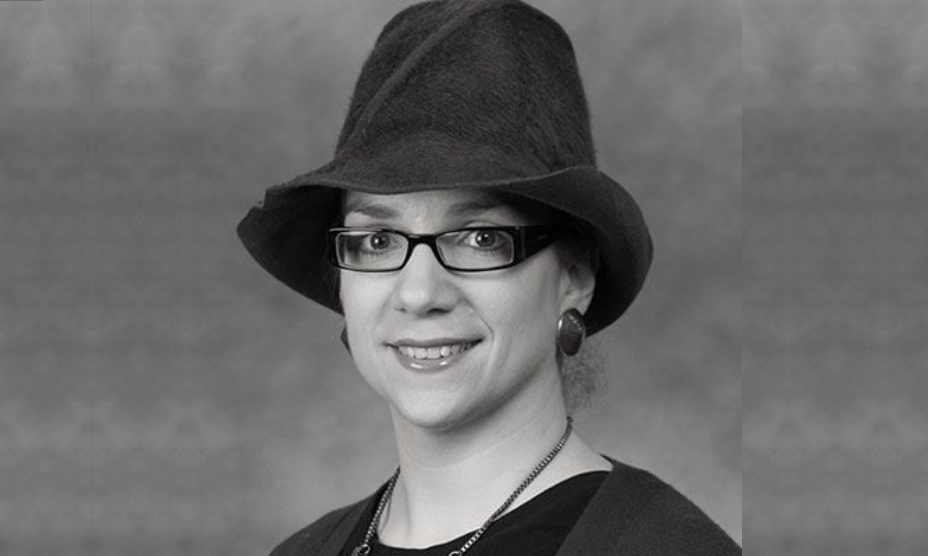
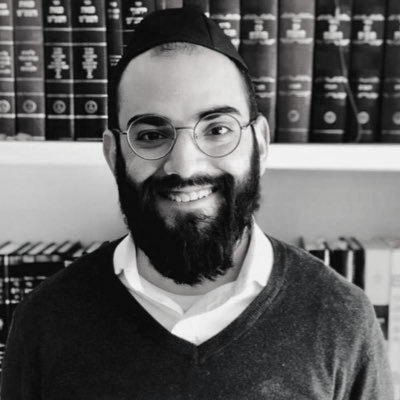
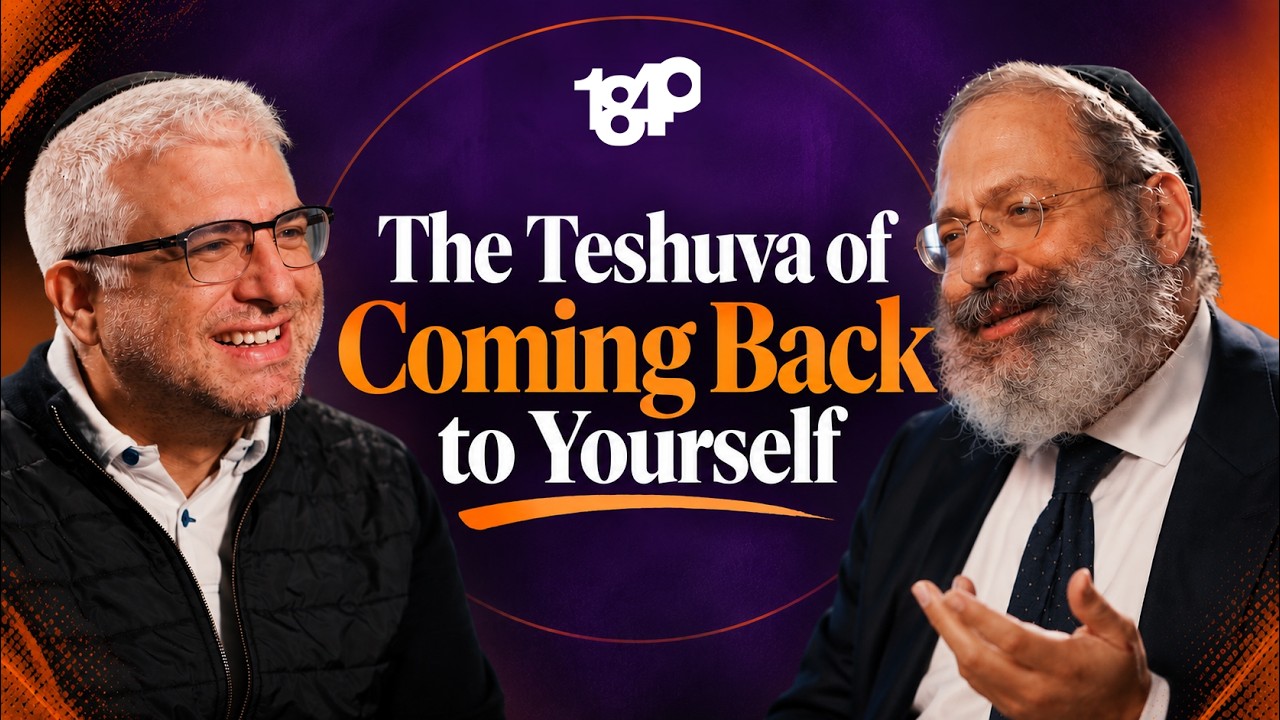
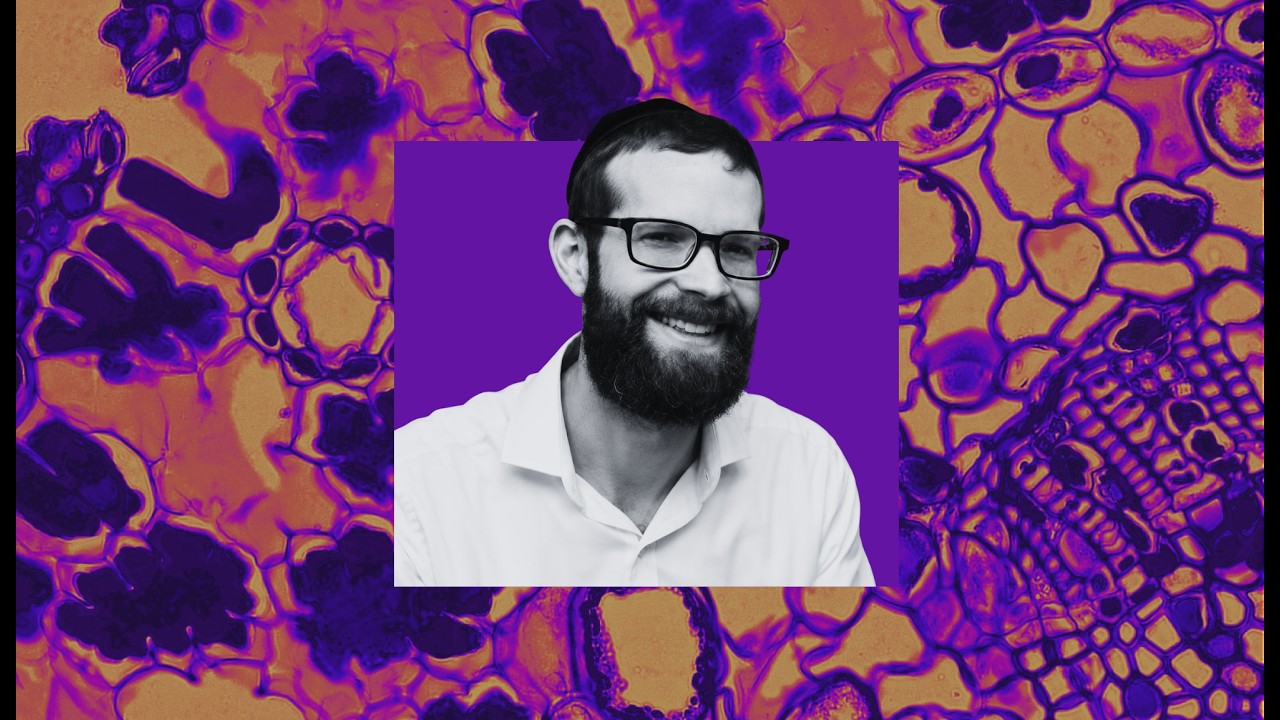
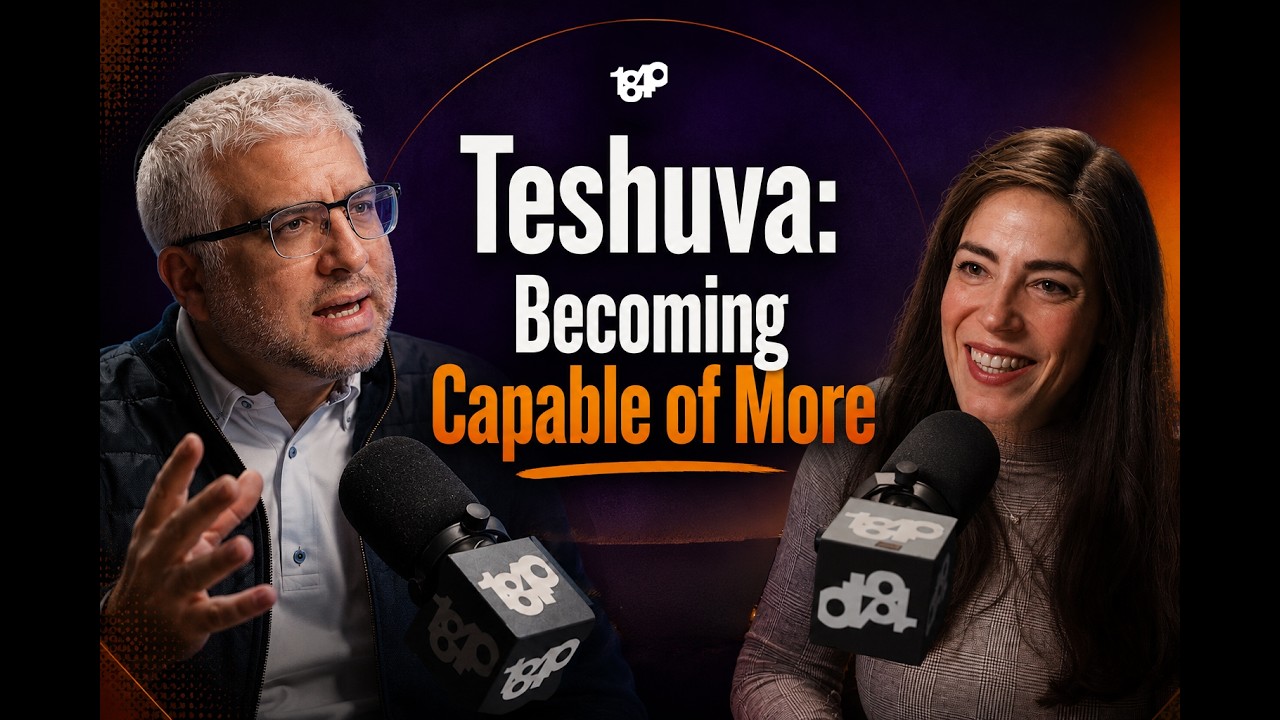
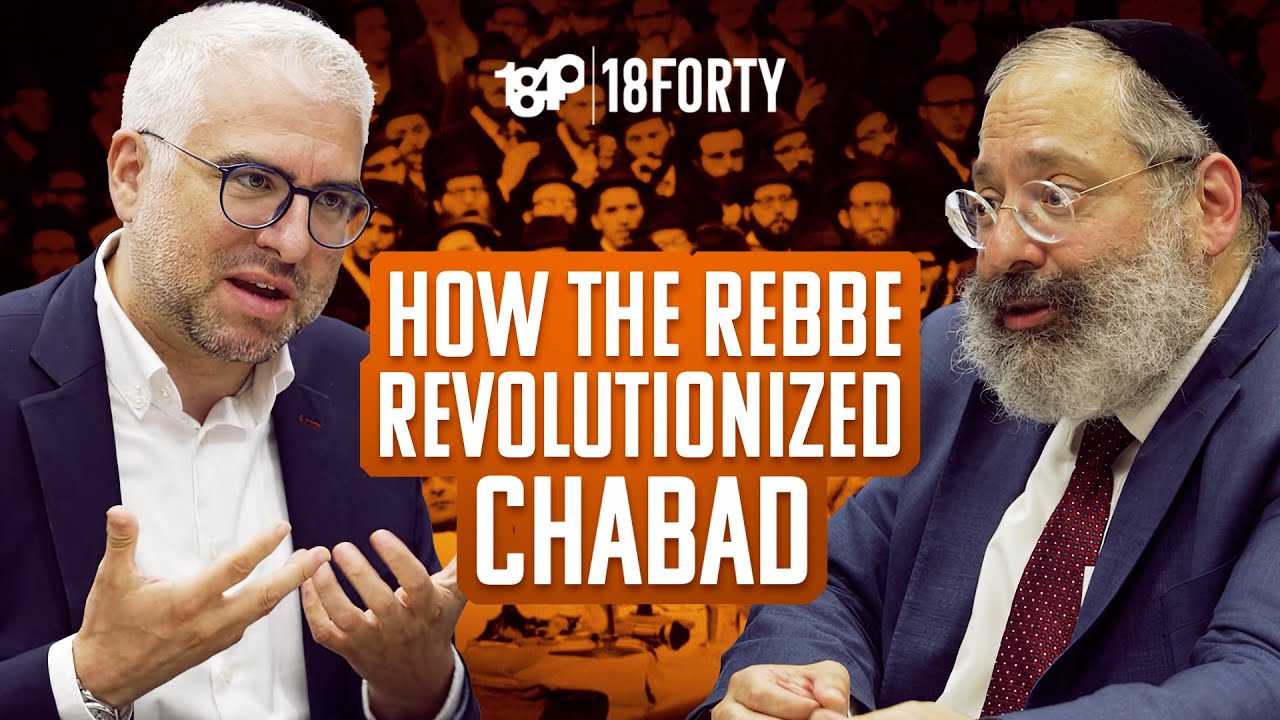
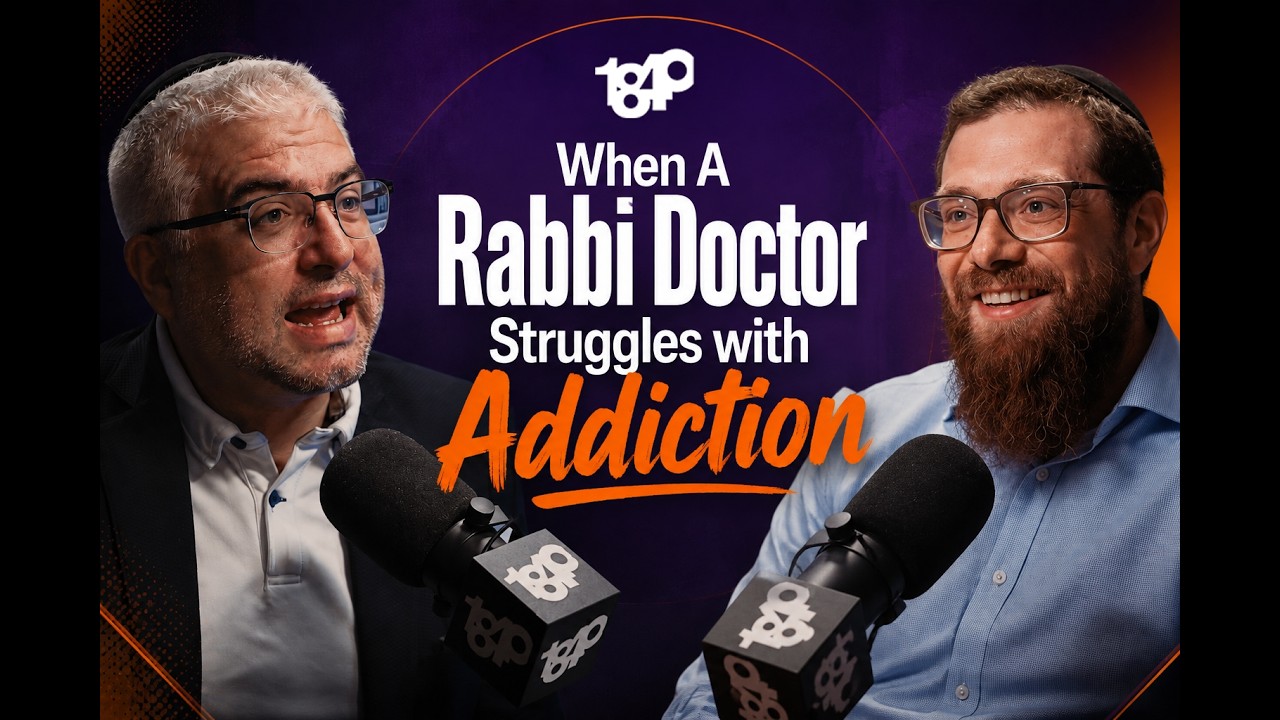
RABBI DR BENJI LEVY. Rabbi Jeremy Tibbetts, it is such a privilege and pleasure to be sitting with you here in the heart of Jerusalem, the co-director of the OU-JLIC Jerusalem, founding one, an amazing teacher, scholar, a personal teacher of mine in these mystical journeys, and now we’re sharing a conversation together. Thanks so much for joining us.
RABBI JEREMY TIBBETTS. Baruch Hashem, what a zechut [honor]. Thanks for having me.
LEVY. It’s great to be here. So, let’s start at the beginning. What is Jewish mysticism?
TIBBETTS. Well, starting with the good questions at the beginning. Jewish mysticism, as I like to think of it, Pnimiyut HaTorah [inner dimensions of Torah], it’s really about turning inwards. So much of Pnimiyut HaTorah is about finding the deep spiritual rules of Judaism.
There are so many elements that are important for living a Jewish life. Jewish ritual, Jewish law, Jewish belief. A lot of Pnimiyut HaTorah, the internality of Torah, another name for Jewish mysticism, is about turning inwards, not only as an individual but trying to find the inner heart of Jewish faith.
LEVY. And so, how were you introduced to this inner heart? How did your journey begin?
TIBBETTS. Yeah, it’s funny. You look back and it was all on purpose, but in the moment there were struggles. I didn’t grow up in an Orthodox household or family like that, but I had a Jewish education and I was always very connected to Jewish learning and to Torah. And as part of that journey, I ended up coming to Israel when I was eighteen and learning in a yeshiva, an institution of learning. And for the first time I was exposed to Chasidut [Hasidism].
I didn’t know what I was getting into. I just was in a chavruta, a study partnership, studying together with a teacher, and it changed my life. There was something deeply healing about the Torah, therapeutic about the Torah, inspiring about the Torah. And really from that first exposure, that’s what I left Israel and went to college with, and where I started to first invest really deeply in learning these mystical teachings was through that.
That was about ten years ago and since then it’s really become a central core part of who I am, where my soul is from, and what I have to share with the world. So it started with these Hasidic teachings, and after four or five years of that I was looking for more from them. I was looking to understand them in a deeper way and that brought me really into the learning and study of Kabbala, of the sort of core Jewish mystical teachings.
LEVY. Amazing. I mean, at the time of releasing this, you’ve hopefully just finished all of Kitvei HaAri, all of the writings of the Arizal, and you’ve really studied so many of the canons and you’re my youngest guest on the show. How did you do that? How in one decade have you gone on that journey and stayed grounded and really been through these teachings?
TIBBETTS. I think the first thing that comes to mind is a little universal. So many of us have the chance to find our piece of Torah that really speaks to us. The Torah is filled with different genres, different types of teachings, different teachers.
I call it luck sometimes, but really it’s the divine hand guiding it. I was really lucky at a young age to find my area, to find my piece of Torah that really speaks to me, speaks to my soul, and lets me connect to Torah in that deep way. When you find it, there’s nothing like it. I mean, the rest of the journey happens for you.
That’s one piece I would say, the more universal piece. Specifically with these teachings, I had really, really great teachers. They call it Kabbala. It means receiving, because you’re meant to receive it from somebody, to be part of a chain of transmission.
I was very lucky to be put in exactly the right places to find the people I needed to learn from, who really put me on my feet and who were the type of people I needed: people who told me these are the foundations, these are the important pieces. It’s on you now to do the reading, to fill it in for yourself. Everyone has a different sort of need of how they have to learn it. For me, that was really the right path.
LEVY. So in an ideal world, would all Jews be mystics?
TIBBETTS. Such good questions. I’m not sure that these teachings have to be for everybody. Sometimes people get really into this sort of genre of Torah, into Pnimiyut [inner dimensions of Torah], and they start to feel like everybody has to be into this. It’s because we love it. It’s because it’s who we are, and so we want to share it with the whole world. And a huge element of Pnimiyut is sharing what you have as well.
That being said, it doesn’t have to be for everybody. I think it gets, sometimes, a bad rap. Sometimes people imagine it as an anti-rational set of teachings. I really don’t think it’s that. It doesn’t have a logic. I really don’t think it’s that.
But for people who are looking for different genres and different things, I think that it’s totally okay not to be a Jewish mystic. I do think there is one piece of Jewish mysticism that everybody has to, in our generation especially, hold and feel, which is: all of these disparate teachings and teachers and genres of Torah are united somehow. And Jewish mysticism, Pnimiyut HaTorah [inner dimensions of Torah], is about finding that uniting point. And it’s okay if that’s not the lens through which you do it. But without that, we’re missing something as a generation, I think.
LEVY. So that uniting point ultimately emanates from the point of points, which is the source, which is God. When I say God, what does that mean?
TIBBETTS. Yeah. One of the beautiful things that I really connect to in Pnimiyut HaTorah is that it maps out different types of relationships that we have in our lives, with the people around us but also with God. There’s a way of relating to God that matches all of the names, all of the attributes, everything that the Torah is replete with in helping us understand God. All of these become whole, defined relationships through the lens of Pnimiyut HaTorah.
There is one of the things that I really find powerful about Pnimiyut HaTorah, which is the idea that one of our relationships with God is as Ein Sof, as the Infinite Being, as the being with whom we cannot really have a true relationship with as finite beings. And yet, nonetheless, that being is present everywhere, truly infinite, filling and enlivening everything.
That’s one of the relationships that, for me, has been the most fruitful and the most meaningful. And it adds a whole new layer to the other types of relationships as well. Hashem [God] is Avinu, as our Father. Hashem is Malkeinu, our King. Hashem is the God who runs the world. All of these relationships have their context, and for the kabbalists, the Ein Sof, the infinite, unbreachable understanding of God is where they all stem from, all giving a different perspective on what God is and is always becoming for us.
LEVY. So if that’s God, what He is and is always becoming, what’s the purpose of the Jewish people?
TIBBETTS. We have the best job in the world. We get to reveal that. We get to hang out with that. We get to spend our time with that Infinite Being, to work out these new relationships, to always find in an ever-changing world what’s the stable point that reveals divinity, what’s the stable point that always brings me to a higher understanding, to a deeper connection, to an expanded sense of who we are and what we do. We get to reveal that. We get to help bring that out.
LEVY. So the litmus test of any relationship is communication. The way we communicate to God is through prayer. But how does prayer actually work in the kabbalistic sense?
TIBBETTS. This is a great question also because one of the areas of Pnimiyut [inner dimensions of Torah] that gets me the most excited is the kavanot and the intentions of prayer: what it means to bring our whole selves into prayer. One of the things that can happen when a person delves into spiritual teachings is it can become about them. They can say, well, I’m trying to leave the world. I’m trying to connect to this being.
One of the things that is so powerful about Pnimiyut HaTorah, about Jewish mysticism, is that it categorically rejects that. It says your prayers matter more than that. They matter more to the world. They matter more to the future of the world. The Jewish path of prayer, from the mystical standpoint, is the simplest way we raise up what we have here. We bring it before God, before the King of Kings, before the Ein Sof. And through that process of raising things up, of bringing them in this journey upwards towards our source, we make them better. We bring back something with us that we can somehow use to better the world in a spiritual sense and even in a revealed sense. This is the fundamental underlying point of prayer in the perspective of Pnimiyut HaTorah.
As I said, one of the things I’m really interested in is these kavanot [intentions]: What are the different techniques that the kabbalists uncovered and revealed to us in order to affect those changes and to do that? There’s my favorite, there’s a nine-volume prayer book by Rabbi Shalom Sharabi, the Rashash, and it is one of the most beautiful, complex books out there in the realm of Jewish mysticism. But despite all the complexity, despite the depth and length and breadth of what he wrote, the point remains the same. We approach the source with the goal of coming back and making something better.
LEVY. So then, if that’s the goal, what is the goal of Torah study?
TIBBETTS. First of all, it’s no different. One of the powerful things about prayer is that although it may be the most expansive way that the Jewish mystics explored our ability to be intentional, to use our intention and our mind to make ourselves better, the world better, those intentions spill into everyday life.
One of the most impactful tikkunim, fixings that we can make in the world, one of the most impactful intentions that we can have according to, again, the Rashash and to his school, is just in the kavanot of eating, just in the intentions of eating, just in that basic act of sustaining our body. We connect in such a deep and basic and primal way to the source that’s always sustaining us and building us up. So there’s no one realm that is untouched by the mystics, by the kabbalists, in terms of opening up how we connect to the source through that.
Torah and Torah study, of course, as the guidebook for how the world is created, allows us so many opportunities to build a relationship with God, to understand the inner life of God as it were. There are many special kavanot and intentions that the kabbalists put out with Torah study, but the core remains the same. Through doing this, we better ourselves and ultimately better the world.
LEVY. Amazing. And do the kabbalistic teachings view men and women as the same?
TIBBETTS. One of the very important concepts to the kabbalists is masculine and feminine, zachar and nekeiva. Their interest is less in gender and how we understand gender today and more about two pieces fitting together. That’s really what I think this metaphor means for them. In their ultimate view, the teachings of Pnimiyut HaTorah [inner dimensions of Torah] are for everybody, impact everybody, and at the same time, everybody has a unique role.
LEVY. What about for both men and women, anyone really, what do you think are the main obstacles to living a more spiritual life?
TIBBETTS. If I knew the full answer, who knows what I could be doing?
LEVY. Your day job, your night job as a kabbalist; your day job is the Kabbala applied. You’re dealing with students, you’re dealing with people in their twenties, and none of us are as spiritual as we can be. What are the main obstacles to that?
TIBBETTS. Yeah, it’s a really profound question. The first thing I would say is that we’ve lost a lot of the ability to have a deep understanding of ourselves.
The Hasidic teachings emphasize this a lot, this idea that inside of us, the deepest layer of us is what you call the chelek Elokah mimaal, this divine piece as it were, not a real piece, but this divine spark in us that allows us to connect back. We’re not our clothing, we’re not our bodies, we’re not our words, we’re not our thoughts, we’re not our intentions. We’re something deeper, we’re something greater. And the less time that we have to turn inwards and reflect, the less time we have to get to know that piece of us, which is connected to that source. And it creates all kinds of spiritual traps and downfalls and perils.
I think there is a lot of pressures in the modern life: financial pressures, social pressures, societal pressures that turn us away from spiritual quest. I think that being a spiritual seeker is also not in vogue. I’m not sure that the world looks at it as something that we should all be doing, that [it is] the ideal way to spend your life. These are the things that we have to work to bring back.
LEVY. So is there a way to deal with these obstacles? How do we deal with that to become, if we want to, more spiritual beings and more connected to the Source?
TIBBETTS. One of the powerful things that the baalei sod, these masters who invested in understanding these secrets and these inner workings of Torah, thought about a lot and worked on is developing techniques that allow a person to recover some of these things.
For example, one of the more famous ones today is hitbodedut, seclusion, championed by Rabbi Nachman of Breslov but really built out by many of the different Hasidic thinkers and leaders. The idea that a person creates time where they separate from everything and reflect openly and honestly to their Creator, not just to themselves but to their Creator, and [they] worked that out and just tried to sort of discuss that. The Mussar movement also is this sort of ethical revival movement. It is replete with techniques to develop self-understanding and to a certain degree, self-mastery.
So I think some of those are really, really critical. One of the things that throughout every iteration of the schools of Jewish mysticism and Pnimiyut HaTorah is found is chabura, doing it together. A chabura, which is a chavraya, as they would say in Aramaic, having a community of seekers, of people who are supporting each other or helping each other – it’s too many pressures for us to go it alone. If we can find the people who are seeking how we are, who can complement us on our journey, who can not just be friends and not just companions but true connections for us and for our souls, it helps a lot. It has helped me a lot.
LEVY. So that’s how we take stock of and infuse our own worlds. Why did God create the world?
TIBBETTS. The Arizal gives an explicit answer to this. He says, and this is already brought down even in the pre-Lurianic mystics – the Ramak, Rabbi Moshe Cordovero, also brings this down and explains that there are things that can exist in partnership that can’t exist alone. It’s not at all that the Ein Sof, the unlimited being, is limited somehow. But it’s rather when there’s a setup where there is only the infinite without the finite, there are things that just cannot be feasibly done.
When we’re in relationships with other people, deep relationships with other people, we come to understand them sometimes in ways they don’t even understand themselves. Part of what God wanted to have revealed is these different aspects of God that without an observer, without someone to be in relationship with, nobody else knows about. And so the Arizal says this explicitly, that God created this world so that there could be beings who are lacking, [where] God can fill that lack, and who can recognize that.
On my own I can think, I can speak, I can act. But my attributes, the things that motivate me are only revealed when I’m in a relationship with somebody else. If I see somebody who’s in need and I give them something, it doesn’t matter why I did it. It reveals that there’s some desire for compassion in me, that there’s some desire for goodness in me that is only recognized when there’s an observer. That’s ultimately what gets to be revealed. All of these attributes get to be revealed through a relationship. So ultimately, what it comes down to is a world that can be in a relationship.
LEVY. And so that relationship implies that we have the capacity to think, and to connect, and to fill that void, and to tap into that deficiency. Does that mean we have free will? And if so, how does it work?
TIBBETTS. First of all, in Jewish mysticism and in Pnimiyut HaTorah [inner dimensions of Torah], whenever the answer is yes and no, you’re doing good. It’s at the horizon of logic, is where –
LEVY. I feel like a yes and no is coming here.
TIBBETTS. You caught me a little bit. It’s one of the great paradoxes, but where the philosophers become concerned about paradox, the mystics see that you’re starting to make headway.
Part of the mystical dance of life is to hold two different ends of the paradox, to move between them and to find how they indicate a greater truth. Our logic, built on Western logic, Aristotelian logic, the law of the excluded middle – you can’t have something and its opposite. The mystic sees something and its opposite and understands that beyond my logic lies the true being who exists beyond all human understanding.
So do we have free will? Absolutely. What point would there be to the world if there is no free will? At the same time, of course, we don’t have free will. Of course, you’re dealing with an Infinite Being. It’s so beyond our comprehension.
The mystics would say, rather than tying ourselves in a knot about it, to live in the in-between and to try to harness the energy that comes from going back and forth between the two extremes.
LEVY. So we’re living in between the creation of the world in its utopian Garden of Eden state and Messianic Times. What does Mashiach [the Messiah] mean?
TIBBETTS. None of us are here without a good reason. We all have a purpose to serve. One of the deeply powerful things that Pnimiyut HaTorah teaches, and that I connect with it, is that the story is never done. You’re dealing with infinities. You’re dealing with things far bigger than anything we can comprehend.
Sometimes we imagine Mashiach [the Messiah] is the end of the story, and that’s a totally sound belief. I don’t have any qualms with that belief. But one of the things that the masters of sod [secret/mystical meaning], subscribe to and bring out is that it’s a never-ending story. It’s always growing deeper.
We could look at that and feel cynical. It never ends. We can’t get off of this merry-go-round. It just keeps going around. But I think there’s something deeply powerful to it, which I find optimistic. We always have [space] to grow. We always have the ability to deepen this relationship.
I think that the kabbalists and the mystics are clear. There is going to be a Messianic Era. But it won’t be done. It won’t be the end of the story. There is always more to do. There’s always a deeper way that we can build this relationship with this infinite thing, with this infinite existence.
LEVY. So how will it look different to now? Both of them were trying to go further. But is there a tangible difference in the Messianic Era?
TIBBETTS. First of all, none of us truly know. I don’t really know. I think there will still be the laws of physics, I assume. I don’t know all of it or all the answers.
When I think about what will be in Yemot HaMashiach, the Messianic Era, the change may not be in what you call kamut. It may not be in quantity. The world itself may not look so different. But it will be different in eichut, in quality. Meaning the relationships will be deeper. The connections will be deeper. The meaning will feel more present.
And that’s part of what is so powerful about this idea of there still being work, of there still being [something] to do. Because imagine what we could do if we didn’t have these struggles, if we didn’t have as many of these challenges. And there still will be [something] to do. But to be supercharged in that way, that’s what I think of Mashiach as ultimately this supercharging of us internally as opposed to what happens in the outside world. We’ll find out, I guess, when we get there.
LEVY. So where does the State of Israel fit into this? Is it part of the final redemption?
TIBBETTS. We’ve lived here for three years. Every day here is the craziest blessing. It’s not obvious. It’s not always easy. This year has not been easy. These years have not been easy. But to be in this place, to be working on this project, there’s nothing like it. That I can say for sure.
I don’t see the resolution to the story that isn’t built here, centered here, happening here. That’s part of how we ended up here.
LEVY. Amazing. So what is the greatest challenge the world is facing today?
TIBBETTS. To think on the scale of the world is hard but important. I’m thinking more and more about a lack of hope as one of the most basic fundamental human needs [that we need] to make change. There’s so much in the world to change. And if we don’t have the belief, the simple faith and hope that we can be part of the change, we resign ourselves to ruin.
One of the powerful things about so many of these teachings in Pnimiyut is that they offer hope. [From] the Arizal, one of the most foundational concepts that today has reached many corners of our world and influenced broader culture, even in its own way, is this idea of shevira, that the world is built on brokenness, that the world began with brokenness. We’re born into a broken world and we find that we ourselves are also broken in that world.
A person could resign themselves to that fate. They could look anywhere else around them for somebody who can come and fix them. And the kabbalists give a different answer, which is: You have the awesome power to be the mover of your own fixing, of your own healing, of your own growth. These are teachings that have sustained generations.
There are academics who see the emergence in some ways of many of these teachings of Pnimiyut HaTorah as responding, revealing these ideas in response to the tragedies that Jews were undergoing over the generations. And the need to restore hope, to keep hope alive. Without hope we’d have no chance. With hope we have a chance at least.
LEVY. It’s so interesting these two questions come together in that you see that this place, this time, must be a project that we’re all part of: to hasten the redemption, and that hope sits at the center. And somehow, you know, the anthem of this place is “Hatikva,” is the hope, which shows the journey that we need to be going on. And we’re not fully there. But these times are different.
How has modernity changed Jewish mysticism or changed the way we relate to it?
TIBBETTS. I can say for me, I feel so lucky that I was born when I was born and live in the world that I live in. So many of the mystics whom we know about, we know about them because they were not only there to reveal those teachings and they had their unique contribution to the mosaic of Pnimiyut HaTorah, but they also had people who were ready to learn with them, to sit with them, to record, to pass on those teachings and make sure that they were codified. Who knows how many mystics we didn’t meet or hear about because they didn’t have an audience. They didn’t have anyone helping them write, helping them teach, helping their teachings get out.
I think all the time about how without access to people who are out there in the world, just to be connected to people through the Internet, for example, I don’t know if I would have ever been able to learn any of this stuff. I think one of the things that it has done is opened up the ability of people who want this to find it. It didn’t used to be that way. It used to be, you had to be born into the right place or find the right teacher and all that was contingent on being able to have freedom of movement to go where you wanted to go.
One of the challenges on the flip side that modernity presents to Jewish mysticism is skepticism to religion in general. One of the stats that I think about a lot is that although people are shying away a lot from institutionalized religion, many of the people who are doing so still have some kind of spiritual belief, belief in God, spiritual practice. Pnimiyut HaTorah is homegrown. It works in the context and lens of Torah.
And so sometimes when you separate that out from the rest of Jewish tradition, it becomes something that to me feels unrecognizable. For me, the more the teachings bring me into learning Torah, into Kol HaTorah Kula [the entire Torah], the more I find that I’m on the right path.
LEVY. So you talk about this homegrown nature of it, indigenous specifically, within the Jewish tradition. How do we differentiate that from other mystical teachings, from other mystical traditions, religions, cultures? Is there something unique about Jewish mysticism?
TIBBETTS. Yeah, I think about this a lot. This is a great question. There are academics who write about these kinds of things. Moshe Idel writes, you don’t see, really, any other mystical traditions that work so much with particulars. There are so many universal ideas in religion in general and in the way that a human being as a human being creates a space for spirituality in their lives.
But one of the things that is definitely unique about Jewish mysticism is how much we work with the details, the pratim. It’s true of Jewish tradition in a broader sense. There’s a halacha, a Jewish ruling, for everything. Two Jews, three opinions, we say.
And so I think one of the things Jewish mysticism does very powerfully is, rather than taking us to some abstract place outside of the world, it always directs us back into the particulars of the world. We have concepts in Jewish mysticism like deveikut, cleaving to Hashem [God] somehow, maintaining and cultivating a direct connection to Hashem. Receiving shefa [abundance]: having this divine flow, this spiritual flow that enters you and changes who you are. One of the names for the spiritual energy that the kabbalists give is mochin, consciousness. It’s a new consciousness.
But all of these bring us back into the particulars of our life. If a person is sitting and they’re trying to be in deveikut [cleaving to God] all the time and it’s not deepening their relationships with their family, with their friends, the way that they conduct themselves in the workplace, they’ve missed the boat. And one of the powerful things about Jewish mysticism is that it has never turned away from those particulars.
And that’s true in how the techniques are structured. It’s true in how the worldview is structured. And it’s true in how the ultimate purpose of it is structured. To bring us back into this world, to do something in this world, within the particularism even though we have this source, this universal singular source, to work in the details and in the multiplicity.
LEVY. As you alluded to, the particulars are expressed through Jewish law, through halacha. Can one that doesn’t practice the Jewish laws, i.e. may not be classified as religious, also access, learn Jewish mysticism?
TIBBETTS. There are a lot of people who are scared of that. And I think we miss many of the points of the kabbalists and the mystics if we’re not finding a way to engage these other elements of Torah. This is what they were working with. This was their material. They didn’t believe that they had some secret teaching that was separate from everything else. They saw that what they were doing was animating, was the inner heart of all of these other branches of the Torah. And so to separate it out means that you cut off the ability to sort of grasp the full message in many ways.
There’s definitely something universal about these teachings though. There’s definitely something that, of course, a person can grasp onto. But to develop a true core understanding, it can’t be separated out or strained out.
LEVY. And can mysticism be dangerous?
TIBBETTS. Anything with the potential to do good can be dangerous. Anything with the potential to create can be dangerous.
LEVY. How does it apply with Jewish mysticism?
TIBBETTS. We can imagine people who learn this Torah, who connect to these ideas and bring them to a place of arrogance, of self-centeredness, or it brings them to a place of indifference to the going-ons of the world, to the happenings of the world. We can imagine a person who learns these teachings and decides, you know, I’m going to create some kind of cult or some kind of cult of personality.
I think we’re a generation of seekers. I think I was born into a generation of seekers. We’re looking for the deep questions, the deep whys, the deep meanings. And that’s one of the things that Pnimiyut HaTorah [inner dimensions of Torah] leads with, is trying to give those deep answers to those deep questions. But if there’s not a structure of what to do with that, there’s a risk that you undertake.
That’s part of going back to what we were saying before. Not doing it alone. Having a teacher and having a chabura, having a group of people who are around you to support you. Through those, if you’re learning with somebody who has already been there, and if you’re learning with people who also want to be growing in the way that you want to be growing, you set up, I think, the most important safeguards. [You] prevent yourself from lapsing into some kind of self-centeredness or ego-drivenness or indifference to the world, which is also not true to the teachings themselves.
LEVY. So you said that one of the unique elements of Jewish mysticism is how it’s rooted and anchored in the here and now. Let’s be very practical in a personal way. Your own relationships with your wife, with your parents, with your friends, with your students, with your kids. How is this Jewish mysticism expressed in your own personal relationships?
TIBBETTS. This is the most important question. I mean, you asked many important questions, but this is the most important question. If Jewish mysticism lays the groundwork for an encounter with a bigger source, the work is to bring that encounter out. It’s to bring it into our lives.
Some of us may know this story. You’re sitting, you’re reading, you’re into what you’re learning, your wife calls out and she asks you for a favor. Can you go upstairs? Can you go do this thing? Change the laundry, whatever it is. One response you can have is, I’m having such a good learning moment. I can’t believe I’m being taken out of it. This is not true to the teachings, right? In the teachings’ view, nothing is stam, nothing is coincidence. And in your relationships is where the real work happens. The real deveikut that I have, the real cleaving connection to Hashem [God] that I have is that I get to help my wife with something that she needs help with.
To sit across from somebody who is telling you about their life. I have a lot of coffee dates in my job. I get to meet a lot of really, really awesome people. To sit with them and to hear from them, to hear what motivates them and makes them tick and to understand there is something Godly in this person. There is something about the divine that is revealed through this person. And to see that in them, not just who they are and who they believe they are, but to see that core piece of them changes everything. It changes how we relate to people. It changes how I relate to people. It changes how I treat people. It changes how I try to prioritize people in my life. It allows me to be my best me because my encounters are always the deepest encounters.
You have to work on yourself – avoda pnimit [inner work]. It’s Pnimiyut HaTorah, because you have to look inward. How do I become better? How do I become a better listener? How do I become a better observer? If these are the questions that the teachings are taking you to, you’ve really gotten it.
The Arizal writes that if you are going to pray, it has to be with people who you know, who you care about in the ideal, and with people that you know what they’re going through and their struggles. That’s the important kavana [intention]. That’s how he starts the book about kavanot [intentions]. All of the techniques are important as long as they’re helping us come back to that. That core question, how am I deepening these relationships and revealing the divine within these relationships, bringing those pieces back from my encounters in the spiritual realms into these relationships.
LEVY. It’s really important because often people think of mystical teachings as out there, but really their expression, their application is really in here. It is in the day-to-day. It is in the interactions we have and it’s how we apply it.
TIBBETTS. Right.
LEVY. So we’ve talked about the applications of the teachings. I’ve asked you questions about the teachings. I’d love to end just with one teaching. Can you share with us one powerful Pnimiyut HaTorah, one powerful Jewish mystical teaching that inspires you or that you’ve thought about recently?
TIBBETTS. Yes. So like I mentioned, what I connect to the most and really engenders my view of the world is the Rashash, Rabbi Shalom Sharabi. His writings are really in code. It’s very difficult, but the decoding is my favorite part, so that’s what motivates and excites me.
One of the amazing teachings that he offers is he lays out the structures of the world and of the spiritual realms, right? The mystics generally have a doctrine of five major spiritual worlds stacked on top of each other. And most of his work, this work called Rehovot HaNahar, is really just trying to show you how infinitely layered all of these worlds are. And every time you zoom in on one piece, you find the whole picture once again. And as he’s describing it over and over, it starts to feel all of a sudden like maybe you can’t make any headway. I mean, if there’s infinite rungs to the ladder between me and Hashem, how do I climb the ladder?
And so he introduces this unbelievable idea, what he [once] calls hitkalut vehitkashrut, that the worlds come together and are tied together. Without getting into the mechanisms and the details, he says the ultimate result is that the worlds reorganize. And rather than being stacked on top of each other, they become interlayered with each other. And so any of these spiritual experiences that you have, any of these new relationships that you cultivate, any of these life-changing moments that you have in relation to Pnimiyut HaTorah [inner dimensions of Torah], it’s not only that they don’t take you out of the world, but they become fully integrated in your experience. The highest you’ve ever been is brought down through your work, through your service, through your avoda into the lowest point.
To me, it’s such a foundational teaching because it’s hard in this physical world to feel like spirituality can really be found. I feel that sometimes, and that’s part of what turns me to these teachings. There’s such a powerful hope. And the techniques, as well, are amazing, but such a powerful hope [is] in the idea that when you do your work right, it’s not about ascending out of this world but it’s about pulling those deepest and highest pieces, those truly infinite moments, those moments where everything fits, where everything makes sense, down into our world.
What it means for us is that our world was ready to be spiritual. It was ready to be deeper. It was ready to be infinite. It wasn’t our job to build it that way as much as it was our job to reveal it that way.
LEVY. The profundity of that is that really the lowest points have the potential for the highest experience.
TIBBETTS. Yes.
LEVY. And that’s really a revolutionary, radical idea.
And I think what I’ve seen with you, what I’ve known you as, is someone that really does that. In those coffee dates, in the day-to-day, with your children, with your wife, with everyone you encounter, it’s been a real privilege to share this conversation together with the world. And I hope we get to share many more things together in the future. And as we learn and grow, we give you a blessing that if in one decade you’ve been able to basically take something so high into so many low points, that you’re able to just grow higher and higher through connecting lower and lower and really bring the ultimate unity, which is Jewish mysticism, at its center.
Thank you so much.
TIBBETTS. Thanks.