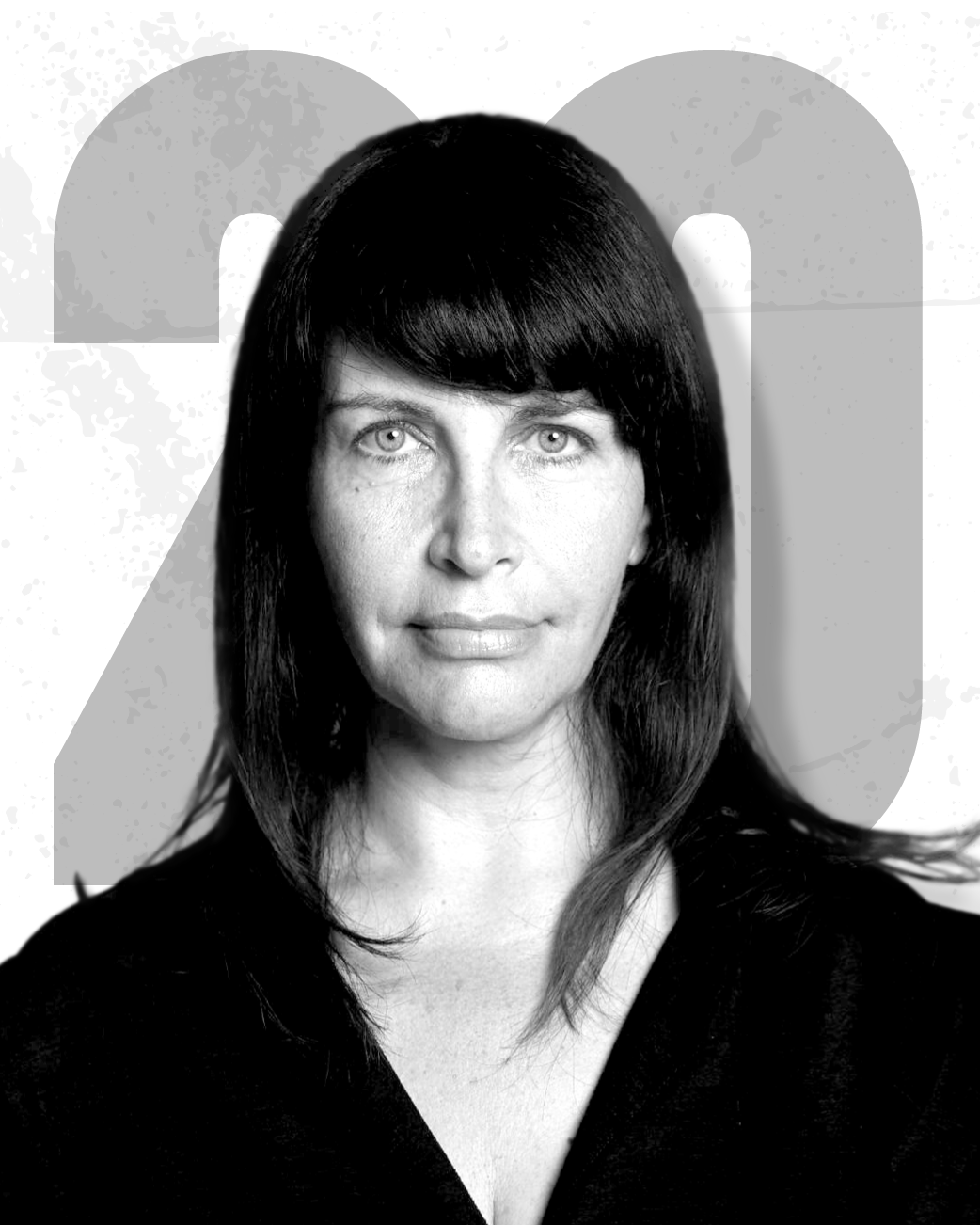
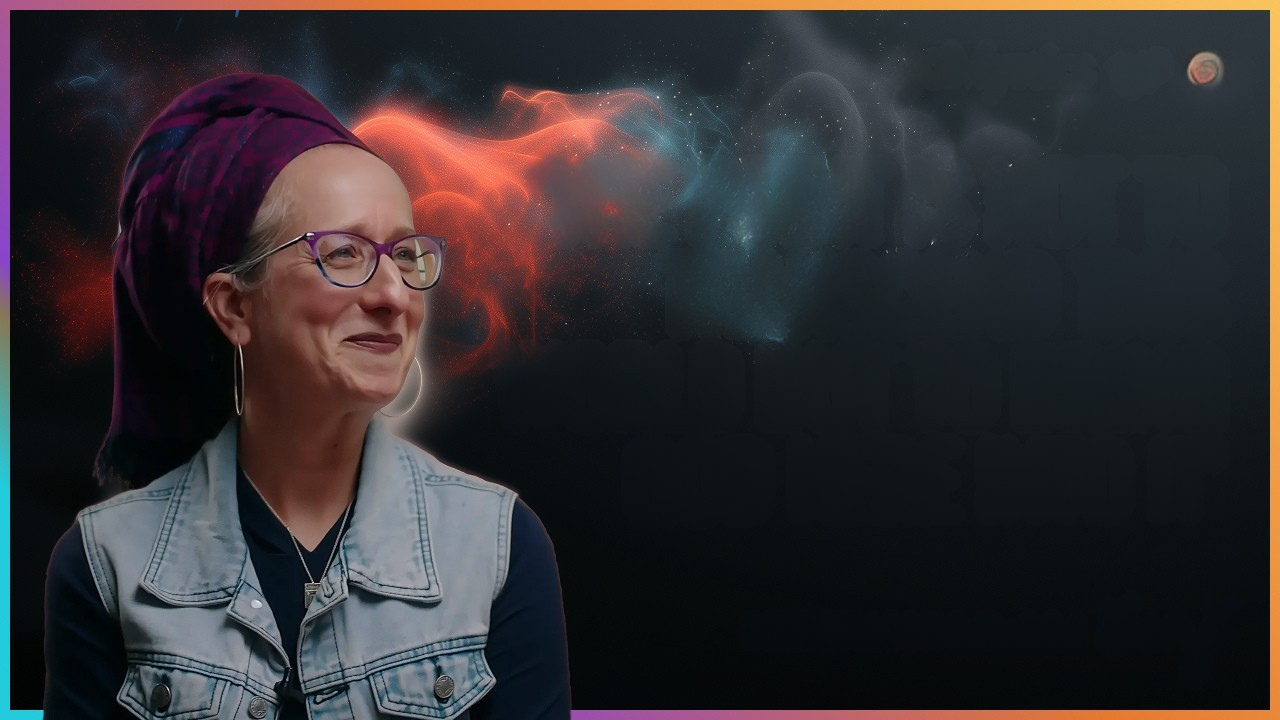
Dina Etigson answers eighteen questions on Jewish mysticism, including God’s greater goals for the Jewish People.
This podcast is in partnership with Rabbi Benji Levy and Share. Learn more at 40mystics.com.
For Dina Etigson, encountering Jewish Mysticism has been a transformative experience. Beyond the academic and textual Judaism she already knew and loved, she describes the experience as entering “a different dimension,” where spirituality and intellectualism blends.
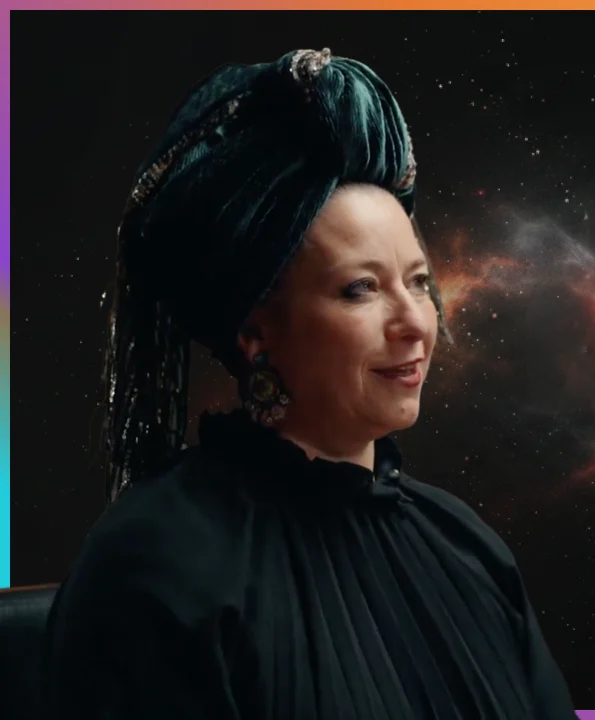
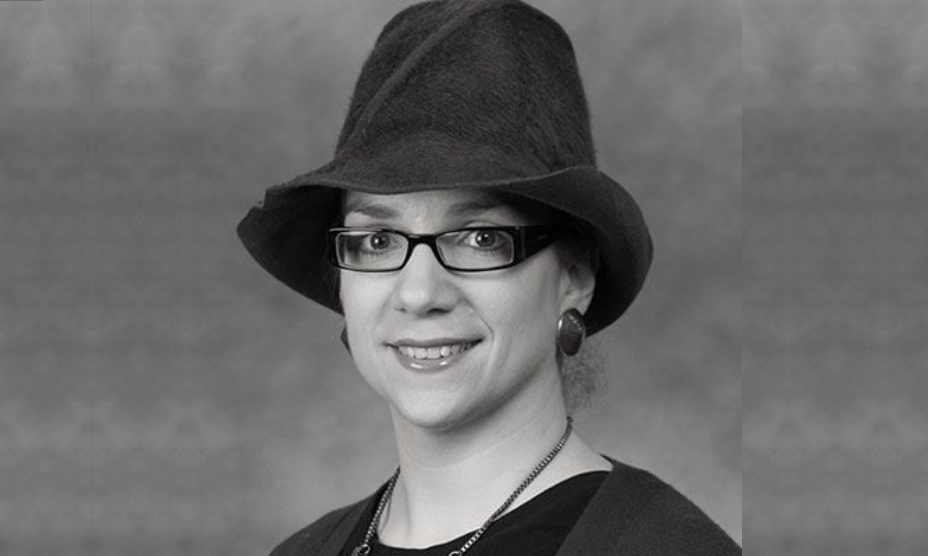
Dina Etigson is a teacher and a thinker in Israel.
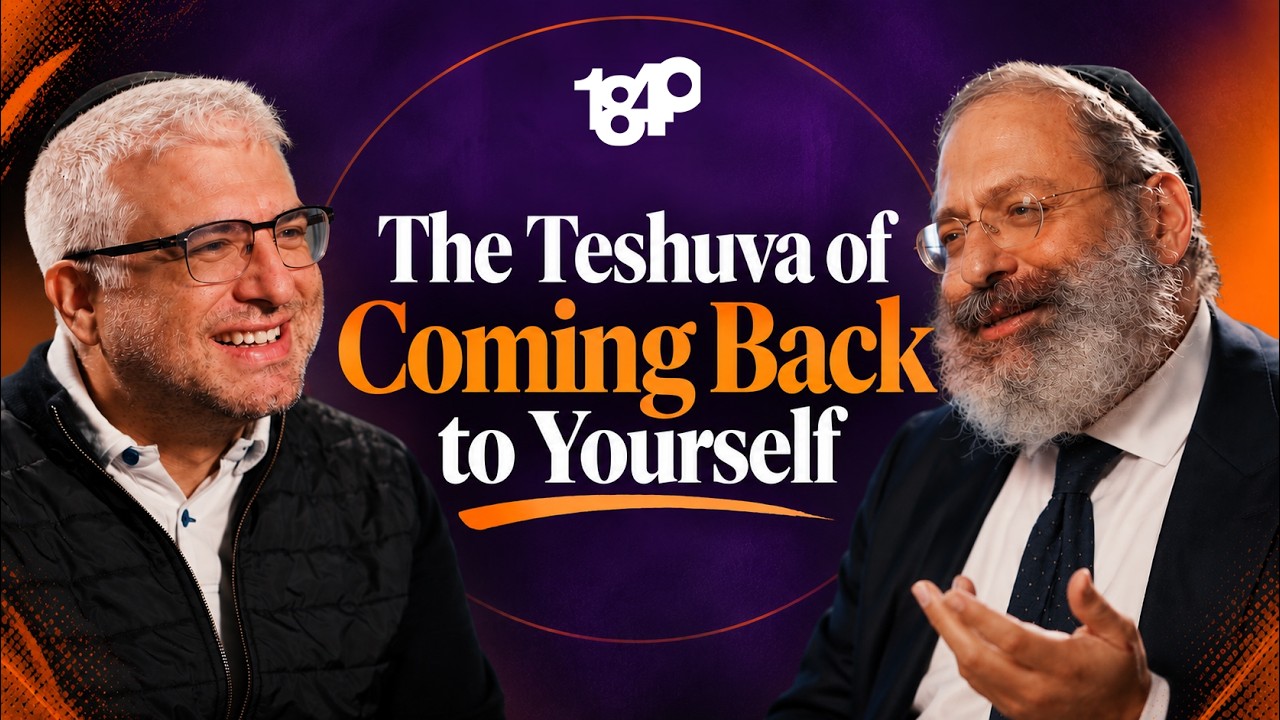
Now, she sits down with Rabbi Dr. Benji Levy to answer eighteen questions on Jewish mysticism and discuss the balance of taking and receiving from God, God’s greater goals for the Jewish People’s existence, and how we can reframe our mindsets to better connect with Him.
RABBI DR. BENJI LEVY. Dina Etigson, it’s such a privilege and pleasure to have you here in Jerusalem. You teach in seminaries across Israel, you run these phenomenal Torah healing workshops. Thank you for coming in.
DINA ETIGSON. Thank you so much for having me.
LEVY. So what is Jewish mysticism?
ETIGSON. Well, let’s take the Hebrew word, right? Kabbala [reception], which means to receive. So for me, I think it just means to receive the goodness that we get from God, from Hashem. And sometimes it’s not so easy. I think sometimes we limit the goodness that we can receive from Hashem. Sometimes we want something and we don’t realize that what Hashem wants for us is that much greater and just to open ourselves up to receive what Hashem wants to give us. And also to learn the delicate art of the difference between wanting and taking and receiving. Yeah, receiving the good from Hashem is what it’s all about. And it’s hard because we also have to learn how to turn ourselves into a vessel that can be worthy of receiving that goodness, and I think that’s where the harder part of the work comes in, really, to transform ourselves to receive God’s goodness.
LEVY. So how were you introduced to Jewish mysticism?
ETIGSON. This is actually a very funny story. I think it’s funny. So I had lived in Katamon, which is a neighborhood in Israel, and then I had moved to Nachlaot, which is this more kind of – a lot of diverse people live there, hippies and different types of streams of Judaism. And I walked into this class, and I had come from an environment where my connection to Judaism was always very academic. And so I came in with my pen and paper, ready to take notes. And I walk into this room. Actually, I don’t know if you know the Brotts who live in Jerusalem? And Rabbi Brott was teaching, and he was teaching really deep ideas. And I’m sitting there and I’m listening, and I’m realizing that this is a whole new territory. It’s not the textual Judaism that I’ve come to know and love, but this is something different. And it’s sparking my soul. It’s really exciting, but I know that I’m not really getting it to the depth that I could. Anyway, at some point, as I’m sitting and kind of taking notes – I was single at the time – and I realized, wait, I haven’t even looked around to see if my soulmate is here or whatever. So, at some point I look around and I see nobody else is taking notes. And everybody is sitting in the room, and most of the people are doing this, literally:
[Deep breathing sounds]
And I’m thinking, what is going on here? And I’m watching what’s going on. I’m still taking my notes, and I keep looking around and nobody’s really taking any notes. And then I realized that I had just entered a different dimension, that what was going on here is that I’m used to learning to stimulate my intellect. That’s not why they were learning. They were learning because they were taking in these ideas and they were seeing where it hit them and how it could transform them and who they could become. And that changed everything for me. And then I really got more heavily involved in learning the inner dimensions of Torah.
LEVY. Phenomenal. And do you grapple between the cerebral, the intellectual, and that capacity to receive? Do you vacillate between the two, or do you try to do both?
ETIGSON. I think that the inner dimension of the Torah is so deep and it also stimulates the intellect as well. So no, not at all. I feel like one just balances the other so beautifully.
LEVY. So in an ideal world, would all Jews be mystics?
ETIGSON. If we look at the way that the Baal Shem Tov [Rabbi Israel Baal Shem Tov] talks about what it means to be a mystic is to do something called yichudim [unifications], which means basically putting spirituality into the physical world, absolutely. Meaning, absolutely, we should all be mystics. One hundred percent.
LEVY. What do you think about when you think about God?
ETIGSON. When I think about God, I think about an ever-present, loving experience. Meaning an experience of feeling God surrounding me and within me at the same time. You know, it’s interesting because one of the classic ways that we refer to God, right, is with these letters yud and hey and vav and hey. And when God first appears to Moshe, to Moses, He says to him, “My name is I will be what I will be,” right? And later on, one of the commentators explains that it means: I will be with you. And I think about that, Hashem being with us. And perhaps even if you look – if you know the tenses in in Hebrew – it works out really well that God refers to Himself in the first-person tense, which begins with that letter alef: “Eheyeh asher eheyeh,” I will be what I will be. And when we refer to Him, we use the third tense, which starts with a yud, which is that word for God, which is yud and hey and vav and hey. And so perhaps that is really the main essence of His name, I will be with you. I think that that’s how I understand God in this world.
LEVY. Meaning we describe Him in third person, but He describes Himself in first.
ETIGSON. As in: I’m with you, and: Oh, He is with us.
LEVY. Beautiful.
ETIGSON. That’s how we say His name. Yeah. The Rashbam says that.
LEVY. Beautiful. And what’s the purpose of the Jewish people?
ETIGSON. So in the Bible, the Jewish people are called a “mamlechet kohanim,” a kingdom of priests, and a “goy kadosh,” a holy nation. And so what’s the job of the priest? What’s the job of the kohen [priest], in Hebrew? It’s to be the connector between the Jewish people and God. And I think our role is to be the connector between the rest of the world and God. And as a matter of fact, Rabbi Kook [Rabbi Abraham Isaac HaKohen Kook] says something so beautiful. He says that if a Jewish person feels that they feel any hatred towards somebody specifically who’s not Jewish, it’s a sign that their Jewish soul has not been purified enough. Meaning, it’s so intrinsic to what it means to be a Jewish person that our job is to connect the rest of the world with God that there is no room for any kind of hatred or negativity, which I think is a really profound idea. Really, really beautiful.
LEVY. Beautiful. And how does prayer work?
ETIGSON. Prayer, ideally, should be experiencing an encounter with God. And for many years I actually struggled with prayer. I’m somebody who likes to do a lot of things really, really quickly and prayer you have to be present. And I was never really successful and I was a zoom davener [prayer], right? I just liked to pray really, really quickly until I realized it’s an encounter with God. And a few weeks ago I changed my whole preparation for prayer. I spend the morning in meditation, I spend ten minutes doing meditation and then a few minutes doing something called hitbodedut [personal prayer], which is personal prayer and talking to God, and then learning a little bit about different aspects of prayer, and then actually praying. And now I, literally a couple of nights ago before I went to sleep, was thinking to myself, I’m excited to pray for tomorrow, which is something that for twenty years I don’t think I ever would have had a thought like that. So I think prayer works when you really prepare and recognize that it’s an encounter, a living, breathing encounter with God.
My husband and I actually came up with our own kind of formula for prayer based on our own personal experience with prayer that ideally, originally when you start, you should have some kind of a vision of what you want. It’s very important. Hashem [God] wants us to have a desire. He wants us to have a desire in the world. And then to be willing to let it go. And then to be willing to open ourselves up to receive what God wants to give us, which is even more infinite. And this actually parallels the spiritual understanding of how God created the world. Right? That God created the world with these vessels in order to receive His light. So that was His desire: I wanted to create a world and for others to receive of My light. Then they shattered, they broke, right? That’s the letting go. And then our job is ultimately to repair them and in such a way that they can once again receive the infinite light, because they shattered in the first place because they weren’t able to receive this light. And so ultimately that’s us being open to receiving the infinite good that God has to give us.
LEVY. Wow.
ETIGSON. Yeah.
LEVY. You basically spend your days teaching Torah to many impressionable people. What is the goal of Torah study?
ETIGSON. I once heard someone say that the Torah is basically God’s love letter to us. And when we get a love letter, we want to analyze the nuance of every single word, and why did He choose that word, and what did it say. And it’s really God giving of His innermost self to us, right? The acronym for Anochi [I], for the word that Hashem [God] uses for Himself is in Hebrew, right? It’s that God gave our soul to us. It’s an acronym for saying that that’s kind of what the Torah is, is God giving of His soul to us. But I guess what makes this love letter a little different is that it’s eternal and it’s timeless. And every time we read it, we’re getting a different message. So it’s like a timeless love letter, basically.
LEVY. Beautiful. It’s like ever –
ETIGSON. Ever-changing!
LEVY. Ever-changing.
ETIGSON. Weekly, right?
LEVY. It’s like each time, the letter’s being written anew for us.
ETIGSON. Yeah, and I mean one of the Chasidic [Hasidic] masters, the Netivot Shalom [Rabbi Sholom Noach Berezovsky], talks about how every time we read the Torah portion of the week – right, we divide up the Torah into different portions – what is it saying to you this week? What is this portion? And that is the lens through which I try to read the Torah portion every week.
LEVY. Well even in the prayer, the Shema [prayer], it says “metzavecha hayom,” that I command you today, each day we read it anew.
A lot of the teaching you do is with women. Does Jewish mysticism view women and men as the same?
ETIGSON. Absolutely not. Men and women are definitely very different. They have different qualities. As a matter of fact, when the Torah talks about how we were created, it says that we were created in God’s image, “zachar unekeiva bara otam” [male and female He created them]. What is the full representation of God in this world? [It is] the synthesis of male and female. Meaning, it’s two different aspects. Sometimes classically, in mystical thought, we refer to the female as the receiver and the male as the giver. But I’ve heard Rabbi Katz say it a little bit more nuanced. He says that the male energy is the initiator and the woman energy is the manifestor. Which I think also parallels our relationship with God, right? Mostly He’s the initiator and we’re the manifestor.
Oh, I have to share with you this amazing meditation that really expresses this idea. So I told you I started doing meditation and – I think his name is Rabbi Menachem Poznanski – said something so beautiful. He said that when we take in a breath inside, we should imagine that I’m breathing in chelek Eloka mimaal, like an aspect of God within me. And then when I breathe out, the word that he’s quoting from the Lubavitcher Rabbi, he says mamash, like actually, like literally. Meaning it’s almost like Hashem [God] is initiating giving me my soul, and then what do I do to manifest that into the world? How do I breathe that out into the world? So, I think that those two energies are the way that we’re supposed to understand how we relate with God in the world.
LEVY. Should Judaism be easy or hard?
ETIGSON. First of all, should we understand easy to mean good or bad, or is hard good or bad, right? But, kind of like exercise, there should be an element of challenge. And there should also be an element of intuitiveness, meaning I think that so much of what Judaism has to offer is really intuitive to our own souls. So, I think it’s a balance. It’s just the right balance of both of those experiences.
LEVY. And then why did God create the world in the first place?
ETIGSON. So, there are a few reasons. One reason that I love is as the Ramchal, Rabbi Moshe Chaim Luzzatto, says that it’s just to give of Himself. God just wants another being to experience godliness. But I also love what Rabbi Kook says, which is a little bit more complicated, but I’ll say it simply. If God is perfect, then it’s almost like you can understand – did you ever hear this idea of shelemut and hishtalmut [completeness and perfecting]? It’s almost as if He’s so perfect, He can’t become more perfect. Of course, He can, but He actually chooses us to be partners with Him in experiencing that becoming more perfect. So on a deeper level, what that means is that God is choosing to partner with us to complete Him. And I think that that’s just so profound – instead of just thinking God wants us to do good things or He wants us to live a good life, no, He’s partnering with us. He loves us and He trusts us and He wants us to become a part of Him. And I think that that’s worth getting up in the morning for.
LEVY. To complete God and to partner with Him in that process.
ETIGSON. Seriously.
LEVY. So can we do something against God’s will?
ETIGSON. Can we do something against God’s will? I think it depends how I would understand the word will. But if, let’s say, God would ideally want something to be in a certain way and we, let’s say if we could, do something different. In the end, at least Rabbi Kook says this, it was really, always God’s will. So I guess no is kind of the ultimate answer to that question, but there is freedom in terms of how we decide that things are going to unfold. Yeah.
LEVY. So that means no, but yes?
ETIGSON. Yeah.
LEVY. What do you think of when you think about Mashiach [the Messiah]?
ETIGSON. First of all, this idea that we’re all going to have this God consciousness, where even if the world is going to look totally different, if your consciousness is different then everything is different. Based on what I ate for breakfast, what somebody said to me, the whole experience of my life changes. So if my baseline is that everyone has an experience of God consciousness, even if we’re going about doing things that are normative and normal, it’s radically different once it’s through the lens of God consciousness. And I often think of this book that I read in college called Celestine Prophecy where people were on such a high level being present and knowing who they were that their interactions with other people – they didn’t have to be fake. They could just imagine going over to someone and say: I need support right now, or I remember one of the examples in the book was that somebody went over to somebody else and they said: Hi. Oh, this is the key that you were looking for. Meaning you can reach such a level of, I don’t know if you’d call it spiritual awareness, that you can even intuit what another person might want or need. So that’s kind of how I view it, actually.
LEVY. Beautiful. And is the State of Israel part of the final redemption?
ETIGSON. Yes. Yes, definitely. I think the State of Israel is kind of the symbol for taking these lofty spiritual values, morals, ideas, and translating them into a society. And I think if ultimately God created this world for us to perfect and elevate this world, I’ll say this: We have things that we can do as individuals. We can all work on doing things, but this is an experience where the entire society has the ability to reflect this concept of taking something spiritual and manifesting it into something practical. How we create a society, an economy, the military. So I definitely think it’s part of the messianic process for sure.
LEVY. On a broader level, what is the greatest challenge facing us today? Facing humanity?
ETIGSON. I think the ability to hear each other. I think unity, but in the more nuanced form of unity. Obviously not that we agree with everyone, but everyone has something to offer us. I recently heard, I think it was, Rabbi Rosensweig say something that if you’re coming out of the war that we’ve been in saying that, oh, this totally validates my point, then you missed it. Meaning, we should be clarifying who we are against what another person is saying. It’s so important for me to actually, really, literally be able to listen to another person because I’m only going to get to a higher level of my own truth if I really do that in the right way. So I think that’s really what we’re missing. We can’t take it, you know? I can’t even go in to hear somebody else. But little do we know that’s only going to help refine us and ultimately all of us as a society.
LEVY. So if that’s the problem, what’s the solution? How do we deal and improve that?
ETIGSON. I always joke with my husband, I say, “Why don’t we bring marriage counselors into the parliament?” Again, this is not just an issue politically, but I think really we have to go back to the ABCs of learning how to, you know, we listen to someone, we reflect back what they’re saying, we say, did you understand what I said? Is there something else? Right? And I think that ability to just go into somebody else’s shoes and to really reflect back to them, I think it’s a very foundational type of idea but I think it’s very profound. And we’ve forgotten that art a little bit.
LEVY. And how has modernity changed Jewish mysticism?
ETIGSON. Well first of all, it’s made it a lot more accessible, which is amazing. I think that we can get it everywhere and obviously online, everywhere. And I think it’s so in line with modernity because the whole concept of Jewish mysticism is how to make it practical. It’s not about being lofty and being disconnected from this world. So they actually work hand in hand pretty well. The more you are involved with the modern world, great, now how do I learn how to elevate that? But it facilitates the process in a certain way.
LEVY. So modernity really helped in that besides the accessibility. It sort of made these ideas more real and capacity for us to connect.
ETIGSON. I think so. I think so in many ways.
LEVY. What differentiates Jewish mysticism from other mystical traditions?
ETIGSON. You know, when I think of Buddhism and the concept of unattachment, Judaism has actually this term that describes our relationship with God as deveikut [attachment to God], which is kind of the opposite. It’s like, how much can we actually connect? And I think that’s a profound difference. We see ourselves as living in a real-life, breathing relationship with God. Yeah. There are some aspects of Jewish philosophy that talk about how God doesn’t have emotions, and according to the inner dimensions of Torah we learn this idea that actually, if God is infinite, then perhaps what we experience, God experiences that infinitely. And what a radical way to view God, is having an infinite level of emotions, et cetera. So I think that’s very different. That’s very different from other traditions.
LEVY. That’s exciting for positive emotions, scary for –
ETIGSON. That’s a good point. That’s a good point.
LEVY. So does one need to be religious to study Jewish mysticism?
ETIGSON. A lot of the ideas, I think, are definitely universal. It just depends on the level of experience that you would wind up having with it. It’s like asking, can you experience love without being married? Yes, but I think there’s a whole other dimension to relationship, to love, when you’re in some kind of a commitment. It just changes the nature of how you experience it. So I think it’s possible, but I think a more deep experience comes with that.
LEVY. It’s an interesting analogy because it sort of gives a definitional framework, marriage vs. non-marriage –
ETIGSON. Right.
LEVY. – and basically religious expression is describing a marriage with God, which is the application of these principles.
ETIGSON. Yeah.
LEVY. Can mysticism be dangerous?
ETIGSON. I mean anything could be dangerous depending on who you are and your background. But, look, some of the ideas are so very deep and it is possible to just want to go in and, so to speak, remove yourself from this world, which is always the danger that we talk about when it comes to mysticism. To transcend this world and just go and have spiritual mystical experiences. So in a certain sense, yes, I guess I would say there’s possible danger.
LEVY. Wow. And what do we need to do to prevent that danger?
ETIGSON. So for me it, a little bit, relates to the other question. The framework, the commitment, having those other aspects in place, and also the deep understanding that the point is not to transcend this world to connect to God but to bring Him here into this present world. I think when we really internalize that, it creates the boundary for a safer experience.
LEVY. You talked about Jewish mysticism being something we bring into our lives and it needs to be over here. What about your own personal relationships? How has it affected your relationships through your study of these works?
ETIGSON. For example, there’s this one idea that is taught by the Baal Shem Tov, who teaches: Why is it that it’s not good for man to be alone? Why did God have to create Eve for him? And the idea is if we live alone, we would never know what we need to fix within ourselves and that basically, the whole world is kind of our mirror. That is such a deep teaching for me. Thank God, I always say I’m going to live a long time because I have so much that I need to fix, right? But just to see within the other person parts of myself that are broken, that need fixing, that need to heal is a teaching that I probably take with me daily.
LEVY. And is there any expression of this that you see with your students, with your spouse, with your kids, with your friends, that you can see that “I’ve changed through this” or is there something different?
ETIGSON. Definitely. Maybe not this exact teaching, but I know for sure as I mentioned before that something that I do now is take time to do meditation and to speak with God in my own words. And one of my qualities, which also has its positive manifestation, for sure is [lack of] patience. I just see it. I see how my day’s different. I see how my interactions are different. One hundred percent. I think that these teachings are alive. They really are. They transform us.
LEVY. So you described yourself before as someone that was frenetic and you zoomed through praying and all these different types of experiences. Do you feel you get less done because of that, or do you feel like it’s only enhanced and been positive?
ETIGSON. Oh my God, I’m like a machine now. It’s unbelievable. The classic idea about multitasking is that you’re really just taking longer to do all of those activities because it takes a while for your brain to refocus? So I think now that I’m more thorough and present in what I’m doing, I actually find that I have more time. It’s wild. It’s really unbelievable.
LEVY. So to conclude this discussion, [I] would love for you to share just one teaching that comes to mind that you take with you that you think about instead of just talking about the teachings that you can actually teach us.
ETIGSON. Okay. So, for my own personal experience, right? Just the idea that whenever we experience a restriction in Judaism, it’s really paving the way to a higher level of pleasure and joy. You know, sometimes people think, oh, you know, I’m a religious person if it’s all about me sacrificing and it’s hard for me. But actually I think that ultimately God wants us to have joy and pleasure in the world. That’s the first commandment He gives us: “Eat from all these amazing trees that I gave you.” And I’ve never looked this up, but to me it feels so interesting that then the next commandment is not to eat from this tree. And I think it’s almost like giving us the formula: in order for you to enjoy and have everything, a little bit of restriction, trust me, that’s going to get you to that higher level of joy. And that’s what the experience is, for example, of Shabbat. So we have things that we’re not supposed to do, ultimately, so that we can have a more profound experience, connecting with the people around us, feeling Hashem’s [God’s] presence with us. And that’s true also in terms of relationships. The limitation of certain aspects of relationships [is made] so that the real, ultimate relationship can be more potent. So, I think that’s something that I really live by and that I love to give over to my students.
LEVY. Yeah, I think specifically for students and the next generation, it’s super powerful. I was speaking to my son about that idea. He loves what Americans call soccer, what English call football. And at the beginning it was so frustrating for him – you can’t go over this line, you can’t use your hands, you can’t do all these things. And now he loves it so much, but that process brought him to be able to love it, because of the constriction that allows him to be able to play the game, and I think it’s the same with life. Once we create that framework we can appreciate it more and Jewish law, Jewish mysticism provides that opportunity to lean into it like you’re saying.
ETIGSON. Absolutely.
LEVY. So, thank you so much for this conversation.
ETIGSON. Pleasure.
LEVY. We just pray that – I know that people are going to enjoy the deep insights you’ve shared and that you have the capacity to continue to share these insights with your students, to live them with your family, and ultimately for them to reverberate through generations through everything you do.
ETIGSON. Thank you so much.
LEVY. Thank you.
ETIGSON. Thank you.
In this episode of the 18Forty Podcast, we talk to Mark Trencher – founder of Nishma Research – about finances in the Orthodox community.
We revisit the topic of agunot by talking to Sarah Nissel, Yona Elishis, and Keshet Starr.
We talk to Adam Ferziger about how American Jews have helped shape the evolution of Israeli Judaism.
In this episode of the 18Forty Podcast, we sit down with Rav Moshe Weinberger, rabbi and educator, to discuss the role of mysticism in modern-day Judaism.
We talk to Michael Eisenberg about the state of the Jewish People in Israel and the diaspora.
In this episode of the 18Forty Podcast, we talk to Rabbi Menachem Penner—dean of RIETS at Yeshiva University—and his son Gedalia—a musician, cantor-in-training, and member of the LGBTQ community—about their experience in reconciling their family’s religious tradition with Gedalia’s sexual orientation.
Dr. Biti Roi answers eighteen questions on Jewish mysticism, including Shabbat, the feminine presence within the Divine, and more.
In this episode of the 18Forty Podcast, we sit down with Dr. Ora Wiskind, professor and author, to discuss her life journey, both as a Jew and as an academic, and her attitude towards mysticism.
In this episode of the 18Forty Podcast, we sit down with Joey Rosenfeld, social worker and kabbalist, to talk about the differences between mysticism and rationalism and the roles they should play in our lives.
Talking about the “Haredi community” is a misnomer, Jonathan Rosenblum says, and simplifies its diversity of thought and perspectives.
Rabbi Yehoshua Pfeffer answers 18 questions on Israel, including the Haredi draft, Israel as a religious state, Messianism, and so much more.
In this episode, we sit down with Dr. Moshe Koppel, professor of computer science at Bar-Ilan University to discuss some of the ideas in his books Judaism Straight Up and Meta-Halakhah. We discuss how to conceptualize the halachic system and explore how Halacha’s development can be seen through the prism of language and…
In this episode of the 18Forty Podcast, we talk to Lizzy Savetsky, who went from a career in singing and fashion to being a Jewish activist and influencer, about her work advocating for Israel online.
In this episode, we talk to a father and daughter who were estranged and then reunited.
In this episode of the 18Forty Podcast, we talk to Aliza and Ephraim Bulow, a married couple whose religious paths diverged over the course of their shared life.
In this episode of the 18Forty Podcast, we sit down for a special podcast with our host, David Bashevkin, to discuss the podcast’s namesake, the year 1840.

In this episode of the 18Forty Podcast, David Bashevkin moderates a debate between Rabbi Itamar Rosensweig and Rabbi Yitzchak Blau on whether morality exists independently of Judaism.
In this episode of the 18Forty Podcast, we talk to historian and professor Pawel Maciejko about the false messiah Sabbatai Zevi, Sabbateanism, and the roots of Jewish secularism.
Haviv answers 18 questions on Israel.
In this special Purim episode of the 18Forty Podcast, we bring you a recording from our live event with the comedian Modi, for our annual discussion on humor.
The true enemy in Israel’s current war, Einat Wilf says, is what she calls “Palestinianism.”
In this episode of the 18Forty Podcast, we talk to Rabbi Ammiel Hirsch, senior rabbi of Stephen Wise Free Synagogue and a leader of the Reform Movement, about the understanding of Jewish Peoplehood among the heterodox majority of American Jews.
How can our generation understanding mysticism, philosophy, and suffering in today’s chaotic world?
Perhaps the most fundamental question any religious believer can ask is: “Does God exist?” It’s time we find good answers.

In Parshat Naso, the Sotah ritual leaves us with questions we cannot dissolve so easily.
Joy and meaning can be found not only despite the brokenness, but even because of the brokenness.
Yes, the Israeli army needs Jews to draft, but more than that, Jews need to experience what it means to serve.
A Hezbollah missile killed Rabbi Dr. Tamir Granot’s son, Amitai Tzvi, on Oct. 15. Here, he pleas for Haredim to enlist into…
Children cannot truly avoid the consequences of estrangement. Their parents’ shadow will always follow.
Children don’t come with guarantees. Washing machines come with guarantees.

I consider the Rebbe to be my personal teacher, and I find this teaching particularly relevant for us now.
Rav Froman was a complicated character in Israel and in his own home city of Tekoa, as people from both the right…
To talk about the history of Jewish mysticism is in many ways to talk about the history of the mystical community.
A 94-year-old Holocaust survivor, a lone soldier, and more. Here are seven olim sharing their stories of aliyah.
My family made aliyah over a decade ago. Navigating our lives as American immigrants in Israel is a day-to-day balance.

Christianity’s focus on the afterlife historically discouraged Jews from discussing it—but Jews very much believe in it.
Israeli minister Itamar Ben-Gvir wears the mantle of Kahane in Israel. Many Orthodox Jews welcomed him with open arms.
It isn’t only censorship that creates the narrative of our history, but it is every creative endeavor that we engage in.
If You’re Reading These Words is a book in which all the heroes have died, yet it overflows with life.
From Freud through today, our desire to heal asks us to consider why we care so badly—and maybe if it’s hindering the…
Their motivations are not ideological extremism but a basic survival instinct to protect their families from the past’s failed paradigms.
Watching AI spread through every corner of life raises an unsettling question: What kind of world are we building for our children?

Israel is clearly important to Jews. The question becomes: To what extent?
In Acharei Mot-Kedoshim, we learn that holiness requires moving beyond the letter of the law to its spirit.
Over time, the advancement of thought and modernism in culture has led to the disagreement of how much should be shared and…
From verses in Parshat Bo to desert caves, tefillin emerge as one of Judaism’s earliest embodied practices.
In this episode of the 18Forty Podcast, recorded live at Stern College, we speak with Rabbi Moshe Benovitz, director of NCSY Kollel,…
In this episode of the 18Forty Podcast, we speak with Diana Fersko, senior rabbi of the Village Temple Reform synagogue, about denominations…
In this episode of the 18Forty Podcast, David Bashevkin answers questions from Diana Fersko, senior rabbi of the Village Temple Reform synagogue,…
In this episode of the 18Forty Podcast, we speak with Shais Taub, the rabbi behind the organization SoulWords, about shame, selfhood, and…
Rabbi Moshe Gersht first encountered the world of Chassidus at the age of twenty, the beginning of what he terms his “spiritual…
In a disenchanted world, we can turn to mysticism to find enchantment, to remember that there is something more under the surface…
18Forty is a new media company that helps users find meaning in their lives through the exploration of Jewish thought and ideas.…
Support Jewish explorations today by supporting 18Forty. Your partnership makes our work possible.
Donate today.