


Begin exploring
today’s
biggest Jewish
questions…
×

Talmud Intro
Why start here? In a brief opening thought, David explains the role of Talmud in finding meaning amid chaos.

Summary
Why start here? In a brief opening thought, David explains the role of Talmud in finding meaning amid chaos.
Recommended Podcasts
podcast
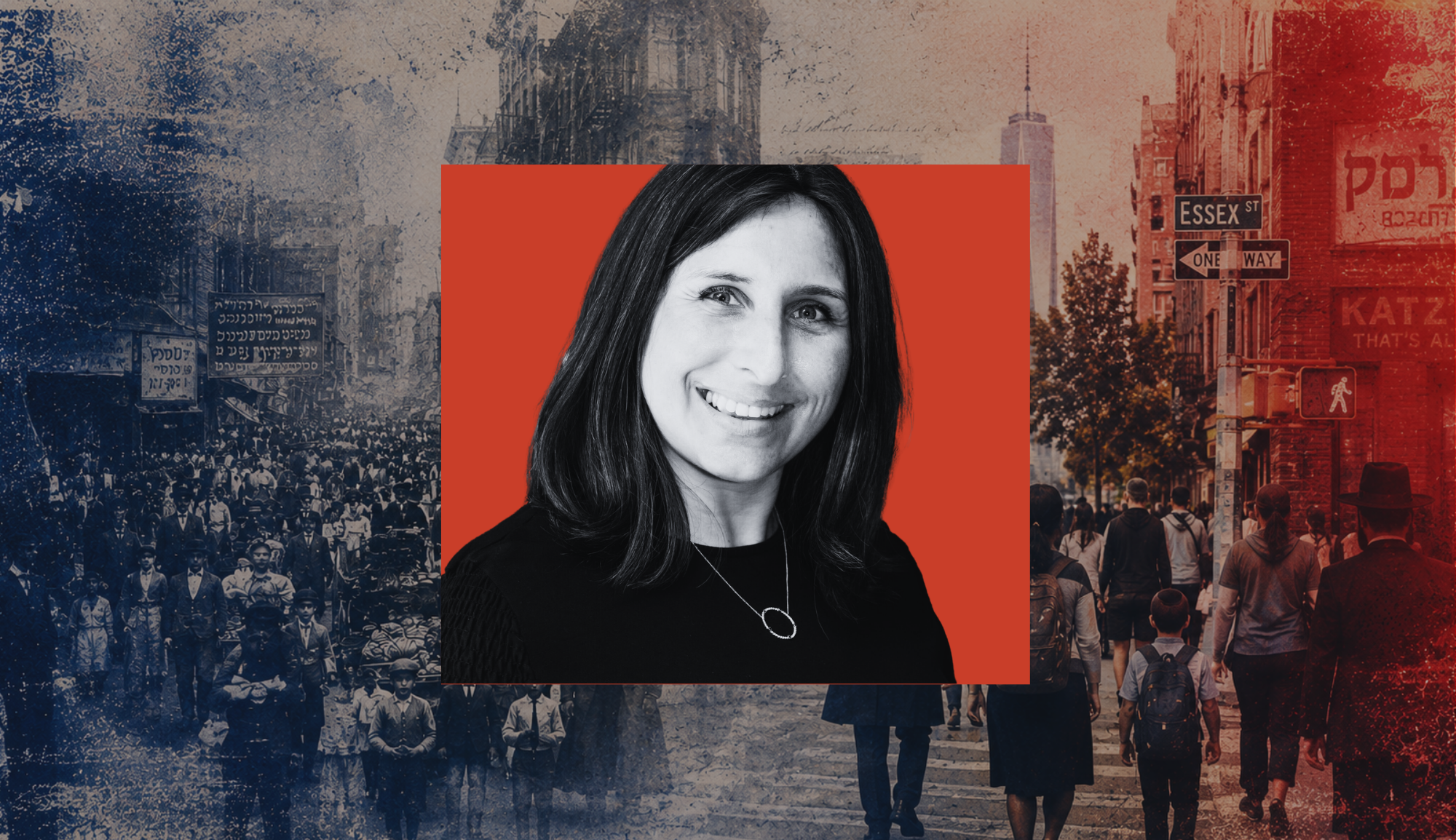
Elana Moskowitz: In Appreciation of My American Jewish Childhood
We talk to Elana Moskowitz about how her American Jewish upbringing shaped her life and worldview.
podcast
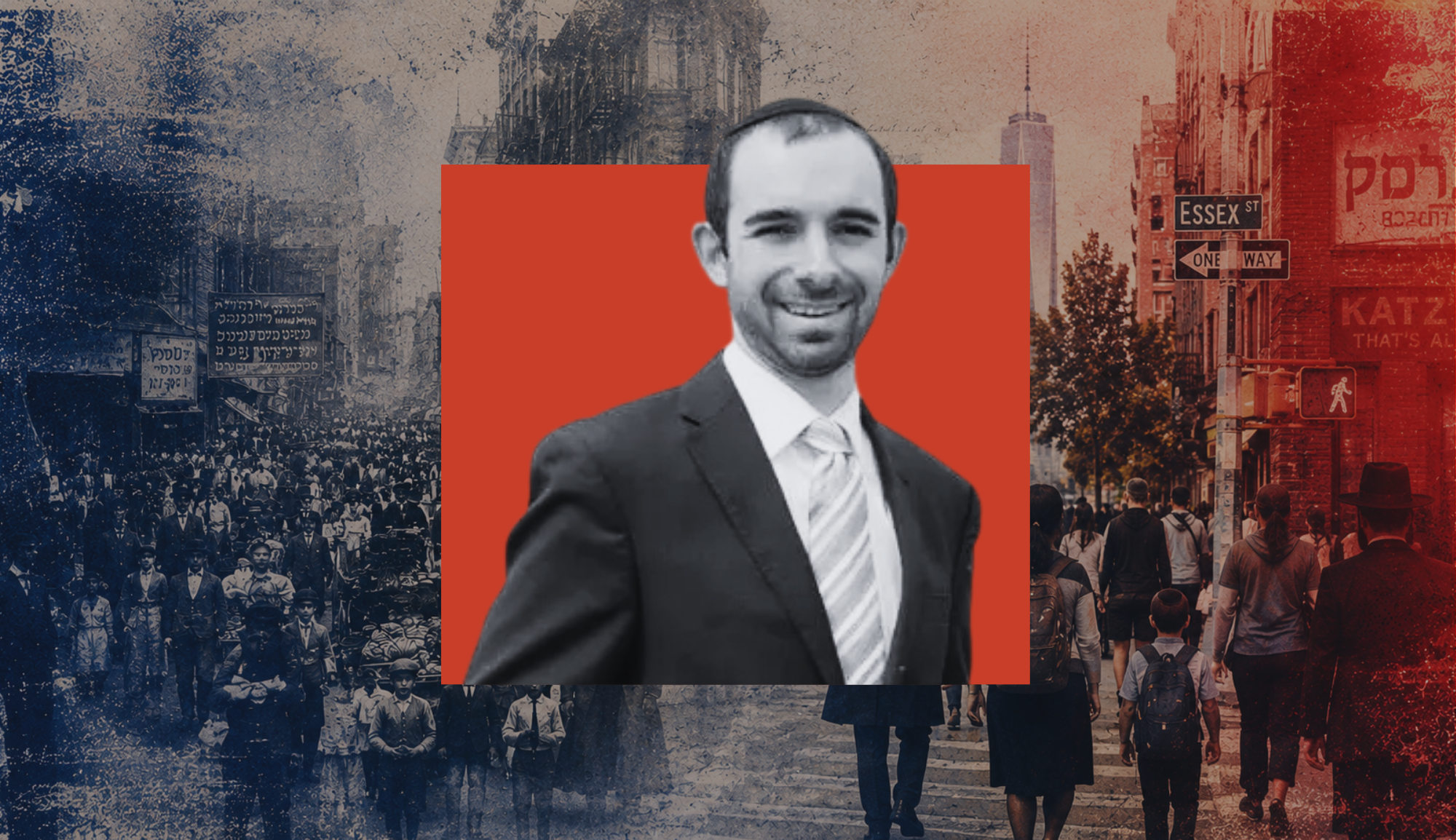
Zev Eleff: 250 Years of American Judaism
We talk to historian Zev Eleff about what 250 years of Jewish life in America can teach us about religion, identity, and the future of American Judaism.

podcast
Finance Debate: Larry Rothwachs and Leslie Ginsparg Klein
David Bashevkin moderates a discussion on finances within the Orthodox Jewish community.
podcast
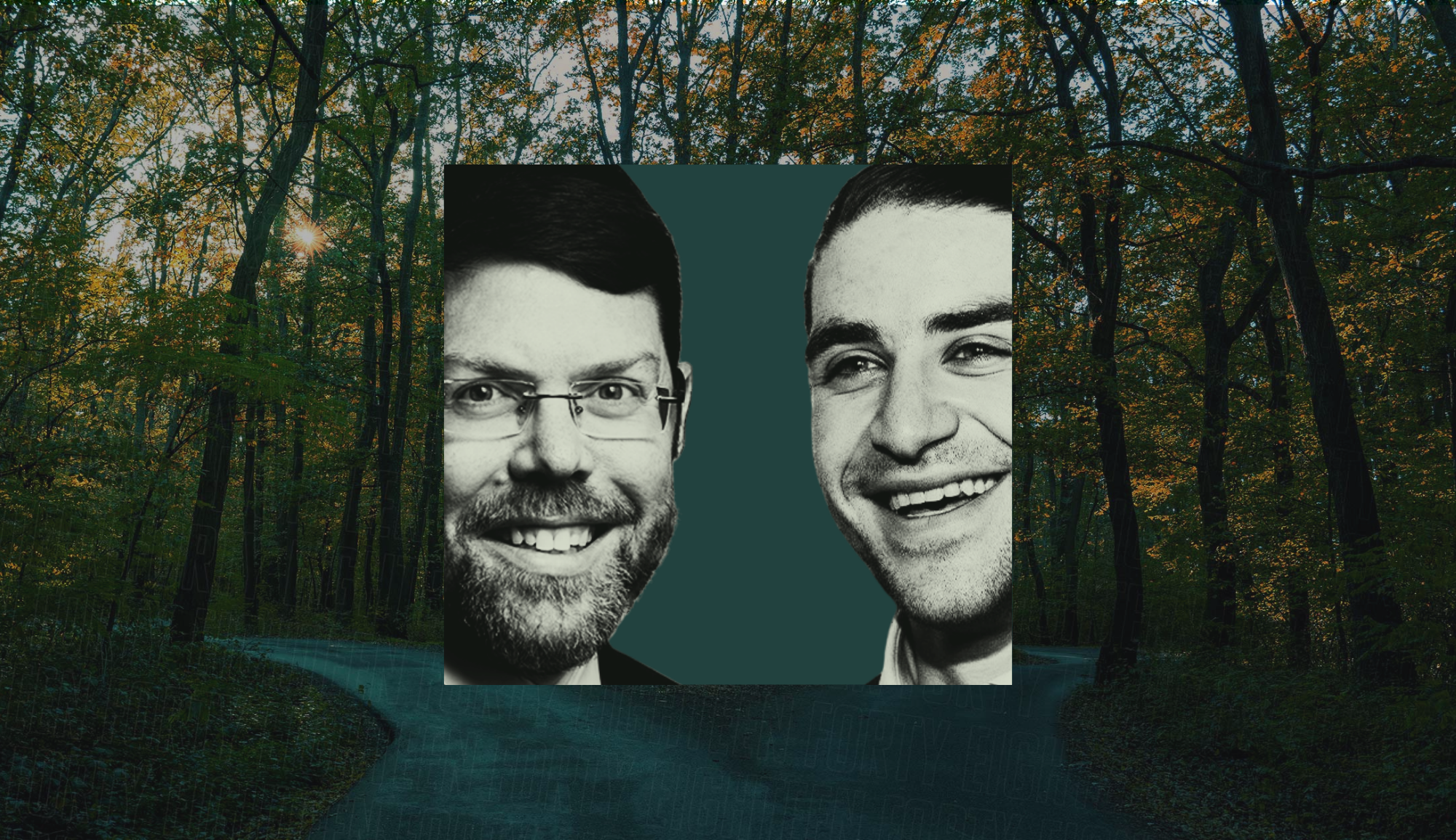
Menachem Penner & Gedalia Robinson: A Child’s Orientation
In this episode of the 18Forty Podcast, we talk to Rabbi Menachem Penner—dean of RIETS at Yeshiva University—and his son Gedalia—a musician, cantor-in-training, and member of the LGBTQ community—about their experience in reconciling their family’s religious tradition with Gedalia’s sexual orientation.
podcast
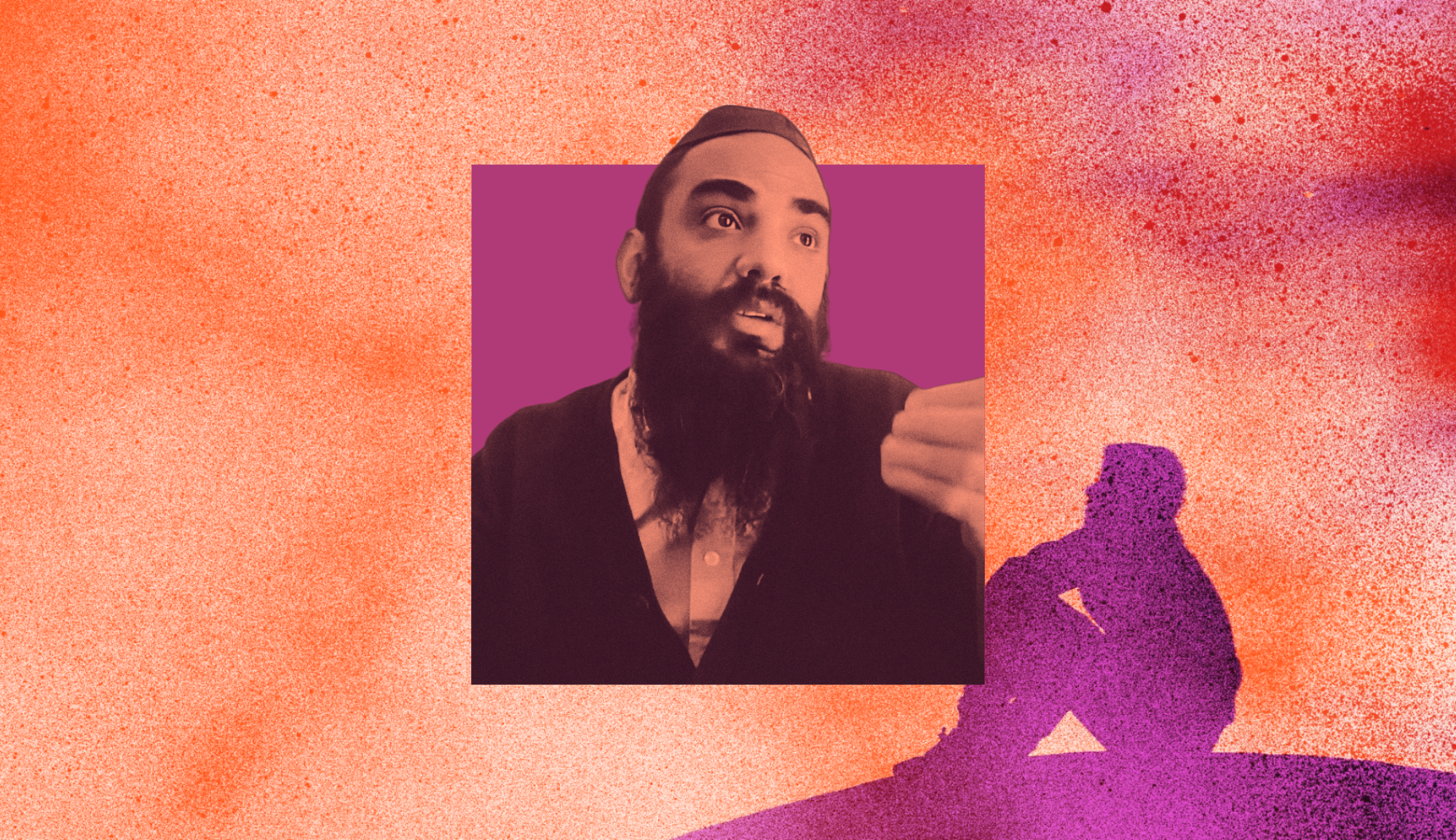
Joey Rosenfeld: Can Mysticism Heal Us?
In this episode of the 18Forty Podcast, we sit down with Joey Rosenfeld, social worker and kabbalist, to talk about the differences between mysticism and rationalism and the roles they should play in our lives.
podcast
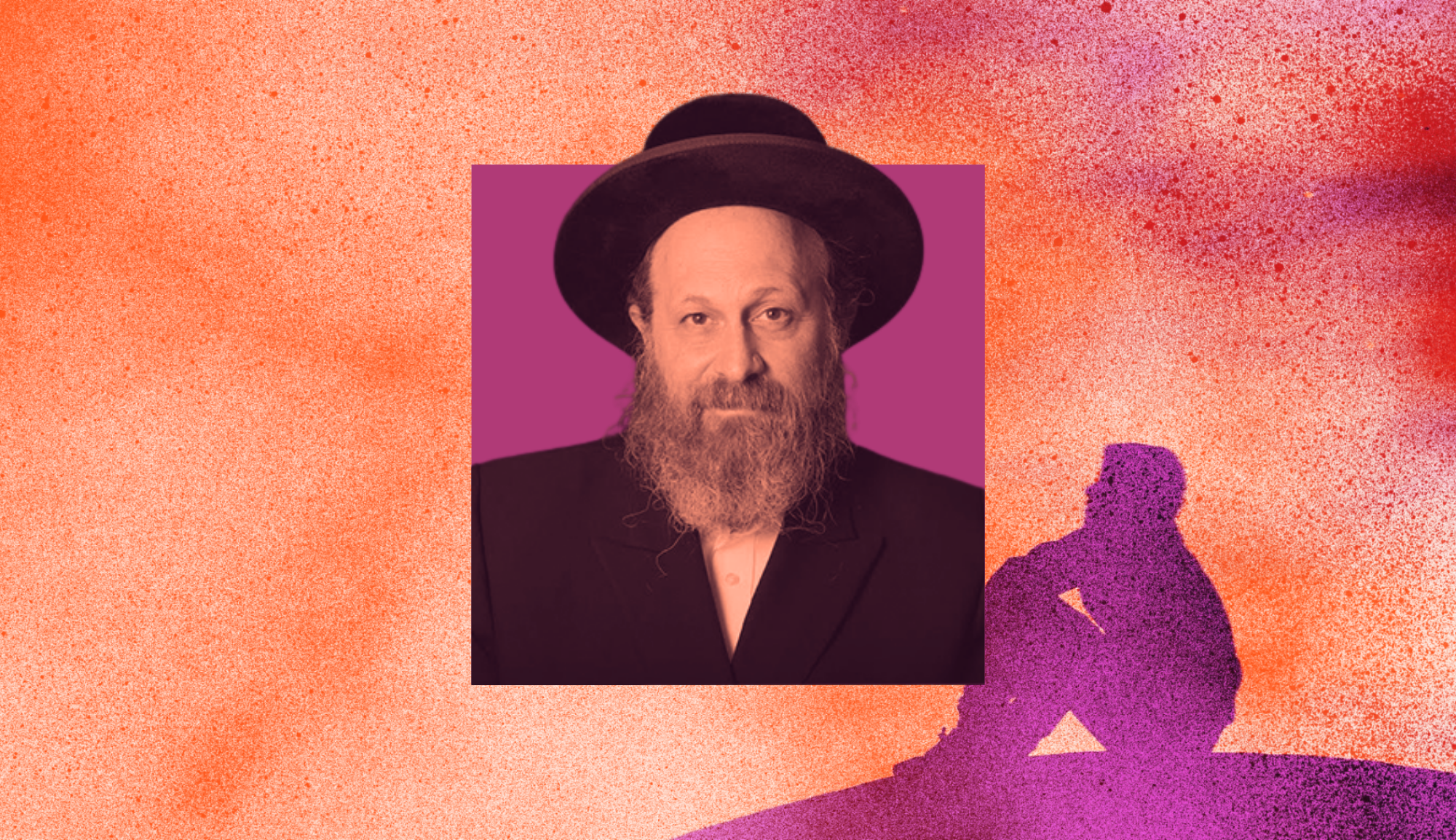
Rav Moshe Weinberger: Can Mysticism Become a Community?
In this episode of the 18Forty Podcast, we sit down with Rav Moshe Weinberger, rabbi and educator, to discuss the role of mysticism in modern-day Judaism.

podcast
When a Parent Becomes Estranged
In this episode, we talk to a father and daughter who were estranged and then reunited.
podcast
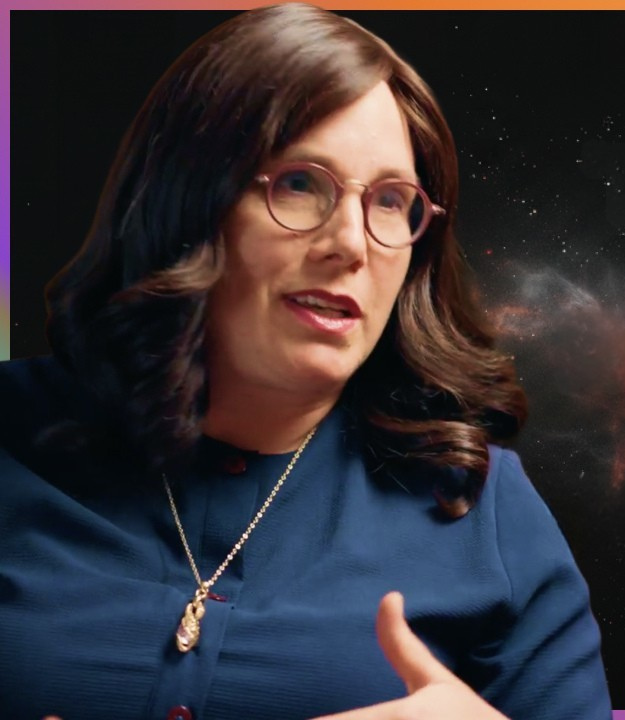
Fruma Schapiro: ‘The direct path of connection to Hashem is through the simple and through the small’
Fruma Schapiro discusses the role of prayer for women and how Jewish mysticism can influence our relationships.
podcast
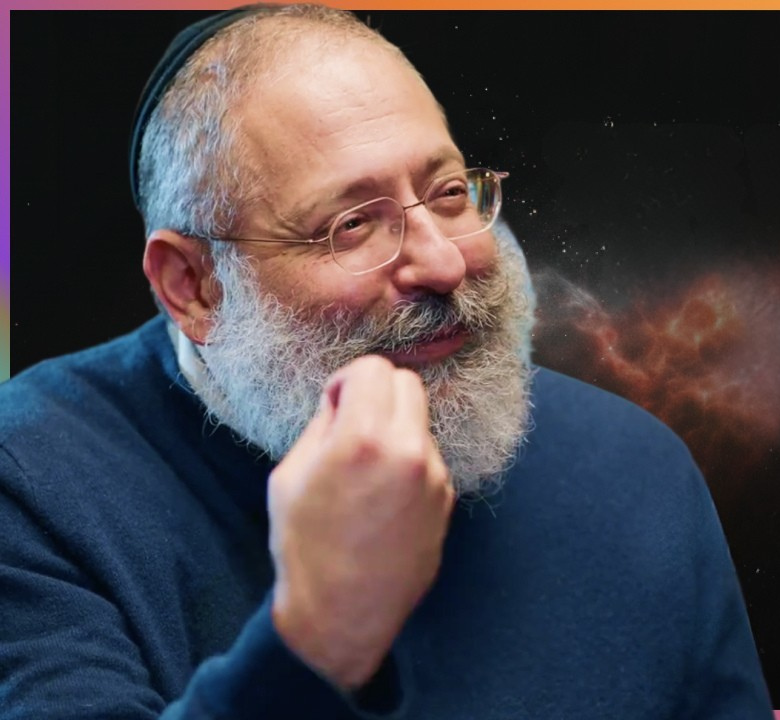
YY Jacobson: ‘Jews were chosen to hold onto the frequency of redemptive consciousness’
Rabbi YY Jacobson joins us to discuss Torah, spirituality, and the function of humility in religious growth.

podcast
Shaanan Gelman & His Son: When a Child Becomes Addicted
We talk to Rabbi Shaanan Gelman and his son Ziggy about the persistence of a parent-child relationship when the latter faces addiction.

podcast
Michael Eisenberg: Iran, USA, Israel: What Comes Next
We talk to Michael Eisenberg about the state of the Jewish People in Israel and the diaspora.
podcast
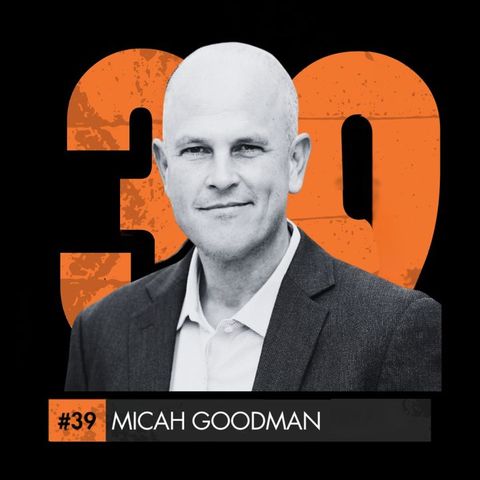
Micah Goodman: ‘I don’t want Gaza to become our Vietnam’
Micah Goodman doesn’t think Palestinian-Israeli peace will happen within his lifetime. But he’s still a hopeful person.
podcast
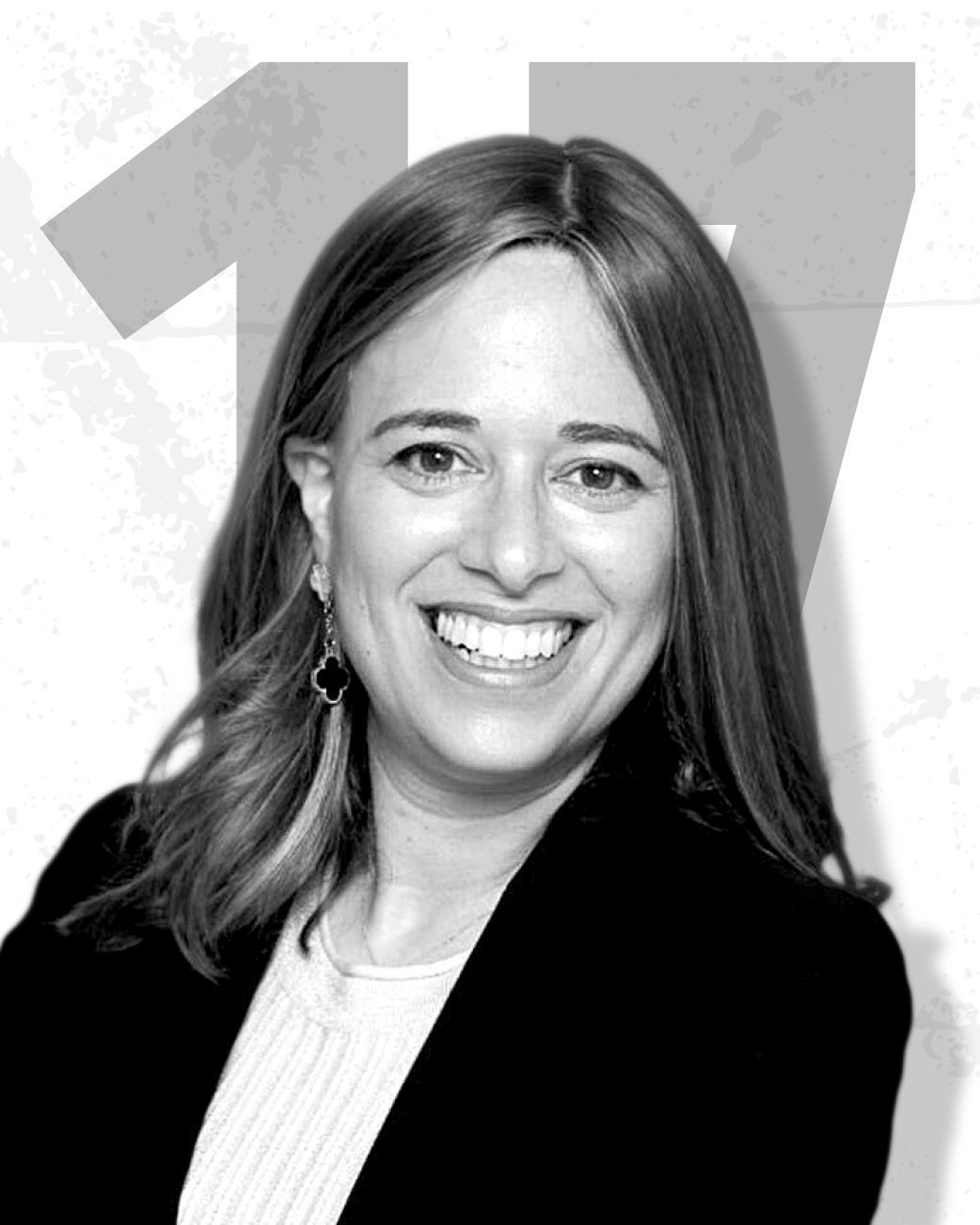
Nechumi Yaffe: ‘I hate the idea that we are being killed and need to kill’
As a Haredi woman of the Israeli left, Nechumi Yaffe lives between a few different worlds—and she feels at home in Israel’s new “Religious Left” movement.
podcast
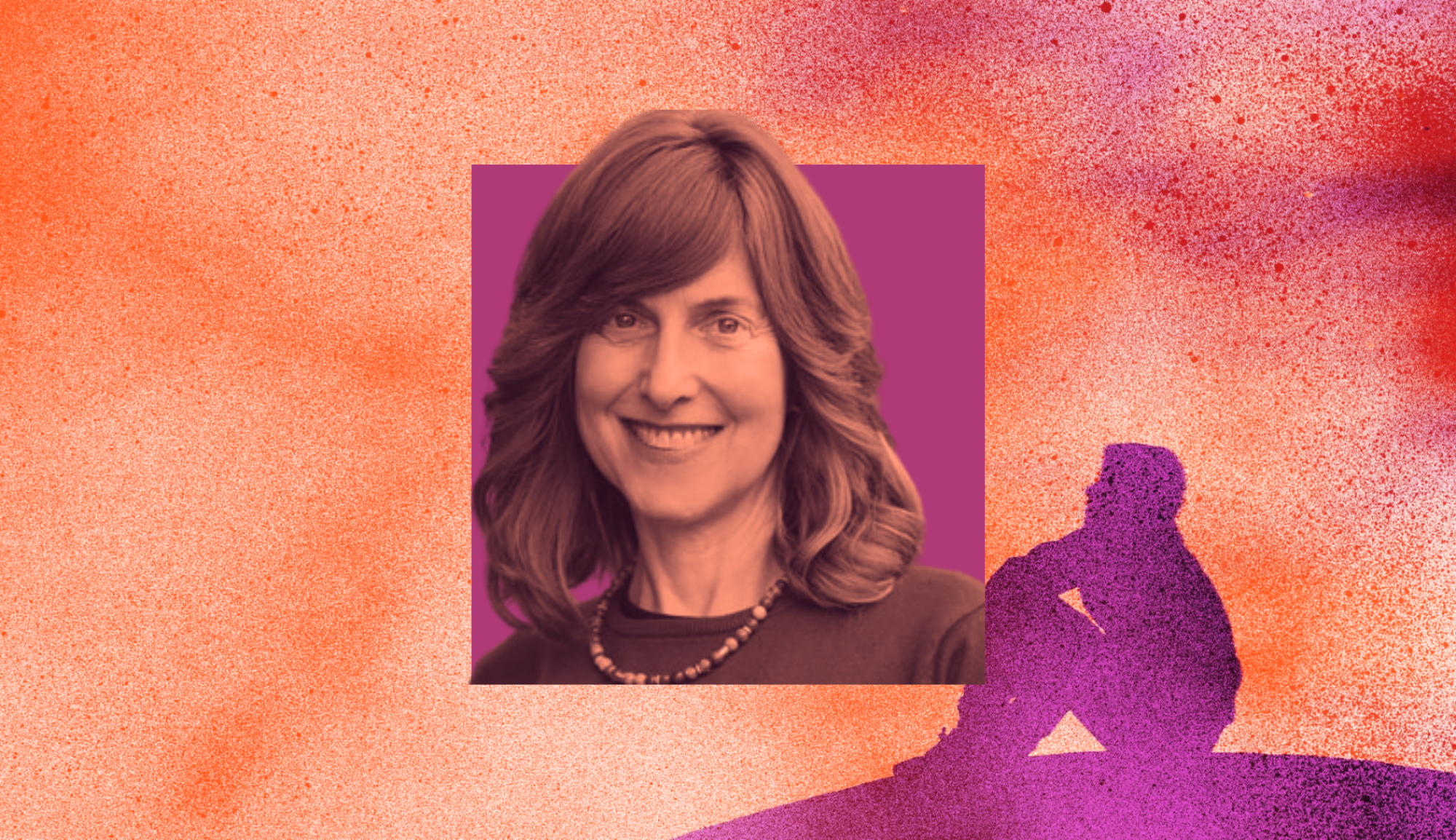
Dr. Ora Wiskind: How do you Read a Mystical Text?
In this episode of the 18Forty Podcast, we sit down with Dr. Ora Wiskind, professor and author, to discuss her life journey, both as a Jew and as an academic, and her attitude towards mysticism.
podcast
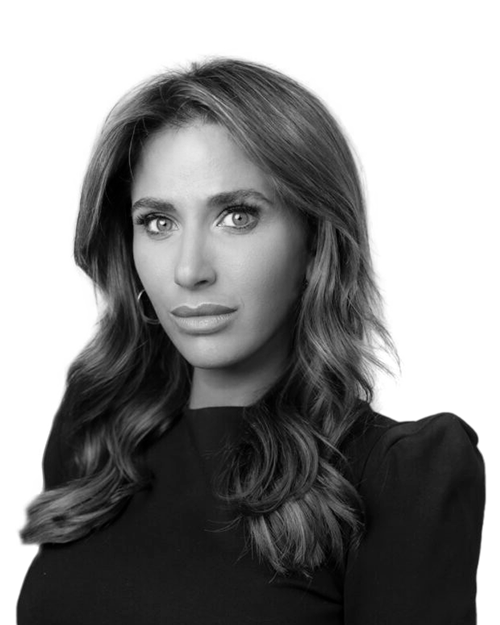
Lizzy Savetsky: Becoming a Jewish Influencer and Israel Advocate
In this episode of the 18Forty Podcast, we talk to Lizzy Savetsky, who went from a career in singing and fashion to being a Jewish activist and influencer, about her work advocating for Israel online.

podcast
Aliza and Ephraim Bulow: When A Spouse Loses Faith
In this episode of the 18Forty Podcast, we talk to Aliza and Ephraim Bulow, a married couple whose religious paths diverged over the course of their shared life.
podcast
Frieda Vizel: How the World Misunderstands Hasidic Jewry
In this episode of the 18Forty Podcast, we talk to Frieda Vizel—a formerly Satmar Jew who makes educational content about Hasidic life—about her work presenting Hasidic Williamsburg to the outside world, and vice-versa.
podcast
Rabbi David Fohrman: Does the Torah Teach Science?
In this episode of the 18Forty Podcast, we sit down with Rabbi David Fohrman – author, lecturer, and founder of the Aleph Beta Academy – to discuss in what genre the Torah is meant to be, and how that should influence the way we think about it.
podcast
Haviv Rettig Gur: ‘Hamas is upset the death toll in Gaza isn’t higher’
Haviv answers 18 questions on Israel.
podcast
Einat Wilf: ‘Jews Are Never Allowed To Win, and Arabs Are Never Allowed to Lose’
The true enemy in Israel’s current war, Einat Wilf says, is what she calls “Palestinianism.”

podcast
The Dardik Family: A Child Moves Away From Zionism
In this episode of the 18Forty Podcast, we talk to Judah, Naomi, and Aharon Akiva Dardik—an olim family whose son went to military jail for refusing to follow to IDF orders and has since become a ceasefire activist at Columbia University—about sticking together as a family despite their fundamental differences.

podcast
Why 1840?
In this episode of the 18Forty Podcast, we sit down for a special podcast with our host, David Bashevkin, to discuss the podcast’s namesake, the year 1840.

podcast
Rabbi Aryeh Lebowitz: A Healthy Relationship with Halacha
In this episode of the 18Forty Podcast, we talk to Rabbi Aryeh Lebowitz, the director of semicha at Rabbi Isaac Elchanan Theological Seminary (RIETS), about the development of halacha.
podcast
Zev Eleff: Is This the End of American Judaism?
In this episode of the 18Forty Podcast, we begin our Denominations series by talking to Zev Eleff—historian, author, and the president of Gratz College—about the development of the denominations of Judaism we have in America today.
Recommended Articles

Essays
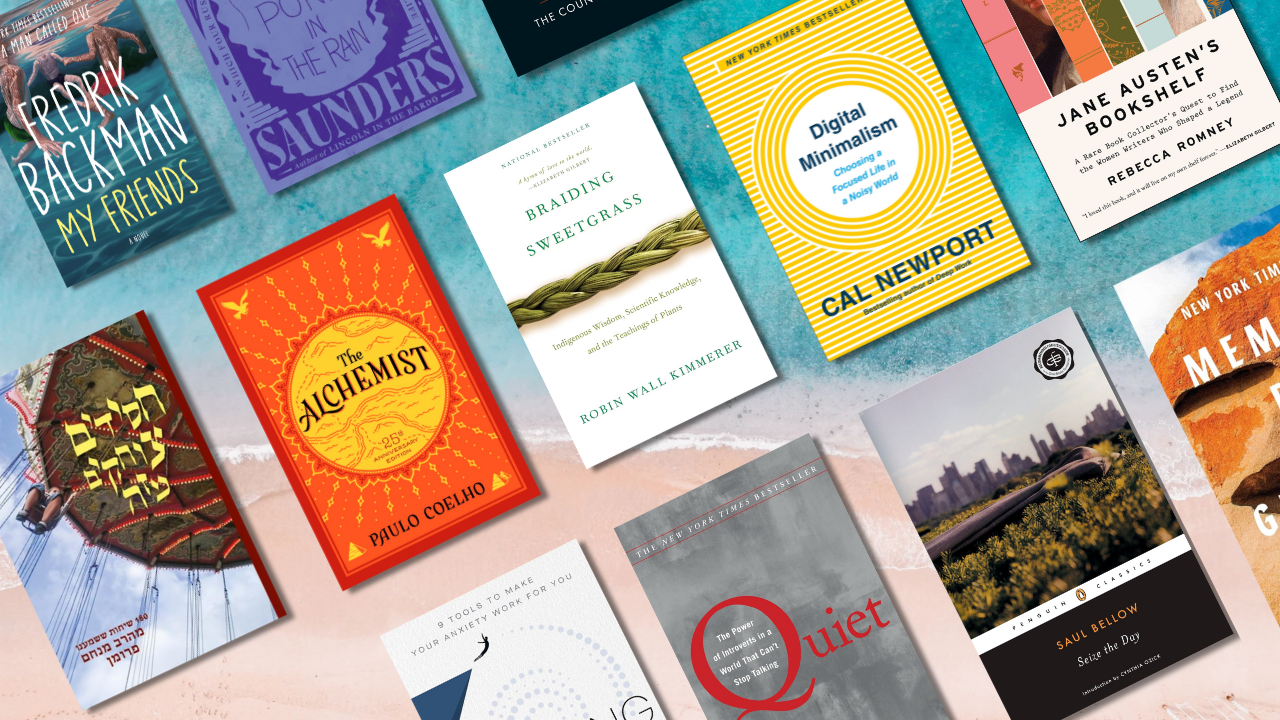
12 Books You Should Read for a Self-Growth Summer
From classics to digital minimalism to friendship, the perfect summer reading list is making its way to your bookshelf.
Essays
The Double Meaning of a Miracle
What Parshat Chukat teaches us about miracles, human effort, and what it means to look heavenward

Essays
A Nation of Isolation and Connection
Parshat Balak and the enduring tension between Jewish distinctiveness and universal responsibility.

Essays
3 Arguments for God’s Existence
Perhaps the most fundamental question any religious believer can ask is: “Does God exist?” It’s time we find good answers.
Essays
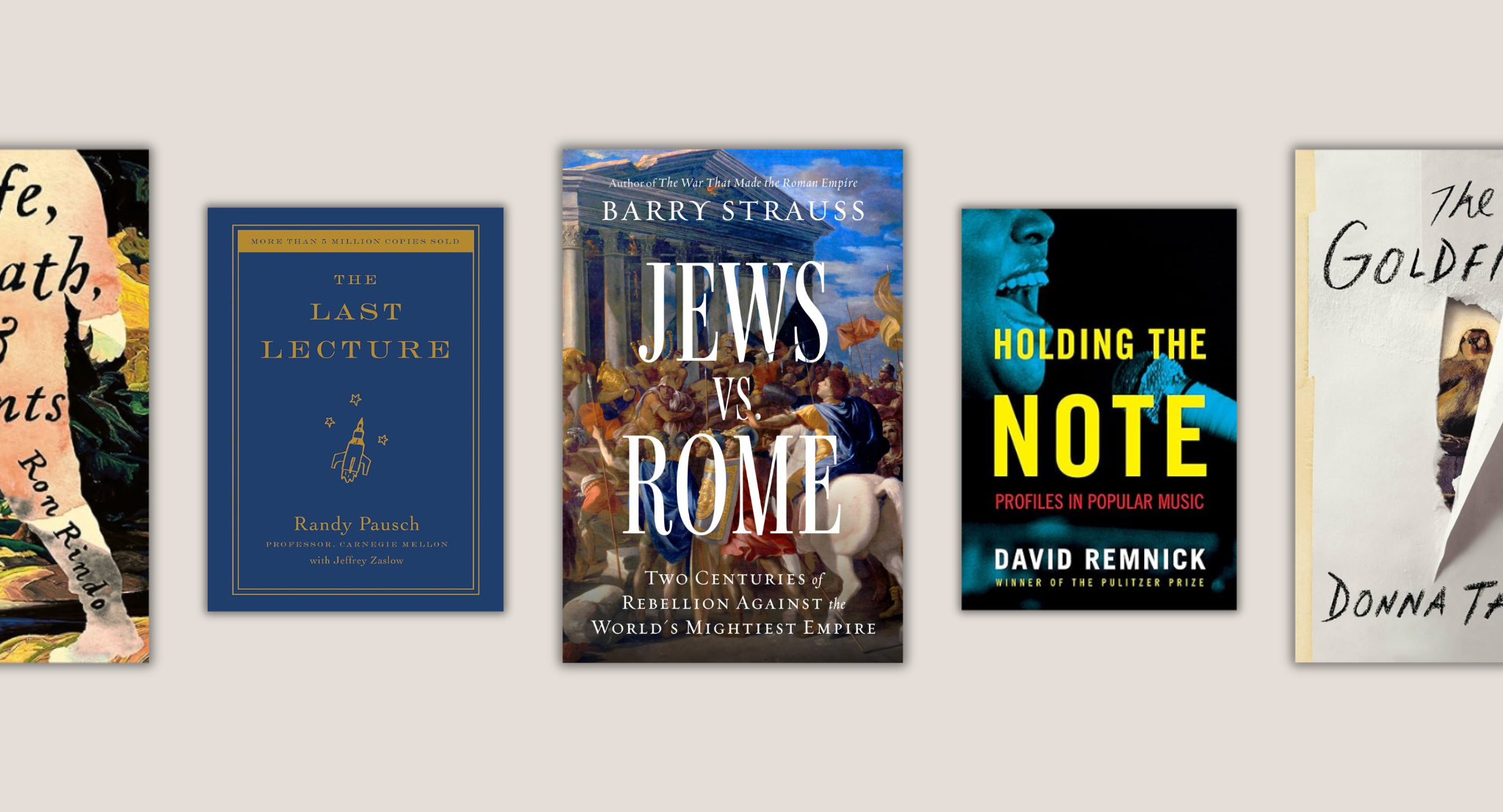
What We’re Reading This Summer
The reading list helping the 18Forty team find wonder, reflection, and a little escape this summer.
Essays
Diving Into The World of Mysticism
Joy and meaning can be found not only despite the brokenness, but even because of the brokenness.

Essays
How Habit Shapes Spiritual Perception
In Chukat-Balak, the greatest obstacle to hearing God is not rebellion, but habit.
Essays
The Israeli Peace Activist and Religious Leader You Need to Know
Rav Froman was a complicated character in Israel and in his own home city of Tekoa, as people from both the right…
Essays
A Letter to Parents of Intergenerational Divergees
Children don’t come with guarantees. Washing machines come with guarantees.

Essays
A Letter to Children Estranged From Their Parents
Children cannot truly avoid the consequences of estrangement. Their parents’ shadow will always follow.

Essays
Between Modern Orthodoxy and Religious Zionism: At Home as an Immigrant
My family made aliyah over a decade ago. Navigating our lives as American immigrants in Israel is a day-to-day balance.
Essays
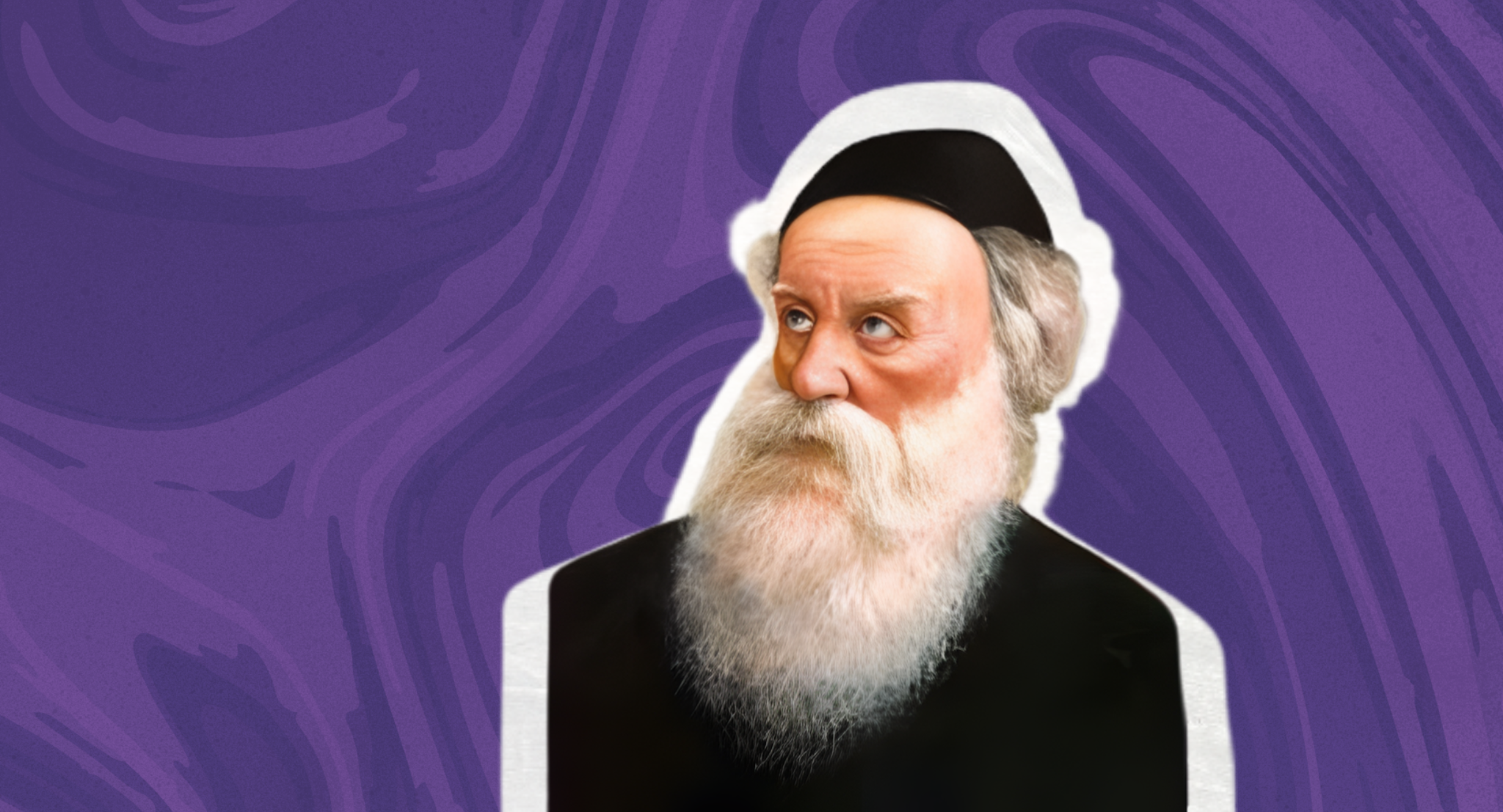
How the Lubavitcher Rebbe Teaches Us to Transcend Ourselves
I consider the Rebbe to be my personal teacher, and I find this teaching particularly relevant for us now.
Essays
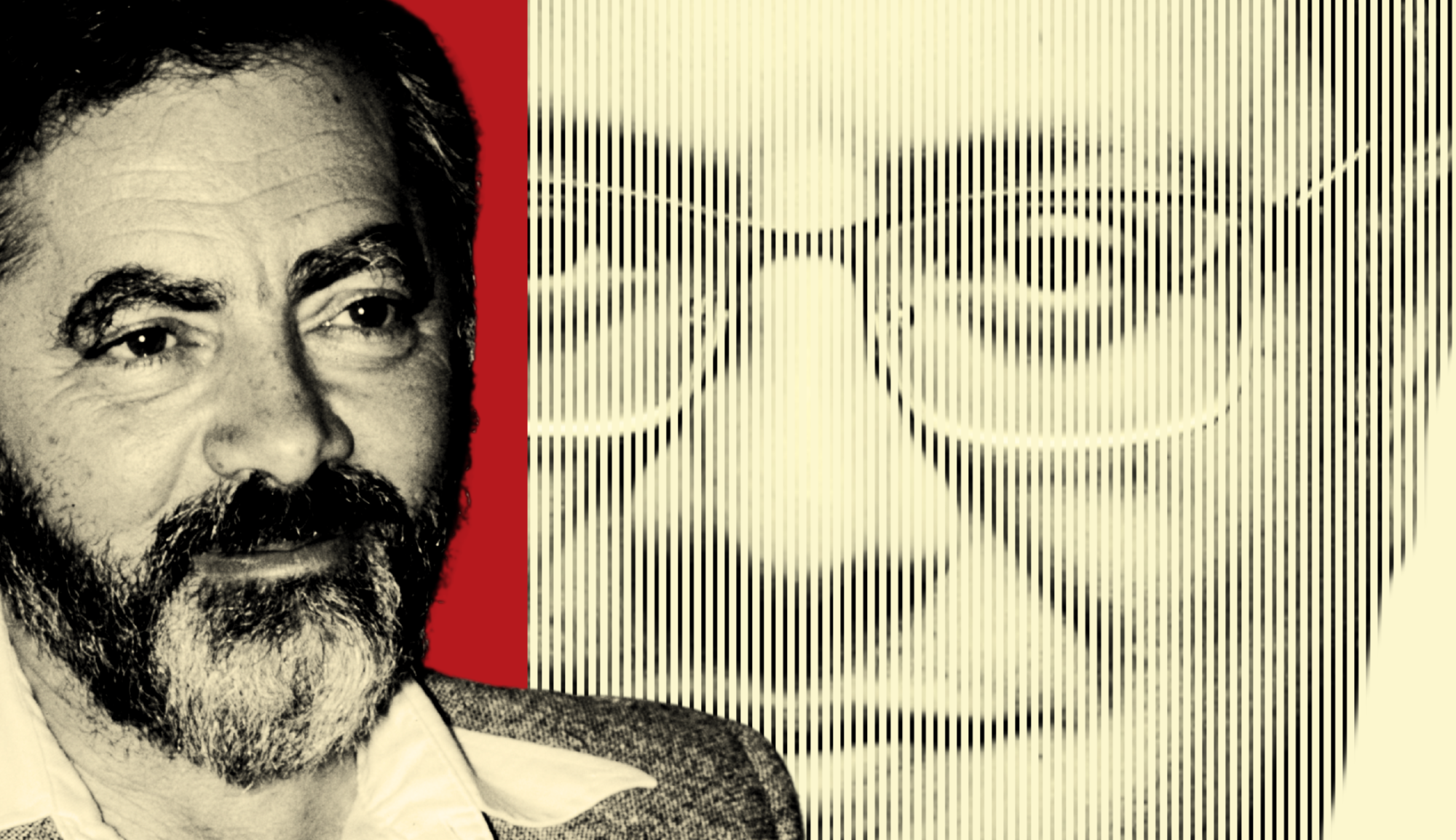
Why Is Meir Kahane Making a Comeback Among Orthodox Jews?
Israeli minister Itamar Ben-Gvir wears the mantle of Kahane in Israel. Many Orthodox Jews welcomed him with open arms.

Essays
Why the Rabbis Were Afraid of Pinchas
The Torah’s most controversial hero raises a question every society must answer: When, if ever, is conviction enough?

Essays
Can Censorship Edit Our Past?
It isn’t only censorship that creates the narrative of our history, but it is every creative endeavor that we engage in.

Essays
A Brief History of Jewish Mysticism
To talk about the history of Jewish mysticism is in many ways to talk about the history of the mystical community.

Essays
Army Service is Essential for Every Jew: Letter From an IDF Combat Soldier in Gaza
Yes, the Israeli army needs Jews to draft, but more than that, Jews need to experience what it means to serve.
Essays
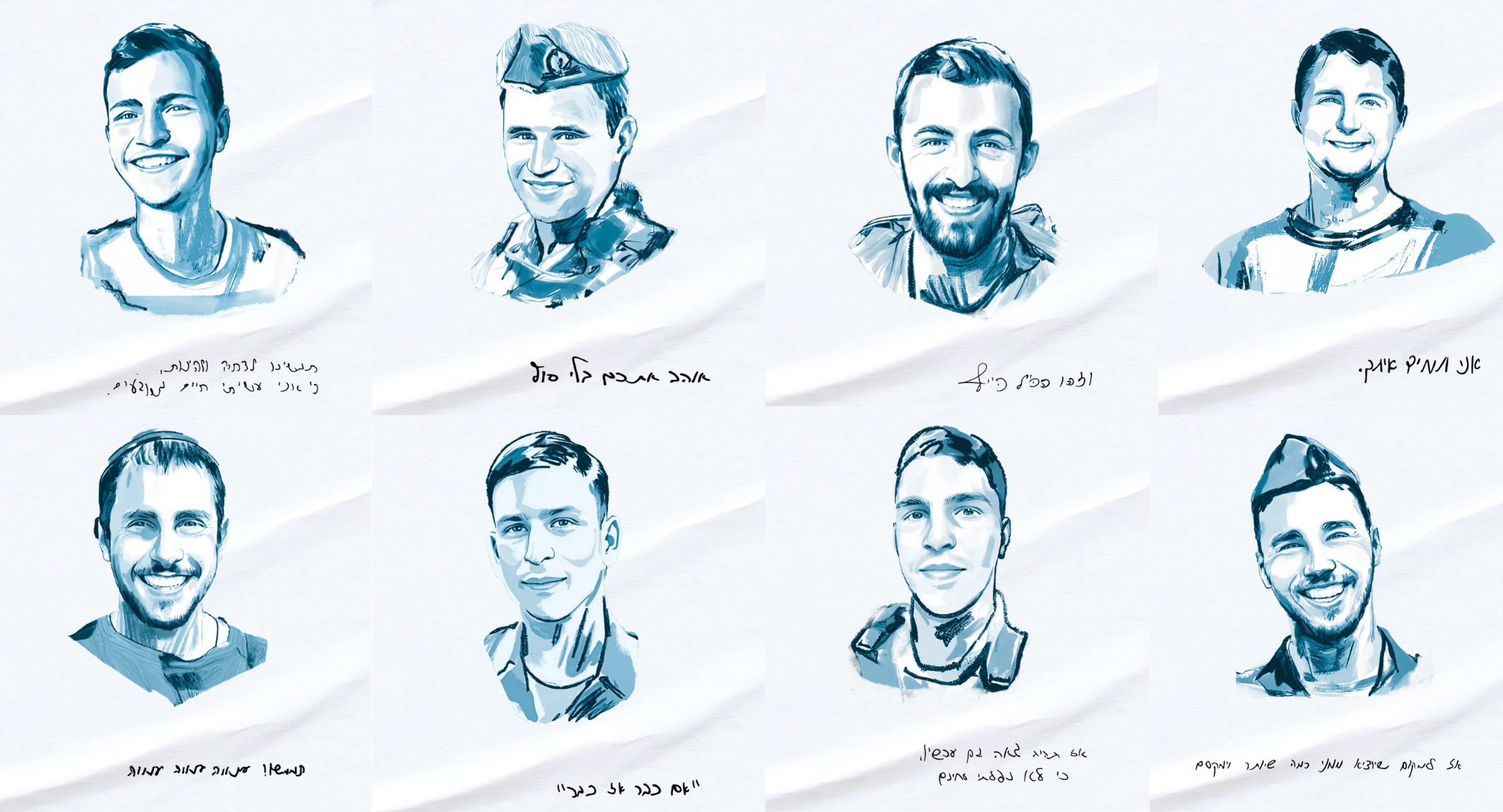
The Words They Left Behind
If You’re Reading These Words is a book in which all the heroes have died, yet it overflows with life.
Essays
Do We Care Too Much? Furor Sanandi and Our Desire to Heal
From Freud through today, our desire to heal asks us to consider why we care so badly—and maybe if it’s hindering the…

Essays
Is Israel the Future of Judaism? Israeli and Diaspora Jews Weigh In.
Israel is clearly important to Jews. The question becomes: To what extent?
Essays
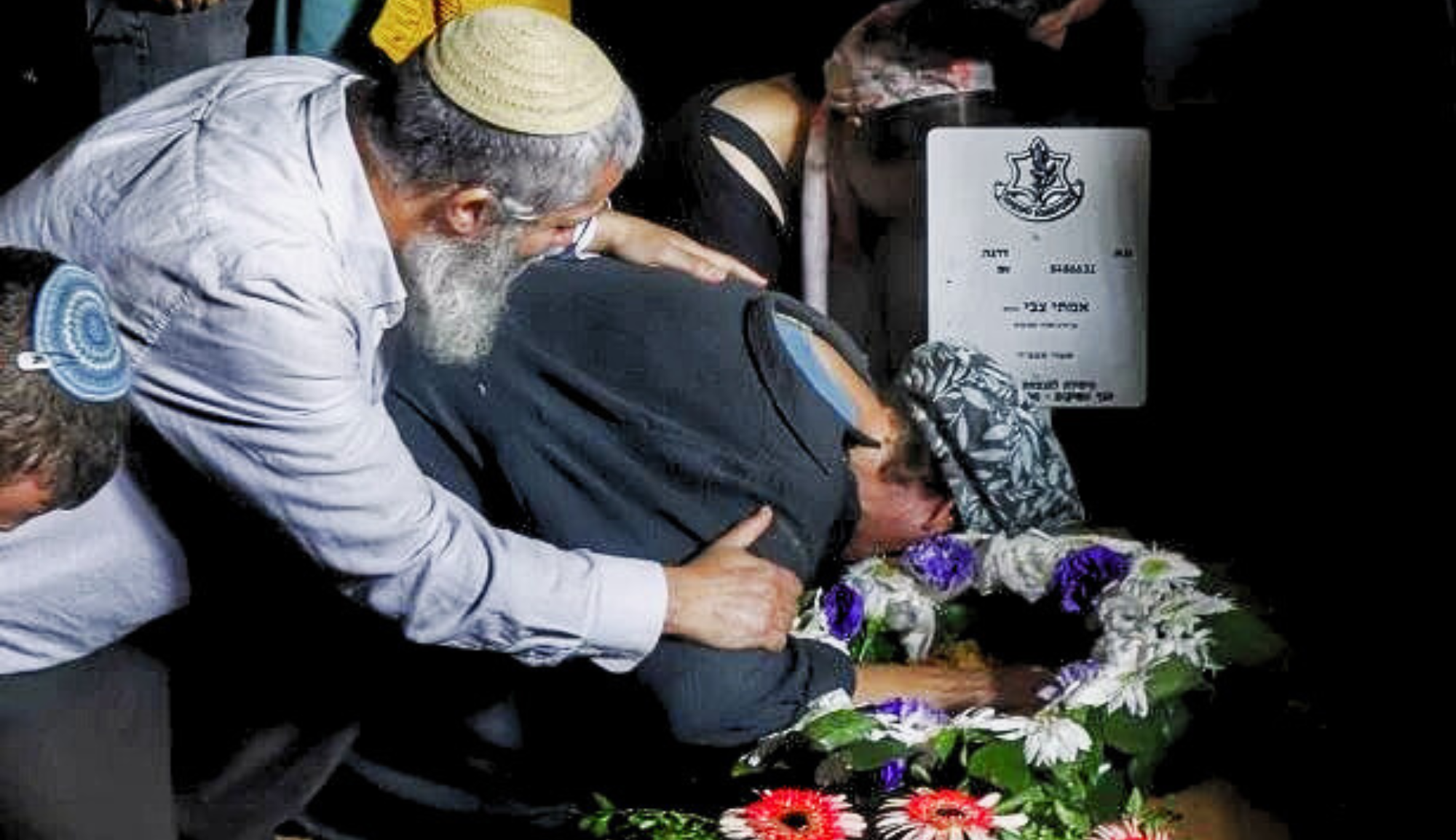
‘Are Your Brothers To Go to War While You Stay Here?’: On Haredim Drafting to the IDF
A Hezbollah missile killed Rabbi Dr. Tamir Granot’s son, Amitai Tzvi, on Oct. 15. Here, he pleas for Haredim to enlist into…

Essays
It’s Not About Kahane. Here’s Why Jews Support Ben-Gvir
Their motivations are not ideological extremism but a basic survival instinct to protect their families from the past’s failed paradigms.
Recommended Videos



videos
Intergenerational Divergence
videos
Jewish Peoplehood
What is Jewish peoplehood? In a world that is increasingly international in its scope, our appreciation for the national or the tribal…
videos
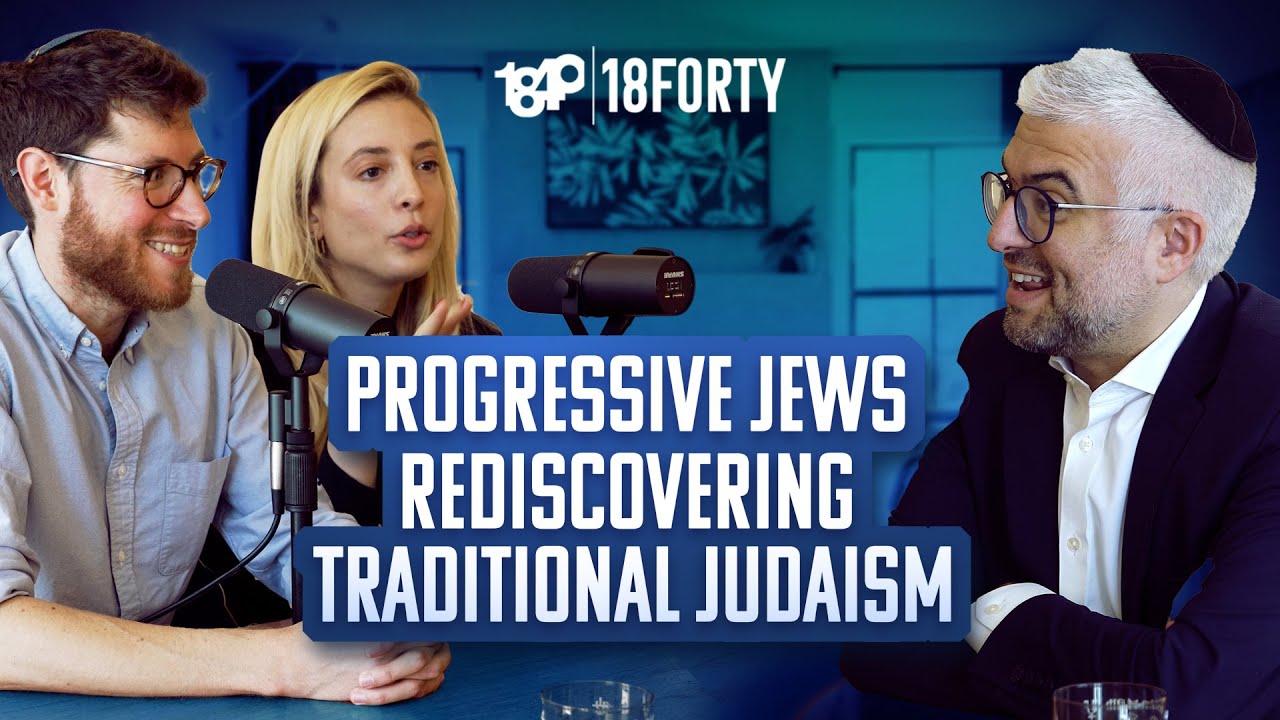
An Orthodox Rabbi Interviews a Reform Rabbi | Dovid Bashevkin & Diana Fersko
In this episode of the 18Forty Podcast, we speak with Diana Fersko, senior rabbi of the Village Temple Reform synagogue, about denominations…
videos
Mysticism
In a disenchanted world, we can turn to mysticism to find enchantment, to remember that there is something more under the surface…

videos
Steven Gotlib & Eli Rubin: What Does It Mean To Be Human?
In this episode of the 18Forty Podcast—recorded at the 18Forty X ASFoundation AI Summit—we speak with Rabbi Eli Rubin and Rabbi Steven…
videos
Torah Study and ChatGPT: How Should Jewish Education Respond to AI?
On this 18Forty panel, we speak with Alex Jakubowski of Lightning Studios, Sara Wolkenfeld of Sefaria, and Ari Lamm of BZ Media…
videos
A Reform Rabbi Interviews an Orthodox Rabbi | Dovid Bashevkin & Diana Fersko (Part 2)
In this episode of the 18Forty Podcast, David Bashevkin answers questions from Diana Fersko, senior rabbi of the Village Temple Reform synagogue,…


videos
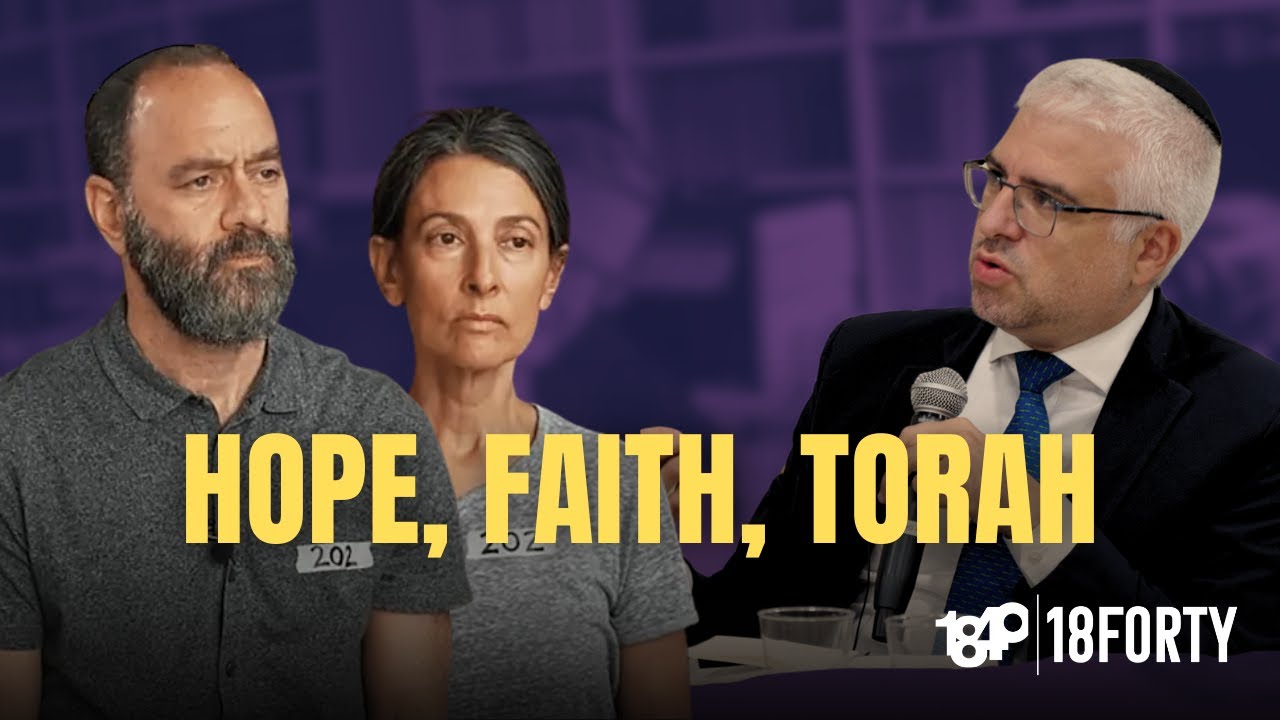
Rachel Goldberg-Polin and Jon Polin: How Torah Gives Us Faith and Hope
In this special Simchas Torah episode of the 18Forty Podcast, we speak with Rachel Goldberg-Polin and Jon Polin—parents of murdered hostage Hersh…