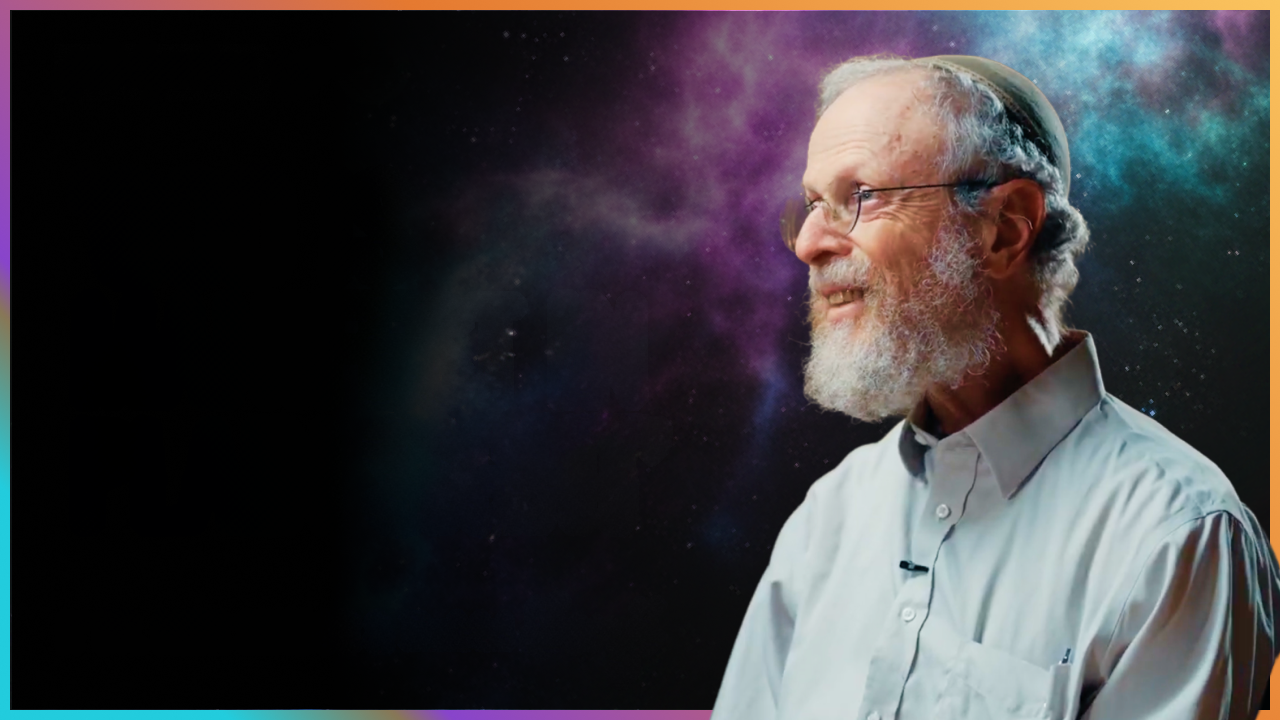
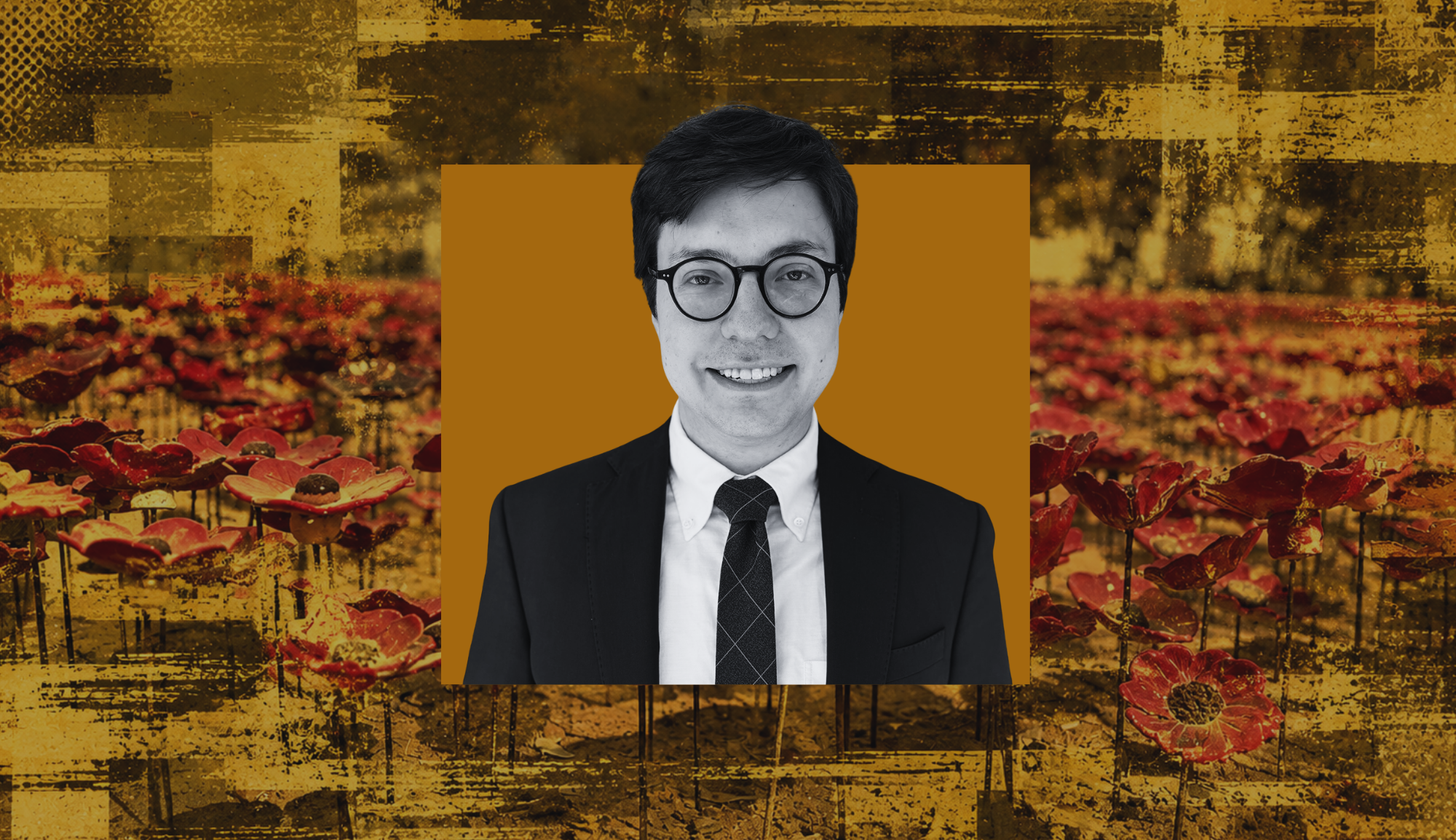
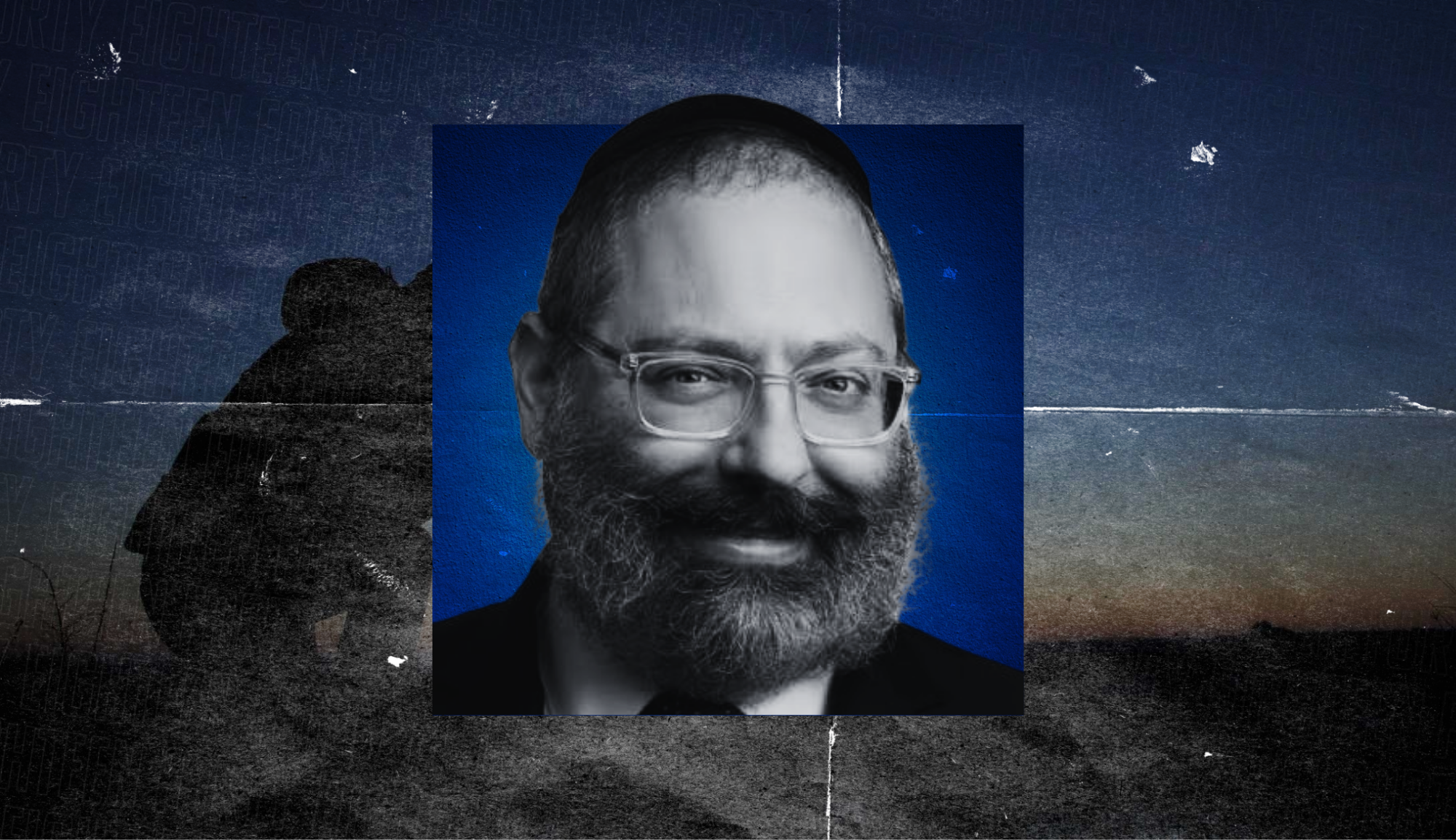
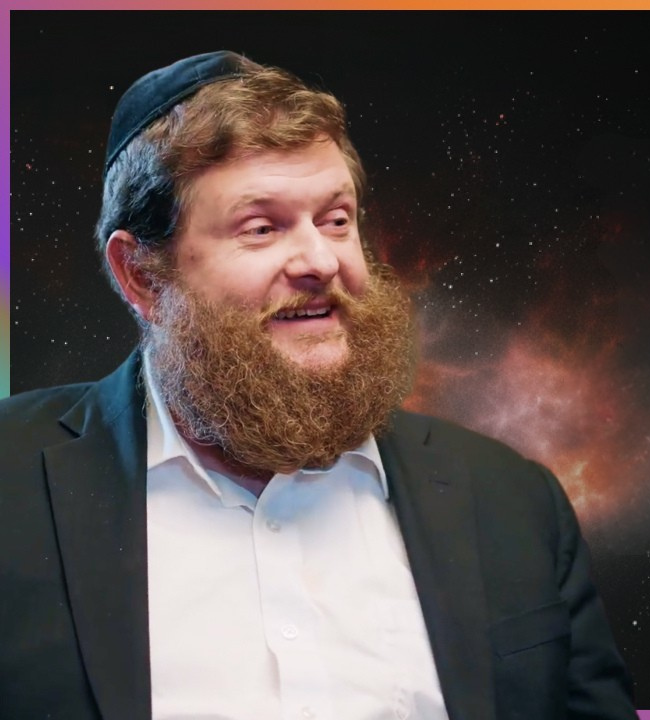
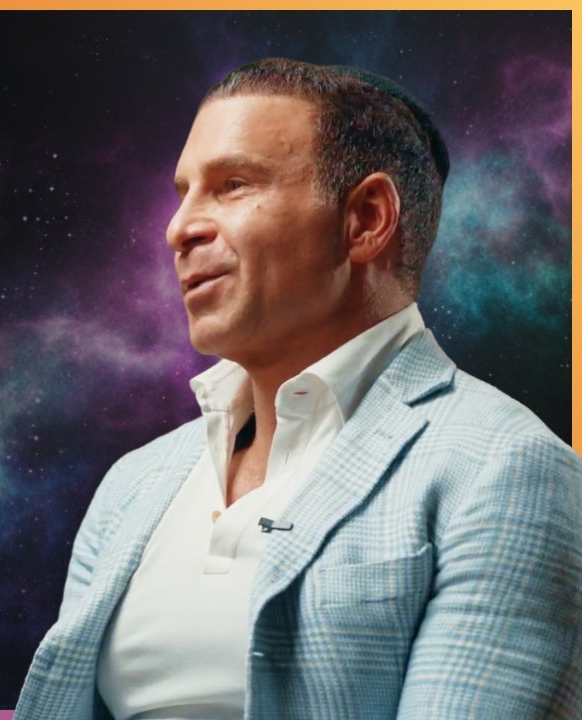
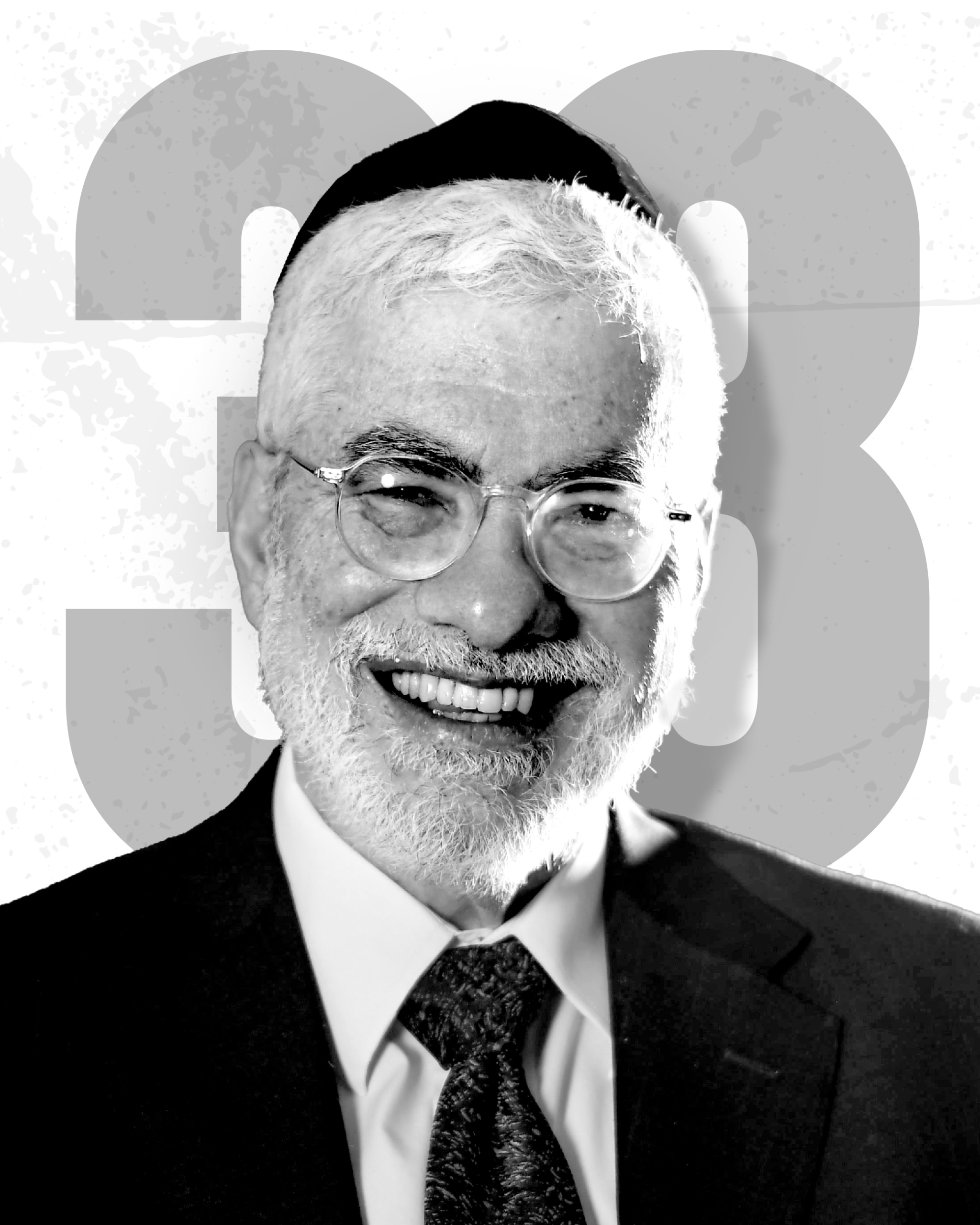
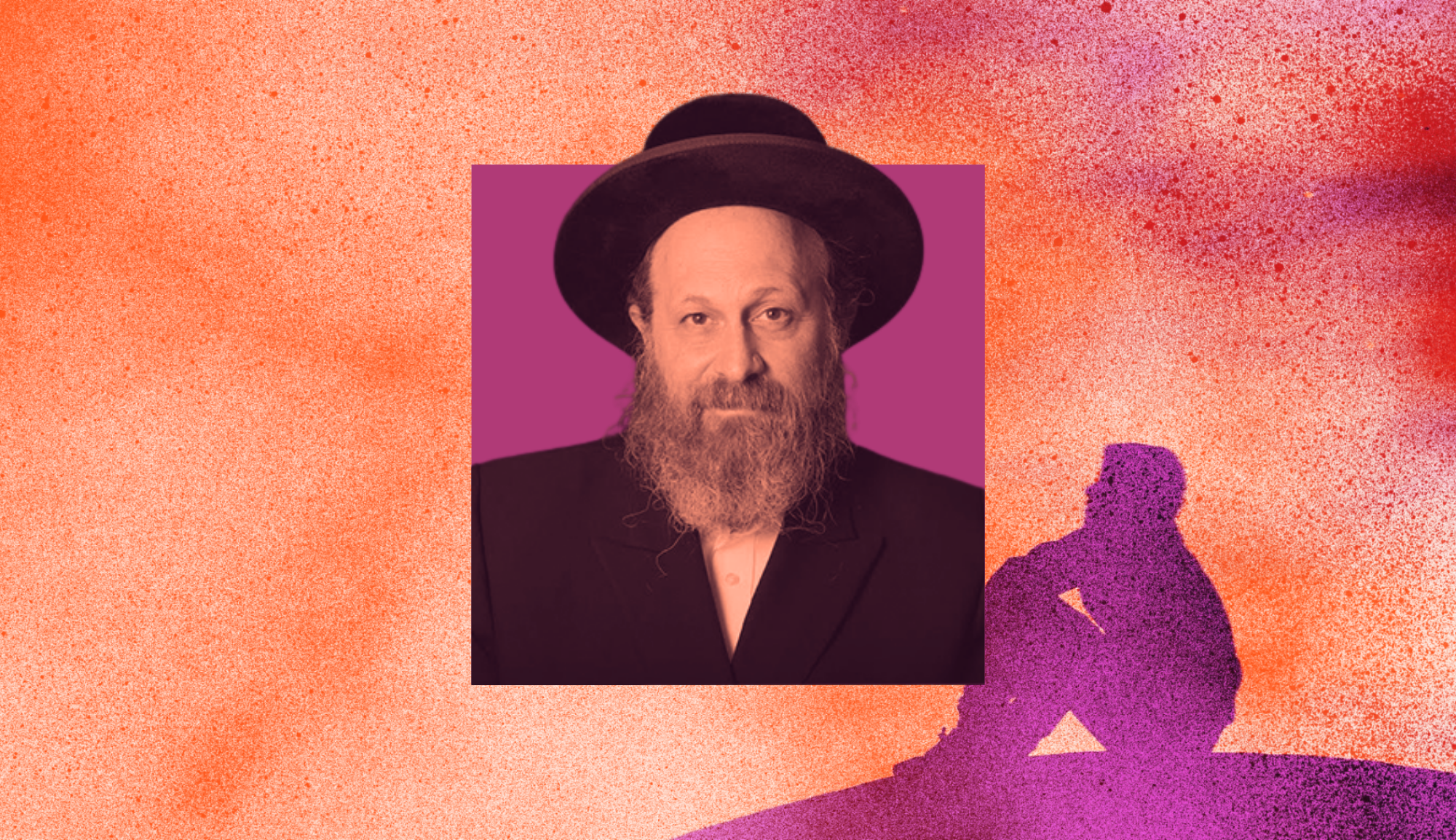
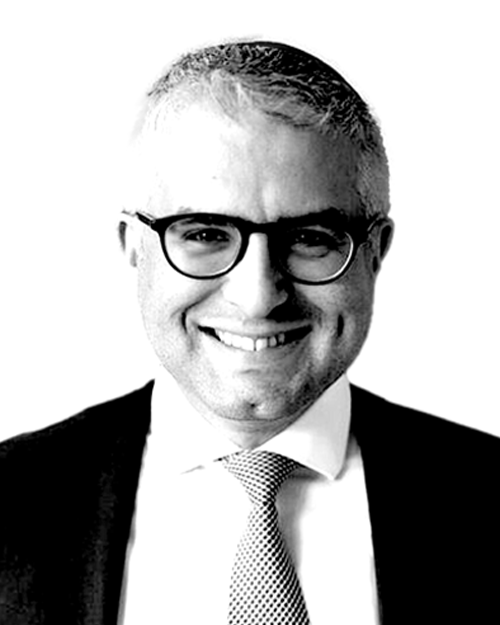
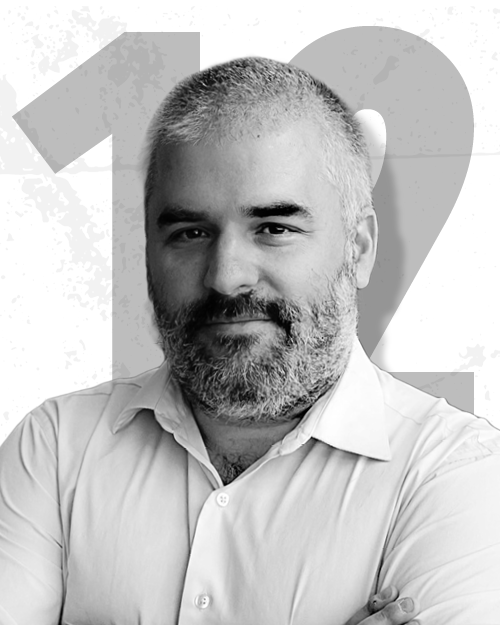
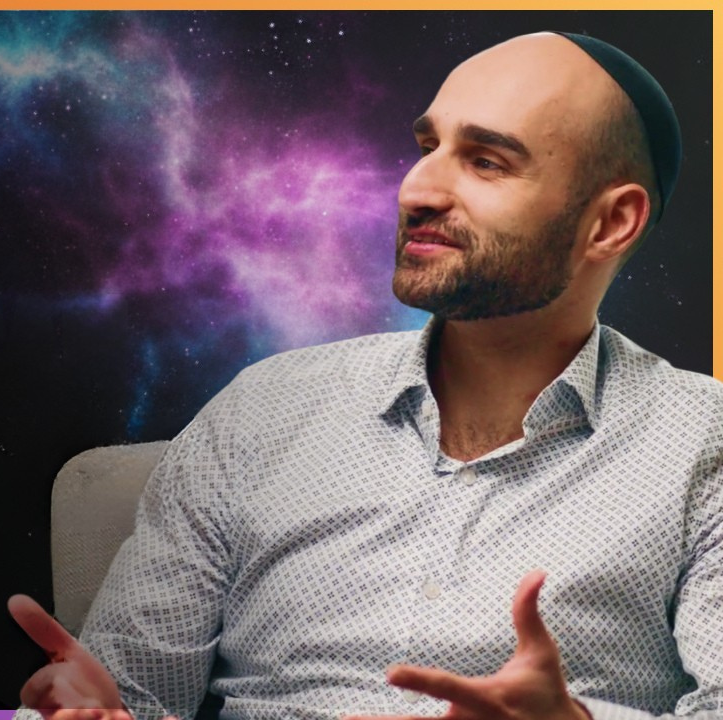
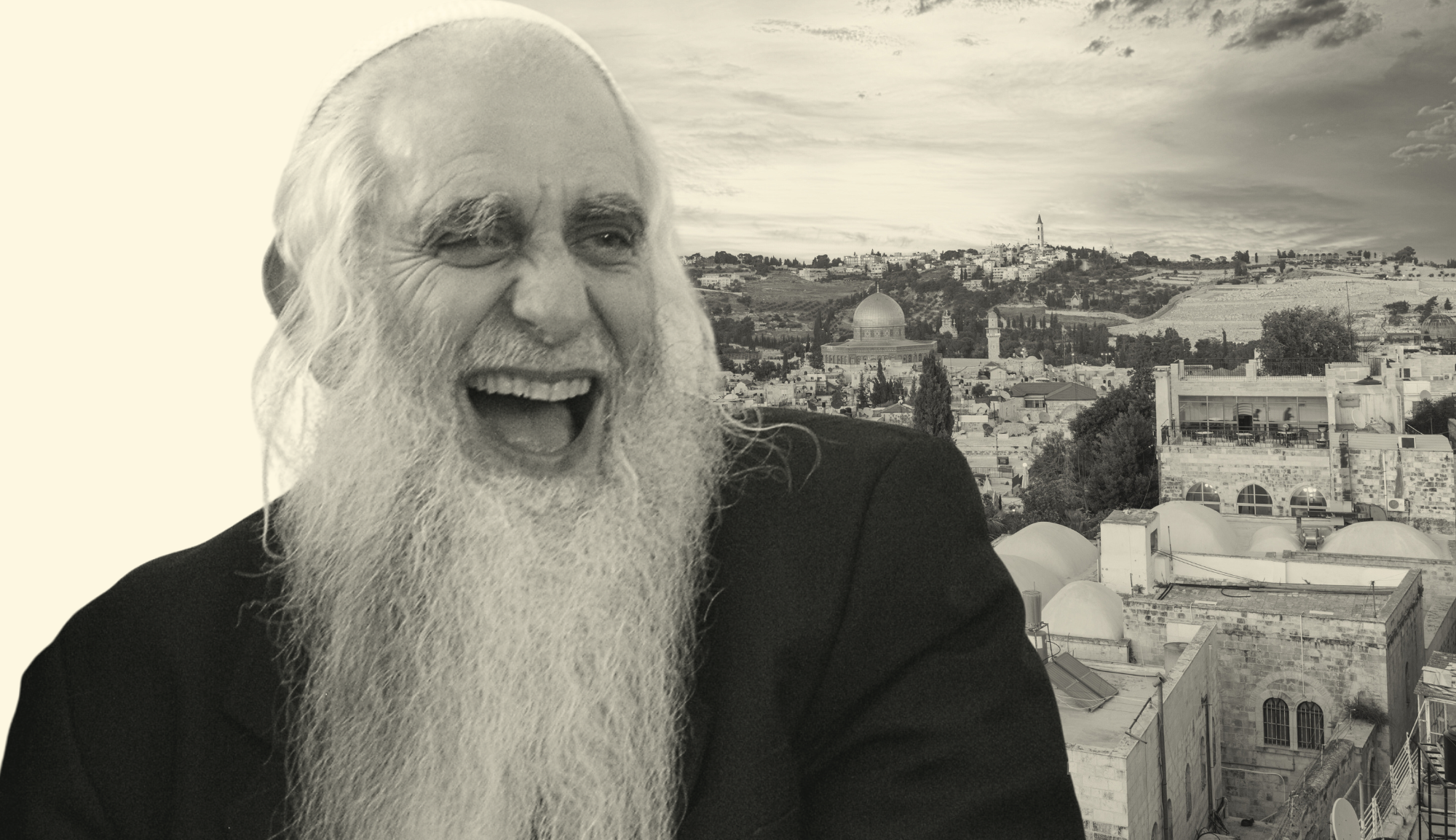
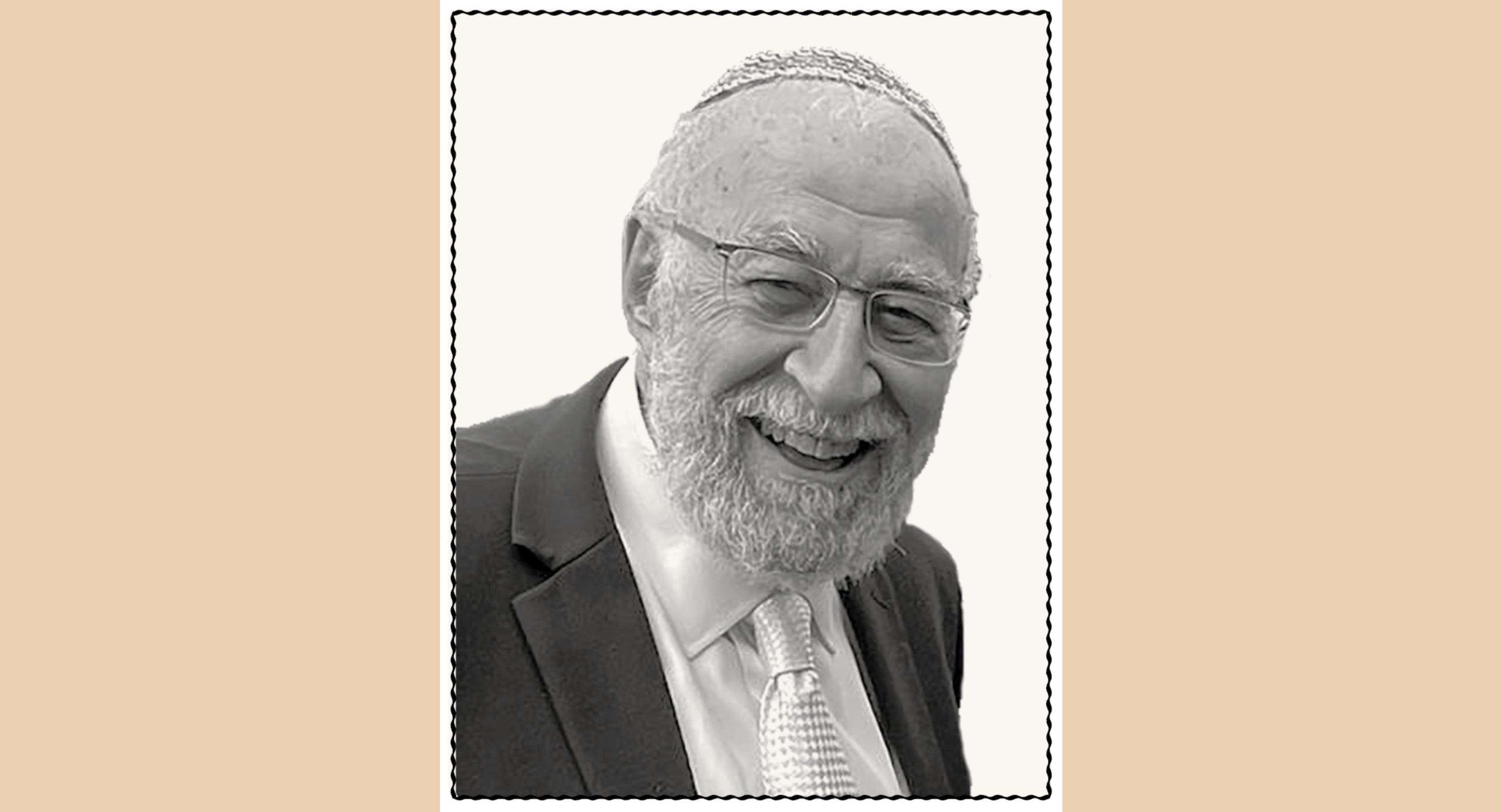
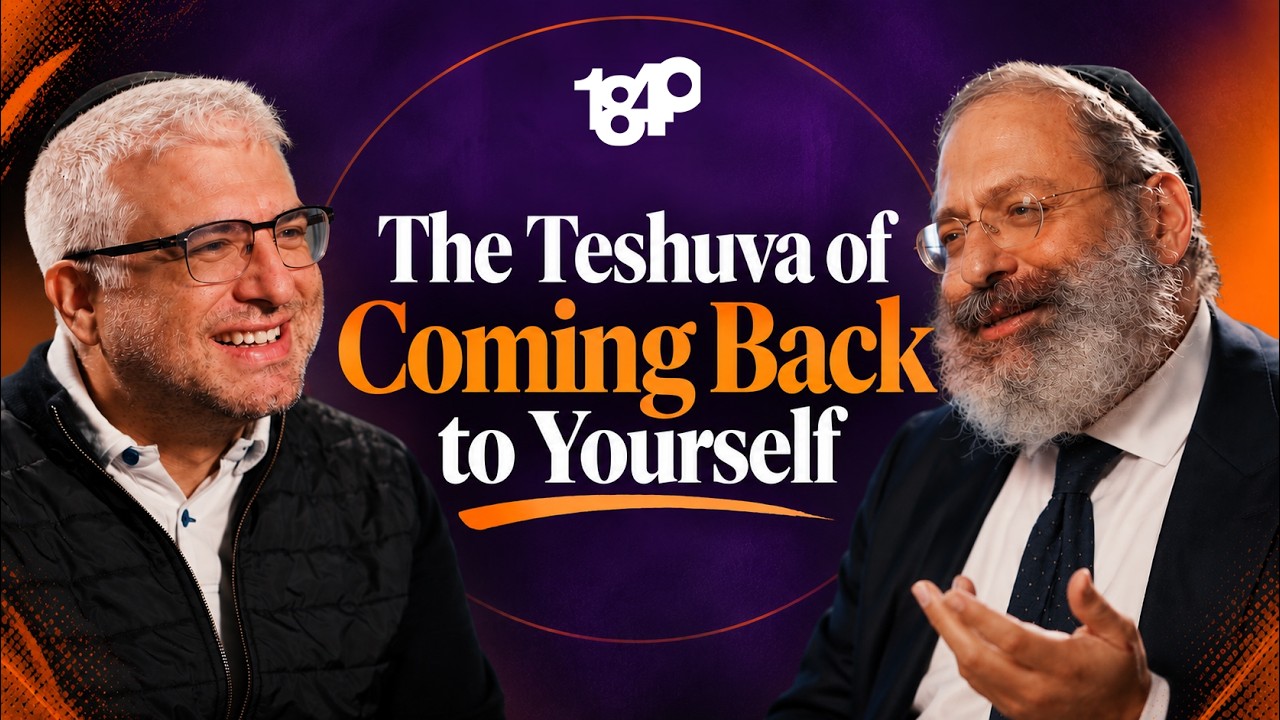
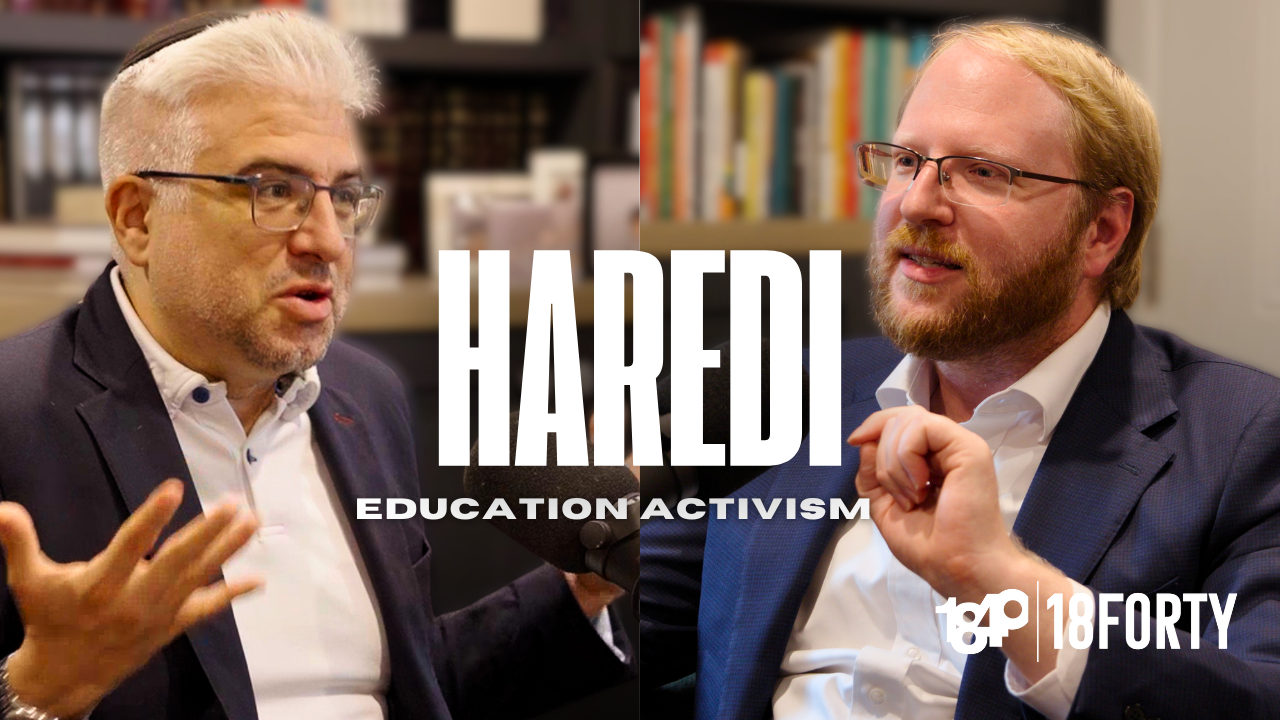
RABBI DR BENJI LEVY. Rabbi Dr. Meir Sendor, the leader of Tal Orot and the director, which is really a Jewish contemplative society, [giving the] opportunity to connect more people with their heritage and think more deeply about life. Thank you so much for joining us here today.
RABBI DR MEIR SENDOR. It’s a pleasure.
LEVY. So what is Jewish mysticism?
SENDOR. Yeah. So the first question is what is mysticism? It is the direct experience of divine reality. That’s what it’s about. And divine reality includes heavenly reality. It’s certainly – it’s direct experience to the extent we can have an experience of Hashem and all of the structures of shamayim [heaven], angels and on. That’s mysticism.
Jewish mysticism is the Jewish experiences of divine reality over the course of our heritage, of our centuries. And we can go on with that. Kabbala is often understood as the very essence of Jewish mysticism, but actually it reaches back to Sinai itself. We could ask the question, is Judaism a mystical religion? And you’d have to say yes. If mysticism is a direct experience of divine reality, Har Sinai [the revelation at Sinai] was a collective direct experience of divine reality. All of the neviim –
LEVY. The prophets.
SENDOR. The prophets, a direct experience of divine reality. The Rabbinic period, the development of meditation methods of the Yordei Merkava [first- to sixth-century mystics] and the Olei Hechalot [mystics from the talmudic era], these extraordinary experiences of the angelic realms, direct experience of divine reality. And then on into the period of the rabbanim [rabbinic period], an extraordinary book appears, Sefer Yetzira, which is, it’s a concise, brief book, but it lays out a whole vision of the structure of reality. That God creates reality based on the ten sefirot, which are numbers and qualities of divine revelation, and the twenty-two letters of the Hebrew alphabet. And it goes into detail on how reality is structured that way.
And then in the philosophic tradition and the rabbinic tradition, the commentaries on Sefer Yetzira, we find in the late twelfth century a group of great talmidei chachamim [scholars] in Southern France, in Provence, put together all the previous mystical traditions together with Sefer Yetzira, and a structure, and a theory of the unfolding of reality from Hashem, from God, through a process of emanation, and they came up with a system. This is speaking of Rabbi Avraham ben David of Posquières and his son Rabbi Yitzchak Sagi Nahor, Rabbi Isaac the Blind. They came up with a system that was called, and then we took on calling it today, Kabbala. That’s the formal system, the putting together of the entire Jewish mystical tradition, organized according to the principles of Sefer Yetzira and the concept of emanation. So, in a nutshell, Jewish mysticism.
LEVY. So how did you get into this? What made you connect more to Jewish mysticism?
SENDOR. If you wish. I have to say, a series of personal experiences. We call them he’arat hadaat, enlightened experiences over the course of my life.
LEVY. Are you comfortable sharing one of them?
SENDOR. I could. I usually don’t. I don’t like to, what can I say? I’m bashful about it, but I will say at one point, I woke up in the middle of the night. I was in college at that time. I woke up in the middle of the night, looked around, looked at myself, and I realized I don’t know anything about this reality that I’m in. I mean, it was totally out of the blue. I don’t know anything about this reality that I’m in. And just that awareness opened me up to an extraordinary awareness, a sense of, can I say, eternal time, totally expansive. I could look back at all of time, all around me, all throughout. I felt the entire universe from one end to the other. There’s a passage in the beginning of the second perek of tractate Chagiga in which Rebbi Eliezer says that Adam HaRishon [Adam] extended from heaven to earth, and then Rebbi Yehuda in the name of Rav says from one end of the universe to the other. That’s how I felt. It says that in the light of the first day, Rebbi Eliezer continues on, that one could see from one end of the universe to the other. That’s what I could see. It lasted for quite a while. Then I actually went to sleep and then it was normal the next time. By the way, this was in the sixties, but nothing out of the ordinary was involved, okay? This was just an experience.
LEVY. Amazing.
SENDOR. So that was what set me off.
LEVY. And that’s happened multiple times in your life, something of that nature?
SENDOR. That’s happened. Yeah. Yeah.
LEVY. And then how do you transform a burst of inspiration like that into a practical approach? How did you navigate or traverse from that into actually studying these texts?
SENDOR. Well, I felt that the mystical aspects of Torah tradition is a record of such experiences, and I really felt I had to go deeply into our heritage to understand what I had experienced. And it came into focus based on the learning that I did. I was certainly attracted to the kabbalistic tradition, the Hasidic traditions, yeah.
LEVY. Wow. In an ideal world, would all Jews be mystics?
SENDOR. Yes, in an ideal world, as Jeremiah says, as many of the neviim [prophets] say, we would all have direct experience of divine reality. We all did at Sinai at one point, and may we all do again.
LEVY. So when you say direct experience of divine reality, you’re referring to God in whatever way that means. What do you think of when you think of God?
SENDOR. That’s a great question. In the Kabbalistic tradition, and very importantly, God is one and God is ein sof [infinite]. And it’s important to have both aspects of God –
LEVY. God is one and infinite.
SENDOR. One and infinite. And just to even try to put that together in some sense in your mind is mind-blowing. But it is important to remember, because there are other religions that consider themselves monotheistic, but monotheism alone, seeing God as one, can get rather narrow. It’s an exclusive oneness. But when we understand, as the Kabbalistic tradition insists, that God is ein sof, beyond all names, beyond all forms, beyond any attempt to grasp, apprehend God, this opens up our minds transcendently, ad ein sof, and endlessly and infinitely.
But along with that, I think it’s very important to remember, God says, Anochi [I am]. God is also personal to a level that we cannot even begin to comprehend, but personal, intimate, and yet, yes, one Ein Sof [Infinite Being]. And to put all of that [together] –
LEVY. So you’ve described so many paradoxes there and so many profound depths. Is there an image you have? Is there a feeling you have? Is there a sensation you have when you think of God?
SENDOR. Hopefully not. Because we’re not to have an image and any sensation that you have on one day of a sense of intimacy with God, the next day will be different. And that’s very important. It’s –
LEVY. Ehyeh asher Ehyeh.
SENDOR. Ehyeh asher Ehyeh.
LEVY. Always eminent and changing.
SENDOR. Beautiful. I will be as I will be, exactly.
LEVY. And so what’s the purpose of the Jewish People?
SENDOR. To be honest, I think we’re the honest people. Honest ethically, honest spiritually, trying to be honest about reality. And that shows in so many ways, even in our love of argument and discussion, we’re looking for truth. And in that sense, that’s how we are the “or goyim” [light unto the nations]. By the way, let me say something about that phrase. It’s a pet peeve –
LEVY. Be a light unto the nations.
SENDOR. Ah, but it’s actually, that’s a pet peeve of mine, sorry. Whenever Isaiah says it, it’s “or goyim,” not or lagoyim. Often quoted in texts as or lagoyim, it’s not or lagoyim. Or lagoyim means we’re a light unto the nations, as if we are apart from the nations and bestowing something upon the nations. We’re a light of the nations, it’s a genitive construct, “or goyim.” And from within the nations, we are to be that light of truth and honesty, of compassion, of mutual helping each other. I mean, that that’s what we’re about. When Hashem says to Avraham Avinu, “lech lecha” –
LEVY. He tells Abraham to go.
SENDOR. To go. Where was he sending Avraham Avinu in those days? He sent Abraham into the most dangerous neighborhood in the world, which by the way, it still is, the most dangerous neighborhood, Canaan. It’s called derech hayam [the way of the sea] between the great civilizations of Egypt and Mesopotamia. It’s where there were all these mom and pop tribes that were constantly fighting each other, preying on the caravans going between the two civilizations, or extorting them to allow them through. And into this wild, wild East, you know, wild wild West, from Abraham, Hashem [God] sends Abraham to this place, why and with what? With an ethical vision, with a spiritual vision, with his connection to Hashem himself, to bring light, to bring enlightenment, to bring morality to the nations. And with what – that ethical vision that ultimately laid the groundwork for the reception of the Torah itself.
LEVY. And that ethical vision continues to be our purpose in this world.
SENDOR. That is our purpose in this world.
LEVY. So how does prayer work?
SENDOR. Prayer is our talking to God. The question is, do we really talk to God? We have now the nusach keva, the fixed liturgy in a siddur [prayer book], and you can page through the siddur in tefilla [prayer] three times a day, and you can end up just reading a book. Does it go anywhere? That’s the question.
There’s a Baal Shem Tov story. He was once with some of his Hasidim and they approached a shul [synagogue], and he stepped into the synagogue and then he stepped out. He stepped in and he stepped out, and the Hasidim that were with him said, “What’s going on?”
He said, “I can’t go in. The beit knesset [synagogue] is filled with prayers.”
And the Hasidim said, “Well, that’s a good thing. Shouldn’t a beit knesset be filled with prayers?”
He said, “No, you don’t understand. It’s filled with prayers that aren’t going anywhere. They’re just sitting here and they’re not really reaching to shamayim [heaven].”
When it comes to tefilla, it don’t mean a thing if it ain’t got that fling. You’ve got to be able to fling it to Hashem. So how do we do that? And that’s the great challenge. We have the defining pasuk [verse] before we start the Amida [prayer], really I think it gives us an orientation to what tefilla is about. We say, “Hashem sefatai tiftach, ufi yagid tehilatecha.” We say, God, open my lips and my mouth will declare your praise. So who’s praying? God, open my lips and my mouth –
LEVY. Sounds like God is praying through you.
SENDOR. It’s God praying through us. And in truth, we sort of ask God to do this, but this is happening all the time as the kabbalistic tradition, the Hasidic tradition, the Baal Shem Tov, the Maggid of Mezritch, whenever we speak, it’s the the world of words that is the Divine speaking through us. We didn’t invent language. We find ourselves with the ability to speak. We find ourselves with language. That’s empowered from beyond us. And it’s empowered by Hashem himself, by God himself. So if we pray in this way, the Baal Shem Tov recommends this, the Maggid recommends it.
There’s a beautiful passage in Imrei Pinchas. Rabbi Pinchas of Koretz says when you really understand what’s happening in tefilla [prayer], that the tefilla itself is God speaking through you. That’s what’s happening. And so tefilla itself, done with this consciousness, is a profoundly mystical experience. That’s the tefilla really as it’s intended to be when Chazal [the Sages] put, the rabbis put this verse from Psalms at the beginning of their Amida, which is the climax of tefilla: God open my lips and my mouth will declare your praise. How close are we to God? God is opening our lips in praise of God. How beautiful that is. How beautiful. So that’s tefilla.
Then there’s meditation, or even taking a contemplative approach to tefilla [prayer] itself. This is something I’m personally invested in. From those experiences that I’ve had, I’ve seen the importance of meditation, and we have a profound, rich tradition of Jewish meditation, authentic Jewish meditation, that attunes our consciousness to be able to appreciate our constant connection with Hashem, to be able to to pray with a sense that this is the most intimate relationship that we that we have with Hashem as we voice these words. I mean, Maimonides in the Guide for the Perplexed in part three, chapter thirty-two, hints that perhaps the the highest way of communing with Hashem is through meditation, and he actually gives some suggestions later on, meditation practices, in part three, chapter fifty-one.
But there’s a place for tefilla in words as well. The Maharal talks about this, that words are this sort of center of meaning of our being. And so we can use words, but to use them in a contemplative way, to use them and to be able to fling them to God, so to speak. And that’s a little [about] tefilla.
LEVY. Amazing. And what about Torah study? What’s the goal of Torah study?
SENDOR. On the one hand, it gives us information on ratzon Hashem –
LEVY. The will of God.
SENDOR. What is the will of God? But it’s not just information on the will of God. It’s attunement to the will of God in the process of the study itself. Here, one of the great, great insights into Torah study is from Rabbi Chaim of Volozhin in Nefesh HaChayim, part four, where he says basically, when you are studying Torah, you are immersed in ratzon Hashem [God’s will] and you are immersed in daat Hashem, the mind of God. You’re immersed in the will of God and the mind of God. And to understand that that’s what’s happening when we’re learning Torah is profound. When you can learn in that way there is a kind of a flow. I mean, the study itself is not just to give us information, it’s the attunement itself to God’s mind. And that’s a profound thing.
LEVY. Does Jewish mysticism view men and women as the same?
SENDOR. No. One of my favorite, more contemporary philosophers is Emmanuel Levinas, and he warns us about this phrase, “the same.” Be very careful with the same. It’s a reductionist kind of phrase. And today, frankly, with what’s going on in the perversions of woke culture, it’s really important, I think, to straighten this out a bit. Men and women are created betzelem Elokim –
LEVY. In the image of God.
SENDOR. In the image of God. And men and women together are the image of God. That’s one of the deep ideas of Torah, perhaps one of the deepest ideas. That’s our compatibility with God, that we are in the image of God. And only as men and women together. We have commonalities, certainly. We have ways in which we’re complementary with each other. I am wary, on the one hand, of boxing men and women into very rigid roles. Today women are learning Torah at an extraordinary rate, and that was not the case more than a century ago. Our daughter Atara is one of the directors at Nishmat, where women are learning at a really sophisticated level in Yerushalayim.
And that that ability needs to be explored. And yet, there are differences. As every couple knows, husband and wife, there are commonalities and aspects that are importantly complementary. In the kabbalistic sense, Adam and Chava, Adam and Eve, were created du partzufim [with two faces], originally as one being, and then there’s the process of nesira –
LEVY. Separation.
SENDOR. Separation, of sawing apart. It’s in tractate Berachot, and then it becomes a major theme in the Zohar, but particularly in the Torah of the Arizal, Rav Yitzchak Luria, sixteenth-century kabbalist. And so they’re originally one being. That sounds very unified. What could be better than that? But they were created back to back. In tractate Berachot and in kabbalistic, Zohar et cetera. Back to back. And they’re sawed down the middle and brought face to face. So Rabbi Chaim Vital in Etz Chayim talks about sod hanesira, the secret or the mystery of this sawing apart. One might have thought that what could be more unified? They’re one body, but back to back, facing in different directions. That’s unified, but they’re facing in different directions. They’re sawed apart and brought back together, panim el panim, face to face. That unity, that spiritual awareness, being separate beings and yet spiritually connected is considered a higher unity than that original physical unity. So that’s very much, I think, a beautiful, symbolic framework for understanding both the commonality and the complementarity of men and women together, and we need to respect both. And I think every healthy couple understands all those balances.
LEVY. So you’re involved in creating a more contemplative society, making people contemplate more, be in tune to themselves, and be more spiritual. What do you see as the greatest obstacle to living a more spiritual life?
SENDOR. Nice question. I can approach this in two ways. On a practical level, distraction. As they say, we’re distracted from distraction by distraction. And the technologies that we have, particularly the social media and the cell phones – I have a smartphone, so I’m not saying not to have one, but they can really distract us. They’ve apparently had an effect on even children’s attention spans. That’s a very serious problem in terms of spiritual development because spiritual development requires one important aspect, learning to stabilize your consciousness. Not in a rigid way, very flexible, but you need to be able to stabilize attention in order to expand attention. Otherwise, it’s just jumping all over the place. So, that’s on a practical level. The technology today is a bracha [blessing] in many ways, but we have to learn to handle it and handle ourselves in it more effectively, to learn how to concentrate, to learn how to stabilize attention. That’s on the practical level.
On a theoretical level, there are certain habits of thought that we have that we should pay attention to. It’s an issue that I’m working on right now. This is something that’s explored in the phenomenological philosophic tradition of the twentieth-, twenty-first centuries. Husserl, Levinas, Sartre. We have to be aware of ways in which we use consciousness that negate reality rather than affirming it. And I’ll just put this out there. Learning, watching the ways in which we think, ways in which we conceptualize things are often by defining them, negating them in relationship to other things. We have to learn how to cultivate more expansive positivity in thinking and watch out for those places where we’re introducing negation and nullity into the ways in which we relate. So this affects the way in which we approach knowledge and what knowing means. What does it mean to know, to understand? When we create separating categories, we also have to understand how things fit together. Anyway, that’s on a more theoretical level. But on the practical level.
LEVY. So why did God create the world?
SENDOR. Maimonides warns us in the Guide for the Perplexed to be careful about that question, I mean, with all due respect. It’s a great question because you’ll see that some mekubalim [mystics] also make suggestions about why God created the world. Maimonides warns us, we do not know. And it’s important to acknowledge we don’t know. He says the world is not created for human beings. So that’s an amazing statement. This is in part three, like chapter thirteen or something like that, part three of Moreh Nevuchim, The Guide for the Perplexed. He says, every being in the world was created for itself. If it exists, God created it, because God wants that being. The world is not created for human beings. We are created because God created us for whatever God’s reason. We could try to frame this, but any kind of framing that we do, it’s reductive, we’re just reducing this incredible, mysterious world to some small concept that now we feel comfortable that we know why the world exists. So, we don’t know. I think it’s really important to be honest about that.
I’ll just say though that through most of the Zohar, the recurrent theme is that the world is and the goal of humanity is to know kavod Hashem. Now the kavod is God’s manifestation. Now God is hidden. But actually God is manifest in plain sight. God is ein sof, infinite. God is infinitely manifest, but we’re not aware of it. We miss it all the time. God is absolute. We are infinitely here. We are not just here, we are infinitely here. Not here forever, but so absolutely, infinitely here that is mind-blowing if we could get that. And that we are infinitely here is because God is infinite, absolute One. But we miss it all the time. It’s too much for us.
One of my favorite little vignettes in the Gemara, in tractate Chullin, Rabbi Yehoshua ben Chananya, the great Rabbi Yehoshua, has a series of interviews with Hadrian before Hadrian really became the evil oppressor of the Jews, the destroyer. Rebbi Yehoshua was a great leader, also a politician, a diplomat. I’ll say [he was] trying to keep things smooth with Hadrian. So Hadrian at one point asks him, “Show me your God.” Hadrian’s an idolater and Judaism is a great challenge to idolatry, and he knows that you can’t show God.
So Rebbi Yehoshua says, “Hadrian, I can’t show you God. God’s not an idol.”
“I insist,” says Hadrian.
So Rebbi Yehoshua takes him out outside in tekufat Tammuz, we’re almost in that now, in the height of the summer, on a hot, sunny day, and he tells Hadrian, “Look at the sun directly.”
And Hadrian says, “I can’t.”
And Rebbi Yehoshua says, “The sun is just a creation of God and you say you can’t look at it, all the more so, God is hiding in plain sight. Your mind can’t grasp God.”
And this is a major theme in Jewish mysticism, in hechalot and merkava [genres of Jewish esotericism], and certainly in Kabbala. “Lo yirani haadam vachai.” In the Torah, God says to Moshe, a human being cannot see Me and live. God is overwhelmingly manifest, but something about our minds can’t grasp that. It’s not possible.
LEVY. So do we have free will in this whole process? Does free will exist and if so, what is it?
SENDOR. Yeah, I think free will is highly overrated. Certainly the history of twentieth century psychology sort of shows it’s highly overrated. But we do have flexibility of will, and that’s very important. For most of us, free will is binary, choose this, choose that. But no, the essence of that free will is a flexibility that we have to make choices to be responsible. Rabbi Yaakov Leiner in Beit Yaakov, Rabbi Yaakov Leiner of Izhbitz, has an amazing statement on Parashat [Torah portion of] Lech Lecha. He says, God does not want us to be stuck in one quality, and one derech, and one way of doing things all the time. And we think, oh, being consistent, you think of that certainly in Torah terms, being consistent and regular. No, he says, God does not want us to be stuck in one way of being. God wants us to be flexible to follow the will of God wherever it takes us. And so we need to be flexible. And sometimes it’s one quality, and sometimes it’s another quality, and it’s situational. And you have to be responsive to follow the will of God wherever that leads. So there’s that great passage in Melachim [Kings]. [King] Ahab is searching for Eliyahu HaNavi to kill him –
LEVY. Elijah the prophet.
SENDOR. Yeah, Elijah the prophet. And the wicked king Ahab has a servant called Ovadyahu, who secretly is a supporter of Eliyahu HaNavi. He reveres him and supports the neviim, the prophets. But Ovadyahu is a servant of the king. So Ahab says, “Let’s search for Eliyahu HaNavi. I’m going to go one direction, you go to the other direction.” So Ovadyahu is on the road and he runs into Eliyahu HaNavi.
And Eliyahu says to him, “Tell Ahab I’m going to meet him, bring his prophets of the baal, the idolaters, to Har Carmel.” This is the run up to the showdown at Mount Carmel.
And Ovadyahu says, “You’re going to kill me. Because I’m going to say to Ahab you’re going to meet him at Har Carmel, and the Ruach Hashem yisacha, the spirit of God will carry you off, el anee lo eida, to a place that I don’t know, and I’ll never be able to find you.” You’re always off here and there and here and there. That’s a model. It sounds like he’s being inconsistent. But no, that’s a model for the flexibility that we need, this is the free will that we need to have to follow retzon Hashem, the will of God, wherever it leads us. That’s the vision. So free will is for the sake of responsibility, flexibility is for the sake of responsibility.
LEVY. Nice. So what do you think of when you think of Mashiach, the Messiah?
SENDOR. I take Maimonides, the Rambam’s approach. He’s a human being but he has the full development of all potentialities of human consciousness. And that, by the way, is amazing. Amazing.
LEVY. What does that mean?
SENDOR. He is operating in this world and in all worlds. He is able to connect on empathic levels, telepathic levels with other human beings. Extraordinary perception, in many different levels, visual perception, auditory perception. He has a prophetic consciousness but he’s a human being. He is not magical. He will not solve all of our personal problems. His goal, his task, as the Rambam says, is to bring political peace to the world so that if the world is in peace, we can all move on to develop ourselves ethically and spiritually. That’s the Mashiach.
And I think sometimes inordinate focus is placed on the concept of the Mashiach as if he will solve all your personal problems. No, it will just give you respite from all the other oppressive or distracting issues so that you can really work on a deeper awareness and deeper ethical and spiritual maturity.
LEVY. So if that happens in a Messianic Era, so to speak, is the State of Israel part of the final redemption?
SENDOR. I feel so. What can I say? I don’t know these things, but this is extraordinary. To be here in Eretz Yisrael [the Land of Israel], it’s amazing. We, one way or another, need this process that we’re going through. It’s messy. We’re bringing all that we have experienced over the centuries of exile with us. Things we’ve learned, great things, also some bad habits. We’re trying to create a just society. We’re harassed horrifically from all roundabouts. But we have that honesty, we have that good heart, we have that compassion. And in that sense, I do feel that we need this process. The mentality of galut, of exile, is a stuck mentality. We need the experiences that we are going through now in terms of political power, in terms of social justice, in terms of all of these issues. We need to work these out. So in this, I will say, one of my all-time great rabbinic heroes is Rabbi Kook, Rabbi Abraham Isaac HaKohen Kook, on this, and I think his vision is just right on target with this.
LEVY. So what is the greatest challenge facing the world today while we’re trying to work this all out? What are one of those challenges we need to work out?
SENDOR. There are so many.
LEVY. Pick one.
SENDOR. Oh my God. Greatest challenge in the world today.
LEVY. Or one of them.
SENDOR. People learning to listen to each other, to respect each other. Within any given society, across societies, the world, just open our hearts to each other. Learn to listen. This is an incredible world. It’s so beautiful. It’s so miraculous. Imagine, I do some interfaith work, I have done for many years. And when you meet people of good heart and good will and you say, we’ve got so much that we can share together. And then the differences we can respect also. Just listen, just open your heart. That’s what I think we need to do. What the challenges are that keep us from that, well, whatever. There are many illusions, falsehoods, and power issues of all kinds. But I think that learning to listen with an open heart and with respect to each other.
LEVY. And how has modernity changed Jewish mysticism?
SENDOR. How interesting. Interesting question. In some ways, you can approach this on the academic level. My academic field is the history of Kabbala, of Jewish mysticism in general. And certainly the tools that we have in modernity, of historical accuracy and understanding, understanding development of movements in historical context. I think that has helped a lot.
Modernity gets a bad rap for many good reasons. But in the service of truth and honesty, becoming more historically aware, I think, has helped me a lot in terms of understanding how to read a mekubal [mystics] from the thirteenth century, and how to read a mekubal from the sixteenth century, and how to read an admor [spiritual leader, rabbi, and teacher] from the eighteenth or nineteenth century. Or how to go back to the merkava mystics or the heichalot mystics. Understanding the context, the historical context, is important. I think that’s one of the things that modernity gets.
Modernity, this historical vision, we saw it already developing in the medieval period. Nachmanides, in his commentaries, often has a developing historical sense of context. And that’s very important. Without that, Jewish mysticism can sometimes devolve into the magical, devolve into fantasy. And I think one of the positive aspects of modernity is that sense of historicity.
LEVY. So what’s the difference between Jewish mysticism and other schools of thought, other mysticisms out there, other religions that have mystical traditions?
SENDOR. Yeah. Let’s focus on what I think for most Jews is the distinction between Judaism and the Asian religions. Because most Jews are not attracted to Christianity or to Islam. But there has been great attraction to certain –
LEVY. To the East.
SENDOR. Sort of sanitized versions of Buddhism and even Hinduism, but let’s take Buddhism. There are certain commonalities. Kabbala is a science of consciousness. We have a rich meditation tradition of all kinds of meditation practices. And they are profound. And Buddhism, Hinduism, Buddhism has a rich development in all of its forms of meditation practice. It’s at the very core of Buddhism. It has been very attractive to Jews, particularly when it’s sanitized from the idolatrous aspects, which still creep in even though it’s considered itself an atheistic religion. On a folk level, it’s full of its idolatries.
The major difference, I will say, I’ll just focus on one issue, the vision of enlightenment, or for us, he’arat hadaat. From what I know of Buddhism, I’m not a scholar of Buddhism, but I’ve certainly learned some comparative religion. The enlightenment experience, and it’s not just one experience, it develops in many different [ways], but it’s really focused on consciousness becoming in phase with itself. And when consciousness is in phase with itself, a state of eternity, it’s a state in which you feel at one with all. And that’s wonderful. It can be quite blissful. It’s a blissful experience when consciousness is in tune, flows into and with itself. So blissful that you can get stuck in that.
He’arat hadaat, as it’s described by Nachmanides, Maimonides, and others is: you attain that level of awareness in which consciousness is in phase with itself and fully, fully developed and expansive, but it then goes one further to prophetic consciousness, which is now in this state of awareness, relating to Hashem, Ein Sof [Infinite Being], relating to Hashem as Hashem, to God as God reveals God’s self. And that’s a further step. It’s the state of fully realized consciousness and then moving it past itself, transcending that, opening that beyond.
I’m not saying that there very well might be Buddhist practitioners that achieve other states that come towards that, but that’s not the way they describe it. But for us, it’s prophetic enlightenment, prophetic consciousness, in which now, not only can I talk to God like in tefilla [prayer], but God talks to us, and we can have a real communion. That’s an extraordinary consciousness. It’s amazing, right? And so prophetic consciousness is the big difference. And I think that’s important, and as much as I appreciate the contributions of other religions and they’re fine unto themselves, this is what the ultimate full realization of humanity is about.
LEVY. Does one need to be religious to study Jewish mysticism?
SENDOR. I think so. Certainly our tradition says so.
LEVY. Why is that?
SENDOR. The moral discipline, the intellectual discipline, the heart discipline, the sense of, let’s call it the devotional discipline. All of these are really important aspects of a fully-developed mystical life. I think without those disciplines, mysticism can become very self-absorbed. And the very essence of the Torah vision is against, is opposite. It’s not self-absorption –
LEVY. Bittul, it’s nullification.
SENDOR. Bittul, right. And not just bittul, but it’s moving towards others. Here, I think again that the thought of Emmanuel Levinas, really important, he was a Torah Jew. He’s the greatest philosopher of the twentieth century, in my opinion and in many. And it’s that full development of human beings, in our connection with others and with the ultimate other, he’s very clear about that. That’s what it’s about. And for that you need the devotional discipline of a religious life.
LEVY. So can it actually be dangerous? Can Jewish mysticism be dangerous?
SENDOR. Oh, we’re told yes. The cautionary tale in tractate Chagiga of the “arbaa she’nichnesu laPardes,” the four great rabbis who entered the mystical orchard, and only one, Rabbi Akiva, came out whole. And he came out. And it’s important to not only to be in that state, but also to to leave that state and to be in the world with others.
There are accounts of great Jewish mystics, kabbalists, who seem to have gone a bit off the rails. Rabbi Avraham Abulafia is one of the great, extraordinary individuals, but his meditation method is very demanding and can be mentally destabilizing. And it happens. In fact, his students even talk about that as well, and it seems that he got destabilized at a certain point in his life. [He] saw himself as messianic and came out of it, so yes, the meditation practices that we have are very rigorous, they’re not for everybody. They should be done in a graded way, step-by-step, because in all meditation you’re pushing to the edge of sanity. You have to know how to step back from that edge.
LEVY. Has your study in Jewish mysticism had an influence on practical relationships in your own life? With your spouse, with your children, with your grandchildren, with your students, with broader society, with your friends? And if so, can you give one example that shows how that is expressed?
SENDOR. Yeah. First of all, that’s really such an important point. Mysticism gets a bit of a bad rap both in general and in Jewish context as being self-absorbed and self-focused. And mystics are often portrayed as luftmenschen, as airheads that are in some other world. It’s really important to be in this world. And if your divine awareness, your direct awareness of divine reality, doesn’t issue in ethical practice and greater compassion and greater care for others, it’s not worth anything.
Maimonides, at the very end, the last chapter of his great Guide for the Perplexed, lays it out. He says basically the goal of human life is to come to be aware of the reality of God through understanding the reality of the world, very important, scientifically, and with that sense of the reality of God, to emulate God’s qualities. We’re in the image of God, to emulate God’s qualities, the ones that he mentions from the verse from Jeremiah, “chesed, mishpat, utzedaka,” love, judgment, and righteousness. Those are symbolic of all of the qualities that God wants, to then instantiate those qualities in our everyday life. That’s what it’s about.
LEVY. So is there a practical example with a relationship with yourself or with others that you see this applied?
SENDOR. Well, I hope it’s in everything that I do and not just in certain moments. But I was the rabbi of a kehila, the rabbi of a congregation: the Young Israel of Sharon, in Sharon, Massachusetts for thirty-two years. It’s a great place, still a wonderful, wonderful kehila [congregation]. And what I tried to cultivate was a sense of awareness of every one of my congregants on their own terms, to put myself aside a bit, to see each one of them in their own terms, to try to be even sometimes telepathically sensitive, certainly empathically sensitive, to what’s going on in their lives. I wasn’t always successful in reading it right, but I did feel that, let’s say, my meditative practice, contemplative practice in general was towards becoming more sensitive to others in an empathetic and even telepathic way.
LEVY. Beautiful. And finally, we’ve discussed so many different questions and how teachings relate to it. I’d love to just invite you to share a teaching. What is one idea that is powerful, pertinent that you carry with you, among all the ones that you have, that you can share with us to conclude this great conversation?
LEVY. Okay. One of my favorites – this is from Rabbi Kalonymus Kalman Epstein, the Maor VaShemesh, in Parashat [the Torah portion of]Va’eira. It was very appropriate to this conversation. He’s interpreting the verse “sod Hashem lire’av.”
LEVY. How would you translate that?
SENDOR. The secret of God is for those who revere Him.
LEVY. Yeah.
SENDOR. The secret of God is for those, and he says, many people think that the secret of God, “sod Hashem,” is Kabbala. They think it’s the Zohar, they think it’s the mysticism of the Arizal. He mentions Rabbi Yitzchak Luria. And he says, nah, that’s not “sod Hashem.” That’s not the secret of God.
Because you can learn Kabbala. It’s actually a very rational system. You can learn the Kabbala of the Arizal, just put your mind to it and it’s highly systematic and you can learn it quite effectively. Now he says, what is the real “sod Hashem,” the secret of God? He says, that’s that essence of God that every one of us is trying to reach within ourselves, our understanding of the reality of God. And the way that each one of us connects with the reality of God. That is a real secret because, in your deepest holy of holies, heart of hearts, you can’t communicate to someone else. That’s a secret. Okay, each one of us does the best we can to understand the real how, the reality of God in our lives, and you just can’t get it across to others.
Which then sort of raises the question, well then, what are we doing with Kabbala and Chasidut in which we’re trying to do this, or the 18Forty project; what are we working on here? So, I would say it this way that yes, I cannot express this deepest sense of God and whatever you asked me about an experience that I had, years back, that started me off. I had an experience, a special experience of God in that. I didn’t, can’t mention it. I can’t explain that. It’s not possible. It’s just not possible –
LEVY. But you experienced it.
SENDOR. I experienced what I experienced.
LEVY. Yeah.
SENDOR. And yet we can, there is something we can share here. In other words, each of us is trying our best to have this experience of the reality of God and the reality of ourselves and the world and to understand this. And so we can compare notes. And that’s what our mystical traditions are. It’s the records of these experiences. So we can share notes, we can encourage each other. We can even, there are ways of deeply sharing sometimes, not getting to the core of each other’s sense of God, but encouraging each other to get closer and closer and giving each other hints.
This is something that Rabbi Chaim Volozhin mentions, that in the vision of Ezekiel that we read on Shavuot, there’s an expanse of awesome ice and then there’s a kiseh, a throne. And on the throne is the image, as it were, of the likeness of the semblance of an adam, a man on the throne. He says that adam [man] is not God. He says that adam is the “kol klalot nishmot Am Yisrael yachad,” the total collective consciousness of Am Yisrael [the Jewish People]. So there is a collective consciousness. The fact that you and I are sitting here and pretending that we understand each other is because we share consciousness on this level. And so there is a way in which we do share consciousness. And in that sense we can sort of communicate sod Hashem, that secret of God. And at least we can encourage each other in this. And I think that for me as someone who is involved in learning and teaching, that’s something that I always try to remember from the Maor VaShemesh. Everyone has their inner experience, but we can help each other, encourage each other, and share to the extent we can on our way towards more deeply understanding God.
LEVY. Rabbi Dr. Meir Sendor, I appreciate you sharing so much through this conversation, through your teachings, through the contemplative society that you’re building, and through everything you do, and we give you a blessing that you continue to do that, to access it and help others access in that process.
SENDOR. Oh, ken yehi ratzon [may it be so]. Thank you very much.