



Begin exploring
today’s
biggest Jewish
questions…
×

OTD: Leaving Religion Conclusion
As we challenge the stereotype of those who leave religion, we can begin to understand on a deeper level why some choose to leave, why some choose to stay, and how a third option of existing in the moment with doubts and uncertainty is also okay.

Summary
As we challenge the stereotype of those who leave religion, we can begin to understand on a deeper level why some choose to leave, why some choose to stay, and how a third option of existing in the moment with doubts and uncertainty is also okay.
Recommended Podcasts
podcast
Mendel Horowitz: A Good Enough Elul
We talk to Mendel Horowitz, who introduces us to the notion of having a “good-enough Elul.”
podcast
Berel Leib Epstein: Why Be a Believer?
We talk to Berel Leib Epstein about rational reasons to choose to believe in Judaism and live a Jewish life.
podcast
Aron Moss: ‘The term religious doesn’t really exist in Judaism’
Rabbi Aron Moss joins us to discuss centrality of free will and modern-day accessibility to Jewish mysticism.
podcast
Rochi Ebner: Rav Kook’s Return to Our Soul
We speak with Rachel Tova Ebner about what the spirituality of Rav Kook adds to our Jewish practice and to our understanding of ourselves.

podcast
Leah Forster: Of Comedy and Community
In this episode of the 18Forty Podcast, David sits down with Leah Forster, a world-famous ex-Hasidic comedian, to talk about how her journey has affected her comedy.
podcast
When a Parent Becomes Estranged
In this episode, we talk to a father and daughter who were estranged and then reunited.
podcast
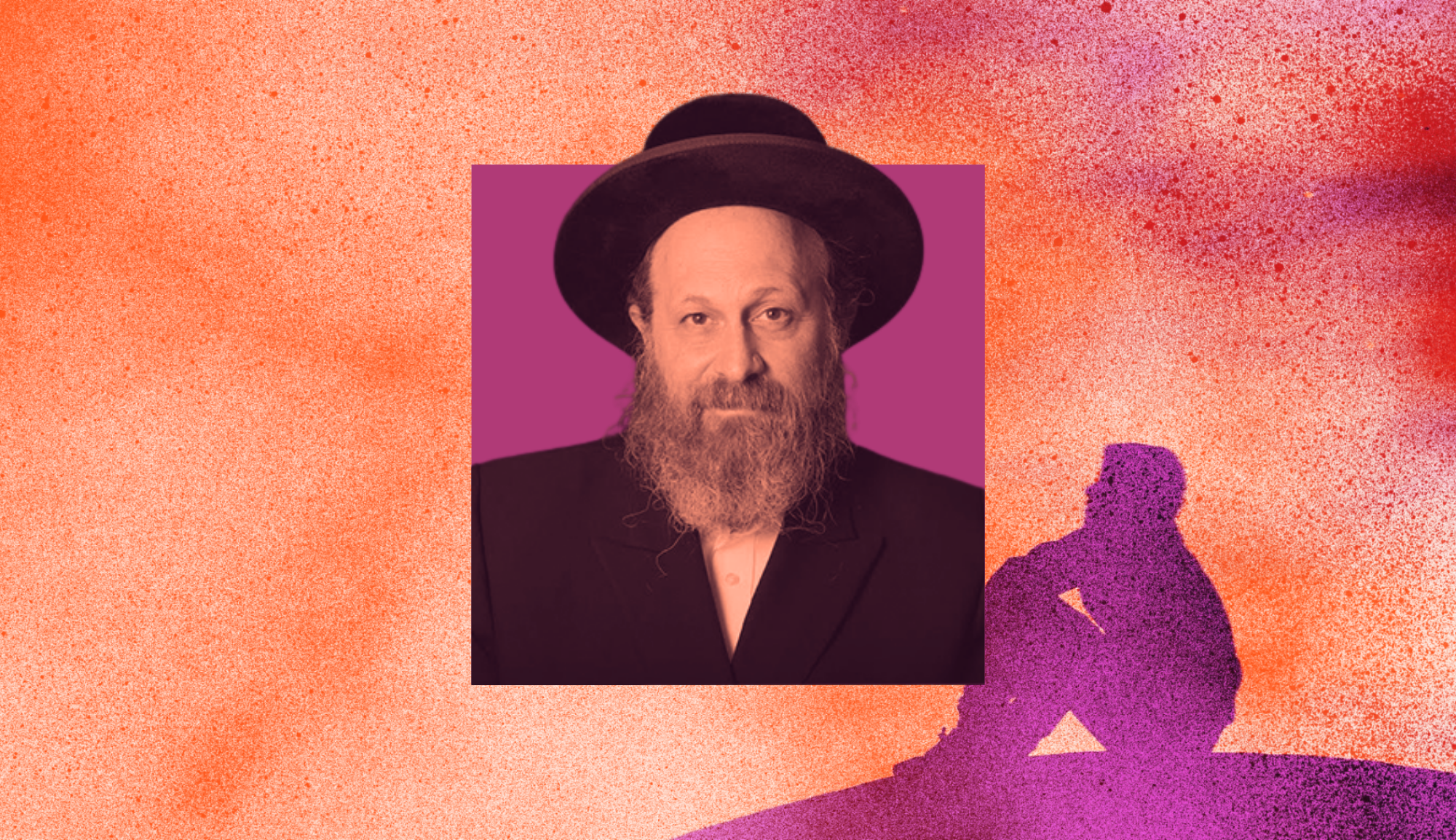
Rav Moshe Weinberger: Can Mysticism Become a Community?
In this episode of the 18Forty Podcast, we sit down with Rav Moshe Weinberger, rabbi and educator, to discuss the role of mysticism in modern-day Judaism.
podcast
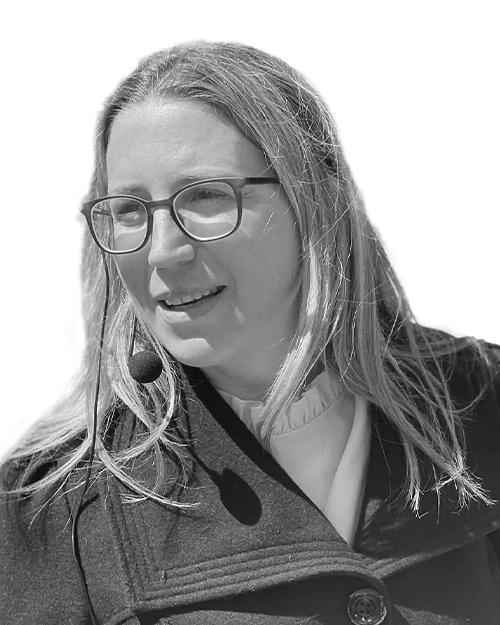
Frieda Vizel: How the World Misunderstands Hasidic Jewry
In this episode of the 18Forty Podcast, we talk to Frieda Vizel—a formerly Satmar Jew who makes educational content about Hasidic life—about her work presenting Hasidic Williamsburg to the outside world, and vice-versa.

podcast
Michael Eisenberg: Iran, USA, Israel: What Comes Next
We talk to Michael Eisenberg about the state of the Jewish People in Israel and the diaspora.
podcast
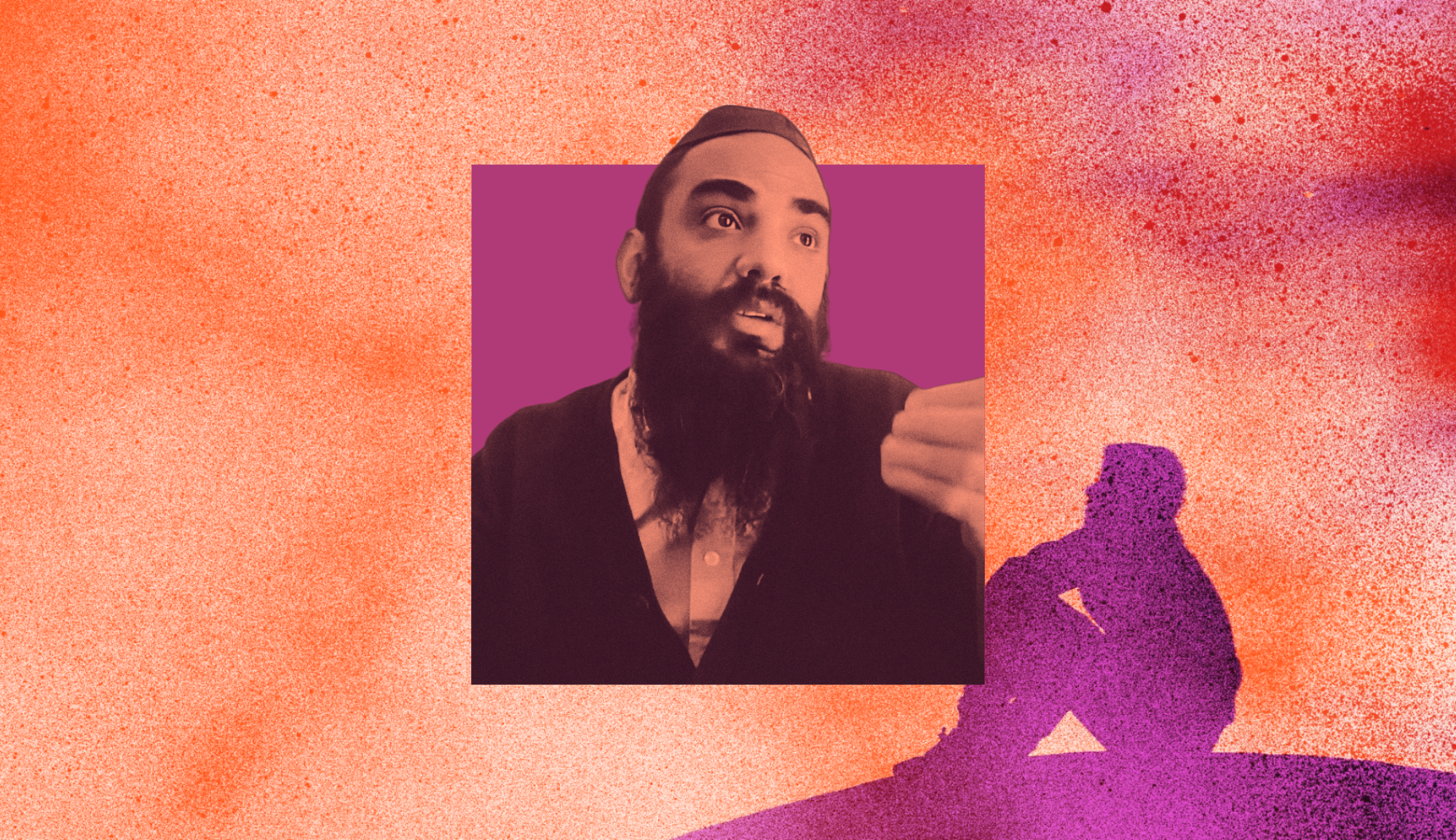
Joey Rosenfeld: Can Mysticism Heal Us?
In this episode of the 18Forty Podcast, we sit down with Joey Rosenfeld, social worker and kabbalist, to talk about the differences between mysticism and rationalism and the roles they should play in our lives.
podcast
Menachem Penner & Gedalia Robinson: A Child’s Orientation
In this episode of the 18Forty Podcast, we talk to Rabbi Menachem Penner—dean of RIETS at Yeshiva University—and his son Gedalia—a musician, cantor-in-training, and member of the LGBTQ community—about their experience in reconciling their family’s religious tradition with Gedalia’s sexual orientation.
podcast
Shalom Rosner and Sara Zimbalist: Loss, Faith, and Gratitude
We speak with Rabbi Shalom Rosner, who delivered a widely shared eulogy for Eliyahu Moshe Zimbalist—and with Eli Mo’s mother, Sara Zimbalist.
podcast
Haviv Rettig Gur: ‘Hamas is upset the death toll in Gaza isn’t higher’
Haviv answers 18 questions on Israel.

podcast
Dr. Ora Wiskind: How do you Read a Mystical Text?
In this episode of the 18Forty Podcast, we sit down with Dr. Ora Wiskind, professor and author, to discuss her life journey, both as a Jew and as an academic, and her attitude towards mysticism.

podcast
Joshua Leifer and Shaindy Ort: How Progressive Activists Rediscovered Traditional Jewish Life
In this episode of the 18Forty Podcast, we talk to Joshua Leifer and Shaindy Ort, married progressive activists who are reembracing traditional Jewish life.
podcast
Shais Taub: Teshuva of Innocence and Experience
On this episode of 18Forty, we have a wide ranging conversation with Shais Taub, a renowned Chabad scholar and author of the book God of Our Understanding: Jewish Spirituality and Recovery from Addition, about the mechanics of teshuva.

podcast
The Dardik Family: A Child Moves Away From Zionism
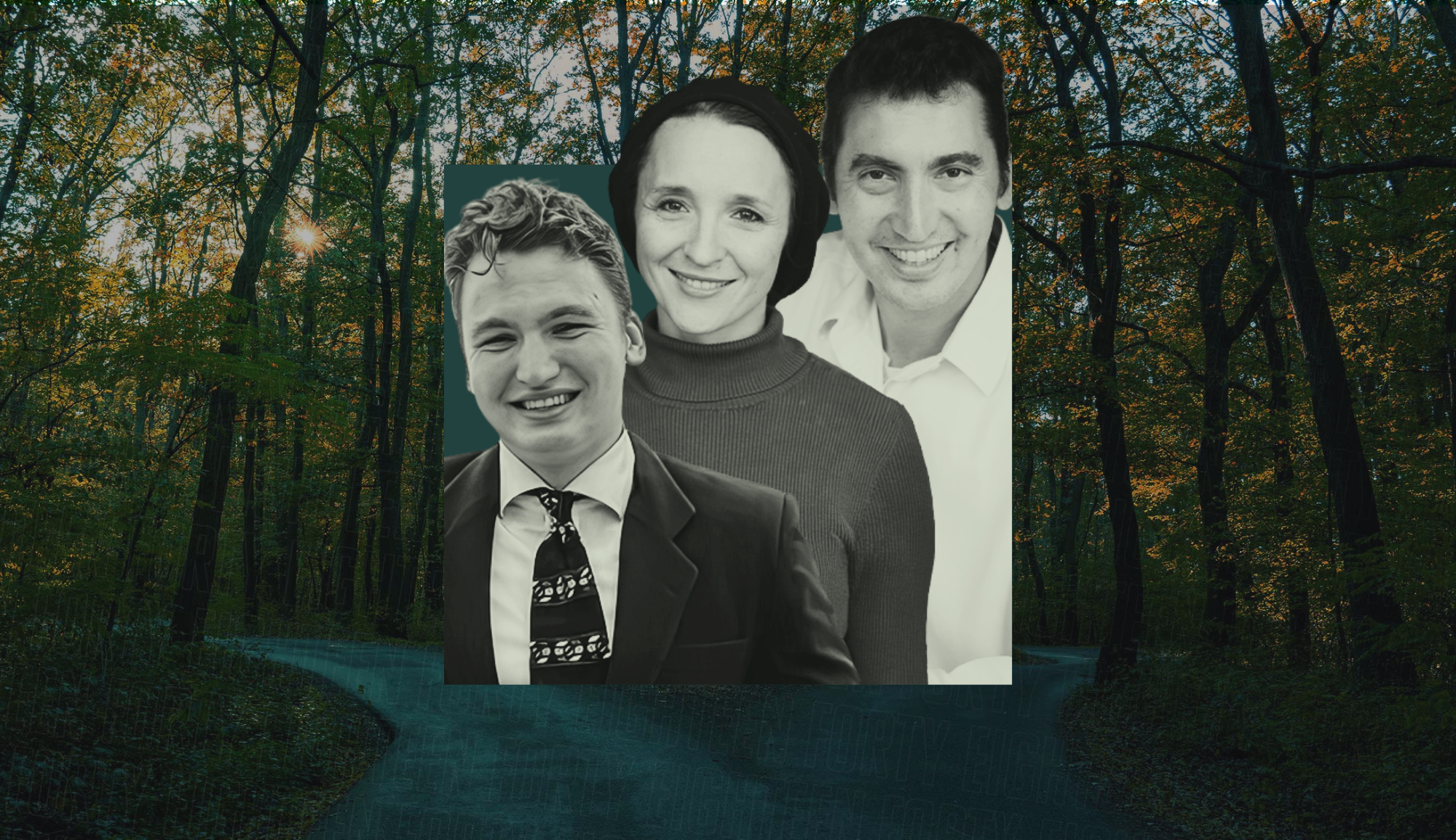
In this episode of the 18Forty Podcast, we talk to Judah, Naomi, and Aharon Akiva Dardik—an olim family whose son went to military jail for refusing to follow to IDF orders and has since become a ceasefire activist at Columbia University—about sticking together as a family despite their fundamental differences.
podcast
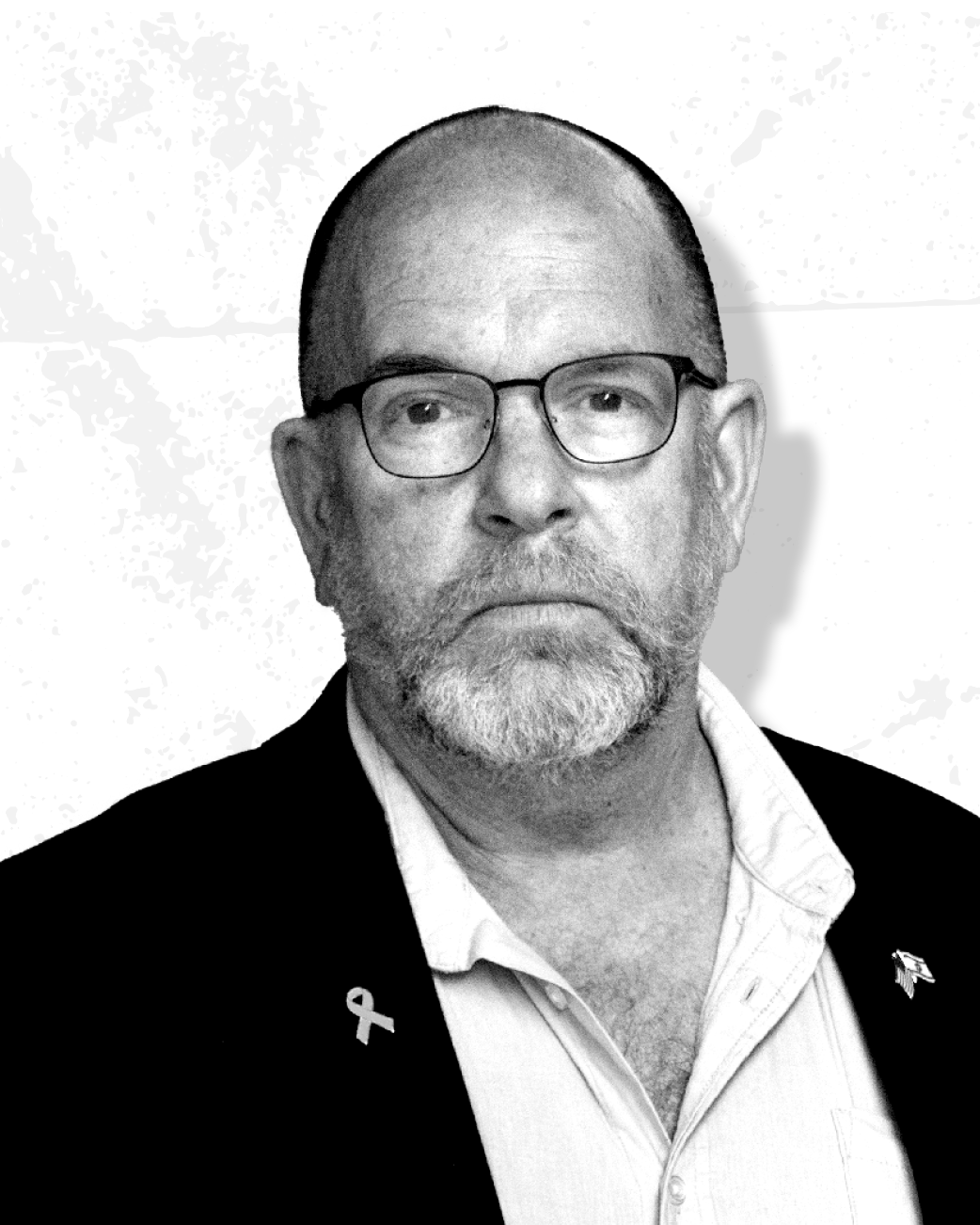
Jonathan Dekel-Chen: My Son was a Hostage in Gaza for 43 Million Seconds. He Felt Every One.
Sagui Dekel-Chen was held hostage in Gaza for 498 days—or 43 million seconds. He came home on Feb. 18.

podcast
Why 1840?
In this episode of the 18Forty Podcast, we sit down for a special podcast with our host, David Bashevkin, to discuss the podcast’s namesake, the year 1840.
podcast
Lizzy Savetsky: Becoming a Jewish Influencer and Israel Advocate
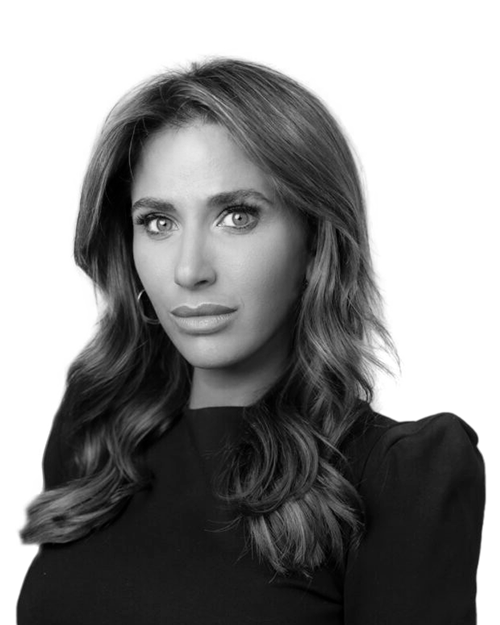
In this episode of the 18Forty Podcast, we talk to Lizzy Savetsky, who went from a career in singing and fashion to being a Jewish activist and influencer, about her work advocating for Israel online.

podcast
Eitan Hersh: Can the Jewish Left Talk With the Jewish Right?
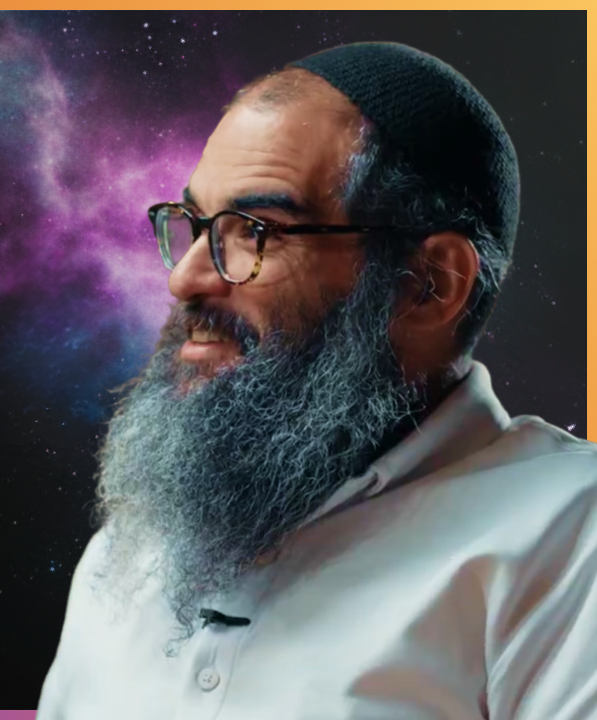
In this episode of the 18Forty Podcast, we talk to Eitan Hersh, a professor of political science at Tufts University, about teaching students of radically different political and religious views how to speak to one another.
podcast
Judah Mischel: ‘I identify as someone who is living in the times of redemption’
Judah Mischel discusses mysticism, simple faith, and the miraculous nature of the State of Israel.
podcast
Benny Morris: ‘We should have taken Rafah at the start’
Leading Israeli historian Benny Morris answers 18 questions on Israel, including Gaza, Palestinian-Israeli peace prospects, morality, and so much more.
Recommended Articles

Essays
Can Halacha Address Gvir Culture?
What can Jewish law teach us about wealth, peer pressure, and communal responsibility? Two sources point in opposite directions.

Essays
I’m a Psychodynamic Therapist. Here’s What That Means.
Psychodynamic therapy is not for everyone. But for those who dare, it can change everything.

Essays
3 Arguments for God’s Existence
Perhaps the most fundamental question any religious believer can ask is: “Does God exist?” It’s time we find good answers.


Essays
A Letter to Children Estranged From Their Parents
Children cannot truly avoid the consequences of estrangement. Their parents’ shadow will always follow.
Essays
Diving Into The World of Mysticism
Joy and meaning can be found not only despite the brokenness, but even because of the brokenness.
Essays
Who Gets to Say What Torah Means?
In Parshat Shoftim, the Torah confronts a question that still challenges Jews today: Who gets to decide what Torah means?

Essays
A Brief History of Jewish Mysticism
To talk about the history of Jewish mysticism is in many ways to talk about the history of the mystical community.
Essays
A Letter to Parents of Intergenerational Divergees
Children don’t come with guarantees. Washing machines come with guarantees.
Essays
Between Modern Orthodoxy and Religious Zionism: At Home as an Immigrant
My family made aliyah over a decade ago. Navigating our lives as American immigrants in Israel is a day-to-day balance.

Essays
Army Service is Essential for Every Jew: Letter From an IDF Combat Soldier in Gaza
Yes, the Israeli army needs Jews to draft, but more than that, Jews need to experience what it means to serve.
Essays
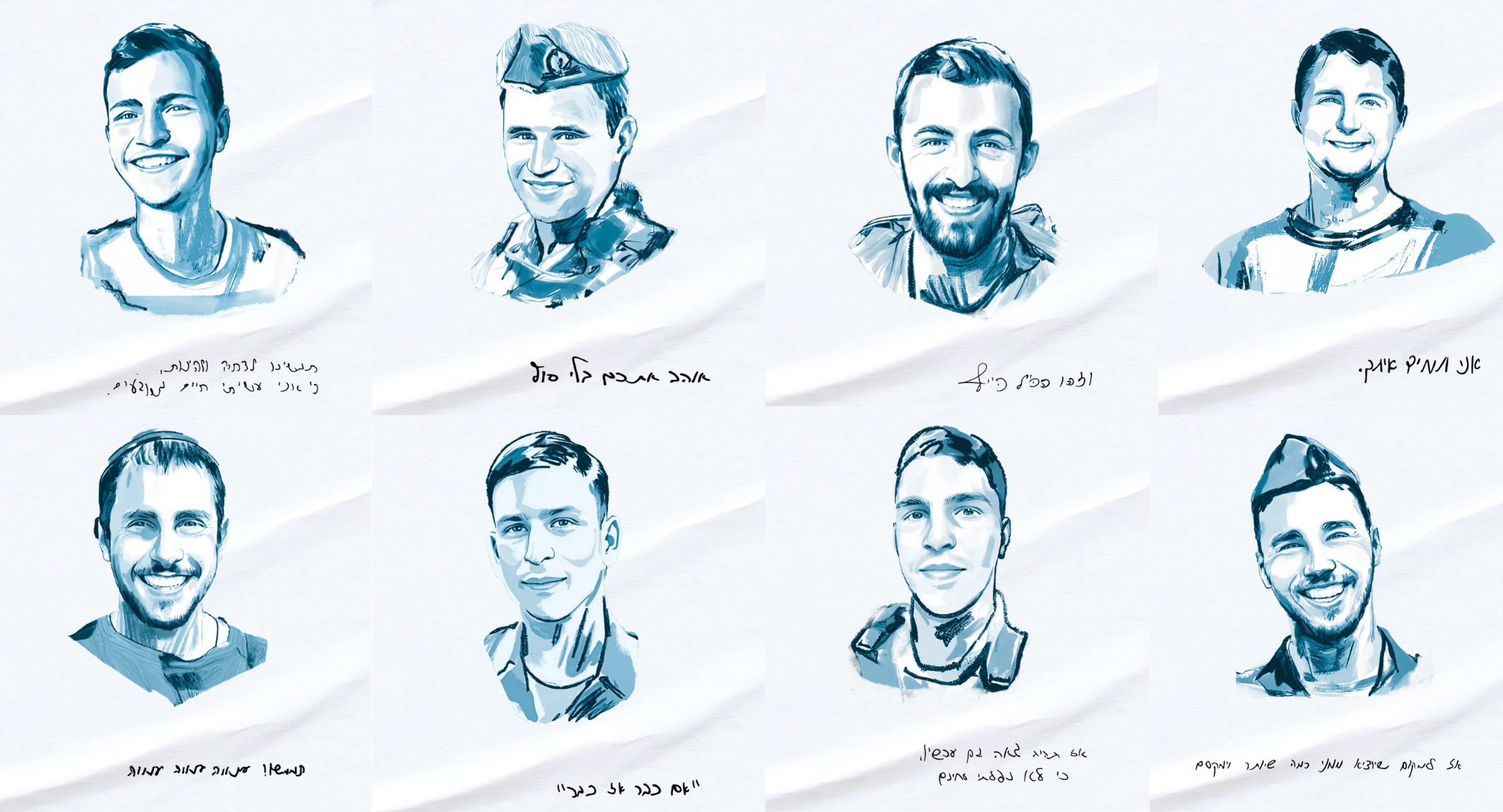
The Words They Left Behind
If You’re Reading These Words is a book in which all the heroes have died, yet it overflows with life.
Essays
How the Lubavitcher Rebbe Teaches Us to Transcend Ourselves
I consider the Rebbe to be my personal teacher, and I find this teaching particularly relevant for us now.
Essays
Do We Care Too Much? Furor Sanandi and Our Desire to Heal
From Freud through today, our desire to heal asks us to consider why we care so badly—and maybe if it’s hindering the…
Essays
Why Is Meir Kahane Making a Comeback Among Orthodox Jews?
Israeli minister Itamar Ben-Gvir wears the mantle of Kahane in Israel. Many Orthodox Jews welcomed him with open arms.

Essays
It’s Not About Kahane. Here’s Why Jews Support Ben-Gvir
Their motivations are not ideological extremism but a basic survival instinct to protect their families from the past’s failed paradigms.

Essays
Nine Books You Should Read to Think About Love, Relationships, and Commitment
They cover healthy relationships, conflict-resolution, wholeness, and so much more.

Essays
Can Censorship Edit Our Past?
It isn’t only censorship that creates the narrative of our history, but it is every creative endeavor that we engage in.

Essays
(What) Do Jews Believe About the Afterlife?
Christianity’s focus on the afterlife historically discouraged Jews from discussing it—but Jews very much believe in it.
Essays
The Israeli Peace Activist and Religious Leader You Need to Know
Rav Froman was a complicated character in Israel and in his own home city of Tekoa, as people from both the right…

Essays
American Judaism is Falling Apart. We Have Ourselves to Blame
Until recently, I too found myself almost entirely estranged from Jewish tradition. My return is showing me what we need to do…

Essays
‘Don’t Wait as Long as I Did’: Seven Stories of Aliyah
A 94-year-old Holocaust survivor, a lone soldier, and more. Here are seven olim sharing their stories of aliyah.
Recommended Videos



videos
Intergenerational Divergence
videos
Why Be a Believer?
We talk to author and theoretical physicist Berel Leib Epstein about rational reasons to choose to believe in Judaism and live a…
videos
Moshe Benovitz: Why Religious Change Doesn’t Always Last
In this episode of the 18Forty Podcast, recorded live at Stern College, we speak with Rabbi Moshe Benovitz, director of NCSY Kollel,…
videos
A Vulnerable Conversation About Shame, Selfhood, & Authenticity with Shais Taub & David Bashevkin
In this episode of the 18Forty Podcast, we speak with Shais Taub, the rabbi behind the organization SoulWords, about shame, selfhood, and…
videos
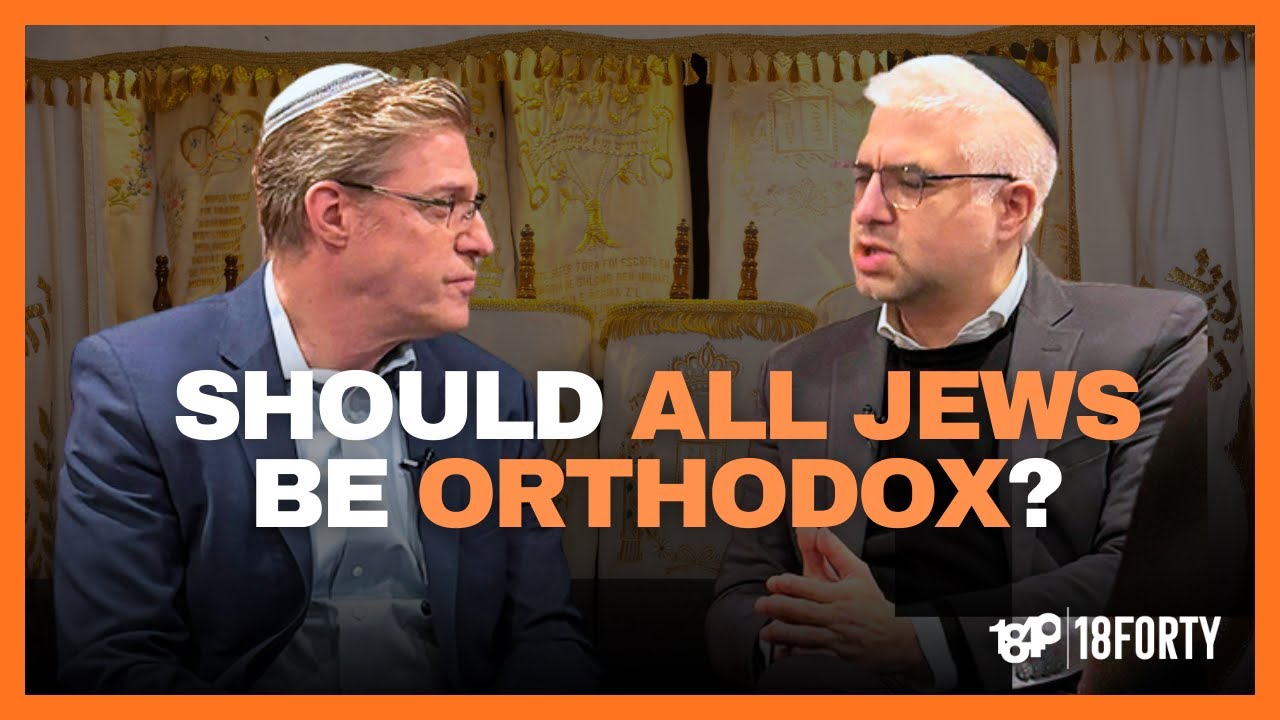
An Orthodox Rabbi Interviews a Reform Rabbi | Dovid Bashevkin & Diana Fersko
In this episode of the 18Forty Podcast, we speak with Diana Fersko, senior rabbi of the Village Temple Reform synagogue, about denominations…
videos
Is Modern Orthodox kiruv the way forward for American Jews? | Dovid Bashevkin & Mark Wildes
In this episode of the 18Forty Podcast, we speak with Mark Wildes, founder and director of Manhattan Jewish Experience, about Modern Orthodox…
videos
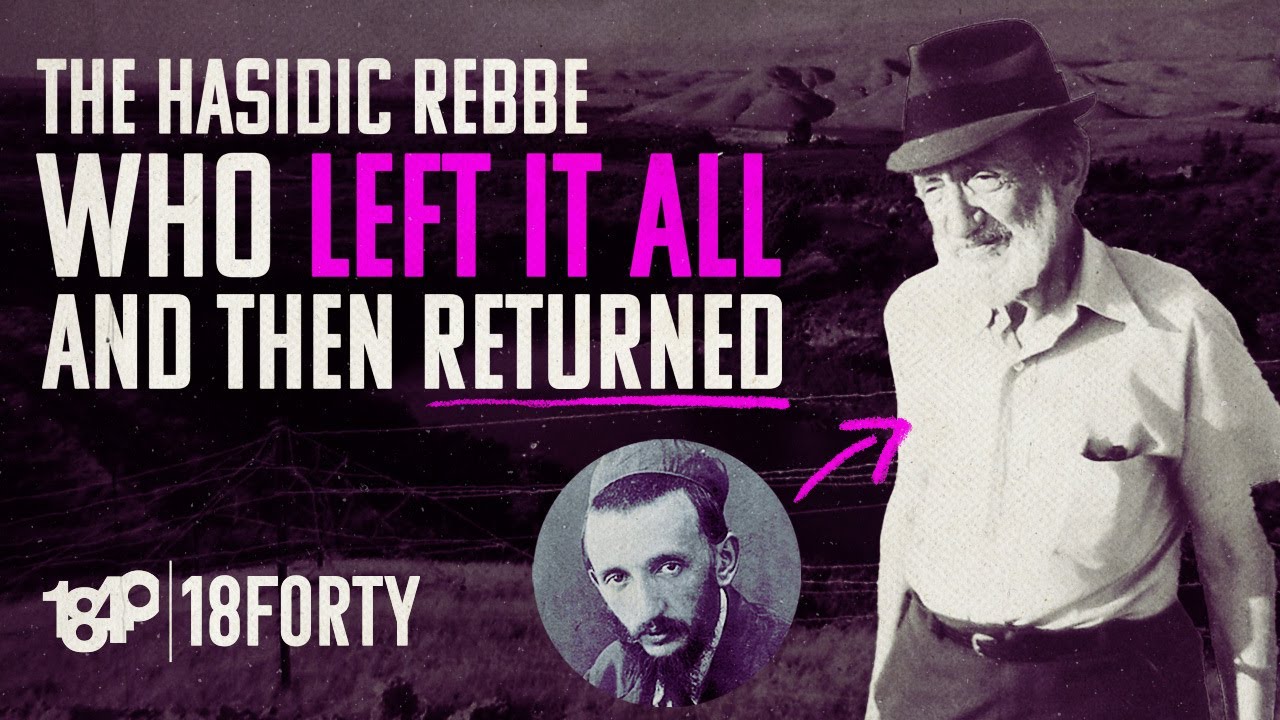
The Hasidic Rebbe Who Left it All — And Then Returned
Why did this Hasidic Rebbe move from Poland to Israel, only to change his name, leave religion, and disappear to Los Angeles?


videos
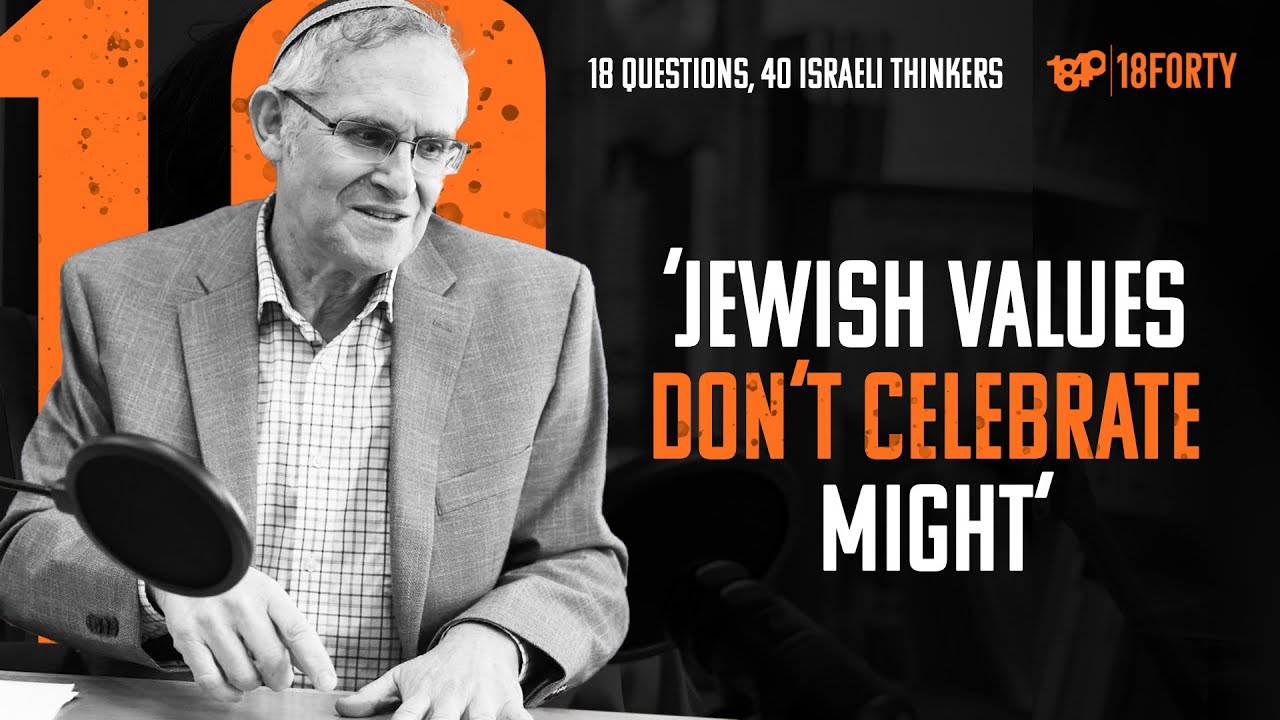
Jonathan Rosenblum Answers 18 Questions on the Haredi Draft, Netanyahu, and a Religious State
Talking about the “Haredi community” is a misnomer, Jonathan Rosenblum says, and simplifies its diversity of thought and perspectives. A Yale-trained lawyer…

videos
Five Years of 18Forty
18Forty helps users find meaning through the exploration of Jewish thought and ideas.