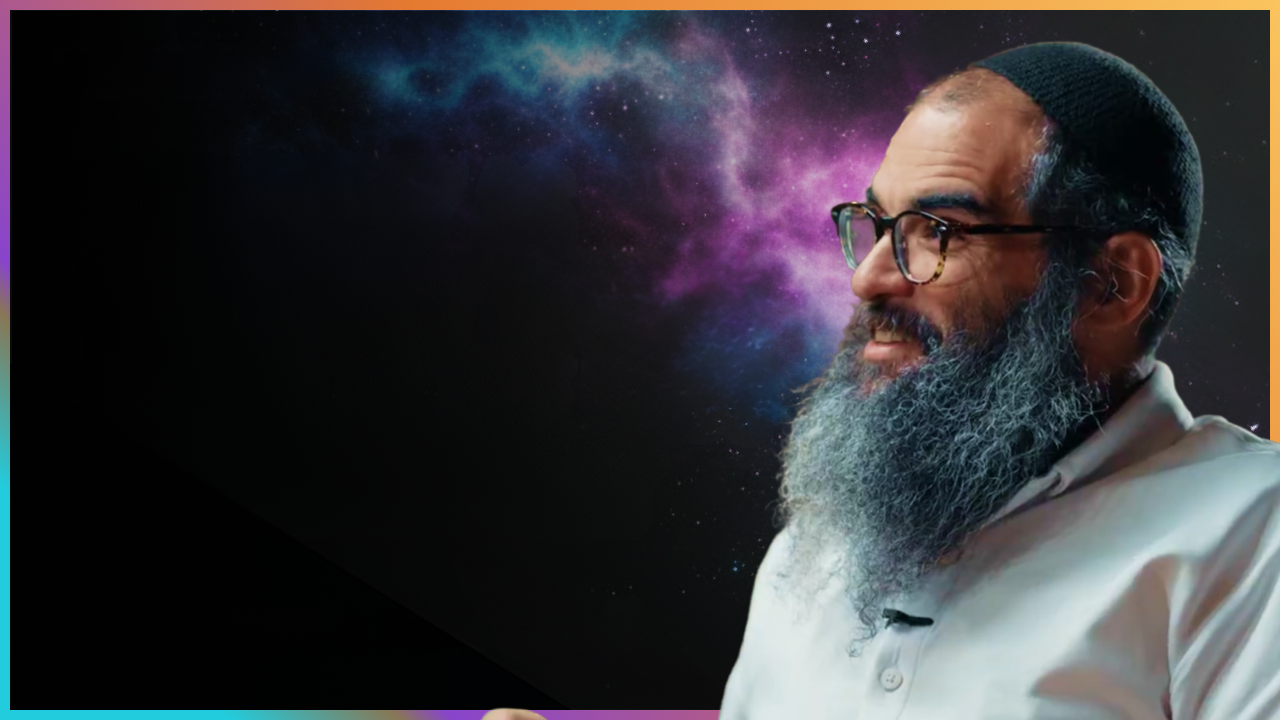
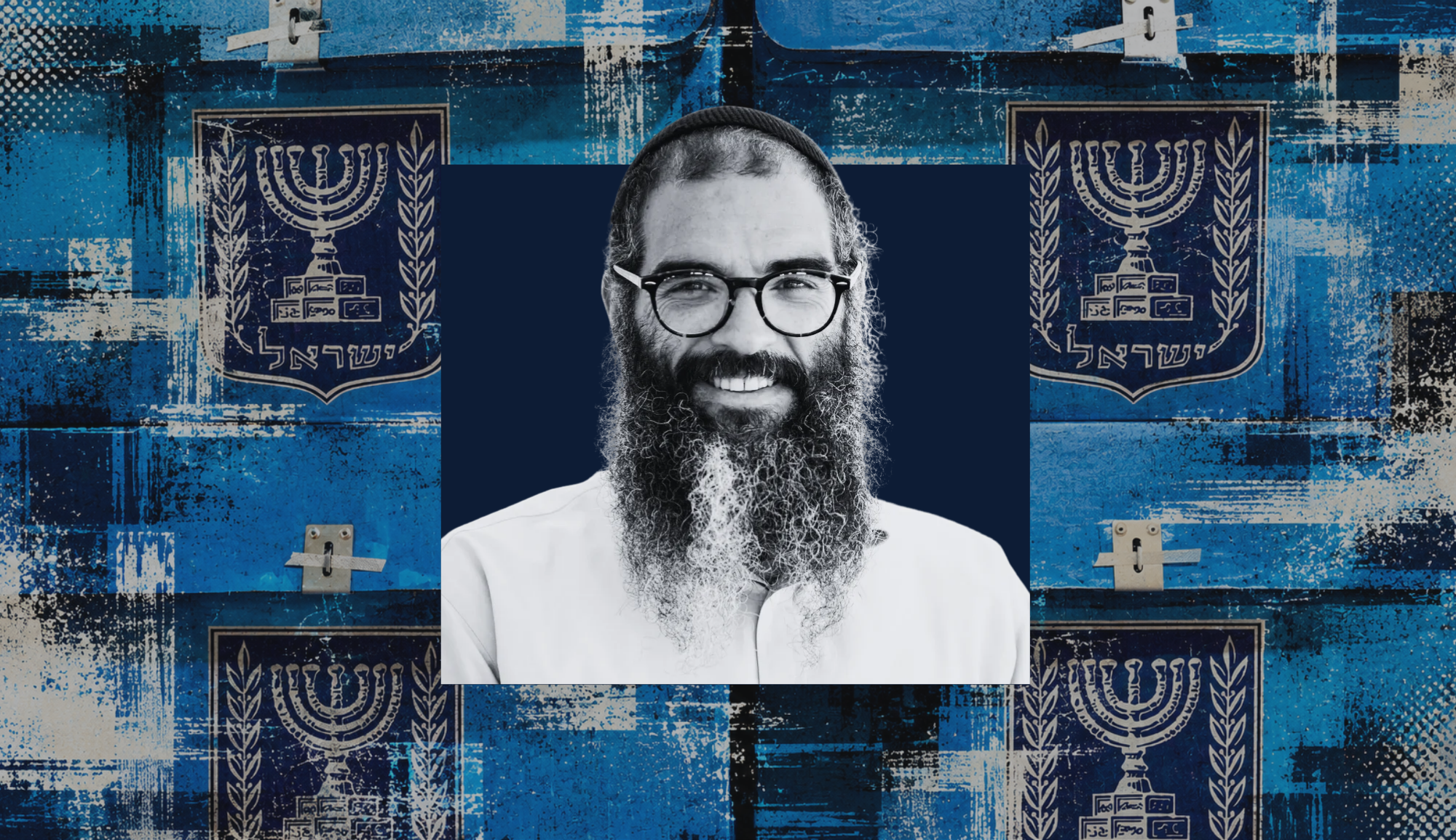
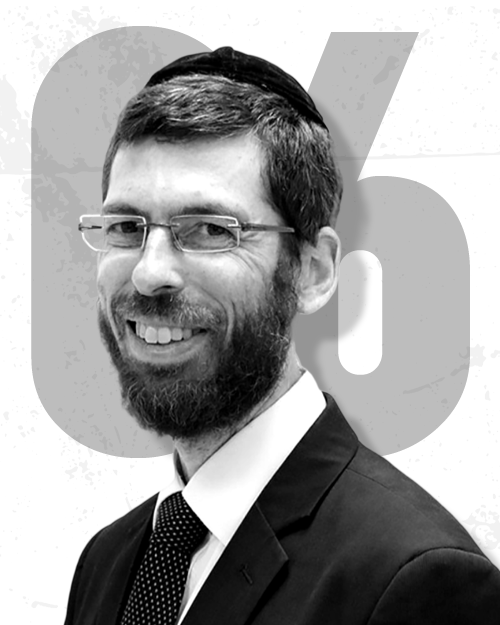
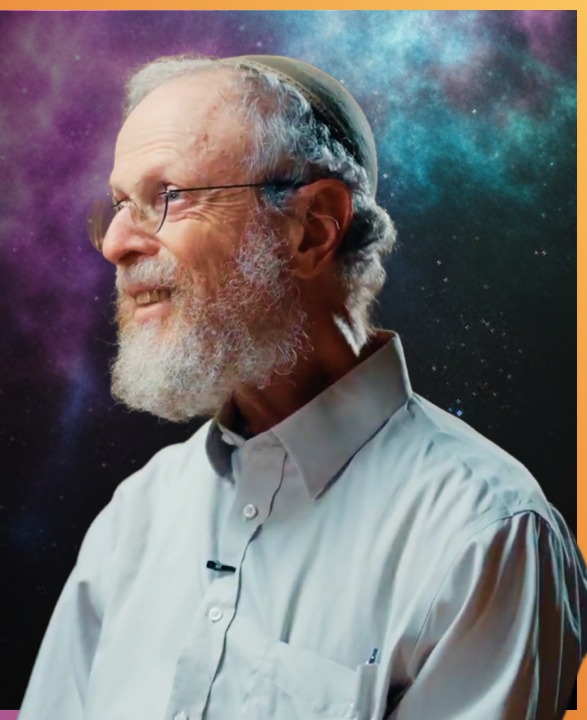
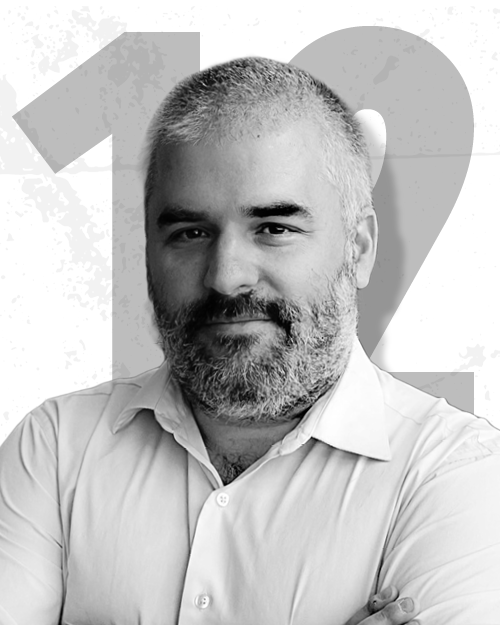
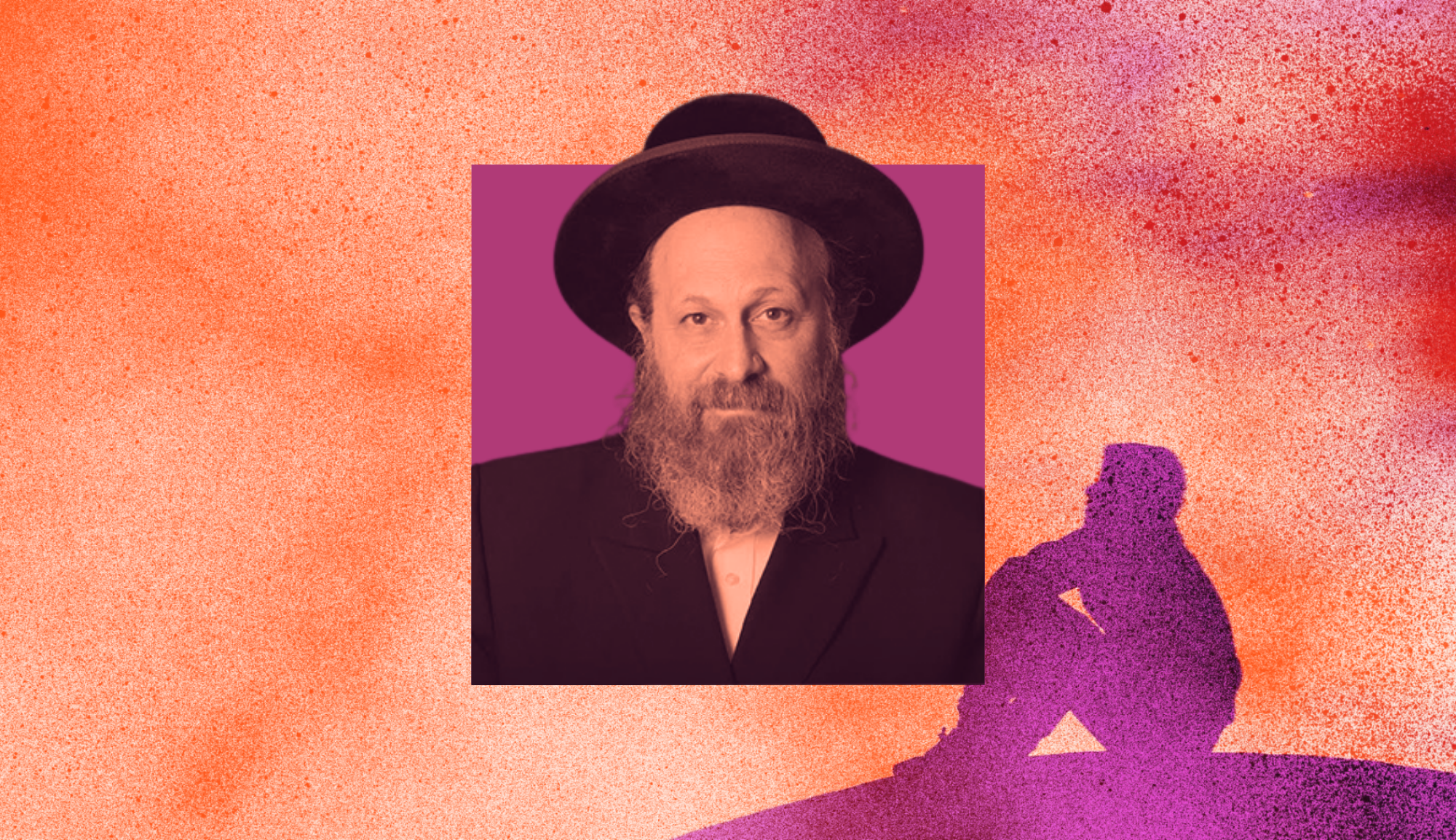
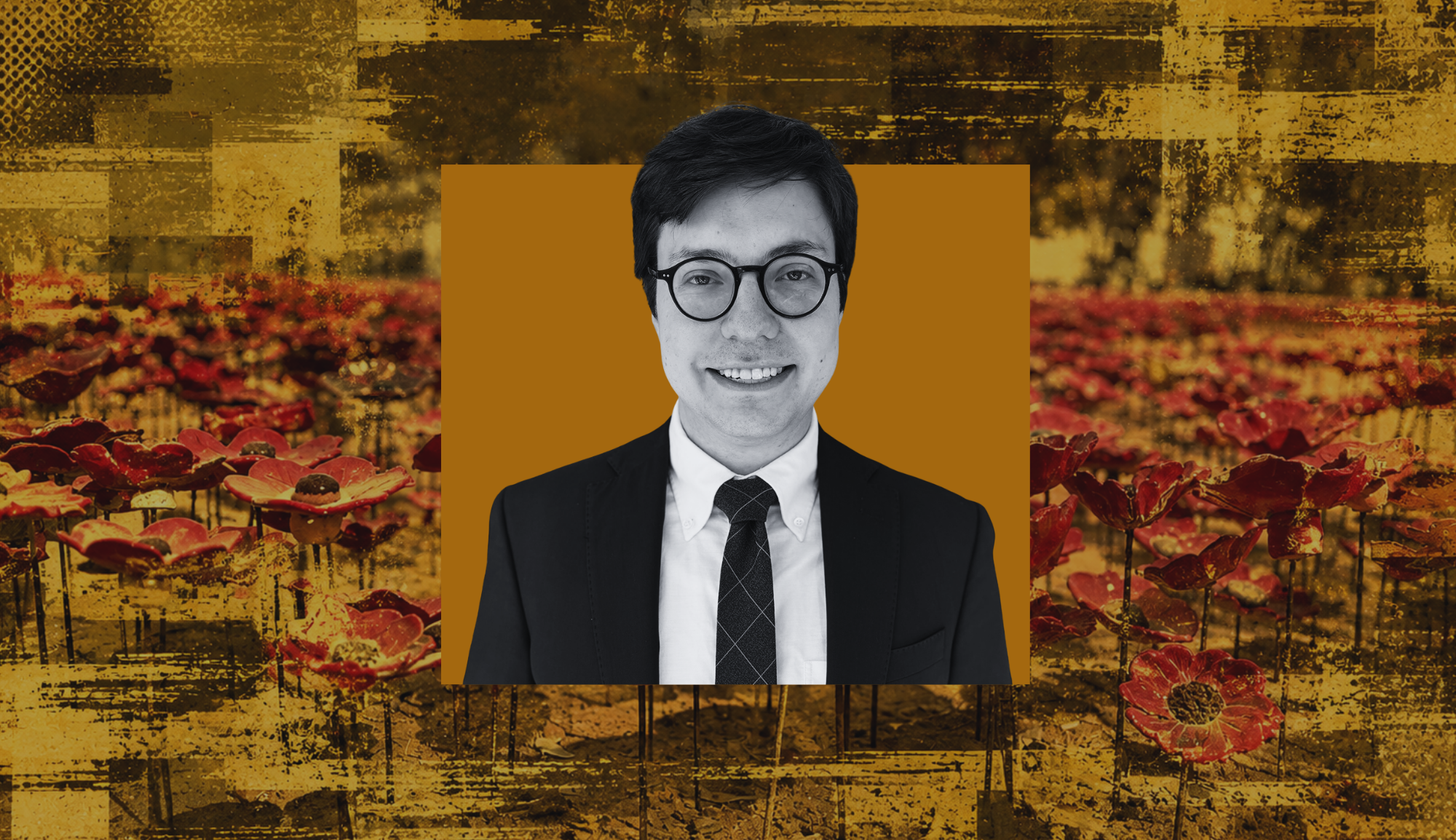
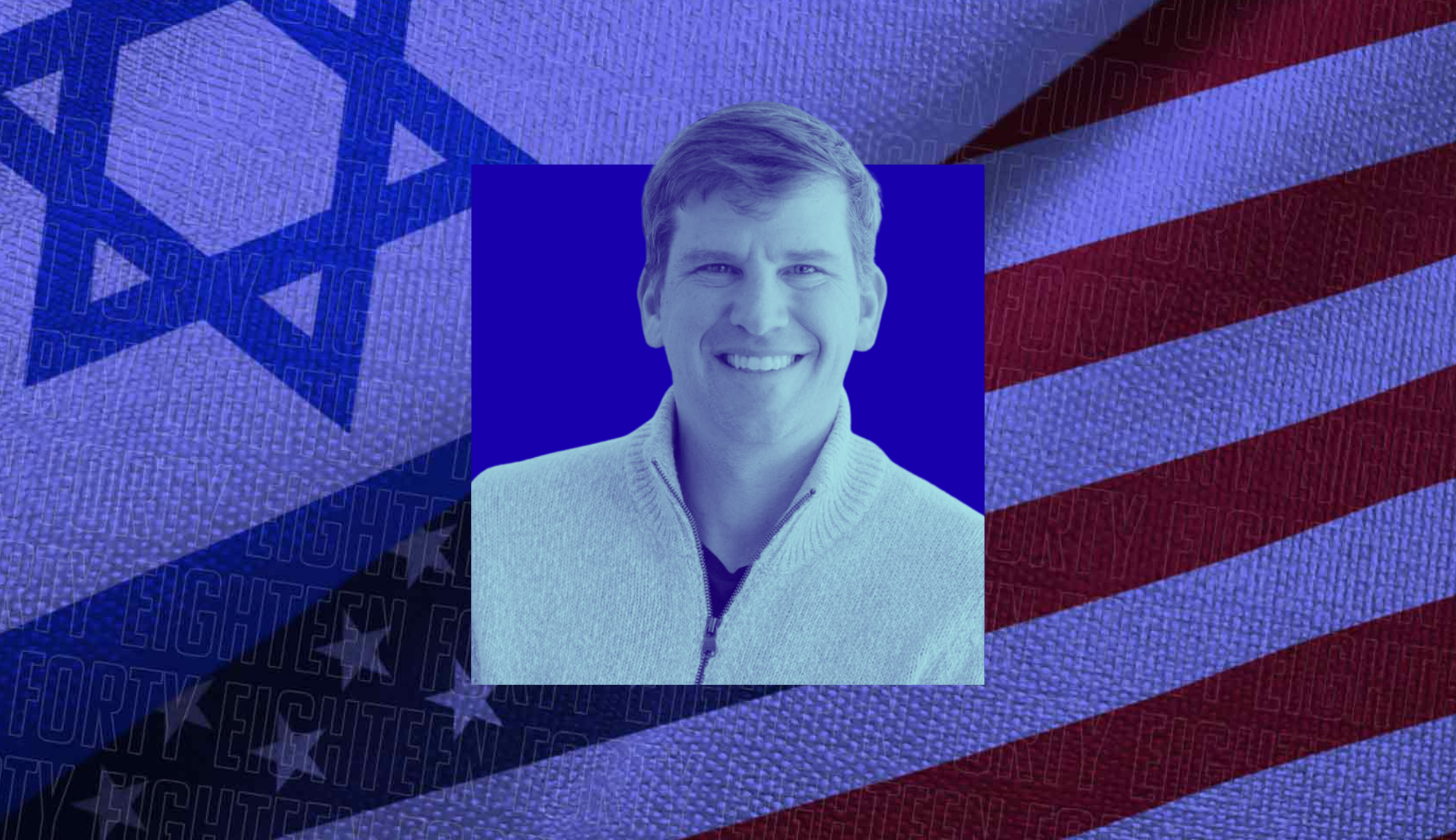
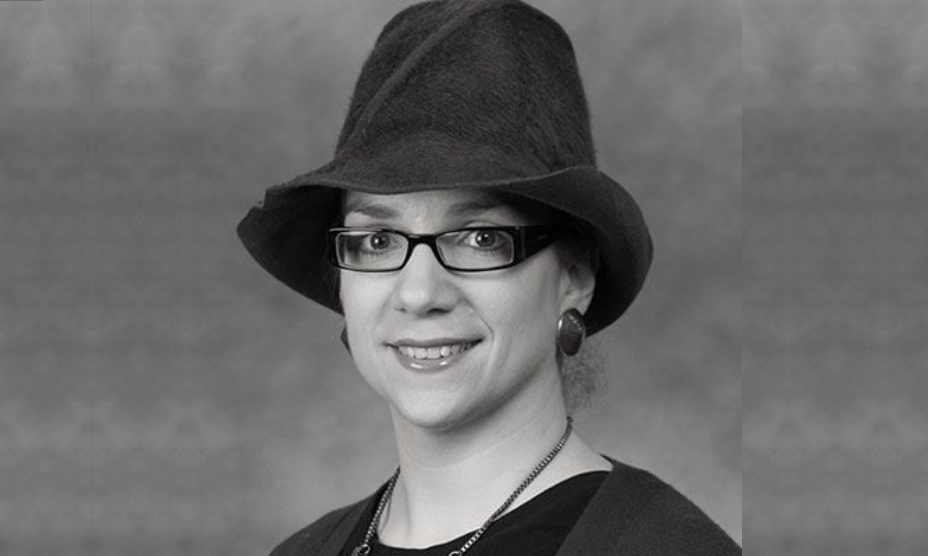
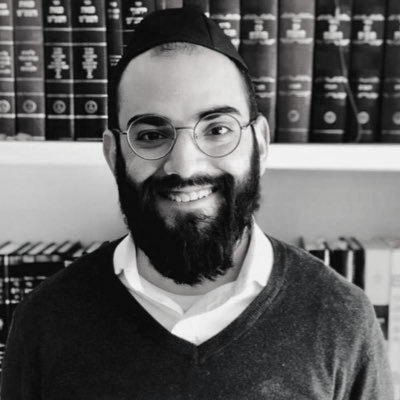
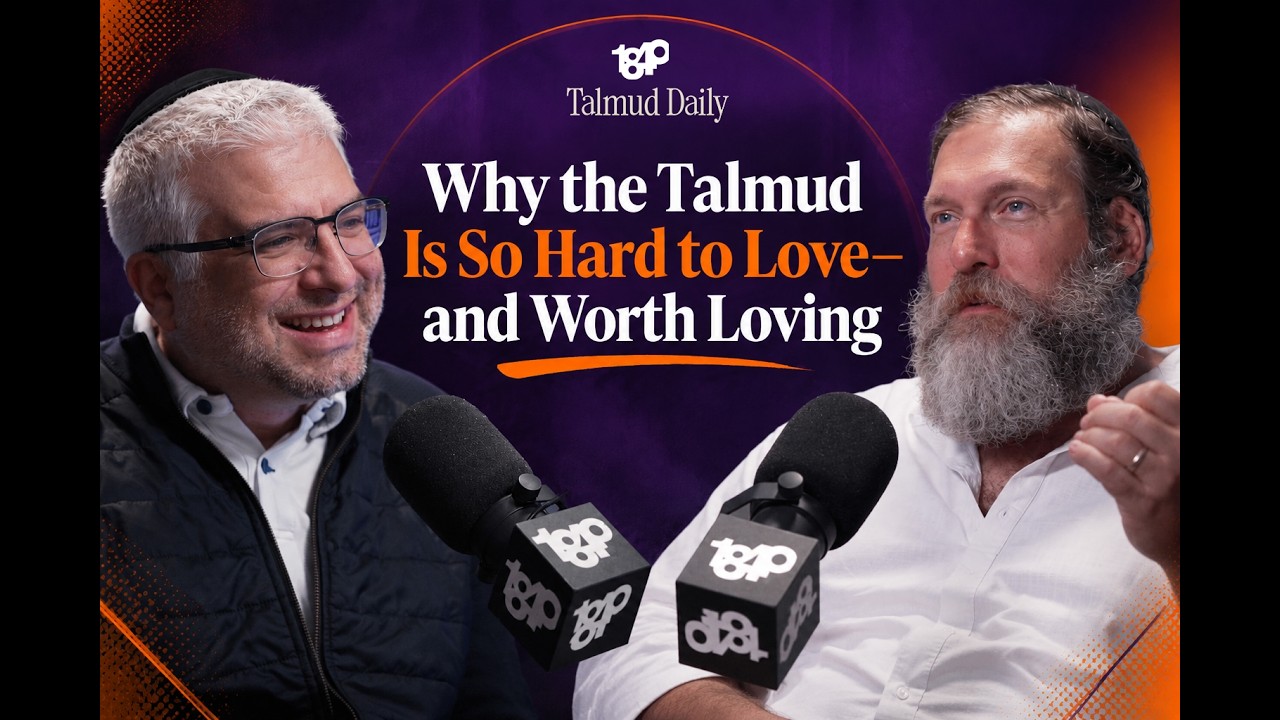
RABBI DR BENJI LEVY. Rabbi Judah Mischel, the director of Camp HASC and the author of the Baderech series, you have done so much for all of our people. Thank you so much and great to have you here.
RABBI JUDAH MISCHEL. Benji, the legend. My friend, it’s so good to be with you.
LEVY. So, what is Jewish mysticism?
MISCHEL. Everything in this world, everything, has an outside and an inside. And everything that has an inside also has an inside of that inside. Like Rabbi Nachman says that every body has a heart and even the heart has a heart. Something that makes it go, that’s unseen, that’s a force that’s beneath the surface. I believe that mysticism seeks to uncover that force, relate to that force, and try to understand it and connect with it.
LEVY. So how did you get into it? What’s your origin story connecting more to Kabbala, Chasidut [Hasidism], Jewish mysticism?
MISCHEL. Yes, almost like everybody, just a search for depth, a search for trying to make sense of this world, of this life, of trying to connect to the inner rhythm of relationships and what makes us go, what makes Am Yisrael [the Jewish People] go, and the purpose of Torah and mitzvot. To try to just understand what’s beneath the surface.
LEVY. Was there a person or a text or a moment that may not have catalyzed it but been something integral that you remember?
MISCHEL. I think growing up in a home where my parents spoke about real things and were values-driven people, idealistic people with real, real beliefs, and they connected very, very much to the world of Jewish thought and Hasidism. My parents both came to observance through the portal of Chabad. And even if in our home there wasn’t necessarily all the knowledge or emphasis on what to do, how to do it, when to do it, how much, where, when, you know, the details of halacha [Jewish Law], my parents didn’t have that background and education, there was definitely a focus on the soul and a focus on the inner rhythm of Jewish tradition. That was the door through which they came in. And then from there I just started reading the books in our house. Not much of a mystic, but I very much enjoyed Elie Wiesel books growing up. And I think that once you get a little bit of a taste of something real, you get a taste of that Hungarian wine, you just want more. So that’s where I am up to now, wanting more.
LEVY. I love that because just the authenticity that your parents brought to your life catalyzed your search for authenticity and your desire to have more and that came through.
MISCHEL. Yeah. We had Tanya in English in our house before we had a set of Shas.
LEVY. Wow.
MISCHEL. And a book on introduction to Jewish mysticism and the works of Rabbi Steinsaltz, The Thirteen Petalled Rose, before we had a Mishna Berura in the house. It’s kind of an interesting inside-out process that was very natural. That was their path.
LEVY. Wow. So in an ideal world, would all Jews be mystics?
MISCHEL. I think all Jews are mystics. If we’re not prophets then we’re the children, the sons and daughters of prophets. I mean the Mesilat Yesharim, The Path of the Just, which was written for every Jew as a guidebook, a spiritual guidebook, of inner working and growth leads – all paths lead toward ruach hakodesh [divine inspiration]. Ruach hakodesh is something that exists inside of every single woman and child and man in in Am Yisrael [the Jewish People] –
LEVY. The sense of divine inspiration.
MISCHEL. Yeah. Lev tahor bara li Elohim. God created us with a pure heart. Veruach nachon chadesh bekirbi [and renew a steadfast/right spirit within me]. A clarity of spirit, a ruach nachon, the right way, the divine path is within us. Rabbi Nachman says that if we just were to turn to Hashem and speak to him in our own words and cultivate a sense of kesher [connection], to kind of make that heart pump, so to speak, with divine connectivity, it’s natural, it’s latent, it’s inside of us. So we can access that, living a life of Torah and mitzvot and tikkun hamidot [refinement of character], that leads toward an exalted life that’s – leads us toward the mystical, tethering toward the mystic. So I think that every single Jew is a mystic and has that mystical tradition. Somehow, because of all the different events in Jewish history and all the twists and turns and all the downside of, let’s say, tethering too much to the light without the vessel, there’s a fear of that, there’s a concern. But we’re getting closer to the end of days. We’re getting closer to the fulfillment of all of this divine intent in the world. And ki malah haaretz dea et Hashem kemayim leyam mechasim [for the earth shall be full of the knowledge of God, as the waters cover the sea]. The whole world is filled with opportunities to access that. And it’s happening more and more. So the accessibility of mysticism now is kind of revealing ex post facto how every single Jew really has a chelek, has a portion in this mystical tradition and that it’s really ours to reclaim.
LEVY. You quoted the verse that the world is filled with the knowledge of God, so to speak. What does that mean? More specifically, what is God? When we say the word God or Elokim or Hashem or all these different words, what do you think of?
MISCHEL. I think of people. I think of Am Yisrael [the Jewish People]. God exists surrounding all worlds and within all worlds, but God is, so to speak, within every one of us, the divine breath inside of every one of us and also between us. When two people meet and speak, when we interact, when we identify meaning and goodness in each other and a divine point in another, then we awaken a recognition that God is within and without. And like the children’s song, you know, Uncle Moishy, “up, up, down, down, here, there.” It depends where you point. You know, “up, up, down, down, here, there, and everywhere. Hashem is here, Hashem is there.” Hashem is within me and Hashem is within you, surrounding us and within us. So it’s impossible for the finite being for a person, for a mortal, to really wrap their head around the Ribono Shel Olam [Master of the Universe], the Ein Sof [Infinite Being]. But if we can find the divine spark in ourselves and in others, then we’ve made great strides.
LEVY. So for you the access point to the divine is really the relationship between people.
MISCHEL. Yeah. “Zeh klal gadol baTorah” [this is a great principle in the Torah], Rabbi Akiva said. “Ve’ahavta lereacha kamocha” [love your neighbor as yourself]. The portal for divine awareness and the portal for divine love is love of others, recognition of the divine spark within ourselves and others. That’s Jewish mysticism 101, foundational.
LEVY. And so when we talk about the Ten Commandments having one side that’s between humans and God and the other between humans and humans, it’s really all between God and humans, even the between humans and humans part. And what about the between humans and God part?
MISCHEL. Oh, it’s all, everything is all one. Alles ist eins, everything is one. And we like to categorize and it kind of helps us make sense. Right, we create these different structures and different ways of making some type of order within this vast infinitude. But if you look at the Venn diagram of Torah and mitzvot, there’s overlap. Everything that’s vertical and horizontal overlaps at a certain point. Sometimes we think about our relationship, our spiritual life, or our mystical world, and that relates to our inner world, and our thoughts, and our meditation, and our prayer, and our Torah study, that which is vertical. But the emphasis in Jewish tradition is much more on what takes place horizontally, that which takes place between people, how we relate to society, how we relate to others, how we relate to those who are more, the most vulnerable in our society.
Our middot [character traits] are not meant to be lived in a test tube or in laboratory conditions but to be lived in the world. And the more that our soul can be embodied within our guf [body], the neshama beguf [soul in the body], we’ll live truly mystical lives. And it’s so much of Jewish law, the majority of Jewish law relates to wars, and business, and interactions, and home, family. And again, I don’t know that putting things in different categories, different columns of an Excel spreadsheet, it kind of helps make seder, make sense in our mind, but that’s not practically how we live.
LEVY. Makes sense. And what about the purpose of the Jewish People? How does this all come together for us as a nation? What are we here to do?
MISCHEL. We’re here to fix the world. We’re here to lead. We’re here to inspire the world. We’re here to deliver a divine message. And we have a divine message. We have a system. Hashem gave us the Torah. There’s a universal covenant, and it’s specifically lived through the particular brit, covenant, and obligations that we have, not just toward our own nation but toward all of humanity. We’re here to reveal God in everything and everyone and in every place. Letakein olam bemalchut Shaddai [to repair the world under the sovereignty of the Almighty]. The purpose of the Jewish People. I think this is God’s dream for the world, God’s intent for the world.
LEVY. Amazing. So when we share our longings and we share our thoughts, when we reach out to God through something known as prayer, how does that work? How does prayer work?
MISCHEL. I’m not sure. I don’t know. Davening and prayer, prayer is a lot. There’s asking, there’s wanting, there’s complaining, there’s thanking, there’s hoping, there’s yearning. The main thing is connecting. The main thing is actualizing the kesher [connection] that always exists. Like Rabbi Kook [Rabbi Abraham Isaac HaKohen Kook] explains that [our] soul’s always davening. We’re always in a state of connection. And when we open a siddur [prayer book] in prayer or when we, more importantly, open our hearts and use our own words and talk to Hashem [God] anytime and anywhere, we’re actualizing, we’re manifesting that relationship. So I think more than anything, prayer is just about cultivating an awareness internally that we were always infinitely bound with the Ribono Shel Olam [Master of the Universe].
Of course, there’s a world order and thinking about others and focusing on the needs of the universe, of all of humanity, and of Am Yisrael [Jewish People], and thanking God and giving our input in this divine partnership. But all of those are details and subcategories of the main thing, which is that God is, so to speak, depending on us and counting on our partnership. And that the input and the manifestation of that kesher [connection] kind of expresses that belief that God is believing and counting on us.
LEVY. And so how does Torah study fit in? What is the goal of Torah study?
MISCHEL. I always say that when we’re davening [praying], we’re talking to Hashem, and when we’re learning Torah, God is talking to us. I’m not sure. I have a complicated relationship with Torah and with tefilla [prayer]. It kind of, we all have our cycles, you know, like the market. The Torah market cycles a little bit. Sometimes I lean very strong into the world of the stability of Talmud Torah [learning Torah], and the anchor of Talmud Torah, and believing very much that every letter and every pasuk [verse] and every idea is sustaining, so to speak, feeding the divine, putting gas into the divine tank that then sends shefa [abundance] into this world. Sometimes it’s just about connecting to something ancient that the Ribono Shel Olam [God] laid out for us. And sometimes I think that Torah, we need a Torah chadasha, that Torah needs to be renewed. And I feel like the days that we’re living through now, there’s a newness in Torah and finding very much that Torah SheBichtav [Written Torah] is much more relevant [as] the Neviim [Prophets] –
LEVY. The Written Torah, yeah.
MISCHEL. Yeah, I’m finding that the Written Torah and the words of the prophets, the later prophets specifically, and the stories of the conquest of the land of Israel are speaking to me in a way that I never experienced before. And right now, the market for me is the Torah Shebe’al Peh, the Oral Law, and the tradition and the minutia of day-to-day halacha [Jewish law] has kind of taken a little bit of a back seat since October 7th. And the prophetic and the profound and the sweeping arc of Jewish history as expressed through Torah has taken a much more prominent role. But you know, I think like the heartbeat and the rhythm and the flow, there’s something that is consistent, which is that Torah is the life and the length of our days. And we could always find ourselves within this amazing gift that Hashem gave us.
LEVY. Does Jewish mysticism view women and men as the same?
MISCHEL. No, we’re not the same. I mean, I don’t know if anybody sees men and women – I mean men and women aren’t the same. There’s not – Ribono Shel Olam [God] doesn’t have a DEI program, you know, like we’re men and women are different. We were created as one and then separated with different jobs, and different emphasis, and different different roles to play. The confusion of all of that is one of the great opportunities and challenges of our generation as we get closer to Mashiach [the Messiah]. And then the redefinition and the kind of the reclamation of those roles is also one of the great opportunities for these days leading toward redemption, I believe. But yeah, guys and girls are different. Dudes are dudes and women are women and it’s beautiful that way. I think that’s the way that the world functions and perpetuates itself.
LEVY. So you mentioned the confusion of that as one of the obstacles today. What do you feel is the greatest –
MISCHEL. Opportunities also.
LEVY. And opportunities. What do you feel is the greatest obstacle and opportunity to living a more spiritual life in the world today?
MISCHEL. Let’s focus on a, let’s say, more global [perspective], like zooming out. Am Yisrael has a role to play, the Jewish nation. And our relationship with God is a relationship that’s compared to a king and subject, also as a parent and a child. A ben [son] and av [father], Avinu Av harachaman, our compassionate father. But there’s also this element or this dimension called Kudsha brich Hu u’Shchintei [the Holy One, Blessed be He, and His Shechina/Divine Presence], that there’s this Shechina, that there’s some feminine Divine that we’re also in love with the Ribono Shel Olam [Master of the Universe], this relationship here like a husband and a wife, like lovers. And all these different dimensions have expression in different parts of our life and different parts of our national story.
The restoration of Jewish sovereignty and of independence and of our presence in Eretz Yisrael [the Land of Israel] is like a child returning to its motherland. It’s also yichud Kudsha brich Hu u’Shchintei [the unification of the Holy One, Blessed be He, and His Shechina/Divine Presence]. This beautiful connectivity between the feminine Divine and Am Yisrael [the Jewish People] and Hashem together. Almost like on the level of the Song of Songs, like the turtle dove, the voice of our beloved is kind of harkening us home. And we’ve been emasculated for 2,000 years in galut, in exile, where we haven’t been able to be ourselves and provide and assert ourselves. A restoration of Jewish presence in the land is a coming together of these two parts. So there’s a lot of confusion and complication in that of can we assert ourselves? How do we defend ourselves? How do we protect ourselves? How do we live a self-sustaining, independent life? I think that all of this has to do with gender as well. The war is bringing that out in a very, you know, that’s what war does – it kind of clarifies these tzadim [sides]. And the more independent we are and the more we kind of stand, step into the role of being men, of taking responsibility, of fulfilling our obligations as baalim [male authority/ownership], so to speak, and being protectors and providers, I think that restores balance and health to us as a nation and to us here in our homeland.
On a more prati level, on a more specific level, we see that the great challenge to so much clarity and spiritual health is this movement, this progressive movement. It’s not a liberal movement, but it’s a kind of a progressive force to undermine all these identities. To say that everything is the same and everyone could be whatever they want. There’s something holy in that. There is a kernel of holiness that enlivens that within the klipa [shell] called self-identification. I can identify however I’d like. So I identify as a Jew. I identify as an eved Hashem, as a servant of God. I identify as somebody who is living in the days of geula [redemption]. There’s something holy in being able to say what we are. And these beirurim, these clarifications, come along with a little bit of a price tag at the end. But I see a yearning for rootedness and for stability and for tradition and for light to be contained within vessels, for a restoration of the home, of restoration of a relationships, of zugiyut [the relationship between a couple], of yichudiyut, of kidushin, of exclusivity. There’s something very holy in that. And the same way that it’s taken place on a national level, I believe it’s taken place also on a very personal level.
So, I don’t know if that was avoiding the question or trying to not get into trouble, but I believe that a restoration of healthy identity within a community, within family, and a parallel on a national level is a sign of something very beautiful. It’s a sign of teshuva, of restoration of balance and of boundaries. And I also believe that the more open and embracing we are of those who are searching and finding meaning and connectivity in alternative ways is something that comes from a place of confidence and health as well. To be unthreatened by that. But to understand that we’re part of a process here of beirurim [clarification]. And as we get closer to Mashiach [the Messiah], those things come with challenge and with opportunity, with tremendous chaos and instability, but also the inner rhythm, and I believe that this is where learning Kabbala and a kind of revealing of that which is beneath the surface is very helpful. That we see that at the heart of the matter, beneath the surface, we’re heading in a very positive, good direction.
LEVY. So why did God create the world?
MISCHEL. Oh my God, ask Him. I don’t know. God created the world because He’s a benevolent, loving God. That’s what we learn. Sometimes I wonder. And I say, was this what you intended? Like, what are we doing over here? And then I feel like the Ribono Shel Olam [God] is kind of asking me, saying, nu, this is what I created it for. Get to work. You know. I believe that God created the world because He’s counting on us, because He needs us.
Jewish scripture and tradition also insist that God loves us. I’m going with that. I feel that sometimes. Sometimes more than other times, to be honest. Sometimes you could know something or believe something but not feel it. I don’t know that focusing on divine love is always helpful. But choosing to focus on divine obligation and that God counts on us and desires our input and our involvement in building this world, sustaining this world, cultivating this world, fighting evil in this world, amplifying good in this world, being good, and creating a healthy and holy and happy society, I believe that that’s what the Ribono Shel Olam [God] wants. His love? Beseder [okay], I don’t know. Yeah, I do feel that a lot of the time, some of the time, here and there, depending on the day. But more important than feeling the divine love and His intent and creation is the responsibility and the sense of trust. And then from there, feeling very good and very strong in that relationship.
LEVY. So what is free will and does it exist?
MISCHEL. Yes, no, maybe so, you know? I can’t do better than Maimonides. Yeah, there’s free will and it’s all written. So there are people who are much smarter, who’ve read much more, who have much more developed ideas about this. I’m going with it – that we have a choice. We have a choice, we have an ability to choose to lean into our responsibilities, to choose to see what’s happening in the world, and to know that God is waiting for us to make choices. Uvacharta bechayim [and you shall choose life]. Vechai bahem, to choose life and to choose our destiny, I believe very, very much that we do that. I think that if I were to focus too much or focus more on the moment to moment and these questions, it would just take me out of the groove of trying to make the world a better place and do right by my family. I think I used to worry about those things a lot more. Now I’m sensing [that I’m] getting a little bit older, and especially being here in Eretz Yisrael [the Land of Israel] and coming in contact with mortality and mesirut nefesh, sacrifice, and the kind of the limited nature of our days in this world, I’m less busy with thinking about those philosophical questions that have no end. And I’m just trying to do the best I can while I’m here.
LEVY. Do you think that’s healthier, that people in general shouldn’t spend too much time reflecting on the philosophical and focus more on the practical? Is that what you teach your students?
MISCHEL. No, I don’t. I’m trying not to teach anybody or [say what] people should [do]. Everybody could – if people are drawn to where they’re drawn, and whatever gets you through the night, there’s a –
LEVY. But for you personally.
MISCHEL. For me personally these days it’s the world of action. It’s the world of doing. I think I was always kind of tethered in that direction. I’m not such an intellectual. I don’t mean that in a self-deprecating kind of humble way, but practically, not more intellectually, [I’m] much more of an emotional person, and so I find tethering toward action and practical observance has always been a little bit more meaningful. The world of doing for others I always found to be more religiously fulfilling than – I was a philosophy minor in college, but that’s because, I don’t know, I was bad at math. And then I realized that there are algorithmic, mathematical elements in philosophy; that was challenging. But I like the practical as opposed to the theoretical and find that the Yiddishkeit [Judaism] that I relate to more is much more action based and much more relationship based as opposed to ethereal and, you know, thinking.
LEVY. You mentioned before that we’re getting close to the end of days. I assume you’re referring to the times of the Messiah, of Mashiach. When we say the word Mashiach [the Messiah], what does that mean?
MISCHEL. I think that we’re in the end of days. I mean, I think that we’re there. I think we’re in this era of techiyat hametim, of the revival of the dead. I believe that’s what we’re living in now.
LEVY. What does that mean?
MISCHEL. And I believe that the nation, the dry bones have been restored to life. And that we’re – look around. I was born closer to the ovens going at full speed in Auschwitz than we are today from when I was born. In other words, the quick turnabout in Jewish history and the arc of human history is accelerated in a way that I don’t think we’ve ever seen. Not even in the days of King Solomon, not even in the days of the Temple. We’ve seen progress and growth and just exponential change and trajectory of prophecies coming true all around us. I mean, where we are in this beautiful setting in Jerusalem, the nation has been reborn, has come back to life. That’s revival of the dead. And the ingathering of the exiles, I think it kind of happened. I think that we’re kind of coming toward the end. Chevre [the gang] have to get on board, meaning it’s over, we’re coming up on twenty-five years of Nefesh B’Nefesh. The opportunity is there, the low hanging fruit have made the choice. People are coming here and investing in Israel. Ki miTzion tetzei Torah [Torah shall come from Zion]. In the middle of war the land of Israel is still flourishing, the nation is alive, the spirit is alive. It’s happening. I believe that we’re living through these days and I don’t know how much meaning there is, how much more there is for us to do other than polish the buttons and just kind of get the ball over the goal line.
LEVY. So for you, Mashiach [the Messiah] is just this very practical sort of coming towards the end of days in very practical ways.
MISCHEL. Yeah, I don’t know if we’re waiting for the Temple to fall down in fire from the sky. That is one narrative, one way of seeing things. The Yiddishkeit [Judaism] that I’m experiencing, the way that I am seeing the world is that slowly but surely there are stages that are unfolding within the world and within nature and and we’re seeing it. In the world of technology, in the world of AI, in the global market, and in the awakening of the Jewish spirit in the land of Israel, in a way that none of us have ever seen or imagined possible in the face of tension. And the overcoming – think about the Six-Day War. It was not that long ago in the span of history in God’s universe, and in world history, and in Jewish history. I mean, the State of Israel is an open miracle.
LEVY. So the State of Israel is part of the final redemption?
MISCHEL. And it’s not? There are people who will say it’s not? Even the ones who oppose the State of Israel and see that it’s a theological impediment understand that it’s part of the narrative. Meaning even that side of the shivim panim laTorah [the seventy facets of the Torah], which I don’t believe is going to stand the test of time, it’s kind of, I mean this is where this is –
LEVY. It’s been proven wrong.
MISCHEL. Yeah, I mean this is Yiddishkeit. I mean, the Jewish people, this is the symbol of Am Yisrael [the Jewish People], the expression of Am Yisrael, the manifestation of Am Yisrael. However you cut it, this is it. We are it. This is the story. This is God’s plan and God’s dream for the world. I mean, everyone in the world recognizes it. There’s nothing else going on on planet Earth for people to be busy with other than here. You’re seeing the resistance to it. That’s how we understand that this is where the story is taking place. This is the fault line. Even those who are trying to make sense of it and grapple with it, who don’t see it, the state of Israel as atchalta degeula, the beginning of the redemption, are understanding that this is where the story of Klal Yisrael [the Jewish People] is taking place. No one thinks that it’s taking place in the Five Towns or Teaneck or Lakewood. I don’t believe that anybody, if you push somebody a little bit, no one thinks that the future of the Jewish people is in Johannesburg or Australia. It’s all here. All the rivers lead to the ocean. This is all kol hanechalim holchim layam [all the rivers flow to the sea]. Everything is focused here. And you don’t have to be a great mystic to understand that the inner force that’s driving Yiddishkeit today is through Eretz Yisrael [the Land of Israel] and to Eretz Yisrael.
LEVY. So should there still be building in these places and building new buildings, and new shuls [synagogues], and new schools or should there be a shift in focus?
MISCHEL. Yes. I don’t know if that’s happening this minute, but it’s happening right now. It’s a hard question. I grapple with it. I struggle with it. And I, in my professional life and so much of my kochot hanefesh [soul capacity] and time and effort are going to strengthen and sustain and cultivate a program in upstate New York, people with developmental disabilities at Camp HASC. And we just built a magnificent beit refua [medical center].
And to be honest, I did lose sleep thinking about it. Is this what the Jewish people need? And the answer is that yes, and we built it al tenai [conditionally] with the intent that this is not a lasting structure that will always be in chutz laaretz [outside of Israel]. The Gemara tells us that every shul [synagogue] and every beit midrash [study hall] that’s built al tenai, on condition, with a sense and the recognition that this is not permanent but that for right now this is where we are. So we need a place to daven [pray]. This is where we are, so we need a place to congregate. This is where we are, so we need a place to transmit and cultivate our values and our identity and face toward Eretz Yisrael [the Land of Israel]. This is where we are, so we need to treat the members of our society who are most vulnerable with developmental disabilities, handicaps, and autism with respect, properly. And it’s al tenai that we’re –
LEVY. On condition.
MISCHEL. On condition and with a consciousness, a direction toward coming back to Eretz Yisrael. And I don’t know that it’s going to happen, that we’re going to wake up in the morning and God is going to snap His fingers, so to speak, and we’re going to teletransport to the land. We’re going to get on airplanes and we’re going to make tickets and those who had intended to come, and those who had bought real estate, and those who had invested in Israel, and those who had encouraged their children to come serve in the IDF or to come study here and settle here will get first class, business class seats maybe, and the ones who gave their kids a hard time and said, oh, how could you tear our family apart? And you know, do as I say, don’t do as I do, whatever, the hypocrisy of coming to dance and march in the Israeli Day Parade and going for Pesach but don’t you dare move there. I don’t know if they’re going to get a seat on the plane or maybe they’ll sit in the back. I don’t know. I don’t know the algorithm. I’m not God’s gatekeeper or judge.
Kibbutz galuyot [the ingathering of exiles] is happening. And all the building and all the cultivating of Jewish life and learning and values in chutz laaretz [outside of Israel] is so essential. We’re seeing how important it is here in Eretz Yisrael for our day-to-day, for the war effort. But slowly but surely, that tide is going to turn. And it’s not just ki miTzion tetzei Torah, from Zion will come forth not just values and ideas from Jerusalem, but slowly but surely we’re going to see that the center of the nucleus of Jewish life is going to be here materially as well. And we’re seeing slowly but surely that that is starting to change. You’re seeing that happening, this destabilization of the world and how quickly things can change.
LEVY. So talking about destabilization of the world and before that you were talking more about the Jewish People and their mission. With the destabilization on a macro level, on a world level, what would you say is the greatest challenge facing the world today? Obviously there’s a lot, but what is one that comes to mind that’s important for us to be aware of and cognizant of?
MISCHEL. I think faith. I think emuna –
LEVY. This is not just for the Jewish people, for everyone?
MISCHEL. Emuna [faith]. You see that emuna is not always binary, but I believe that that you see that the jihad that we’re experiencing, this global jihad, this globalization of the intifada, unless we have the courage and the honesty to frame this as a religious war, as a holy war, and understand that this evil progressive klipa, husk, that this confusion, this insanity that’s sweeping across Europe and sweeping across the United States and even here in Eretz Yisrael [Land of Israel], you see this progressive deep state that’s coming from such an impure, imbalanced place. It lacks faith, lacks emuna in right and wrong and good and evil, good guys and bad guys, in light and darkness. There’s an or vechoshech be’irbuvya [light and dark mixed together]. There’s almost like an olam hafuch, an upside down world. I believe that’s like the berur that Rabbi Nachman says that we have to –
LEVY. Clarification.
MISCHEL. Yeah, clarification that we have to search ourselves out and strengthen ourselves in emuna [faith]. That’s what Rabbi Nachman is saying that we have to lechapes. We have to search out faith. At the end of days the prophet says that we have to search out. Jerusalem will be like – search through Jerusalem with candles. A little bit of light to dispel the darkness of kefira, of insanity that’s around us. But you see a restoration and a reclamation of Jewish symbols, of Jewish language, of tefillin and lighting Shabbat candles, and you see that from the deepest, darkest, lowest, most concealed far places of exile of the depths of the tunnels of Gaza, when chatufim [hostages] and our brothers and sisters are coming out and clinging to the language of hope and symbols of Torah and mitzvot and emuna. You see how that lifts up an entire nation. It’s the most simple expressions of faith that dispel all of that darkness and all of that evil and cruelty. I believe that the final hurdle is restoring healthy, basic, simple faith.
LEVY. Wow. And how has modernity changed Jewish mysticism?
MISCHEL. Accessibility. Look what’s going on here. Look what Share is doing in the world and look what Chabad has been able to accomplish over the internet and just the spread of ideas and the accessibility, the democratization of ideas. It’s unbelievable. When the prophecy that declares that Messianic reality will be that knowledge of God will fill the world kemayim, like the waters fill the oceans. I mean the internet, and AI, and ChatGPT, and all those things –
LEVY. It’s like a fulfillment of that.
MISCHEL. It’s happening. We have to thank God you’re getting out in front of it and so many others are working to kind of tap into it and make sure that that current is flowing in a holy and constructive direction, but the potential is there and it’s happening. We’re living it.
LEVY. Wow. So what differentiates Jewish mysticism from other mysticisms and other religious traditions or mystical approaches?
MISCHEL. Again, this is not my field of expertise at all, but I believe that all of the flow of the one God is not meant to take us out of the world but to help make sure that we inhabit the world and for it to manifest within relationships, within a marriage, within a home, within business, within commerce, within agriculture, within war, within everything that that’s required of us to cultivate this world, le’ovda uleshomra, to protect and cultivate and build this world. Our mysticism doesn’t take us out but kind of brings us in.
LEVY. So does one need to be religious to study Jewish mysticism?
MISCHEL. No. I mean religious, I don’t know, you mean observant?
LEVY. Observant, let’s use that definition.
MISCHEL. No. We’re all, I mean at least I’m on a sliding state of observance. Everybody has their pool that they’re at on the chol hamoed at their Passover program, or their milchik [dairy] restaurant, or what they do on vacation, or in their home or out, or their lashon hara [gossip] that they speak. We’re all kind of at a sliding state of observance. I believe everybody’s doing their best or at least wants to do their best. What it means to be religious, I don’t know. I think that the nature of a human being is to yearn and to want, and the healthier we are and the more the soul is in its body, the more the neshama is in the guf, the more rooted we are, the more healthy we are, the more we’re yearning, the more we’re wanting, and mysticism is part of the Jewish tradition.
I mean, I don’t believe it’s a separate category. It’s part of the orchard in which we’re traversing. And one of the great tragedies of Jewish history, kind of the price tag of being in exile as long as we have, is that that’s kind of been separated. It’s been bifurcated. And one of the great signs of redemption is that it’s coming back together again. That the outside and the inside are kind of becoming one again and becoming more comfortable, speaking about the inner world. It’s a sign talking about wellness, and well-being, and mindfulness, and meditation, and CEOs, non-Jews talking about grounding, and getting sunlight, and the circadian rhythm, and cold plunge, and deliberate cold exposure and saunas. In other words, respecting the body as a vessel for something more. They might not have the language of the neshama [soul], of the nefesh [soul] and the ruach [spirit] and the chaya [living thing] and the yechida [individual] and the mission of bringing and revealing Godliness in the world, but that’s kind of what it is. It’s a restoration of neshama and guf [soul and body], of or and kli, the light in the vessel. And that’s not necessarily a Jewish thing or a religious thing or an observant thing. It’s a godly thing. The Ribono Shel Olam [God], that Or Ein Sof [Infinite Light] is there for all of humanity to tap into.
LEVY. Can it be dangerous? Is Jewish mysticism dangerous? Or can it be?
MISCHEL. Everything can be dangerous. It can be dangerous to eat a piece of fish also. Anything could be dangerous. Marriage could be dangerous. Hiking in Eretz Yisrael could be dangerous. It’s also the most wonderful thing. Anything that’s real, that’s important, that has the potential for creativity and positivity and this great light. Fire can illuminate and can help us cook and sustain and –
LEVY. So with fire we say don’t touch it. When going on a hike, we say be careful of being too close to the mountain’s edge. What’s the advice to someone starting Jewish mysticism that one can be safe within it?
MISCHEL. I don’t even know. It’s interesting, we had a shift in our language in our house a couple of years ago. Our kids would go out on a tiyul [hike] and I would say, be careful, go out bike riding, be careful, watch out for yourself. Instead of saying that, they say, have fun. Enjoy. You know, have a good time.
The Ribono Shel Olam wants us to seek him out and to go to the edge to see the view, to ride our bikes in a way in which you experience the thrill of a trail. And in a relationship and a marriage to push the limits, so to speak, of trusting each other and vulnerability, that’s where the magic happens. That’s where the depth and the beauty happens. In Kabbala – Kabbala means to receive. To receive it from a master, from someone who has traversed the trail or the path before us, to learn from sources that have been there and charted out some of those territories. I don’t know if it’s to be careful as much as we have to just have a good guide and receive it in a way that will be appropriate for our kelim [vessels], you know.
LEVY. So how has your study of this affected your personal relationships? In the very real sense, you talked about it being important that it’s in war and in business and in the real minutiae of life. Whether it’s your relationship with yourself, with your spouse, with your kids, with your students, with people around us. How has this affected you and do you have one example that can bring this to life?
MISCHEL. Such a good question. I daven [pray] over it. That’s for sure. I definitely ask Hashem to help see the big picture and attach to the greater narrative, the arc of Jewish history, that God is not just memaleh [fill] but mesavev [surround], and all of this and all of us and everything we’re doing and everyone we meet is part of this story written on the parchment of Ein Sof, of the infinite. And that allows us to take a deep breath and know that there’s a before and that there’s an after; it definitely gives context and stability. Attaching ourselves to the mystical rhythm and Kabbala, that there is something that’s going on beneath the surface, that there’s a back end to all of this, helps us take a step out of the news, and out of the hustle and bustle of one’s job, and a lot of the times the tensions or the day-to-day grind of one’s home. It helps us to take a step back and appreciate the bigger picture, appreciate that there is something beneath the surface, the heart of the matter so to speak.
So I read the Zohar and I don’t understand a lot of the Zohar, but I try every day at least just to attach myself to that rhythm. Learning Chasidut [Hasidism] certainly helps us think more creatively and interpret the world in a more creative, expansive way that we can interpret our own intentions, and almost our mistakes or our ups and downs, and those of others, and then you can kind of zoom out and see that on a national level and on an international level to be able to know that we don’t get the whole picture, and we don’t know the whole story, and that there’s something here taking place. And if we could believe in the inner quality of Torah, of halacha, of Torah Shebe’al Peh [Oral Torah], and believe in the the back end algorithm that there’s something so much deeper and more vast that’s taking place, then we could believe that in people too.
And I believe, I hope that it’s helped cultivate a little bit more tolerance, a little bit more clarity in terms of believing that there is light and that there’s darkness, and that there’s right and that there’s wrong. And at the same time being able to hold a lot more space for people with different opinions, and not be bogged down or bothered by people who say something I disagree with or see the world in a different way because there are so many different flowing paths, sliding states, and moving dimensions of the way that God could be, the Ein Sof could be, interpreted in the world. And learning Zohar, and specifically Midrashei HaZohar, has opened that up a lot. Different interpretations of pesukim [verses], different interpretations of people and passions and intentions, I think, makes the world a much bigger place for us to hold the difference.
LEVY. Amazing. So, this has been such a riveting conversation. Just to conclude, you’ve related so many ideas to these practical questions. I’d love to learn with you just one idea for its own sake. There are so many different ones that you share so often. What’s one that resonates right now or a profound teaching that you think would be good for us to hear or to learn from?
MISCHEL. This is what’s on the top, this is what I was thinking about this morning. A teaching I heard from Rabbi Dovid Zeller, of blessed memory, in the name of the Maor Einayim, the Chernobyler Maggid. This is not the one that I’m talking about all the time in our house, but this happens to be in the sliding state of yichud, this is what’s happening right now. This is what I was thinking about this morning.
Just a very simple meditation, a very simple pulse check, so to speak, a point of reference. When we struggle, when we feel helpless or hopeless, or when we feel like things are down, or [when we are affected by] the news, or you fall into the entrapment of politics or smallness in any way, or we feel like I’m just off kilter. And maybe I’m not living my aspirational life. The Maor Einayim says that a person could just say three words to themselves, and the way I like to envision it is just to take my pulse or to put my hand on my heart and sense my breath and say halo chai ani? Am I not alive? Maybe things are not going exactly the way I want them to right now. Maybe Ethereum is down. Maybe this real estate deal that I was hoping to get involved with didn’t go through. Maybe I fell short on my well-being regimen or exercise regimen. Maybe I didn’t mean to eat that or say that or do that. And maybe things are going off the rails in the Knesset. Halo chai ani? But am I not alive? And if I’m alive, my heart is beating, and the blood is flowing, and breath is rising, and I’m here. That means that the Ribono Shel Olam [God] believes in me and wants me here and is willing me to be here. He is creating me, and sustaining me, and flowing through me, and with me, and believing in me, and wanting something of me. So even if everything seems to be dafuk, everything seems to be on the downs or broken, I could begin again and I’m needed. So get out of it and get it together.
Halo chai ani. To constantly remind ourselves that I’m alive, I have something to do here, and I’m needed for the world to exist in the way that God intends it to be. And that’s something that, again, if we’re connecting ourselves to a mystical tradition, studying Chasidut or Kabbala in any way, whether you understand everything or not, whether we consider ourselves worthy of it or ready for it, to dive in and go beneath the surface, that’s really where the magic happens. And then we’re able to go beneath the surface of the way things look and all the metrics of success and failure are just one tab. We’re able to go beneath that surface to reveal the real heartbeat of existence, then we could find God and we could find ourselves there as well.
LEVY. Well Rabbi Judah Mischel, you’ve guided so many people beneath the surface that they can really be part of that animated existence, and I think it’s because of the authenticity and the genuineness and the openness that you live yourself. It’s really not just a book, it’s a way of life. So you should be zocheh, you should merit, to continue to inspire all of us with health, with happiness, and really with doing it in the most authentic way possible.
MISCHEL. Thank you and we should all get together here in Eretz Yisrael.
LEVY. Amen.
MISCHEL. And be part of the story.
LEVY. Thank you Rabbi.
MISCHEL. Thanks Brother. Thank you so much.