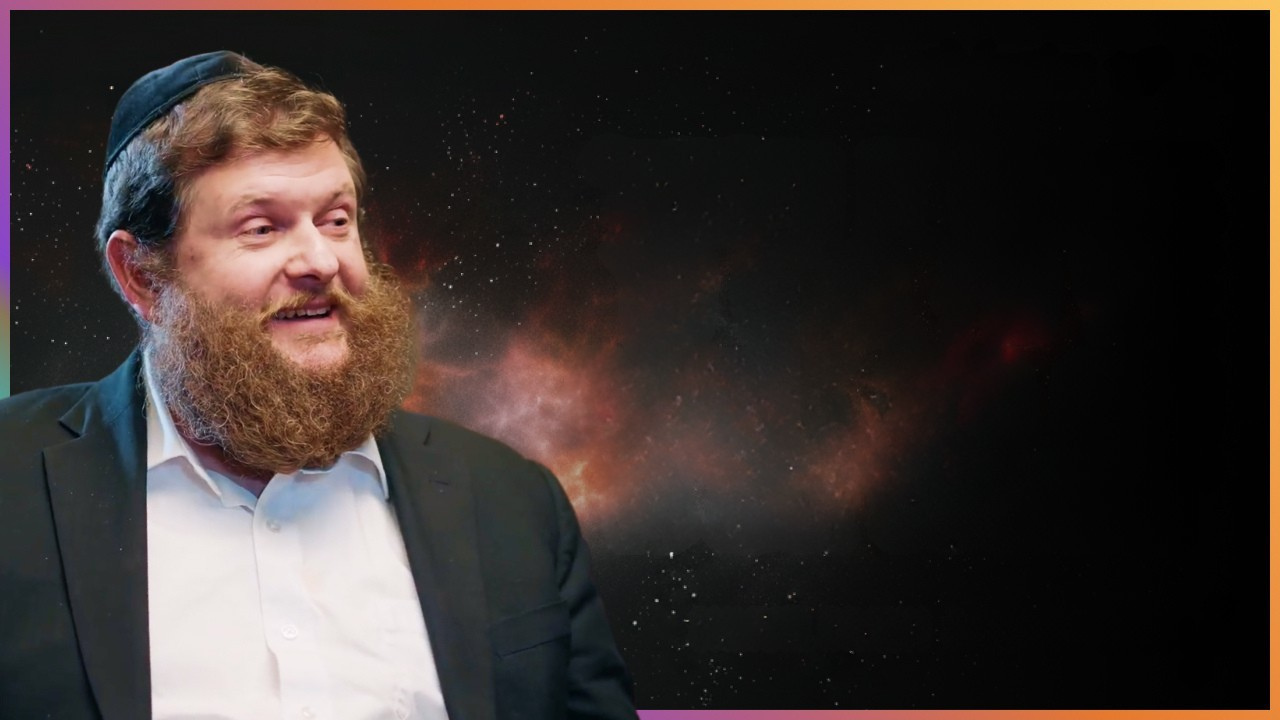
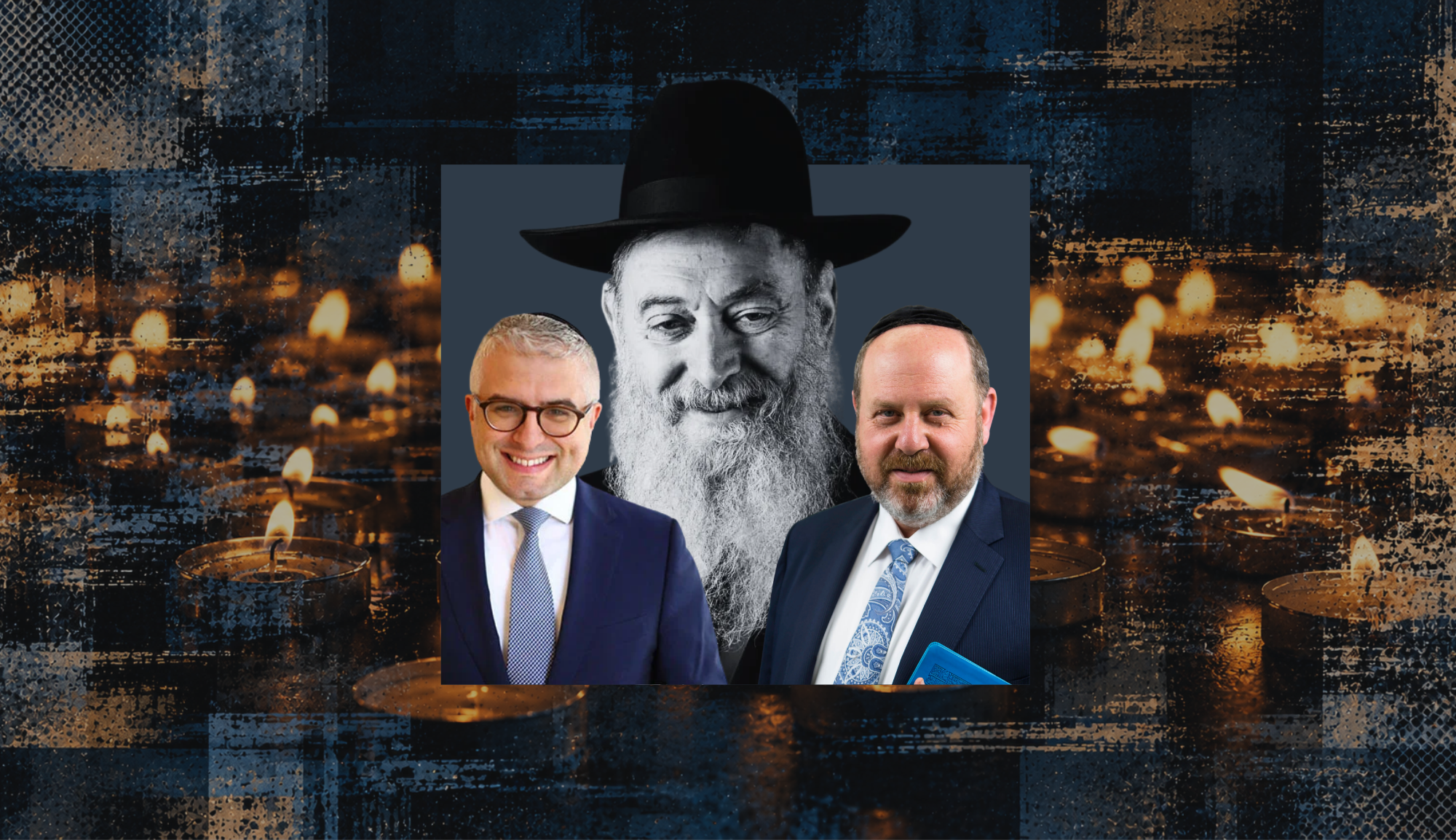
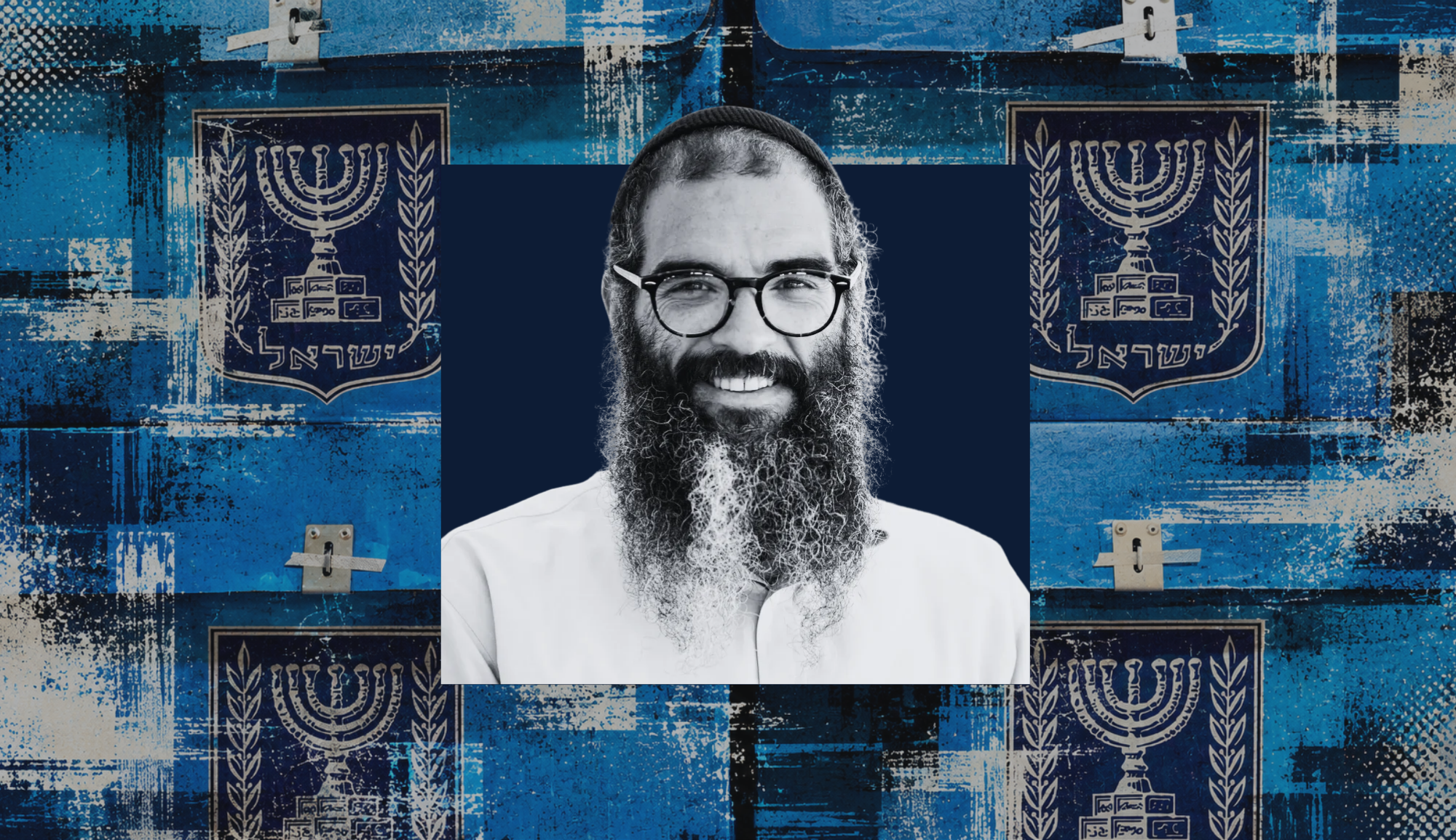
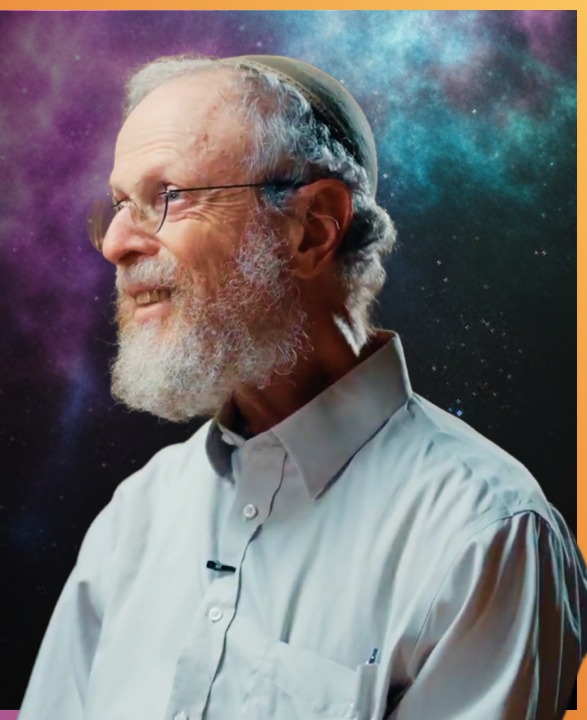
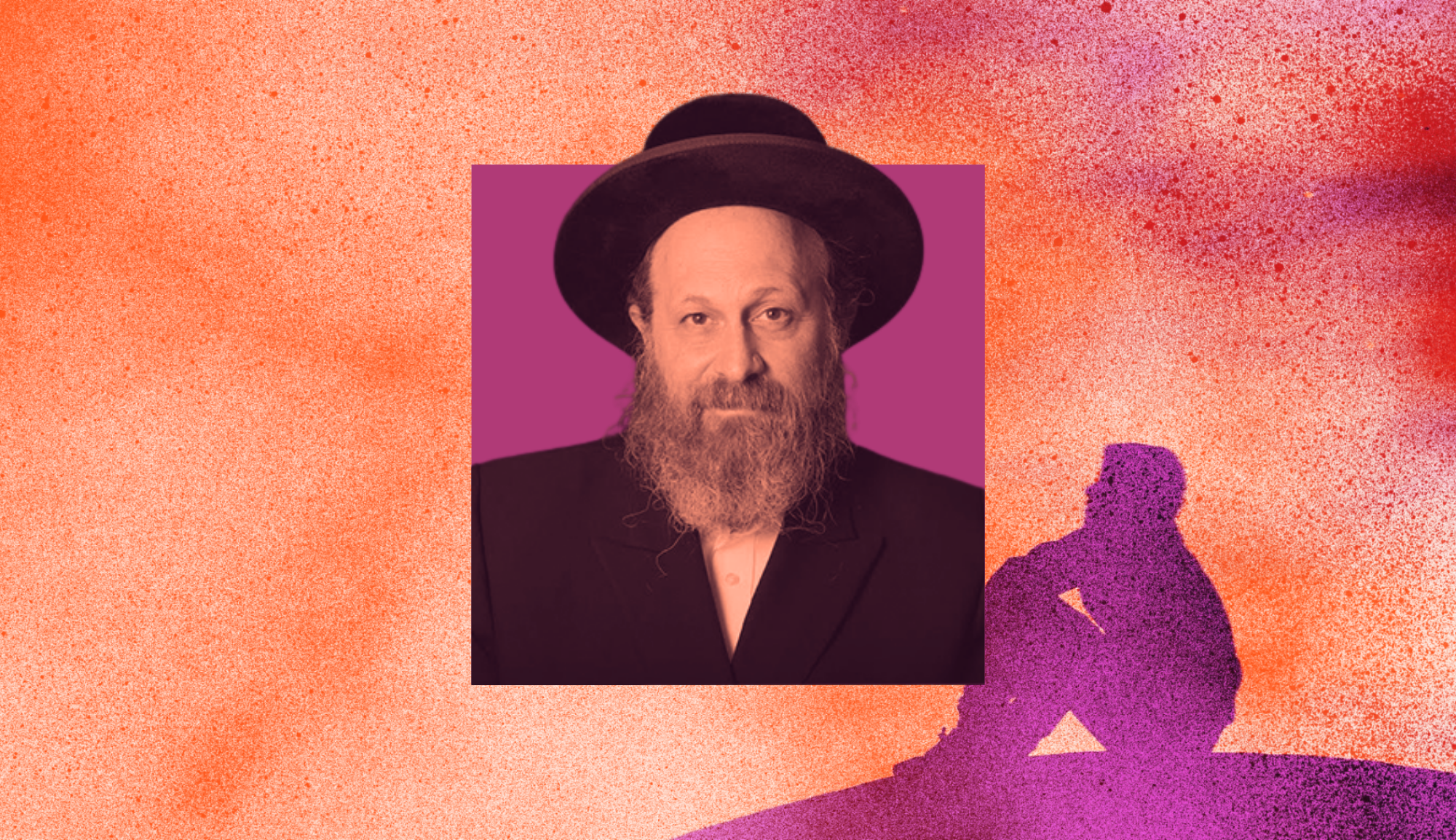
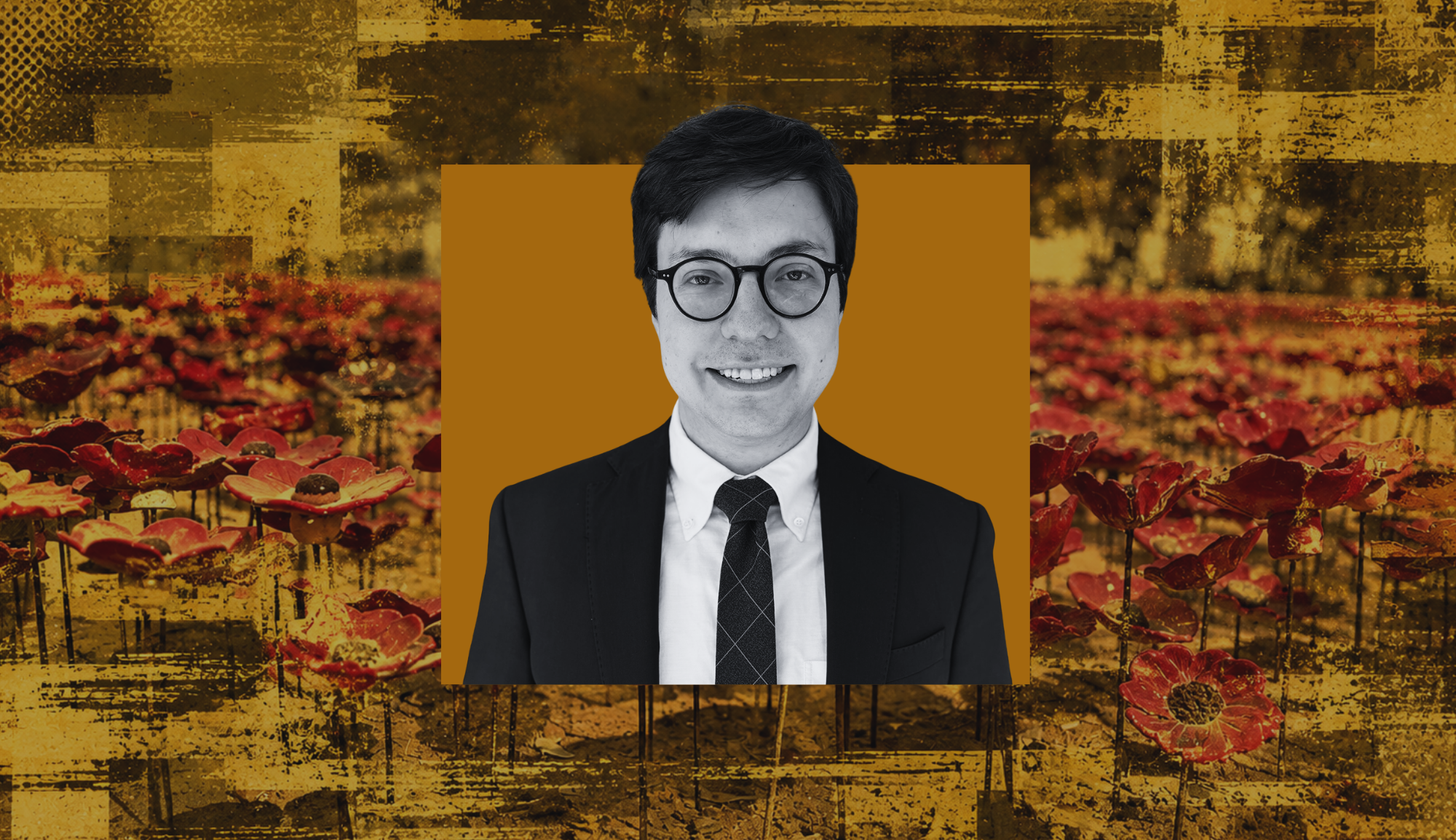
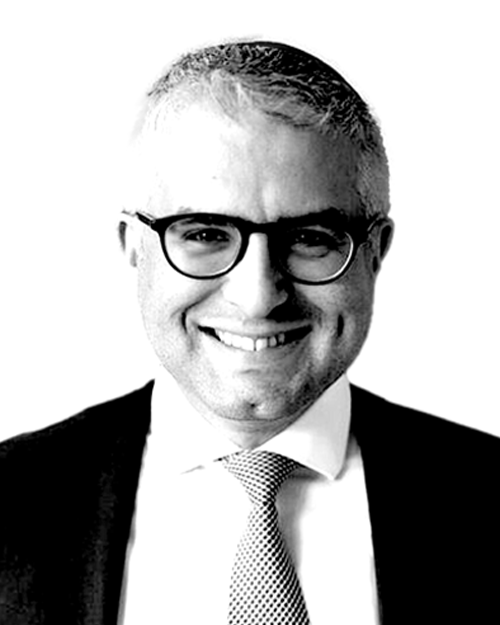
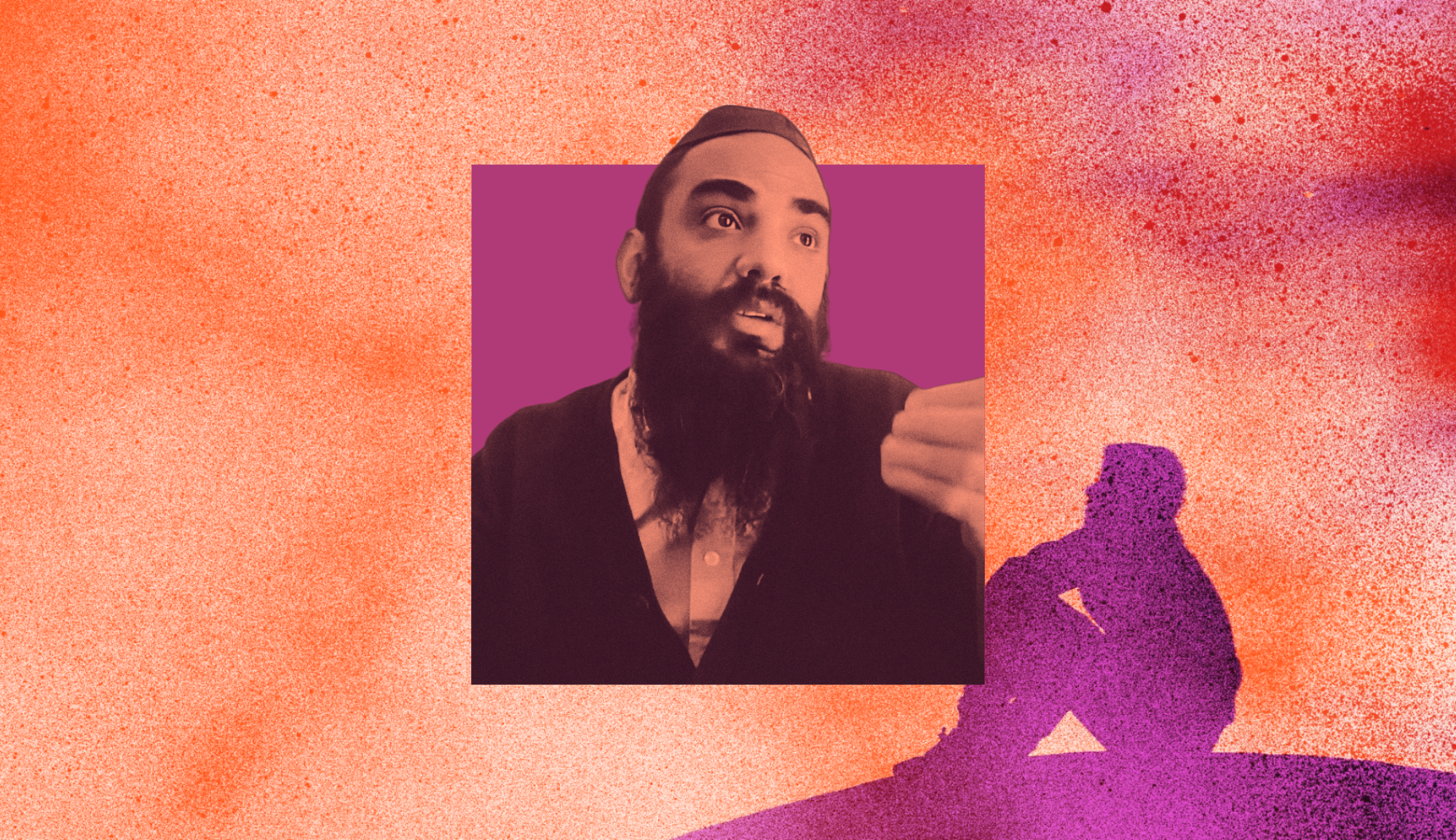
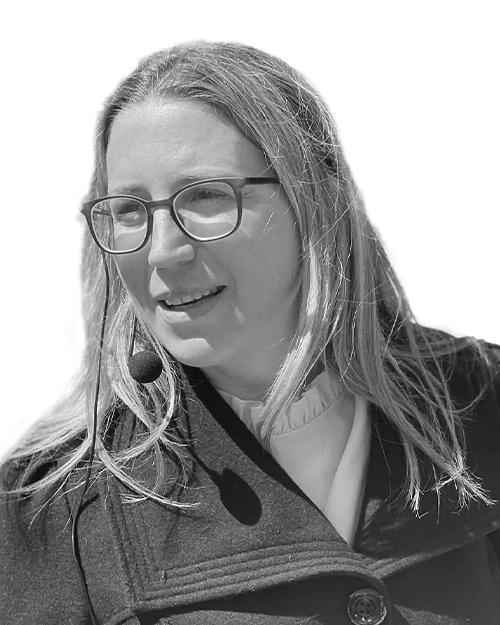
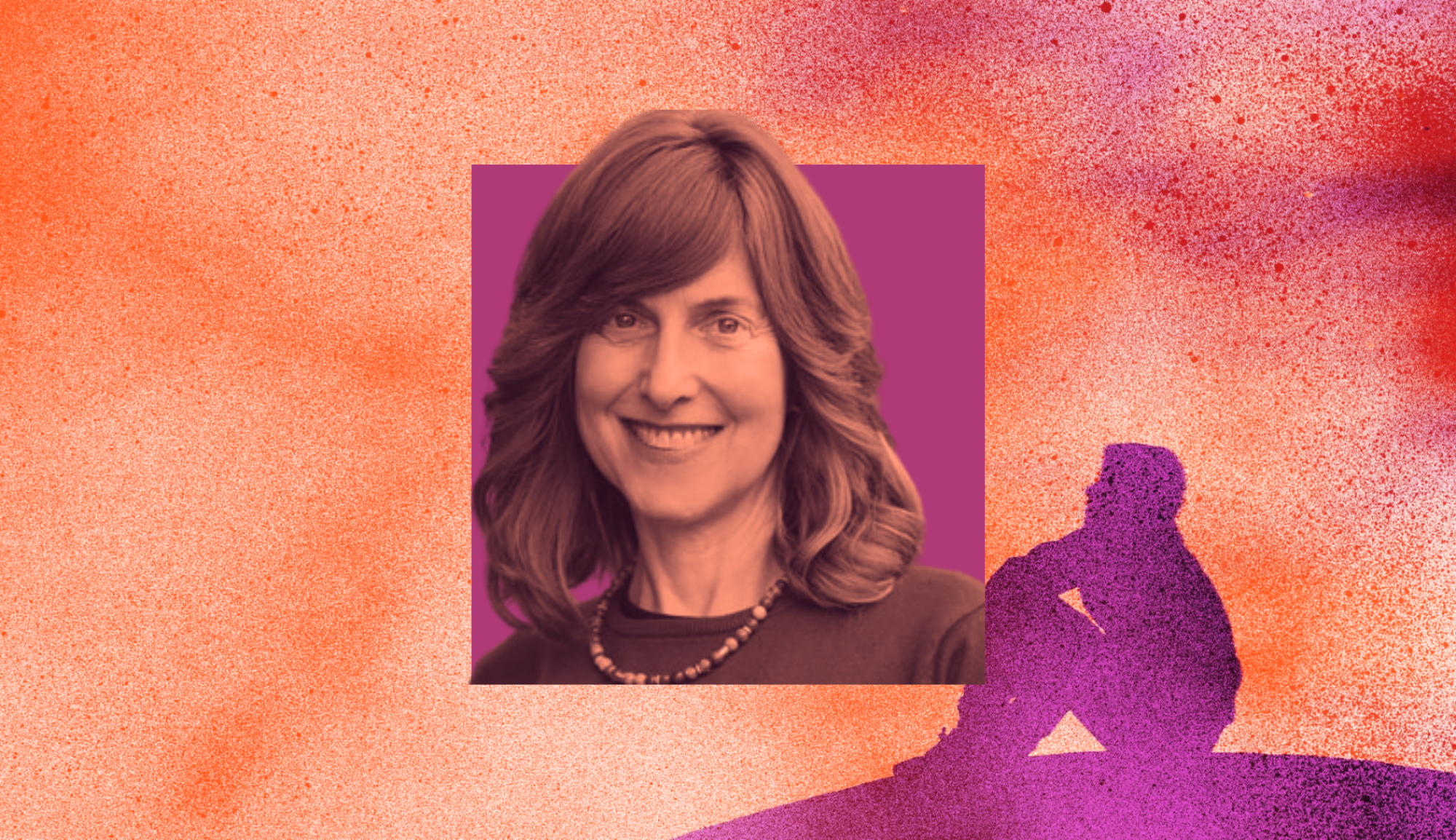
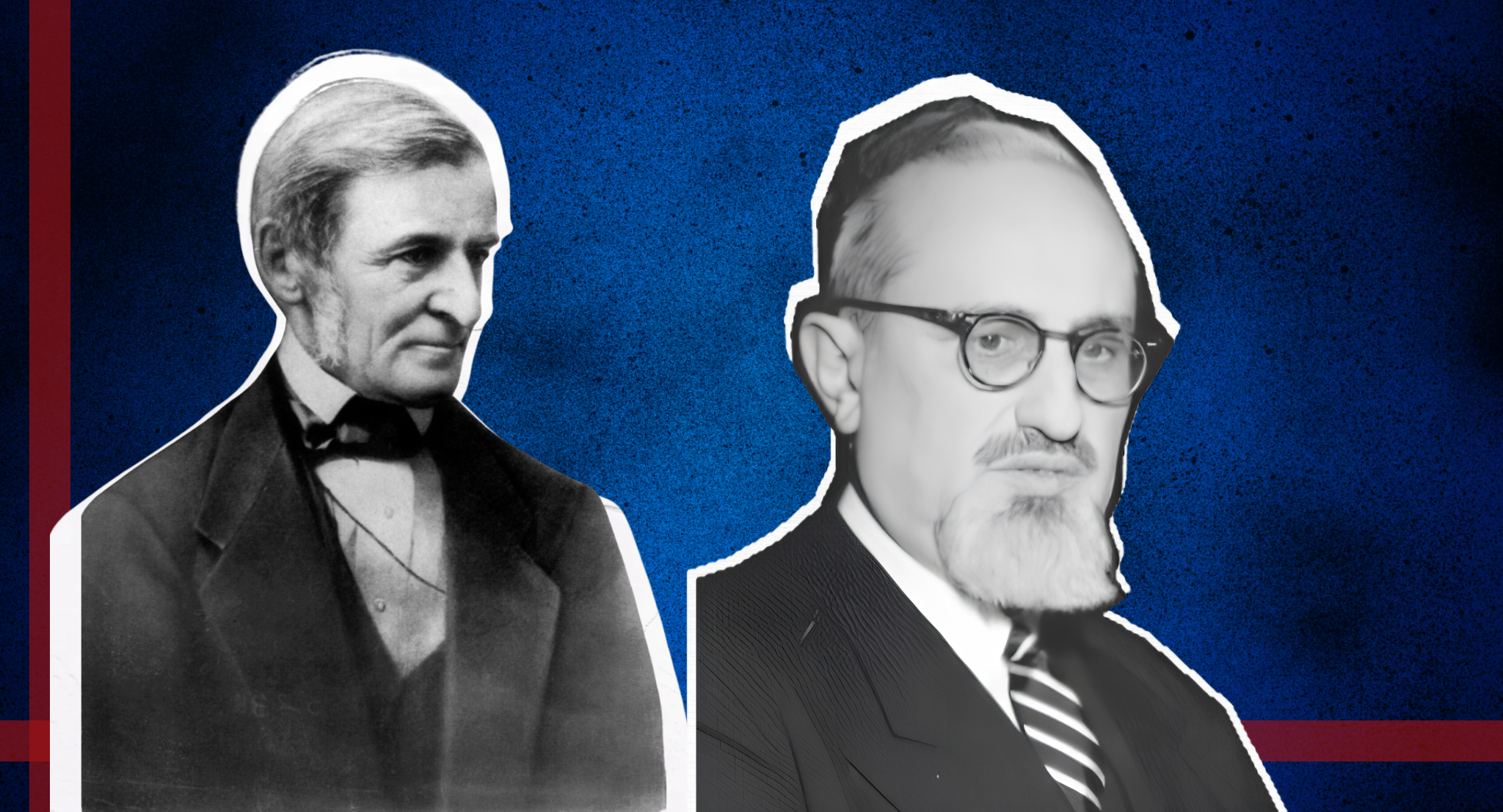
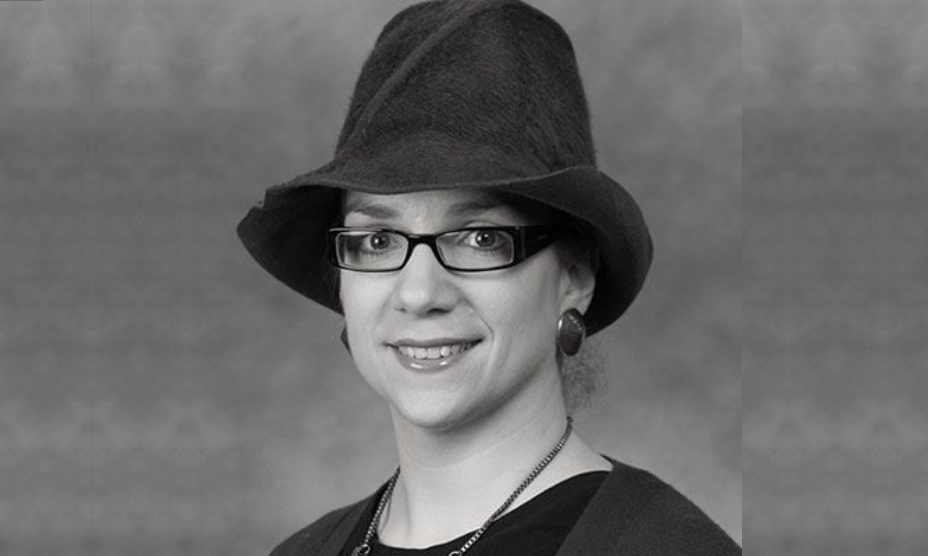
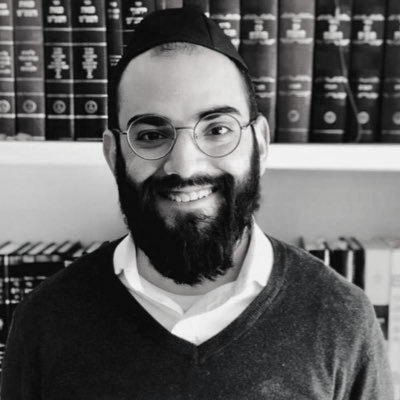
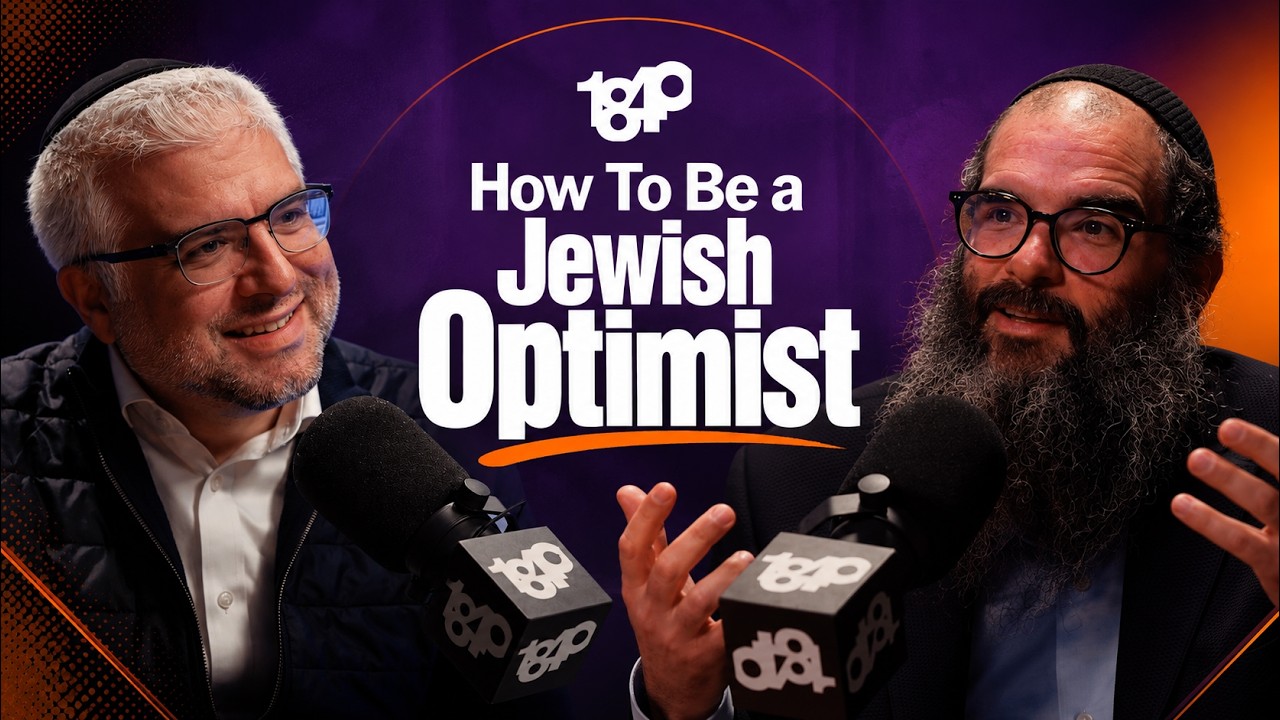
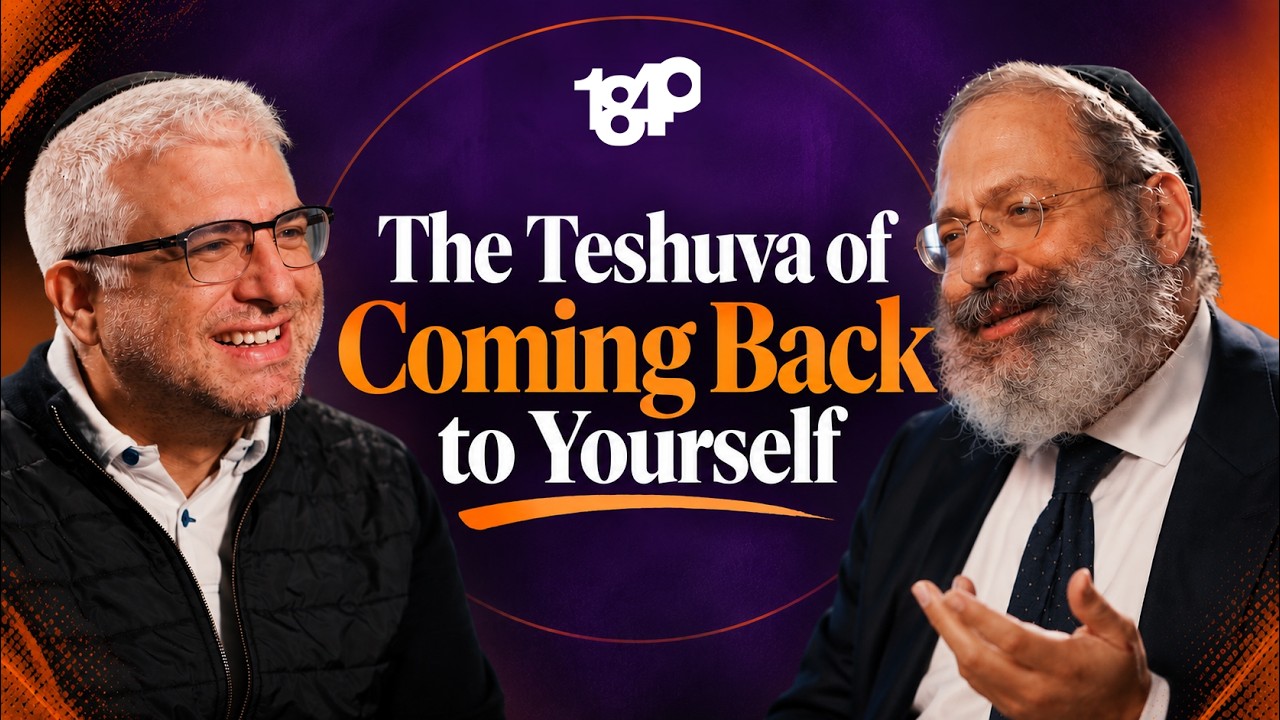
RABBI DR BENJI LEVY. Rabbi Shmuel Braun, the leader of Congregation Lev Le’Daas, a rabbinic teacher of Hasidism, many different mystical topics, and how to make them practical in our own lives. It’s such an honor, privilege, and pleasure to have you with us.
RABBI SHMUEL BRAUN. Thank you for having me.
LEVY. So what is Jewish mysticism?
BRAUN. What is Jewish mysticism? Well, the word mysticism is an English word. So very often Jewish mysticism is used synonymously with Kabbala and Pnimiyut HaTorah, but they’re not the same thing. Mysticism in the English word means to have a super sensory experience. Mysticism is to have an experience of the divine that’s not part of the normal rational world that we live in. Pnimiyut HaTorah [inner dimensions of Torah], although it can cause someone to have a mystical experience, it is very much rational, very much could be studied, and very much is about how to experience God even within our senses and even within our regular mundane life.
LEVY. And so how did you come to – whether it’s Jewish mysticism or Pnimiyut HaTorah – what is your personal origin story that brought you so close to this school of thought?
BRAUN. Well, I grew up very, very close to my family that were all Holocaust survivors with very pure faith. My grandmother survived Auschwitz and they always said, my grandparents, that the biggest miracle wasn’t just that they survived, but that their emuna survived. And I grew up with Jews, survivors, that their faith in God was something totally not explicable but totally palpable. And as I matured and I began wanting to experience God on my own, I was looking throughout Judaism and [searching for] books [that] would be the best way for me to be able to feel God in that intense way that I saw my grandparents and those Jews that I was brought up with lived it naturally. I felt like I needed to understand it and learn about it. And so I started looking around and I found first the Ben Ish Chai [by Rabbi Yosef Chaim] and some of the other sefarim [books], but then when I got to Maor Einayim, Chernobyl. And then I started falling in love with Chasidut [Hasidism]. A couple of months after that, I was about fifteen years old, Rabbi Moshe Weinberger moved to Woodmere a couple of blocks down, and they told me he was opening up a new shul called Aish Kodesh. And I met him. I was [one of] the first ten [men] when they started the shul and it was, I guess they say, love at first sight. And he’s been my rabbi ever since, and [I learned] Pnimiyut HaTorah through him, [and] my thirst for Hashem was really directed towards Chasidut and Pnimiyut HaTorah. And the more that I matured, the more that I learned, the more I saw that Chasidut, if one learns it the right way, is the way to really be able to touch the divine even today.
LEVY. So in an ideal world, would all Jews be mystics? Would they all be learning these traditions and learning these works?
BRAUN. Again, when you say mystics, I said before that’s a very tricky word because some people think mystics are flighty. And Pnimiyut HaTorah is not flighty. And so yes, in an ideal world everyone would be learning these ideas in a way that [one would] not necessarily have to go off into some supernal realm, although one can, through one’s mind, at least be aware and ultimately meditate about those realms. But even that, everyone should be able to partake of these ideas at least in a way to make God palpable and tangible. Rabbi AJ Heschel, who was the ultimate poet of Chasidut in English, he said the feeling of piety, the feeling of the experience of God, I mean, that is something that every Jew and non-Jew should be feeling.
LEVY. So just to double click on that, the experience of God. What is God?
BRAUN. What is God? Well, you remind me of an anecdote about one Jew, Rabbi Moshe Gurary, who was a Chabad Hasid from Tel Aviv who was very, very intellectual in the deep Haskala, the deep intellectual understanding of Hasidic concepts. And there was another Jew, Rabbi Zalman Moshe, who was a lot more of an oved [servant of God]. He was more yirat Shamayim, fear of Heaven. He didn’t like too much sophistication. It’s actually Rabbi Pinson’s great-grandfather.
LEVY. Oh wow.
BRAUN. And so one time Rabbi Zalman Moshe asked Moshe Gurary, what’s atzmut? Atzmut is a Hebrew word, it means the essence of God, meaning God himself. What’s atzmut? Zalman Moshe asked Moshe Gurary. And as soon as he opened his mouth to answer, Rabbi Zalman Moshe slapped him across the face. He said, if you’re opening your mouth, that’s not atzmut. If you’re opening your mouth, that’s not God –
LEVY. You’re gonna slap me now?
BRAUN. No, we’re being filmed. I mentioned Rabbi Heschel, where usually we experience a reality [where] I’m the subject and there are objects outside of me. But when it comes to God, I’m the object and God is the subject. And so God isn’t a thing that could be defined. But I am the object and everything that I see are the objects that the subject of God is permeating. So God is the ground of reality. God is the emanation of reality that comes out from the grounding. God is infinitely beyond that. I mean, there’s no words. Pnimiyut HaTorah gives pointers to allow the mind to be able to hear things that will allow it to then transcend itself.
LEVY. Wow. So what’s the purpose of the Jewish people?
BRAUN. Well, God said that in Exodus chapter nineteen. Before He gave us the Torah, He said, as a preface to the giving of the Torah, “Ve’atem tihiyu li mamlechet kohanim ve’goy kadosh.” You are going to be a kingdom of priests and a holy nation. What does it mean, a kingdom of priests? mamlechet kohanim? It’s actually interesting. I always say that I really understood that appellation only from a friend of mine, Father Jack Custer, who’s a Byzantine Catholic priest. I really understood because we once were speaking and we were talking about the whole controversy of rabbis and priests and women being ordained, et cetera. And he was saying that the question for priests is totally different than for rabbis because rabbis are teachers, which is true. A rabbi just means a teacher. A priest in the Catholic faith means that there’s a special sanctity that only they could perform sacraments. And so he was explaining that in a metaphysical [way] they believe that, and I understood based on what he was saying what it means that we’re mamlechet kohanim. In other words, we’re a nation that we’re all priests –
LEVY. It’s democratized.
BRAUN. What’s that?
LEVY. It’s democratized.
BRAUN. Ultimately. Well, democratized as this nation.
LEVY. Yes.
BRAUN. But in other words, let’s say in every religion, there are priests and then there are the rest of the people. So God is the God of all of humanity, but the Jewish people are the priests of humanity. And so the Jewish people’s job is to bring God’s infinite light into the world. That’s what it means that we’re the priests, that we’re the ones that perform the sacraments known as mitzvot. We’re the ones that are able to draw God’s infinity through the world through Torah and mitzvot. And so, let’s say all the nations and all of humanity are about perfecting the world and rectifying the world so that it should be a vessel for the divine. And all of humanity has a part in making the world a home for God. But the Jewish people have that sacred responsibility to bring the transcendent light of God into the world through the priestly service of Torah and mitzvot.
LEVY. Beautiful. So one of the things the priests did was the rituals in the Temple. And since the Temple was destroyed, parts of that element have been transformed into prayer. How does prayer work?
BRAUN. So, I don’t want to be pedantic, but because I did just mention priests, we have to remember that prayer, although our Sages do say that in fundamental ways it takes the place of the sacrificial order –
LEVY. There was prayer before that as well.
BRAUN. Correct. And it’s not something that’s just for priests, it’s for all people. Jews, non-Jews, all people in all times –
LEVY. So how does it work?
BRAUN. Prayer is our souls going back into their source for a couple of moments. Prayer is really a mystical experience, if you want to know the truth. Prayer is supposed to be the opposite of irrational. Now Pnimiyut HaTorah, Kabbala, studying, that’s something you do with bringing God into you, but prayer is where you go. You put yourself into God, where you are supposed to transcend. Prayer is that time that we are in confrontation, encounter, and finally inclusion within God.
LEVY. Wow. So what about Torah study? What’s the goal of Torah study?
BRAUN. To bring God into our brain. As the Tanya explains in chapter five, Torah study is the greatest of all mitzvot because [through it] we understand that the purpose of creation and reality, which the inner light of Torah explains, Pnimiyut HaTorah explains, is to bring God’s infinite being into the world. And the Jewish people are the priests, the mamlechet kohanim, that we’re the ones that do that through Torah and mitzvot. So this is explained at length in Tanya, in chapter thirty-seven, where he explains that the physical acts that we do are how we bring God into the physical world. That’s why Judaism is primarily a religion of praxis. Because it’s the objects that we use and the things we encounter in the world that we [use to] bring God into the world itself. But how do I bring God into myself? That’s Torah study. By bringing God into my brain. My grandmother, my Bobbe of blessed memory, she used to quote from her mother, my great-grandmother of blessed memory who went in Hitler’s gas chambers, her name was Rochel Brown, she used to say that you have to daven [pray] every day every day as if you’re going to die tomorrow, and you have to learn every day as if you’re going to live forever.
Because prayer is like a [kind of] dying. It’s like going into God. Torah study is bringing God into you, bringing God into your own mind, right? And when I learn Torah, I’m literally eating God with my mind. Just like when I eat food, it becomes my flesh and blood. When I learn ideas of Torah, it becomes my mind and God becomes my mind.
LEVY. So does this wisdom view men and women as the same?
BRAUN. Which wisdom?
LEVY. Pnimiyut HaTorah, mysticism, this whole school of thought, Kabbala.
BRAUN. Well, when you say the same, I mean, you just said men and women, which by definition –
LEVY. Means they’re different.
BRAUN. Means that there’s two different categories you’re asking about. But obviously, when it comes to the same as in can they both equally connect to God, for sure. Which is why Hasidism was and is a populist movement and a renaissance in the way that the Hasidic masters taught that God, like you said, is the ultimate democracy. In this week’s parasha [Torah portion], “vayavo anashim al hanashim”: the women built the Mishkan [Tabernacle], the sanctuary for God, even more than the men. And if the whole purpose of creation is to make the world into a Mishkan, of course women in that way have that deep connection to being. Men are more about doing. Psychologically, of course, Jung says that both men and women have the masculine and the feminine. So we both have the anima and the animus. But generally the masculine is doing and feminine is being. And when it comes to being a Mishkan, to being a sanctuary for God, being in very deep ways is more important than doing. Doing is bringing God into the world, but being in a way of being with God, which is what prayer is and what the Mishkan is, that is something that women have in a very deep way naturally even more than men, which is why, where did the sages learn all the laws of prayer from? Hannah. Yeah. Hannah, because women by definition have that connection that even Eli the priest, the real High Priest, couldn’t understand what was going on with her.
LEVY. What is the biggest obstacle to spiritual life?
BRAUN. What is the biggest obstacle to spiritual life? The waterboarding we’re constantly suffering from the stimulation that is being thrown at us literally all day, at all times. And the galut hadaat [exile of the mind] that our ability to focus and concentrate and be with self is in severe danger.
So to be able to have a spiritual life one has to be in touch with one’s own spirit. And one’s own spirit is part of one’s own self. And if we’re constantly outward focused and being pulled out of ourselves all the time in such drastic ways, ways that even me and you when we were children couldn’t have imagined, that is the greatest challenge: to be able to be at peace within oneself, to be able to to sit quietly, to be able to sit today [when] everything is so quick and everything is a sound bite, and reality is eternal.
And so I have to step out of the stream of movement of reality, to the truth of being like we said before, and just be with Hashem. People are like, how do I daven better? Which books should I read? It’s not about reading books, really. It’s about being able to be with Hashem. Just be with Hashem within yourself. And then the words will flow. It’s not about a vort and this idea, that idea. It’s that we’re losing the ability to even talk to another person. How much more so to be able to talk to Hashem? One has to be fully present to be able to have a spiritual experience.
LEVY. So why did God create the world? Why did He make this space where we struggle with all these things? God was perfect.
BRAUN. Yes, He was and is perfect. Yes and, as they say in what do they call that kind of comedy? [Improv.] God is perfect and part of the perfection God wanted, as the Sages revealed to us, of course we wouldn’t know on our own, but the Torah reveals to us that God had a desire to have a home. That most basic human attribute that all humanity shares that there’s no place like home, that we all want a home. I was just talking about being at home in oneself, but one has to also have a place to live where one feels at home. And it’s really scary that there are some people that live with the same people in the same structure but don’t feel at home. So being at home is not just having a place where you could put your stuff. Being home is a place where you could feel expressed, where you could be authentic. God wants that, wanted that, and He therefore created the structure and our priestly job, which, together with the other nations, is to make the world into the home for God.
LEVY. And where does that place us? Like what is free will? Does it exist?
BRAUN. Well my rabbi, Rabbi Weinberger, always says free will is overrated. At some level it exists. Let’s put it like this. It exists at the level that me and you are sitting here and having this conversation and I feel me and you feel you. We’re in a prism of free will. Free will as long as I see a steak and it looks delicious and I see rotten food and it makes me nauseous, then I’m living in a world of free will. Then I’m still in a place where God’s infinite being is concealed. God has manifested a shem [the name] Elokim as the name of concealment. God has made that His being is through tzimtzum, through many tzimtzumim, through concealments. God has made this prism of reality, He’s made Himself manifest in a way that I don’t feel God even though that’s really all there is. I don’t feel Hashem. I just see a world and I see stuff and I see challenges and there’s just this multiplicity. And so this state of the world with all the separation and the chaos, when I’m still caught within this prism there is free will. But the ultimate truth is to pray and do teshuva [repentance], which are both the same ideas really, which is to return my soul to God. Where’s Hashem? Where’s God? God’s here. Which means to open my eyes and be aware of the truth that really there is no free will.
LEVY. So we’re living in a parallel reality where we feel it exists, but there’s an ultimate beyond it.
BRAUN. Well, I wouldn’t say beyond it, I’d say in it.
LEVY. Okay.
BRAUN. But I would certainly say there is a parallel reality. And one is called shem yud, kei, vav, kei, the four letter name of God. One is called shem Elokim, the name Elohim. And the ultimate truth is that Hashem Hu HaElokim, that God manifests as infinite light, and as concealment, and as challenges, and as hiddenness. And our free choice really at every moment is to give up that free choice and go back to that ultimate truth and allow ourselves to rest in that truth that the Elokim and Havaya [another name of God] are one, that Hashem is everything.
LEVY. The time when that will be really expressed is in the Messianic Era with Mashiach –
BRAUN. Correct.
LEVY. What is Mashiach [the Messiah]?
BRAUN. Exactly that, that I’ll be able to [see the oneness of God] with my eyes open. Right now we close our eyes, we say “Shema Yisrael, Hashem Echad” [Hear O Israel, God is One]. I hear that God is everything, that “Hashem Echad,” that God is the only thing there is, that ein od milvado [there is none other than Him], “Hashem Echad,” the real unity of Hashem, that Hashem is the all, that all is God and God is all, alts iz Got aun Got iz alts [all is God and God is all]. But we close our eyes, because when I open them there’s a me, there’s a you, there’s distinctions, there’s separateness. Hamavdil bein kodesh le’chol [Who separates between the holy and the mundane], right? But when Mashiach [the Messiah] comes, I’ll open my eyes. We won’t have to. And that’s what the Lubavitcher Rabbi said the last year that he was talking when he was so, so much storming about the need to bring Mashiach. And he kept saying, all we need to do is open our eyes. He was saying that literally all the rectifications, the divine rectifications that need to be done in the upper worlds and this world are done. And now it’s just up to the mekabelim [mystics], the bride, that we have to open our eyes and open ourselves up to the groom. It’s just to have that mystical experience through Pnimiyut HaTorah [inner dimensions of Torah] but have that mystical experience of allowing ourselves to be part of the transcendence that is within us.
LEVY. Is the State of Israel part of the Final Redemption?
BRAUN. Wow, that’s –
LEVY. We’re talking about this Messianic Era. The [Lubavitcher] Rabbi talked about getting closer and closer to it.
BRAUN. Yes.
LEVY. Is that part of the process?
BRAUN. Well, let’s put it like this. It depends what you mean because semantics really matter in theology. So everything is part of the process. Every event that ever happened from Bereishit bara Elokim [In the beginning, God created], from Abraham, Isaac, and Jacob and the destruction of the Temple and all the thousands [of years of history], everything is part of the messianic. Like the Alter Rabbi says in Tanya chapter thirty-seven, it’s all part of making the world a place for Hashem. And definitely the fact that Hashem made miracles throughout the generations even though we’ve been this “Aniya soara lo nuchama” [Unhappy, storm-tossed one, uncomforted], like Isaiah says, we are this tempest-tossed, inconsolable, broken-hearted woman. And throughout history, the Jewish people have been thrown all over the place until today, what we’re going through [currently]. So part of Hashem’s kindness is that through the storms, throughout history, He’s given us lifeboats and He’s given us ways to be able to survive, whether it’s the kindness of America or whether it’s [what] we had in Europe at different times or what we have now since 1948: There was a miracle and Baruch Hashem [thank God] we could go to Israel. So that’s all part of being able to survive in exile. But ultimately all of that is part of preparing the world for Mashiach. But Mashiach is when we will be able to see Hashem. Until we see Hashem and experience God and have the king Mashiach, then Mashiach isn’t here yet.
LEVY. So what is the greatest challenge facing the world today?
BRAUN. The greatest challenge facing the entire world? If I knew, I’d be Mashiach.
LEVY. So what is one of those challenges that you see might not be the greatest, but it’s something that you can say is a real challenge?
BRAUN. I think it’s what I said before. I think it’s that we’re losing ourselves. I think that besides the many generations of layers of trauma that humanity as a whole and the Jewish people specifically are carrying in our bodies, I think right now because of social media and because of the iPhones and because of the news, I think that we are losing our humanity. We’re losing what it means to be a person with an inner world. And that’s why the world is falling apart because if you don’t have “I,” then there can’t be a you. I can’t ever say I love you if I don’t have that real feeling of an “I.” My wife mentioned to me that she saw a couple of weeks ago that one physical newspaper today has more information about the world than a person living until the fifteenth century in Europe would have heard their entire life. One newspaper –
LEVY. It’s mind-boggling.
BRAUN. And our minds are not meant to process this much information. And so we’re having conversations with a million people and we think that with all the telecommunications we’re having better communications with people, but you and I have experienced that it’s not the case because until you sit down and talk to a person face-to-face, you’re not really [communicating]. George Bernard Shaw once said that the greatest danger of communication is the illusion that it could ever happen. And that’s even when you’re sitting and talking to a person face-to-face with texts. And this – we’re not filling ourselves up with human interaction. We’re not filling ourselves up with any real information because right away we’re [moving] on to the next thing. And so I meditate a lot and don’t know how people survive without doing it.
LEVY. Wow. So what is Jewish meditation? Because I know this is one of your areas of expertise and you see it as an antidote to ground you for this problem that you’ve highlighted.
BRAUN. Jewish meditation is meditation for Jews. But meditation is something that’s a necessity for humanity. Like an electric appliance, you have to plug it in. So we know that we sleep, but in today’s day and age a lot of people are so anxious they don’t sleep very well. We plug ourselves in by meditating. Meditating means to have an inner Sabbath, which means that I allow myself to come back to self. To be able to just be fully present in the here and now with my breath, with myself, which literally means to reset my “who am I” before I’m extending to anything outside of myself. So that’s just a necessity for sanity and to be a person.
It would be the same for non-Jews as well because I believe non-Jews also have to pray. Jewish meditation would specifically use perhaps some of the texts within the Jewish corpus, but after returning to self, Jewish meditation – really any meditation – is then [meant] to go to what’s deeper than my ego self, and that is the ground of where my self, where the mask of my persona is coming from, which is God. So which is prayer, which is teshuva, you know, like Rabbi Shlomo Carlebach said, return to the land of your soul. So meditation, Jewish meditation or any meditation, is that ability to, instead of focusing outward on specifics, to rather return into the general being of self and then finally dissolve into the general being of all reality, which is Hashem.
LEVY. Wow. So you talked about this unique time we’re living in. How has modernity changed Jewish mysticism? How has it changed Kabbala, Pnimiyut HaTorah [inner dimensions of Torah]?
BRAUN. Well, since the sin of the tree of knowledge of good and evil, until Mashiach comes, everything is a mixed bag. Everything has a good side and a bad side. So of course there’s the challenge of modernity in that, like I’ve been saying, the hustle and bustle takes us away from yishuv hadaat, from being able to be fully present. I keep mentioning my grandmother, my Bobbe – you know, when I was in the ’80s growing up, there was one phone in the house. And I remember her saying: Here in America, everyone is rushing, rushing, rushing. Could you imagine? Back then it was rushing, in the ’80s.
LEVY. With one phone.
BRAUN. With one phone in the house.
LEVY. Now every person in the house has a phone.
BRAUN. Because she grew up in Europe. So of course, that aspect of modernity is very challenging, the loss of being able to be at home within oneself.
There’s of course also the modern challenge of exposure. I mean, the amount of stuff that we’re exposed to, the negative stuff, the darkness, is overwhelming. In one of the movies I remember from [when I was] a kid they said: You can run but you can’t hide. You know? So when it comes to the darkness that modernity and technology brings to us, you can run but you can’t hide. But on the other hand, modernity on the flip side has a lot of positive opportunities because we’re able to utilize and engage modernity and technology in a way to spread consciousness. And it’s almost ironic to use technology as a way to spread the need to remove oneself from technology, but that is exactly what the Gemara says. The Alter Rabbi, in chapter twenty-nine of Tanya, he [teaches] from the Gemara that says: Why did God pick Obadiah, who was a convert from Edom, to be the prophet that would prophesize the downfall of Edom? Because he himself was from Edom. Like [when] you take the branch of a tree to make the axe that you cut the tree with. In other words, if you want to sweeten negativity, you have to sweeten it from the darkness itself. And so the technology and the hustle and bustle of modernity has to be used in a way to put God into the world, to use the technology as a way of spreading the message [of]: Don’t allow your humanity to get lost. Don’t allow your soul and your spirit to get lost. My grandmother passed away about twenty years ago. Kierkegaard was in the 1800s and he was already talking about the loss of self. He writes The Sickness Unto Death, which is his book about despair, about the loss of self. He said that any other loss is bound to be noticed: the loss of an arm, five dollars, a wife, but the loss of self, nobody notices. Just, nobody even pays attention, you know?
LEVY. Crazy.
BRAUN. And so in that way, we have to utilize the vessels and the technology to make sure that people don’t become robots, automatons. I actually was having a conversation, I don’t want to say with whom, but somebody that you know, and I was joking that soon they’re going to put computer chips in our brain. And he sent me [a news article that said] that Elon Musk with Starlink, they’re already planning to do that. And he was saying it as a positive thing. And this was a person that I respected and I was just thinking of 2001: A Space Odyssey. I’m like, seriously, are we really going on to become robots? We have to remain human beings. God doesn’t want robots or angels. God wants human beings and we have to maintain that humanity.
LEVY. So what’s the difference between Jewish mysticism and other forms of mysticism? I know that you’re a believer in all different schools of thought and you’ve had exposure to different areas. What makes it unique?
BRAUN. So, again, if we’re going to continue using the word mysticism in that way and comparing Jewish and non-Jewish mysticism, then it’s very important to say as follows. I keep saying that mysticism is a very tricky word. Evelyn Underhill, in her famous book about mysticism, talks about how it’s essentially experiences of the unconscious that are by definition beyond words. So it’s hard to talk about. But what is important to point out if we’re mentioning the difference between Jews and non-Jews in this area of experiencing the divine is going back to the idea that I mentioned about the Jewish people being the priests of nations. So what does that mean vis-a-vis experiencing Hashem? In 1972, there was the first international conference on Jewish mysticism in London. And they invited the Lubavitcher Rabbi as a guest of honor. And of course he declined. I mean, I think he’s, as far as I know, the only person that was invited a couple of times to the White House and he declined because he said he didn’t have enough time. To listen to widows cry and people cry, for that he had time. But for the White House he didn’t have time.
Anyway, he didn’t go to this conference but he sent a letter. And in the letter, which I think is printed in many of the editions of the Hebrew-English Tanya, in the letter he says like this: If you’re having a conference about Jewish mysticism, it’s important to point out – what is the difference between Jewish mysticism and non-Jewish mysticism? Because if we define the word mysticism not as the corpus of Torah known as Pnimiyut HaTorah but rather as actually having a super sensory, super rational experience of the divine that’s beyond my regular experience, all religions have that in common with Judaism because like I said, when one is able to rest into self and to go to higher states of consciousness, that’s something that’s endemic to the human condition, to all people, all human beings.
However, what the Lubavitcher Rabbi said in the letter is that it’s important to remember that in Judaism, the most mystical experience, if, again, using mysticism as an experience of the divine, the most mystical experience that a Jew could have is actually doing a mitzva. Action. Why? Based on Tanya, chapter thirty-five, et cetera. Because no meditation, no going into self could ever get me to the infinite, to the transcendent, to yud, kei, vav, kei [spelling of the name of God]. Prophets of the nations, mystics of the nations, they are all connected to shem Elokim [the name of God], right? And shem Elokim is the all. Shem Elokim is God as reality. But the infinite transcendent essence of God, we can’t reach it with our mind no matter how much one meditates. That infinite essence of God could only be given to us through matan Torah [the giving of the Torah], through Torah and mitzvot. And so when a Jew does a mitzva, we are uniting with God’s essence, with atzmut umehut ein sof, with the essence and being of Hashem.
And so, it’s important to point out that whereas when it comes to the [mental] process of meditation, we’re very similar in many ways to other mystical traditions. In fact, I personally gain a lot from Buddhism in understanding our own tradition of meditation because in many ways it remained an oral tradition that wasn’t written down as much as Buddhism does talk about meditation in that way. But when it comes to the actual mystical experience of uniting with atzmut umehut Ein Sof, with God’s very being, we can’t do that with our own mind. For that you have to do a mitzva.
LEVY. So as an extension of that, mitzvot are sort of the religious expression. Can one study mysticism if they’re not religious?
BRAUN. What does religious mean?
LEVY. Let’s say doing those mitzvot as a daily practice. So whether that means eating kosher food –
BRAUN. So I’m trying, I’m answering you really. What does one have to do with the other?
LEVY. What we just said.
BRAUN. Religious, you might mean observant.
LEVY. Let’s say religiously observant.
BRAUN. Oh, okay, because religious – I like to use the word religious the way Rabbi Heschel, Rabbi AJ Heschel used the word religious, which is having a Godly consciousness. So that’s something that is not necessarily dependent on practice.
LEVY. Yeah.
BRAUN. But if I want to number one, like I just mentioned, fuse with God’s infinite being, transcend time and space, for that I need to follow halacha [Jewish law]. And if I want to bring God into the world and hasten the coming of Mashiach, for that I need halacha.
LEVY. Okay. And can it be dangerous?
BRAUN. Can what be dangerous?
LEVY. The study of Jewish mysticism.
BRAUN. Not anymore. The danger was in the old days when people would actually enter those realms. As long as a person still enjoys a slice of pizza, you’re okay.
LEVY. That’s the litmus test?
BRAUN. Yeah. If a slice of pizza still talks to you, you’ll be all right.
LEVY. And how has this affected your personal relationships? As you explained, the [Lubavitcher] Rabbi said it’s got to come down into mitzvot, into application. But this study also affects your relationships with people. You cited many people, whether it’s your wife, whether it’s your grandmother, thinking about your children, your students, your congregants. Can you think of a practical example where the study of mysticism has influenced the relationships you have?
BRAUN. Well, you mentioned my children, so I’ll tell you an anecdote about my Moshu – he’s my second son. When he was about nine or ten years old he was learning about the idea of ein od milvado, that Chasidut [Hasidism] teaches that God is literally in everything. In the physical [plane] there’s no place that God is not found. Leit atar panui mineh, there’s no place void of Him. So he was learning it and he’s like, well, how am I allowed to step on the floor? If Hashem is in the floor, how am I allowed to step on the floor?
LEVY. Beautiful.
BRAUN. And Hashem helped me right away, He put the answer in my head, and I said, because Hashem is in your feet also.
LEVY. Stunning.
BRAUN. And I think that the more that I’m able to feel Hashem in the world and in myself, then of course I feel Hashem in the other. And E pluribus unum, right? From the many come one.
And I always like to quote Meister Eckhart. He was a great Christian mystic. And he said as follows. He said, theologians of the world may argue, but all the mystics of the world speak the same language. Because [regarding] theology, when you talk about ideas, and language, and opinions, and details, you’re going to argue with even people that are in your own synagogue. But mysticism, which is the feeling of the divine, when you touch that essence of reality, that’s international, it’s multiracial, it’s multi-religion, and it helps in my relationships with all the people around me, my children, and my spouse, because I understand that it’s God looking at me through their eyes.
LEVY. Beautiful. So to conclude, you shared such profound teachings based on these questions that are very much either theological or practical. I’d like to just ask you to share a teaching.
BRAUN. A teaching?
LEVY. Yeah, what’s something that inspires you, a meaningful idea that you come back to or just that you’re thinking about right now, just a short idea that we can end this beautiful conversation with?
BRAUN. Okay. One of the greatest teachers of Chasidut was a Jew by the name of Rabbi Hillel Paritcher. Rabbi Hillel of Paritch. He was a Hasid of the Mitteler Rabbi, the second Rabbi of Lubavitch, and the Tzemach Tzedek. I was born on his yahrzeit [deathday]. And he writes as follows. In the Shulchan Aruch, the Code of Jewish Law, the first halacha [law] is not just chronologically the first but the most important. And the foundation of Judaism is “Shiviti Hashem lenegdi tamid,” I have placed God before me at all times. That’s how the Shulchan Aruch begins. It’s a verse from Psalm sixteen. And then the Rema quotes Maimonides in Guide of the Perplexed, part three, that a Jew goes through life knowing that I’m always in the presence of the King, “omed lifnei HaMelech” [standing before the King]. And Rabbi Hillel Paritcher says that is the correct language according to nigleh, the revealed, external aspect of Torah. Meaning, as I was saying before, when your eyes are still open, before you meditate, before you enter that world of Pnimiyut, then I’m standing before the King. That I and the King are two different things. And I’m in the presence of the King.
Rabbi Hillel Paritcher says, however, that once a person learns Chasidut and knows that all of my reality is just the vitality of the divine light that’s flowing, and emanating, and becoming me every moment, and that light, that ray, is the energy that is what I am, and it is within God’s infinite light, like the ray of the sun when it’s still in the sun, then I’m not standing before the King, I’m within the King. I’m just dissolved and all there is is the King. So if, let’s say, during the course of a day I have to function in that world, that all of life is forever lived in the presence of God, that I’m in the King’s presence, prayer at least, and prayer doesn’t just have to be when you say the words, it could be when one wants to have a mystical experience, is to lose that distinction, that it’s not me and the King as two separate realities but to really feel my being as one with the essence and being of Hashem.
LEVY. Stunning. Well, thank you so much for this riveting conversation.
BRAUN. Thank you.
LEVY. And I think that profound idea that you ended with is really sort of our life purpose and I think it touches on everything you’ve said, to be at one with Hashem. There are moments when we’re speaking that I saw you close your eyes, and there are special Shabbatot that we’ve experienced where I’ve seen that real oneness. And I give you a blessing –
BRAUN. Amen.
LEVY. That you can continue to really feel at one with God and also not just with yourself, but through your amazing meditative work, through your amazing teachings, through your congregation, to inspire others to do the same.
BRAUN. Amen. Thank you very much. Amen.
LEVY. Thank you so much.