Transcripts are produced by Soder.ai and lightly edited—please excuse any imperfections.
Dovid Bashevkin: You know that feeling when you see a Hatzalah member drop everything and run? Here in our communities, we know exactly who to call when something goes wrong. So who does Israel call? Magen David Adom, MDA, is Israel’s Hatzalah. When someone in Eretz Yisroel calls for emergency medical help, 95% of the time, it’s MDA who answers. And they’ve been doing it since before there was a State of Israel.
In 1930, when Israel was still a dream, MDA was already on the road with one ambulance. Today, it’s a nationwide network of ambulances, medics, and motorcycle first responders racing through traffic to get there first. Whether it’s a fall at home, an emergency on the highway, or a moment none of us want to imagine, MDA is there, protecting, saving, and giving life. That’s what they’ve done for over 95 years.
To learn more and see how you can be a part of it, visit magendavidadom.org. That’s M-A-G-E-N D-A-V-I-D A-D-O-M.org, magendavidadom.org.
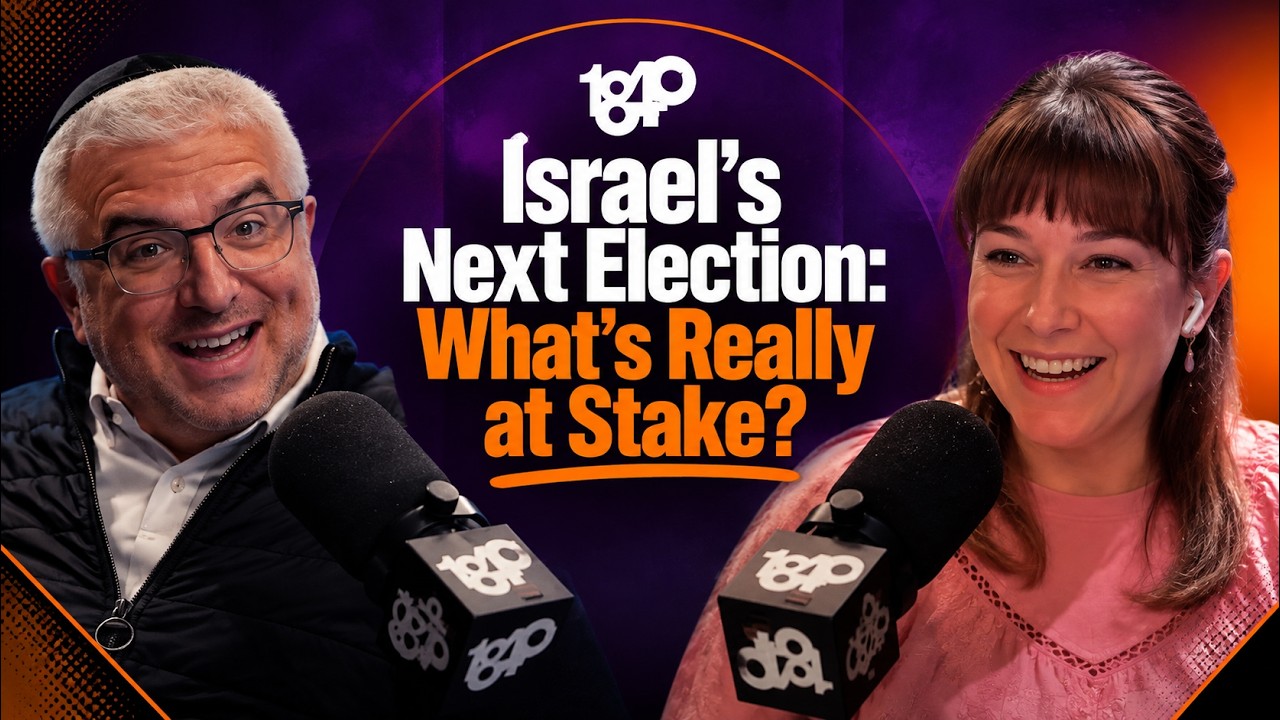
Hi friends, and welcome to 18Forty, where each month we try to explore a new topic, balancing modern sensibilities with traditional sensitivities to give you new approaches to timeless Jewish ideas. I’m your host, Dovid Bashevkin, and today we are exploring a basic primer, emphasis on basic, on the Israeli elections.
This podcast is part of a larger exploration of those big, juicy Jewish ideas, so be sure to check out 18forty.org, that’s 18f-o-r-t-y.org, where you can also find videos, articles, recommended readings, and weekly emails. This is going to be a very short intro because I don’t have that much to say about politics, especially politics in Israel, except for the fact that I know that it’s very confusing and kind of every time that there’s an election, I feel like I want someone to explain it to me like I am a two-year-old, like just get back to basics. We don’t normally address on 18Forty politics, I’m actually very proud of the fact that at 18Forty what we are focused on is Judaism and the Jewish people. That’s really it.
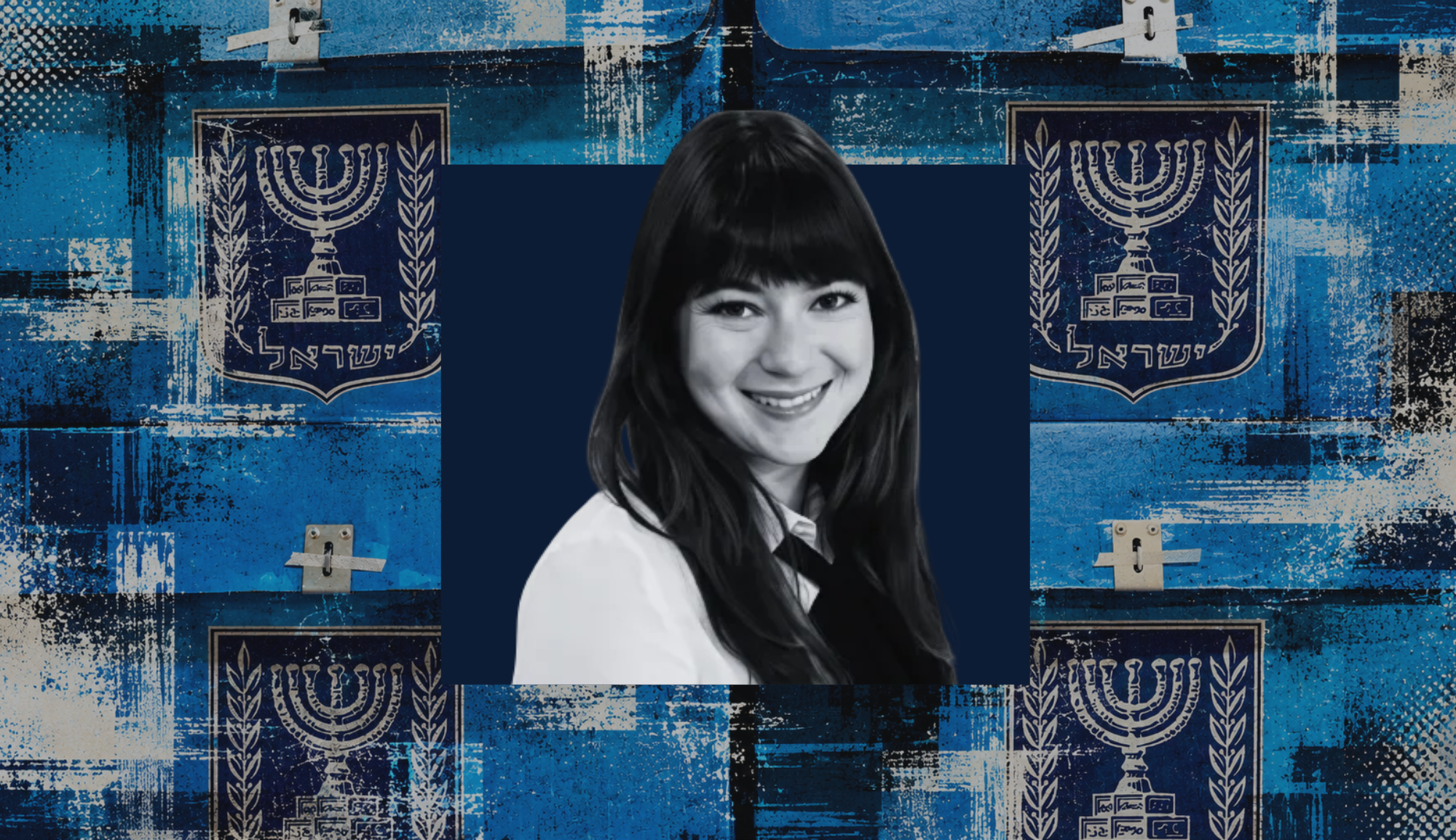
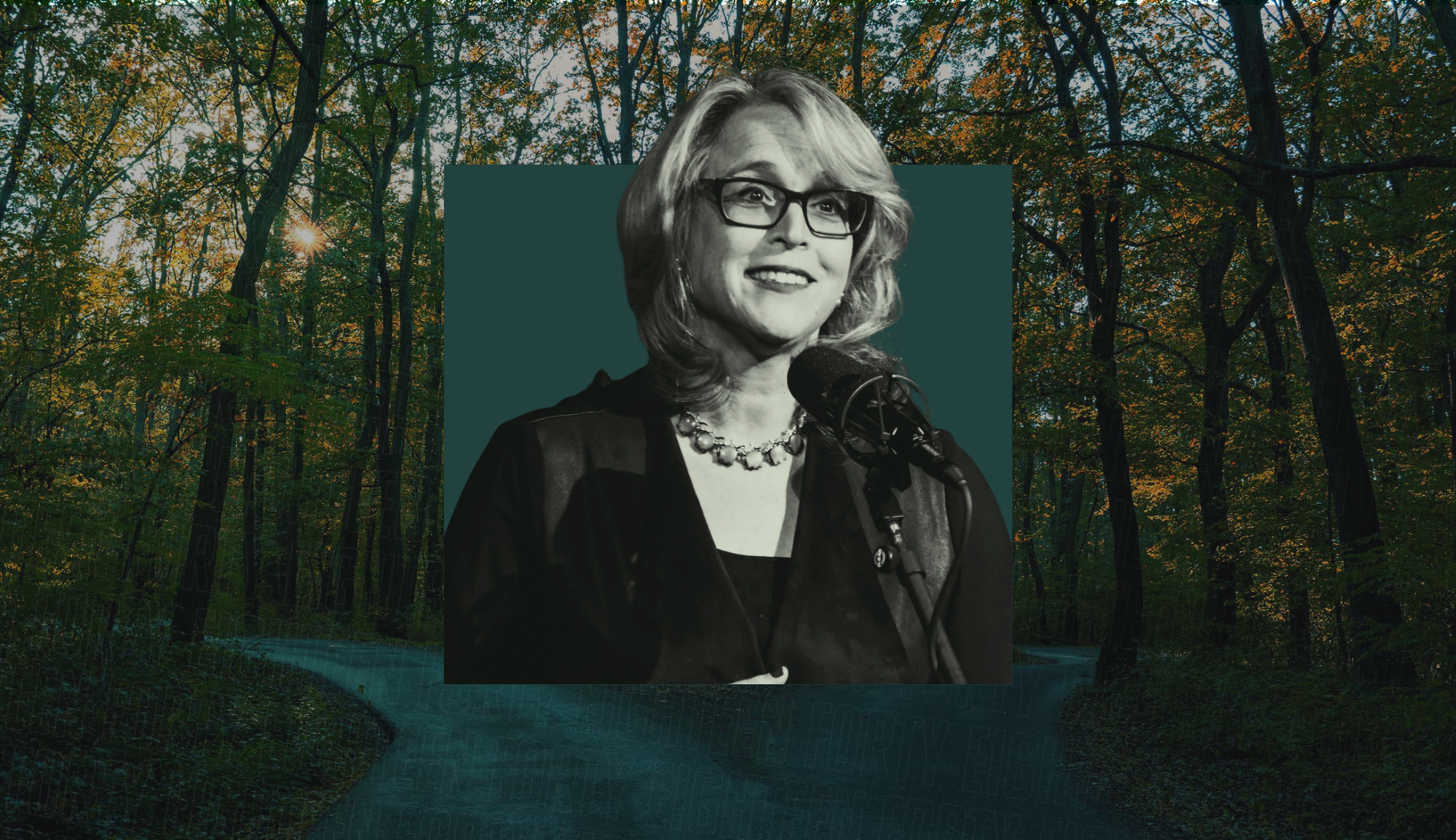
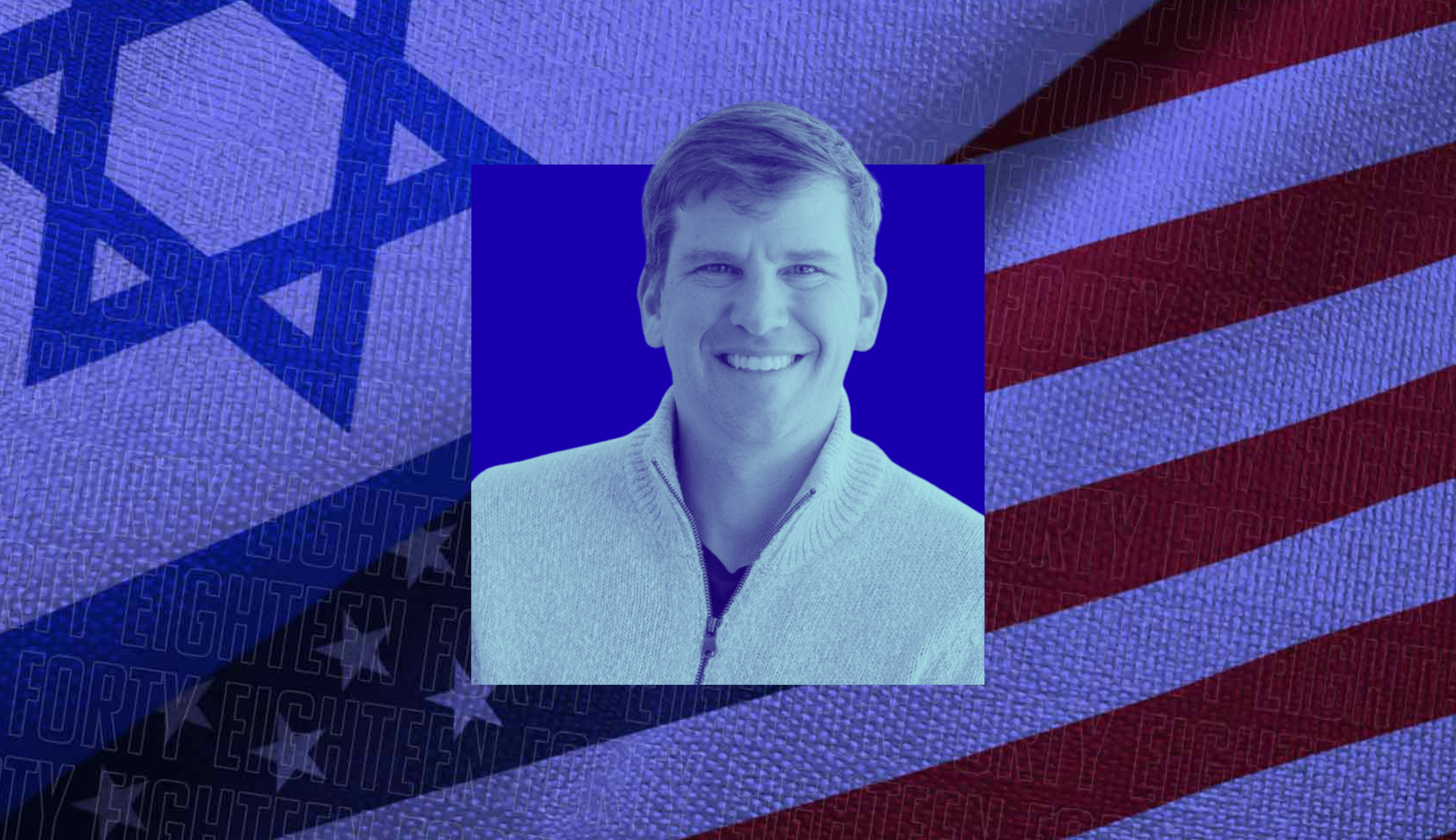
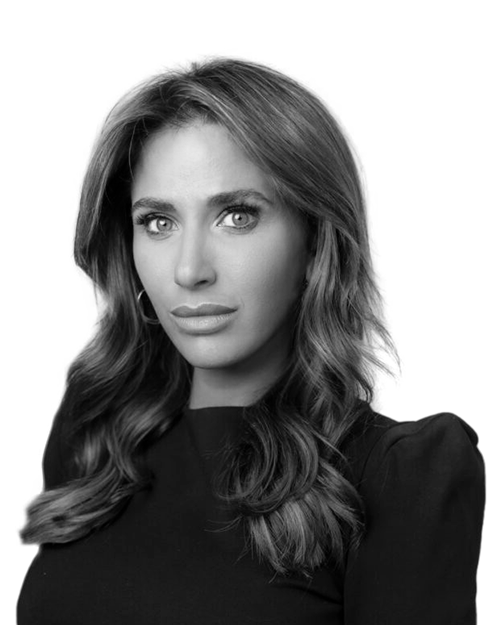
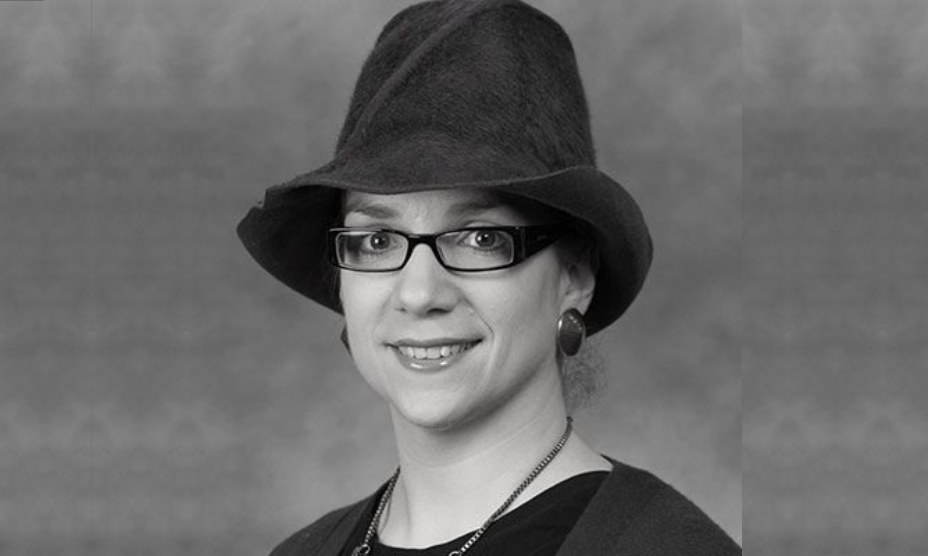
Yiddishkeit, that’s what really animates me and what I like to talk about most. However, I do think especially now, we need to sensitize ourselves and make sure that we understand what is happening in Israel, because no matter where you live, what happens in Israel affects the entirety of the Jewish people. And what I wanted to do was give a very basic primer, almost like a more condensed, focused, what are the basics of Israeli elections, what’s like the history of how they’ve divided politically, and what is the choice in front of Israelis right now. And that is why I am so excited to introduce somebody, aside from being a great educator and explainer, is somebody who has been immersed in Israeli politics as a journalist, it is my absolute privilege and pleasure to welcome back to 18Forty our friend, Lahav Harkov.
Lahav Harkov: Thanks for having me on the show.
Dovid Bashevkin: Thank you so much, Lahav. It’s really a joy to have you, and I wanted to begin with a very basic question. Let’s start with how Israeli elections work.
Most people, at least in the United States, have an idea about how our elections work. They might think they know, but we have an Electoral College, we have a vote specifically for president. I don’t want to get into American elections. Take me through how are Israeli elections structured, and what exactly are people voting for in an Israeli voting booth?
Lahav Harkov: So I always like to start this explanation in the voting booth really.
So when you go to your polling place, which is often a school, when you arrive, you have to show ID. That is not controversial in Israel. All adults in Israel are supposed to carry ID and have it at the polling place as well. You walk into the voting booth and there’s a table with a tray on it.
The tray is divided into sections. Each section has a little pile of paper, papers like around the size of a Post-it note, representing a party. So right now there’s more than 30 parties running, which is actually normal.
Dovid Bashevkin: Wow.
That’s normal. Okay.
Lahav Harkov: Yes, and you usually, you know, you know your party name, you know the abbreviation. There’s actually a little sign that tells you what the abbreviation is for each party, but usually you don’t have to look at it if you’re prepared.
And you take your piece of paper, you put it in an envelope, you come out of the booth and in front of the committee of people who are, you know, running that polling place, you drop your envelope into a ballot box. So it’s it’s paper, voting by paper. You might You might have noticed that I said that you pick a party, right? So you’re not picking Netanyahu or Eisenkot or the leading contenders for prime minister. If you’re a minimally informed voter, you’ll know who the leader is of the party that you want to vote for.
If you’re a more informed voter, you might know some of the names of the people who are in that party who are, you know, on the slate to be in the Knesset. And then when the votes are counted, any party that gets less than 3.25% of the vote, which is called the electoral threshold, they don’t get into the Knesset. So in the 15 years that I’ve been covering Israeli politics, usually you have 10 to 12 parties in the Knesset. After that point, after you eliminate the smaller the parties that didn’t get enough votes, the 120 seats of the Knesset are divided up proportionally between the parties.
Now, I’m going to put you on the spot with trivia that you might know. Why are there 120 seats in the Knesset?
Dovid Bashevkin: After the years of Moshe Rabbeinu?
Lahav Harkov: Anshei Knesset HaGedolah.
Dovid Bashevkin: Nuh-uh, is that really why?
Lahav Harkov: That’s why, and they’ve never changed it, even though the population of Israel is a lot bigger.
Dovid Bashevkin: I really love that.
The Anshei Knesset HaGedolah of 120, which I think is a Gemara in Shabbos. That is very, very beautiful. I actually really, really love that. 120 seats is the overall Knesset, and you get your seats based on the proportion of the vote, so long as it crosses the electoral threshold of 3.25%.
Lahav Harkov: Exactly. Now, nobody in Israel’s history has ever gotten a majority on their own.
Dovid Bashevkin: A party who has 61 seats in the Knesset.
Lahav Harkov: Right, that has never happened, which is why there’s always a coalition, right? So back in the day, the good old days of the ’60s and ’70s, you could have a coalition that was just two parties.
Not really the good old days, but things are a lot better in Israel now in many ways, but have a coalition of two parties. That was better because that was more stable. But today you could have, you know, five, six parties in a coalition easily.
Dovid Bashevkin: And that’s such an important point, because it’s the reason why for so many, why Israel is always like they’re going back to elections, they’re holding another elections.
When a party pulls out of that majority, does that trigger another election right away, or do they have a little bit of time to try to get another party in?
Lahav Harkov: There’s time to negotiate. You could try to get another party in, you could also kind of sometimes stumble along for a bit longer, which is what happened really with Netanyahu in the last year, because the Charedi parties were like sort of one foot in, one foot out of the coalition in the last year. The only way that you could really kick out a government, and this has been the case for like 30 years or so in Israel, is if a majority of the Knesset votes to install a different prime minister. So even if the majority they they have what’s called a no-confidence vote, even if a government loses a no-confidence vote, meaning most of the Knesset says we don’t have confidence in the prime minister, that prime minister still isn’t replaced unless they can agree on someone to replace him, and that has never happened.
Dovid Bashevkin: Well, it really is like there’s a lot more choice involved, it sounds like, in Israel, certainly than in the States, when there are really only two parties, and each party has their president in place beforehand. There’s a lot more like to choose. You’re really constructing a government much more from scratch, and each government, how much do they vary from election to election? Meaning, is it predictable if this party wins, this is what their coalition’s going to be, if that party wins, that’s what their coalition’s going to be?
Lahav Harkov: So it has become so since 2015 roughly. But before that, usually you would have a big party that would win, right, either to the right, Likud, or to the left, Labor, or and then it became Kadima, well, Labor didn’t become Kadima, but the big party became Kadima, and then, you know, they would have their sort of satellite parties, the parties that are close to them politically, but usually they would pull from their right and their left, you know, a little bit.
And you had more moderate coalitions that way.
Dovid Bashevkin: I want to jump in because I think this is such an important point. You mentioned right and left, and I want to just stick on that for a moment, because right and left, depending on the context, could mean radically different things. There is a right and left economically, there is a right and left religiously, there’s a right and left when it comes to security and negotiation.
When Israelis talk about right and left, generally speaking, what is the conception? What are the right and left thing about? What is kind of the central issue that is dividing right and left parties in different directions?
Lahav Harkov: So in general, when Israelis talk about right and left, they’re talking about security broadly, with the right being hawkish and the left being more dovish. But you could even take it to the the place of the Palestinians and how they relate to an idea of a two-state solution, how they relate to Judea and Samaria, what is known in non-Jewish circles as the West Bank. I prefer Judea and Samaria, if that’s okay, and basically the more you get to the right, the more sort of control or the more that they view Judea and Samaria as being a natural and permanent part of Israel, and the more you get to the left, the more they think that, you know, Israelis eventually should not live there at all and it should be part of a Palestinian state.
Dovid Bashevkin: I was wondering if we can back up and just tell me a little bit, historically, what were the two major parties right and left going through Israeli history? Give me the snapshot of like starting from the first elections, what was the kind of right and left and the choice in front of Israeli voters, and then I really want to spend the bulk of our discussion on where we are today and what this choice is.
Lahav Harkov: The dominant party in the Israeli left for most of Israel’s history was the Labor Party, and the dominant party on the right was Likud, but they became dominant in different times. So before the State of Israel existed, right, and there was the British Mandate for Palestine, the Jews not only were, you know, buying land and building farms and building houses, but they were also building institutions, and they had their own sort of pre, proto-Knesset, where they voted in representatives, and a lot of the political parties that exist today, not all, but the more historic ones, had representation in that sort of pre-Knesset forum, including Agudah, the the ultra-Orthodox party, which they also are an organization in the US, the chassidish sort of party, that was a party back then. And here’s another fun little fact, which is women have always had the vote in Israeli institutions even before the state existed, but Agudah opposed women having the vote, and so each married man’s vote counted as two votes.
Dovid Bashevkin: Really, they let that happen?
Lahav Harkov: That, before the state was established.
Once the state was established, that ended.
Dovid Bashevkin: Okay, wow. Yeah.
Lahav Harkov: So you had Agudas Yisrael, Agudah, you had Labor, you had other other parties that continued after that point.
Labor, they were socialist Zionists, and they were really the dominant force that helped Israel be established, right? David Ben-Gurion was there, and Golda Meir, and Levi Eshkol, and you know, Yitzhak Rabin was like a baby in this time that we’re talking about, but you know, he came from that tradition as well. You know, they founded the kibbutzim, and they were the dominant political force for the first 29 years of Israel’s existence as an independent state, but also before that. They ran the Jewish Agency, which was sort of, you know, their main governing body before the state existed. They believed in socialism basically, right, and they you know, it it’s just ranging over the years from socialism to sort of social democrats in terms of in your more European terms, right? Like, for Americans, like they were really socialists, you know, by American standards.
Dovid Bashevkin: Yeah, they were actual socialists.
Lahav Harkov: Right, by American standards, these were actual socialists. By European standards, they were like, you know, moderate lefties. So, depends on the country, but yeah, the national labor union was an extremely dominant institution.
It’s it’s powerful in its own way to this day. They, you know, estab- had socialized medicine, all schools are paid for by the government, and a lot of those traditions continue, and they dominated the country for the first 30 years, not only politically, but it was also hugely dominant in sort of the social and the cultural spheres of Israel. I’m not saying they’re authoritarian. There was a democracy, and they won all the elections, but they were just an extremely dominant force.
The resentment of that force started to bubble in certain circles, especially in among Jews who came from the Middle East and North Africa, because the vast majority of the Jews who came before the establishment of Israel were Ashkenazi, and they were mostly from Poland, Russia, other places as well, but those were the sort of dominant groups. The Sephardic, you know, Mizrachi, Sephardic Jews sort of feeling they didn’t have as much of a voice, they weren’t respected as much. You know, when they moved to Israel, this was a very poor country and couldn’t give them good housing for a long time. There were certain things about the medical examinations done to them that were undignified.
And so, there was this bubbling resentment. Then the Yom Kippur War happens in 1973. Israel won the Yom Kippur War, right, but it started horribly, much like October 7th did.
Dovid Bashevkin: Yeah, like demoralizing for the country.
Lahav Harkov: Yeah, it was demoralizing. It wasn’t some sort of amazing, flashing victory like ’67 was, and that was the beginning of the end for the Labor Party. So two elections, four years later, the Labor hegemony ends, and the Likud Party rises. Likud Party was led by Menachem Begin.
He was the head, in pre-state Israel, he was the head of what was called the Revisionist Movement, which had previously been led by Ze’ev Jabotinsky, but he passed away, was not zocheh to see the State of Israel be established.
Dovid Bashevkin: Give me a word about Revisionist Zionism. What are they revising? It’s a word when Americans hear it, it’s like you can’t even make out what the party is about. What are you revising?
Lahav Harkov: The revisionist term, in my understanding of it at least, was sort of in opposition to the dominant socialism of Zionism.
You know, they were they’re saying you can you can be a Zionist and you could want free markets and care about individual rights. And also, they were a lot more hawkish than the socialist Zionists, who were a lot more optimistic about coexistence with Israel’s neighbors. Jabotinsky said, “The only way we can convince the Arabs that we’re here to stay is by being very, very strong.” And this is a famous essay called The Iron Wall.
Dovid Bashevkin: It’s interesting, because until what you’ve mentioned, Agudah was a party.
But it sounds like in a lot of the earlier votes through the ’70s, this sense of, you know, the question of charedim was not a major election issue from from your telling.
Lahav Harkov: It was not. It was not. It really wasn’t.
They were these parties were small. They were generally not in the Labor coalition. In fact, more powerful than the ultra-Orthodox parties in Israel’s early decades was the religious Zionist parties. There were even religious Zionist socialists.
In a way they’re sort of still are because there are some kibbutzim, religious kibbutzim. And they tended to sit with the Labor Party and cooperate with the Labor Party in governments. And this has to do sort of with Rav Kook’s way of looking at Israel or the at the Jewish people where he felt that, you know, secular Jews, whether they know it or not, are playing a part in the redemption of the Jewish people. And so they were much more part of the early coalitions.
And it was actually when Menachem Begin came to power that he brought in the charedim more into politics. And then, in the decade after Menachem Begin came into politics, Rabbi Ovadia Yosef stopped being the chief rabbi of Israel and had his sort of second career as the head of a political party. He didn’t run for office, right, but there was a party called Shas, which he was the spiritual leader of, and they became very powerful, similar to how Menachem Begin did by pulling in votes from disgruntled Jews from the Middle East and North Africa.
Dovid Bashevkin: How did we get to where we are today? You know, there was a period where it felt every election, the central issue was about the Palestinian state, and whether they will have a state, two states, one state.
What years was that, and did October 7th essentially put an end to that across the board? I want to slowly get into the issues facing us today.
Lahav Harkov: So, Palestinian state was not something that was widely taken seriously until it was, in a way, foisted onto the public in 1993 with the Oslo Accords. You know, it was something people on the right were worried that that a left-wing government would give away parts of Judea and Samaria, but it wasn’t something that they ever campaigned on or said they were really going to do until the Oslo Accords. And the Oslo Accords were the initial negotiations were conducted totally in secret, and in fact it was illegal because it was illegal to talk to the PLO, because they were a terrorist organization.
So, it was sort of it was announced, and you did have, you know, the Labor Party was still quite popular then. They had just won an election, and you had a large what they call in Israel the peace camp. So, they were very excited about an opportunity to make peace with the Palestinians. And that was when Palestinian statehood became something serious for Israelis.
I mean, a decade before that, maybe even more, somewhat more, the international community tried to pressure Israel, but it was not it was like a non-starter domestically in Israel. But around when the Oslo Accords came out, that’s when it became the big debate. Technically, the Oslo Accords didn’t really give the Palestinians a state. It gave them autonomy.
But it sort of it was like a snowball, you know, it sort of snowballed into this is going to give them statehood. And the Oslo Accords were extremely controversial. I think people forget it a lot today. I mean, people remember that Yitzhak Rabin was assassinated, but that that was a person who was an extremist, right?
Dovid Bashevkin: And people We remember the handshake.
I mean, I was a kid. I think we were both probably around the same age. I was in elementary school at the time. I remember vividly hearing that the prime minister got shot in America, I believe it was on a Motza’ei Shabbos—
Lahav Harkov: Yeah, it was.
Dovid Bashevkin: —on a Saturday night is when we found out.
I remember that as a kid, and I remember hearing a president say, “Shalom, chaver,” which for an elementary school kid, we just thought it was fantastically cool to see a US president speak Hebrew. It was like around the same time, I remember, as Adam Sandler’s Chanukah Song. And I’m like, oh my gosh, the whole world knows about us. It was like a very exciting time.
Through the eyes of a child, we probably were very sheltered from the how chaotic it felt in Israeli society.
Lahav Harkov: Right. So I I mean, I was growing up in New Jersey, but a very very Israeli family who was like always yelling about it at the Shabbos table, so I knew it was controversial even though I was like eight. But, yeah, I mean, if you weren’t at that kind of Shabbos table, then no.
But, you know, it is true there were protests all over the country. You have a lot of people in Israeli politics now who were shaped by that, like Naftali Bennett, who was very young at the time, and he took part in a lot of those protests, and he also he had stopped being religious, and he put his kippah back on his head because he felt that religious people were all being sort of delegitimized and blamed after Rabin was assassinated. That was like his impetus to return to religion, because he was like, “No, actually, they’re not all bad people.” But in the subsequent years, like Oslo was, you know, the sort of formative experience of a lot of young politicians, and where they stood on Oslo and on Palestinian statehood were cataloged along the spectrum in the politic- in the Knesset.
Dovid Bashevkin: Let’s get up to where we are today, and let me begin by kind of asking, how has October 7th changed the calculus of all the parties in terms of what is actually, from a security perspective, what is the difference between right-wing and left-wing right now?
Lahav Harkov: Since October 7th, the conversation has shifted a lot, and hardly anyone is talking about a two-state solution.
I mean, it’s only like the far left, which is they’re called The Democrats. They’re the only ones who talk about it, and and the Arab parties, which are a whole other story that we could get into. But everybody’s kind of saying, you know, definitely not now, and maybe there’s no point in talking about it even for a long time, you know. And and I saw polls that showed 33% of Israelis describe themselves as having their views shift to the right.
A third said they shifted to the right, half said they didn’t move at all, you know, then you have like another 20% who Most of the 20% didn’t know. It was like single digits the ones who said they might have moved to the left. You know, two-state solution, Palestinian statehood is not something that political parties are campaigning on right now. No, I think it could very easily get back onto the agenda because Israel’s experiencing a lot of isolation from the world, and I think that it makes Israel’s leadership more vulnerable to pressure.
Dovid Bashevkin: Well, let me ask you, I see at least three issues that are animating this election, and I’m curious from to hear from you which you think is the most crucial in the eyes of the general public Israelis. What are the options being presented to to the Israelis issues? And the three issues I see, the first issue I see is a referendum on Bibi, meaning we’re voting whether or not we’re still in your corner or we want, you know, a governmental path for you to take, you know, more responsibility or or a different approach to post-October 7th and the and the security failures. The second issue I see is security in general post-October 7th. Who is the person who is best equipped to ensure the safety of the State of Israel? The last issue, and and there could be more, it is really a religious issue, and it’s the question of what is the vision for specifically the Charedi community, the draft, but really a larger issue of the religious character of the State of Israel, and in what way can can Charedim become a part in the eyes of the public? Charedim, you know, I I know many would say we already are and we’re doing what, you know, what we think.
Some Charedim may feel that way, but in the eyes of the public or elements of the public, for the a better integration of Charedim in building the State of Israel. Which of these three, Bibi, October 7th security, or Charedim and religious issues, do you think is like the driving force of this election, or did I miss the central issue entirely?
Lahav Harkov: Okay, so polling shows that for the Israeli public, security and the economy are the top two issues. And economy, they mainly mean cost of living, because the macroeconomy in Israel is actually doing great, but, you know, the people don’t always feel that in their pockets. So I guess I would say post-October 7th security.
That being said, the campaign the election is not being conducted in that way. It’s being conducted mainly as a yes-Bibi, no-Bibi referendum. And the Charedim are still an important issue, but I would say that those are the that the main conversation is about post-October 7th security and about Bibi. It’s so much about Bibi.
The leading opposition party, they’re called Yashar, they’re led by Gadi Eisenkot, former IDF chief of staff, he mostly just presents his positions as in opposition to Bibi. Like it’s very hard to know what his exact plans or intentions are on some of the biggest issues. He’s not very specific about it, and I feel bad saying it because I don’t want to sound biased. And so I’m always like reading his statements and listening to his speeches because I’m like, you You know, I go on shows, or I get asked to do speaking engagements, and I wish that I had a more solid platform to talk about, because I want to give an honest portrayal, but you know, he thinks that Netanyahu conducted the war wrong, because he thinks Netanyahu should have prioritized the hostages over the effort to defeat Hamas.
He says that Israel will be out of Gaza and Hamas will be defeated in 18 months. Netanyahu is a bit more open-ended about we need a security perimeter over time and things like that. Those are like the specifics, but it’s not like, you know, I don’t know, what are what are we going to do about the war in Iran? How long are soldiers going to be in Lebanon? How long are soldiers going to be in Syria? There’s still soldiers in Syria. You know, these are the things that it’s very hard to get a real read on a lot of people’s opinions on this.
They just are saying that what the government is doing now is wrong.
Dovid Bashevkin: Let’s talk for a moment about kind of the issue about the draft, charedim, and the religious kind of religious character of the state. This is a long, a much longer history of how we got to this moment. I find that this issue really raises people’s blood pressure and it’s hard to talk about in a sensible and balanced way, but at least the issue in front of us, we have charedi parties.
What do you see as the options being presented to the public in terms of the integration of charedim into the State of Israel?
Lahav Harkov: All right, so first of all, there are a bunch of different proposals that different parties have brought up, but the reality is that the charedim are not playing ball, right? So it’s really hard to say what the options are, because the charedi parties and the broader charedi community thinks any option, any change is bad. Now, I don’t know, maybe they don’t think any change is bad, but it’s not being reflected by their politicians, right? That’s the claim of there’s this new moderate charedi party called HaTzibur HaCharedi, the charedi public, and they say that there are large numbers of charedim who—well, first of all, one of the leading people in the party is a woman who has a PhD in political science that specialized in charedi politics. Nechami Yaffe, right?
Dovid Bashevkin: Yes.
Lahav Harkov: So she says that historically change has actually come from the grass roots and not from the rabbis, like big social change in the charedi community.
And she thinks that if the people who aren’t studying in yeshiva all day go to the army, that eventually the rabbis will come around as well, because right now the rabbis are saying even if you’re like a bum who never studies Torah, you still shouldn’t go to the army, because at least you’re part of the charedi community, and if you go to the army, maybe you won’t be religious anymore, or you won’t be charedi anymore.
Dovid Bashevkin: So let’s pause for a second, because you know, this is a new party, HaTzibur HaCharedi, which is a grass roots effort of presenting an option for how charedim can be better integrated into the State of Israel, be a part of building the State of Israel, and this is their first time running the election. I’ve seen a lot of activity from this party, specifically on social media. I’ve seen a lot of both praise and criticism, you know, it’s the classic not a true Scotsman argument, meaning the moment that there is a new charedi party, they can’t truly be charedi if you’re not falling in line.
Lahav Harkov: Chadash assur min ha-Torah.
Dovid Bashevkin: Exactly. Exactly. But I’m curious what you see in your own reporting and just living in Israel, do you see this group kind of resonating and getting traction? Would you be surprised if they’re able to cross that threshold, which is probably their main goal?
Lahav Harkov: They’re polling below 2%.
So it seems like a stretch for them to pass the threshold. That being said, if anybody’s going to be lying to the pollsters, it might be charedim who don’t want people to know that they’re going against what the norm of their community. So maybe. I think the chance is very small that they’ll pass the threshold, but it is possible that they will then get positions as advisors to the defense minister or the education minister on these issues, to advise them how to make policy for charedim, which is also very important, right? Now these people’s names are out there.
Now they’ve met with some of these politicians who are trying to convince them to do this or that, so they’re sort of in the game.
Dovid Bashevkin: I have a larger question, and I’m curious how you make sense of this. I feel a very deep frustration at the quality of political candidates, approaches that Israel has put forth for a country of the Jewish people, where we are so proud of our technological progress, we are so proud of our spiritual accomplishments. It seems that in the arena of politics, we’re still just like it’s like color war.
No one is really offering that soaring vision. I would almost compare, and I’m sure our listeners will will will hate this, but to understand the comparison, when like Obama first hit the scene and having this kind of optimistic, “Yes, we can, bring everybody together, start a movement, let’s come together and really vision for the Jewish people in the State of Israel.” Why do you think it’s been so hard to have a candidate like that, unless you think my assessment is wrong?
Lahav Harkov: I would argue that when Naftali Bennett and Yair Lapid came onto the scene as two separate and very different political parties in 2013, that they were both like that. They both brought something new to the table and they spoke in a very optimistic way. Actually, when Lapid first ran, there was an online quiz, back when people were still doing online quizzes, where they would have a quote and they would say, “Is this a quote from a Yair Lapid speech or is it a quote from the IKEA catalog?” Because, you know, the IKEA catalog sounds very inspiring.
It was a very difficult quiz! But there was something to it, you know, that he he represented, they were relatively young. I mean, Bennett was, I think, 39 when he first ran. He wasn’t considered a serious contender for prime minister, but he, you know, his party got 10% of the seats in the Knesset on his first run, so that was good. And Lapid got even more.
Lapid got, I think, 19 on his first run. They did bring something new to the table, but Netanyahu is, you know, the People say he’s the political wizard, because people who like him, there’s like a cheer, like a chant that Likudniks say, that he’s a wizard, he’s a wizard. Or he’s a magician, it’s the same word. And he’s very, very good at eliminating political threats.
They have a lot of baggage now. Bennett especially has sort of no real base, so that’s a whole other story, right? Cuz he came from the right and now he’s running for the center. Over the years, there have been other really good people in Likud, in senior positions in Likud, and again, Netanyahu is very good at eliminating political threats. He’s very good at nipping things in the bud before he thinks that they could come and try to seriously run against him.
I think that when Netanyahu leaves the scene, and there isn’t someone who’s seen as this, you know, almost undefeatable force in politics, things will change a lot.
Dovid Bashevkin: Fascinating. And I’m curious for you, you know, as a journalist and also somebody who lives in Israel and is building a family in Israel, I’m not asking who you vote for, but I am asking how do you remain optimistic and not just feel like we’re stuck in Groundhog Day of this repeating cycle that we’re not actually making progress? I think what bothers me mostly is that I was hoping that post-October 7th, a new candidate, something different, who could kind of galvanize the hearts and minds. What we’re seeing in the music scene in Israel is what I would like to see in the political scene.
You go to these like concerts and you see people from across the spectrum, and they’re singing together, and you know that inside, when their eyes are closed and they’re singing, “Hashiveinu,” and you see the way that they’re kind of wedding this historic longing for like a proper, elevated Jewish state for the Jewish people, there’s a a spiritual longing that’s been awakened, and then you cross over into the ballot box and it just feels like dated, it feels stale, it feels stodgy, like I’m not an Israeli citizen, I’m not voting, but like, aside from the family who’s there, aside from my connection to the Jewish people, every Jew has this longing of like, who knows how long we’re going to have this opportunity for, and there is a disappointment of like where we are right now, at least through my eyes. And I’m curious for you, like, how do you retain that optimism that we’re headed in the right direction?
Lahav Harkov: I mean, my number-one pro tip for surviving ugly Israeli elections is to have a baby.
Dovid Bashevkin: I love that.
Lahav Harkov: I’ve been on maternity leave for some of the worst times, not October 7th itself, but in our five-year, you know, our What was it, like, five elections in four years? I had two babies.
And I just came back from maternity leave, so it’s helped me, you know, focus on the important things in life. I’m not even joking. I mean, like, and there’s No, I think that’s there’s nothing that can make you more hopeful for the future than a baby. I think that’s also something about Israeli society, which is it’s a very child-friendly society, it’s a very, you know, people become parents young, people have a lot of children, certainly relative to the Western world.
So that’s that’s very helpful. And and just in general, the thing that makes me the most hopeful about Israel are the people of Israel. I mean, you talk about what you see at these concerts and and how people are connecting to their Judaism, and I I feel like, in the real world when I’m not in politics, I see people who are connecting to each other every day. I live in a neighborhood that was only built three years ago, not in Judea and Samaria, like it’s a new neighborhood in a big city, and I see people coming together to try to build community here, you know.
People who came from all different places in Israel, and we live here, and the school started, and everyone’s working together on the PTA to try to make it the best school for our kids, and the shul started, and we want to have meaningful religious experiences together. And it’s not a religious neighborhood only, you know, we have our secular neighbors who we also try to build community with. And that like, you know, when you’re touching grass, as they like to say on the internet, that’s what keeps me hopeful, cuz like the the real people of this country are great.
Dovid Bashevkin: One of the things that worries me is, you know, one of the demographics, like in America, you know, there there was a lot of angst over immigration, over outsiders.
In Israel, there’s definitely a lot of angst about security, but the biggest question to me is about other Jews, namely Charedim. And I’m curious for you, do you have personal relationships with Charedim, either through family, through friendships? And I’m curious how you as a journalist, knowing how contentious this issue is, how are you able, if at all, to maintain those relationships when it becomes such a radioactive talking point?
Lahav Harkov: So I have like people, friends from work, other reporters, female reporters from Charedi outlets, cuz Charedi men are not really making friends with women, a little bit, you know, like I knew when I was a reporter in the Knesset, I was in the Knesset every day, so I I knew the Charedi reporters, you know, the men and the women. But I have some friends. We try to share our perspective with each other to some extent, but I also just don’t don’t get into these things so much with them.
Because if you want to be friends with someone and you have a really strong disagreement with them, if you bring it up all the time, you’re going to fight with them, you know? But I do have a good friend who’s a reporter for an Israeli Hebrew newspaper, and she’s Charedi, and she the newspaper is not Charedi. She actually speaks Russian. She’s from Russia. She wore a sheitel on Russian-Israeli TV, which most Russians in Israel are not religious, so that’s also interesting.
But her kids are actually going to the army. They’re like modern, moderner Charedim, so that’s, you know, we don’t have to have that argument. But with other people I And, in general, like with family, right? Like I don’t have Charedi members of my family, but I have members of my family who are kind of anti-religious, like who are very secular, and they think like if you’re religious, you must be a fanatic, and we try to avoid those things and not antagonize each other in person. I know their real views cuz I see their Facebook posts, but, you know, we’re we’re nice to each other.
We don’t like, you know, start screaming at bar mitzvahs.
Dovid Bashevkin: It’s the beauty of the experiment of the State of Israel where where you’re really it it it’s a model for how to have family, familial ties with people who you are obviously going to disagree with. What connects us in Israel is not the fact that our opinions are aligned. It’s the fact that we we share this identity and this destiny.
The Arab parties post-October 7th, where are they left and what has been kind of their proposal in adjusting to a post-October 7th electorate?
Lahav Harkov: So pre-October 7th, in the government that existed from 2021 to 2022, there was a well, the coalition that existed, not the government itself, but there was an Arab party in the coalition. Some people call them a moderate party. They’re They’re moderate in the sense that they are willing to work with the government of Israel on domestic issues to benefit their constituents, which is not necessarily what the other Arab parties are willing to do, but they are an Islamist party that historically had affiliations with the Muslim Brotherhood, right, which is a extremist group. They have some key ideological differences from the Muslim Brotherhood, but that sort of have historically developed in recent decade in in over a few decades, but that still exists.
Before October 7th, they were in a coalition and that was a historic event, and people were very optimistic about coexistence, and the leader of the party said things that Jewish Israelis really wanted to hear, about, you know, he accepts that Israel is a Jewish state, etc. Post-October 7th, he condemned the terrorism wholeheartedly, but then there were certain investigative reports that about the different institutions, like organizations and charities that were related to this party, they had been giving They were, for example, donating to Palestinian widows and orphans, supposedly but it was a Hamas-affiliated organization, things like that. There were speeches that the leader of the party was giving in Arabic that sounded a lot less Zionist, pro-Israel than what he was saying in Hebrew. And so people sort of soured on him. There’s somewhat of a lack of clarity of whether he could be in a coalition, in the anti-Netanyahu coalition or not, but certainly, Avigdor Lieberman, who leads one of the parties, has said he will not sit in a coalition with that party.
It will be very controversial, let’s say, if he comes back in. Now, the other Arab party or bloc running is called the Joint List, and they’re a merger of three small Arab parties that probably wouldn’t have passed the threshold on their own. One is the Communist Party, so they are not all Arab, they have a token Jew always, but they’re the Communist Party, and they were pro-Assad, you know, they take all kinds of very controversial positions, let’s say. The other one is called the Arab Movement for Change.
It’s led by Ahmad Tibi. Ahmad Tibi is probably the most famous Arab politician in Israel. He himself, on his own, pulls tens of thousands of votes. Before he ran for Knesset, he was an advisor to Yasser Arafat.
He’s a citizen of Israel, but he was an advisor to Yasser Arafat. Also holds views that are anathema to the majority of Israeli Jews when it comes to, you know, Israel as a Jewish state, what Palestinians should do, etc. And the third is a party called Balad, which, you know, when we want to in an article in short describe them, we call them Arab nationalists, but to me, the key thing you have to know is that the founder of the party is a fugitive from justice because he, in the 2006 Second Lebanon War, he informed Hezbollah where their rockets and missiles were falling in Israel. And then once the Israeli authorities figured that out, he fled Israel. And since then, there have been two other Knesset members from that party who have gotten into trouble with the law.
Dovid Bashevkin: Yikes. It’s really eye-opening. You know, people talk about like in America, people who are in office who may not love America or may not appreciate the values of America, it really does pale in comparison in Israel where you could have people who are participating in the political system who really do not want this state or this political structure at all, potentially.
Lahav Harkov: Yeah, and the thing is, people are always like, “Oh, the Arab parties aren’t in the coalition,” and it makes it out that it’s like because they’re Arabs, right? It’s not because they’re Arabs.
Like there are parties running that have Arabs in them, Muslims, Christians, Druze, and nobody has a problem with it as long as they, you know, don’t side with Israel’s enemies.
Dovid Bashevkin: Let’s conclude, if you’ll allow me, by asking you a few like more rapid-fire questions about the elections and the landscape. My first question, if you had to say one question that you hope voters ask themselves before casting their ballot, what do you think is the question voters should have top of mind before they make their decision?
Lahav Harkov: Who do you think can best shape the future of Israel? Or whose values do you think should best shape the future of Israel?
Dovid Bashevkin: Next question, if somebody were to ask you how you are described politically, how would you describe your own political affiliation?
Lahav Harkov: As a reporter, I don’t like want to affiliate politically. That’s not something that I, but I will say that there are American ideas that barely exist in Israel that I strongly believe in, let’s put it that way, in terms of individualism and free markets and things like that that are sadly missing from the conversation.
Dovid Bashevkin: When you are looking to get informed, somebody is reading your writing, who is a journalist who sharply disagrees with you, you do not see eye to eye, but you think it’s worthwhile to read them to get a different perspective?
Lahav Harkov: Nadav Eyal. Or you could listen to him on Call Me Back.
Dovid Bashevkin: And you do disagree?
Lahav Harkov: Yeah, I’m sure we’ve never voted for the same person, but I think he’s very smart, and I think he’s serious and trustworthy.
Dovid Bashevkin: A reader says, “I want to become informed, really understand in-depth the elections. Give me the top three journalists, aside from yourself, who you would encourage people to read.”
Lahav Harkov: Amit Segal, really great Substack. He doesn’t need my plug, he’s the most popular journalist in Israel, but maybe in English a little bit. I think Haviv Gur is doing great work for The Free Press, but I think he’s not so much writing about the election. It’s more about the bigger philosophical questions.
Yeah, he’s a he’s a thinker. So I’m trying to think what about the elections themselves. My former colleague at The Jerusalem Post Gil Hoffman has always has very sharp political insights, but he is mostly on i24 News now, which does not have a lot of hours in English anymore, but you should follow him on social media for sure. I really like Lazar Berman, but he’s not so much he doesn’t report on the elections as much as Israel’s international relations, but I think he’s really good.
Lazar Berman at Times of Israel.
Dovid Bashevkin: Absolutely, and and I love that quite a bit.
Lahav Harkov: I’m now thinking about all the friends who are going to get mad at me if I didn’t recommend them, but the truth is my my closest friends don’t write about politics, so.
Dovid Bashevkin: My final question: for English speakers, what do you think English speakers who are not able to read kind of the actual Israeli press, what, if anything, do you think they are missing about current events happening in Israel?
Lahav Harkov: I think they’re missing the funny side of the election.
There’s always a lot of like funny funny and clever ads.
Dovid Bashevkin: What a great answer.
Lahav Harkov: Yeah, there’s always a lot of really weird parties that run.
Dovid Bashevkin: Yes.
The ads have been a lot of fun this election cycle. Moving, powerful, like.
Lahav Harkov: Yeah, there’s been some good ones. There’s been a lot of AI slop, unfortunately, but I think people get really creative around these elections.
Dovid Bashevkin: Lahav, thank you so much for joining us today.
Lahav Harkov: Thanks.
Dovid Bashevkin: I am so grateful, and let’s pray together that whatever that future holds, it keeps on getting better and better for the State of Israel and the Jewish people. Amen.
I’m not sure about you, but one of the facts that really caught me off guard and I absolutely loved was that the modern-day Israeli Knesset with its 120 seats is modeled after the Anshei Knesset HaGedolah, the Great Assembly, that really were the architects of the Judaism that we know every single day, the ones who really put into place so many of the practices and routines that ensured that Jewish life would survive even in exile, even after the destruction of the Temple, which is really was like a transitional group. And I think about the Knesset now and how many members of the Knesset were even alive when the State of Israel were founded, like we are a really transitional generation, whereas in previous, you know, generations and years, the leaders of Israel were there in its founding, and like we’ve kind of just left that period, which it seems like so long ago, but it it’s fairly recent, we’ve just left that period. And now we’re in a generation where most people, though not all, were born into the State of Israel. And really I think these are the most important questions facing the Jewish people, and I’ll boil it down to one question: What, if any, is the Jewish character of the State of Israel? How do we solve this question? How do we address this question? How do we ensure that the Jewish people have a sovereign state that protects them, but not only protects them, but is able to foster and cultivate and inspire the next generation of Jewish life? So I think this is incredibly important, and I hope today’s episode was focused enough to give people that basic without putting a thumb on the scale.
I am not voting, I’m not an Israeli citizen, but at the very least to have an overview to understand what is at stake, what are the choices in front of us, how did we get to this point in Israeli elections. I hope an episode like today was educational and able to kind of give that landscape. I thank you all for listening, and like many of our episodes, this episode was edited by our incredible friends Denah Emerson and Tzvi Simchon. I’m so grateful to both of you for all of your work in 18Forty.
If you enjoyed this episode or any of our episodes, please subscribe, rate, review, tell your friends about it. Forwarding one episode to one friend really helps us build our network and continue to create great conversations about Jewish life and the Jewish people. And of course, you can donate at 18forty.org/donate. All of this really helps us reach new listeners and continue putting out great content.
You can also leave us a voicemail with feedback or questions that we may play very soon on an 18Forty episode, and that number is 212-582-1840. Once again, that number is 212-582-1840. If you’d like to learn more about this topic or some of the other great ones we’ve covered in the past, be sure to check out 18forty.org. That’s 1-8-F-O-R-T-Y.org where you can also find videos, articles, recommended readings, and weekly emails.
Thank you so much for listening, and stay curious, my friends.