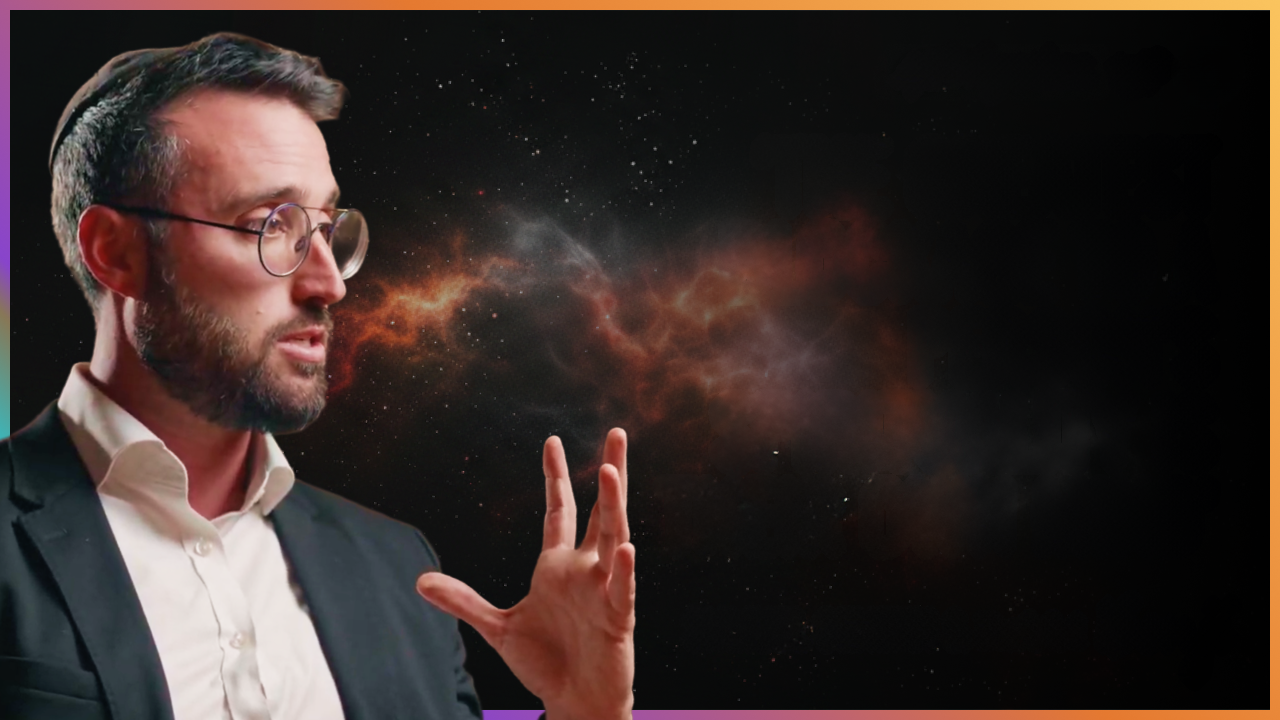
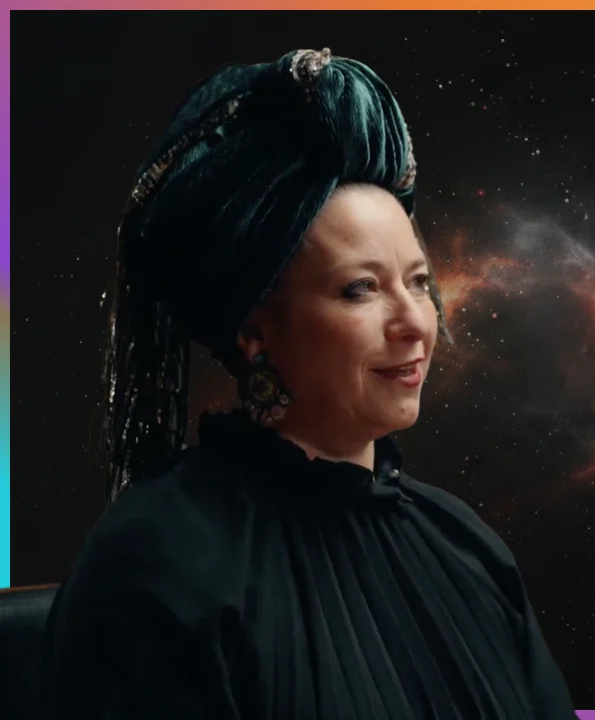
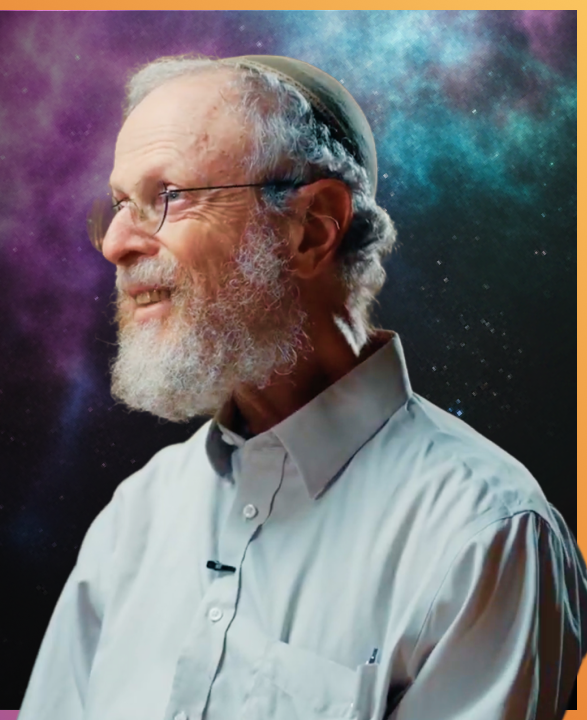
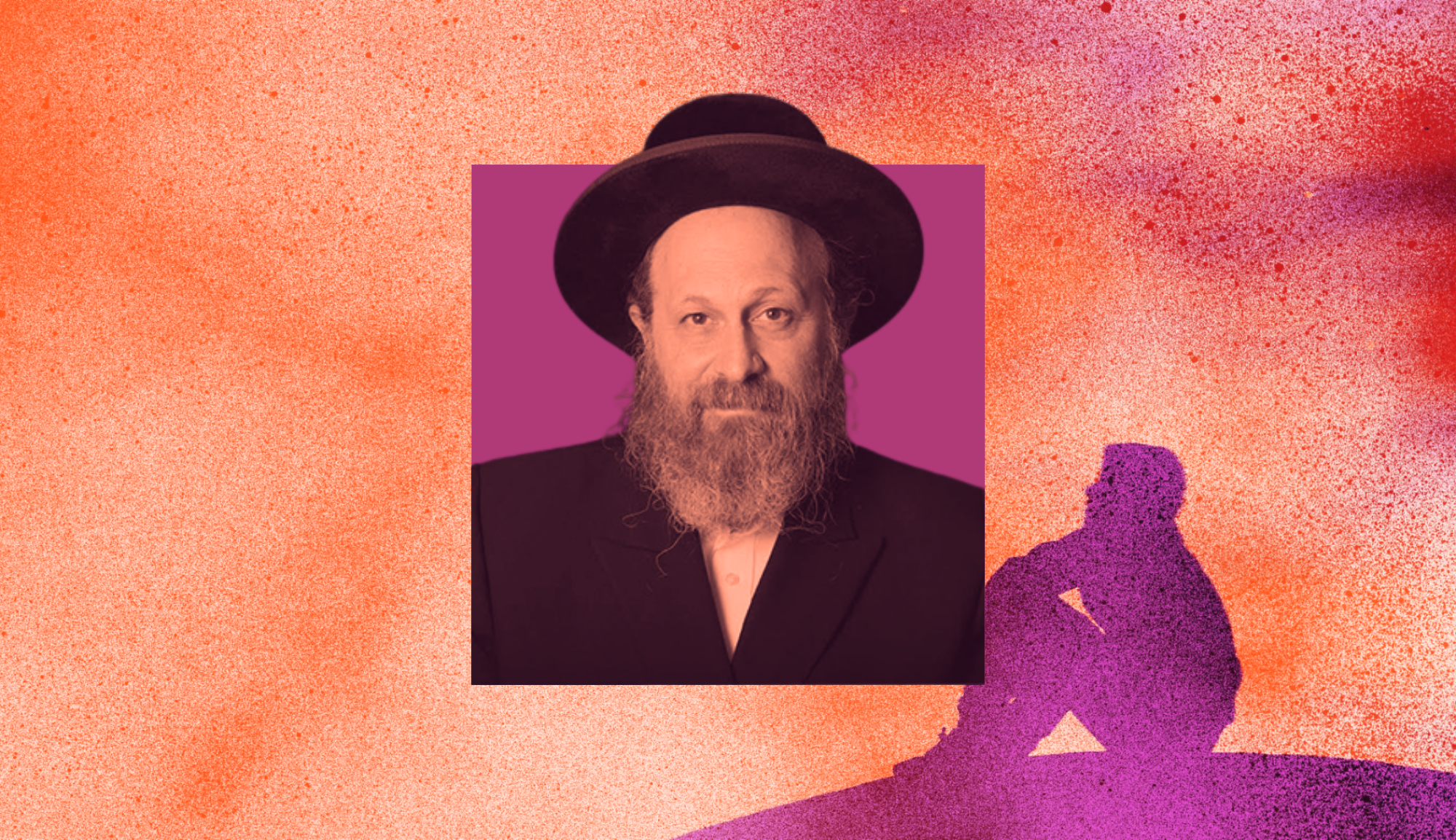
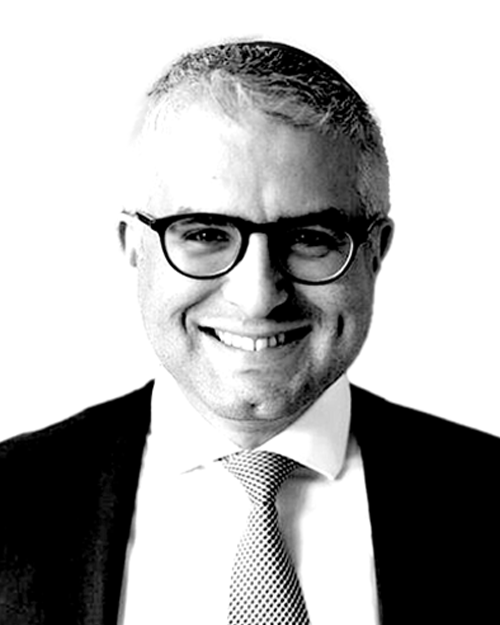
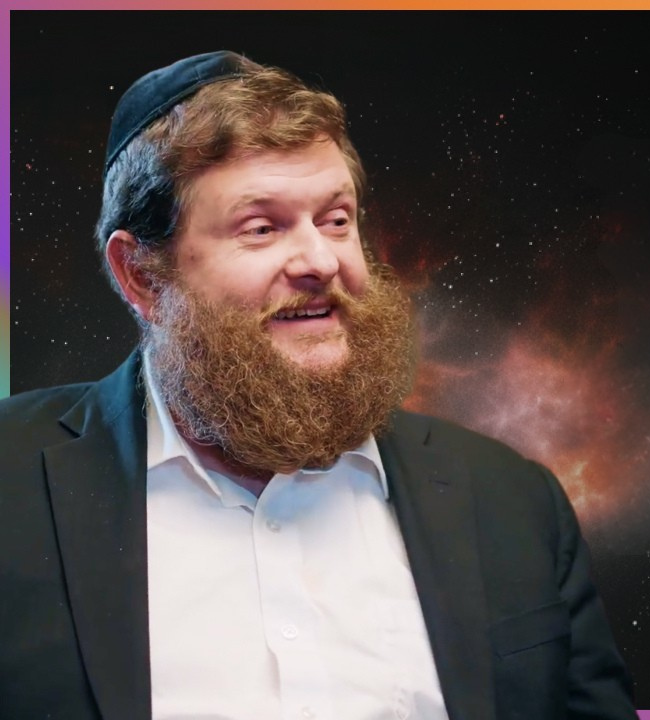
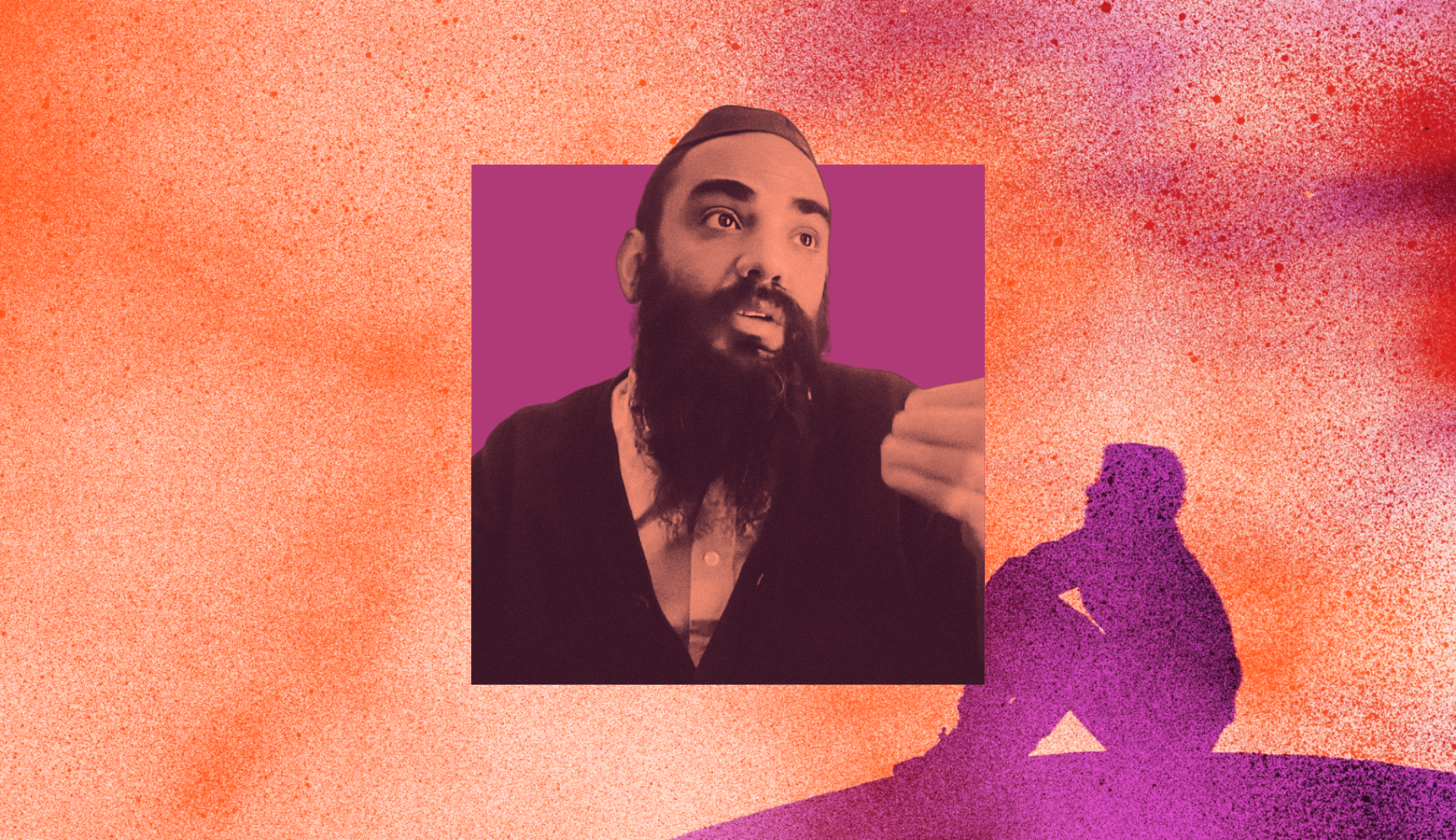
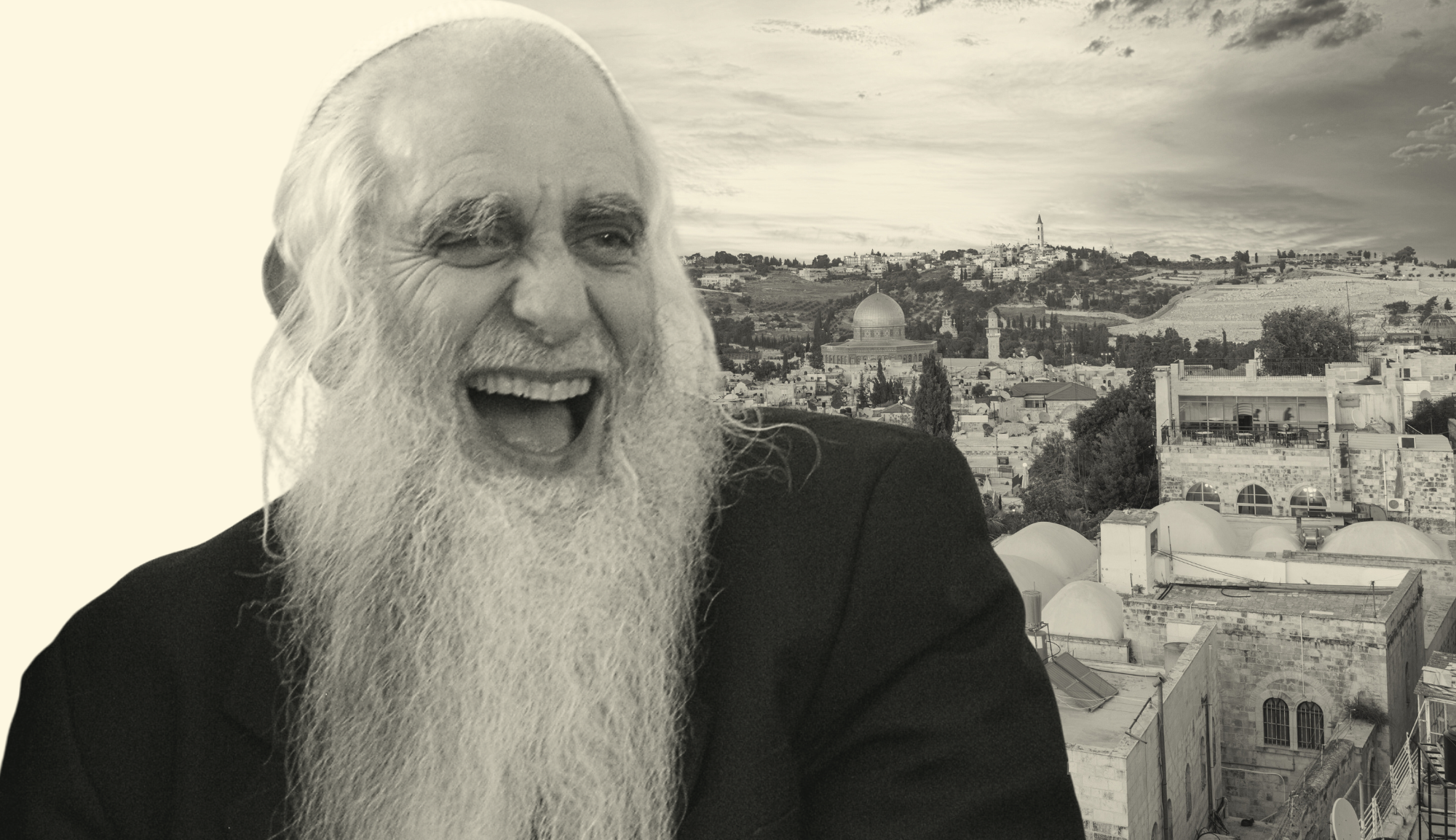
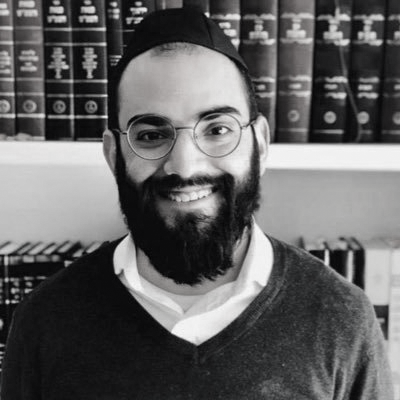
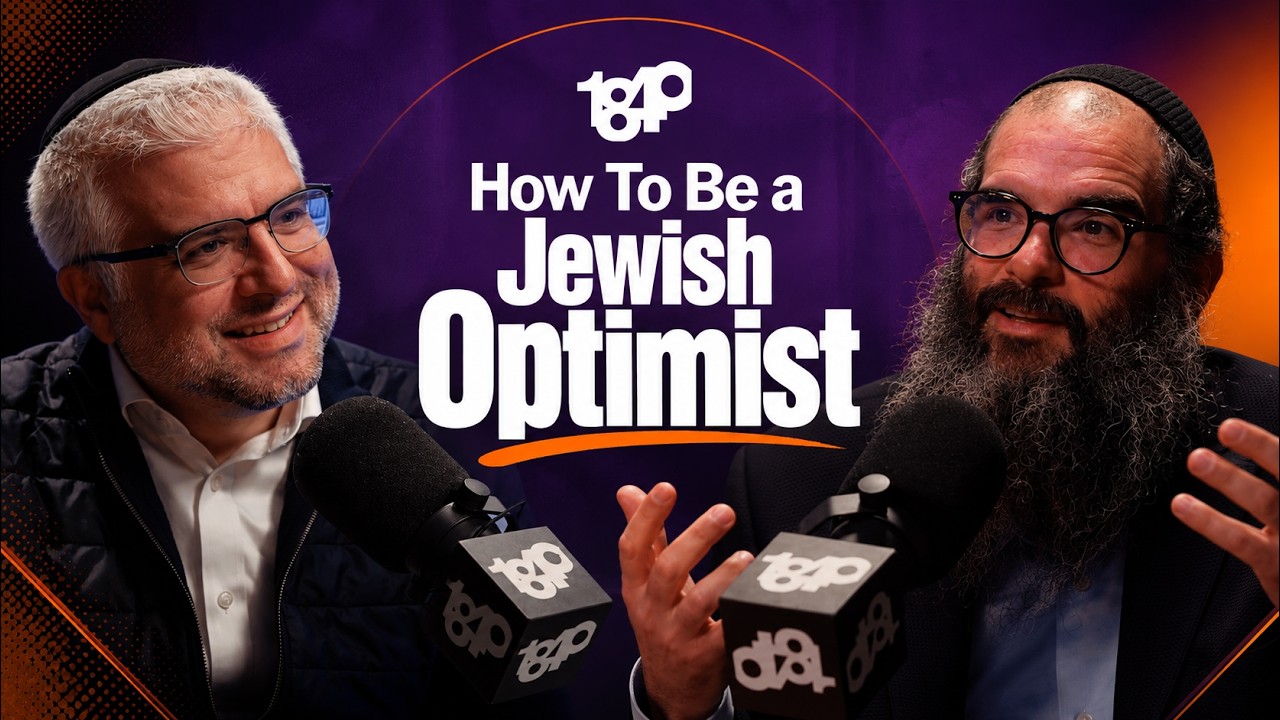
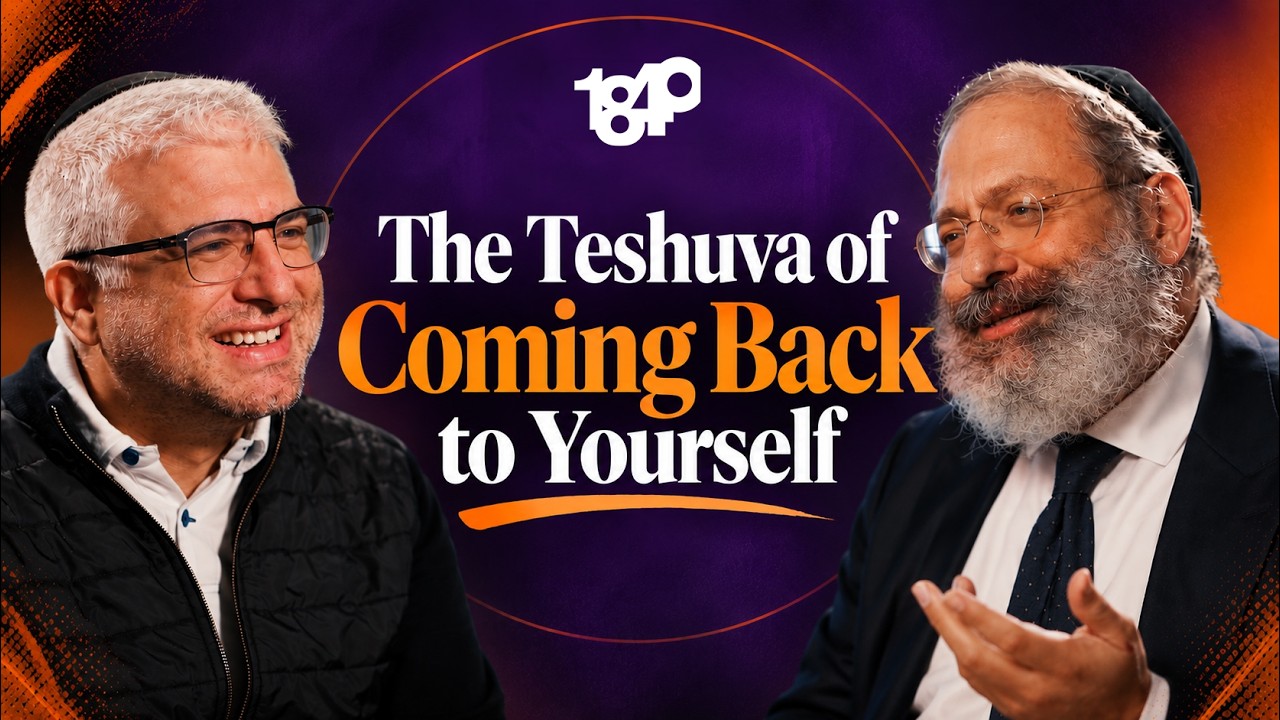
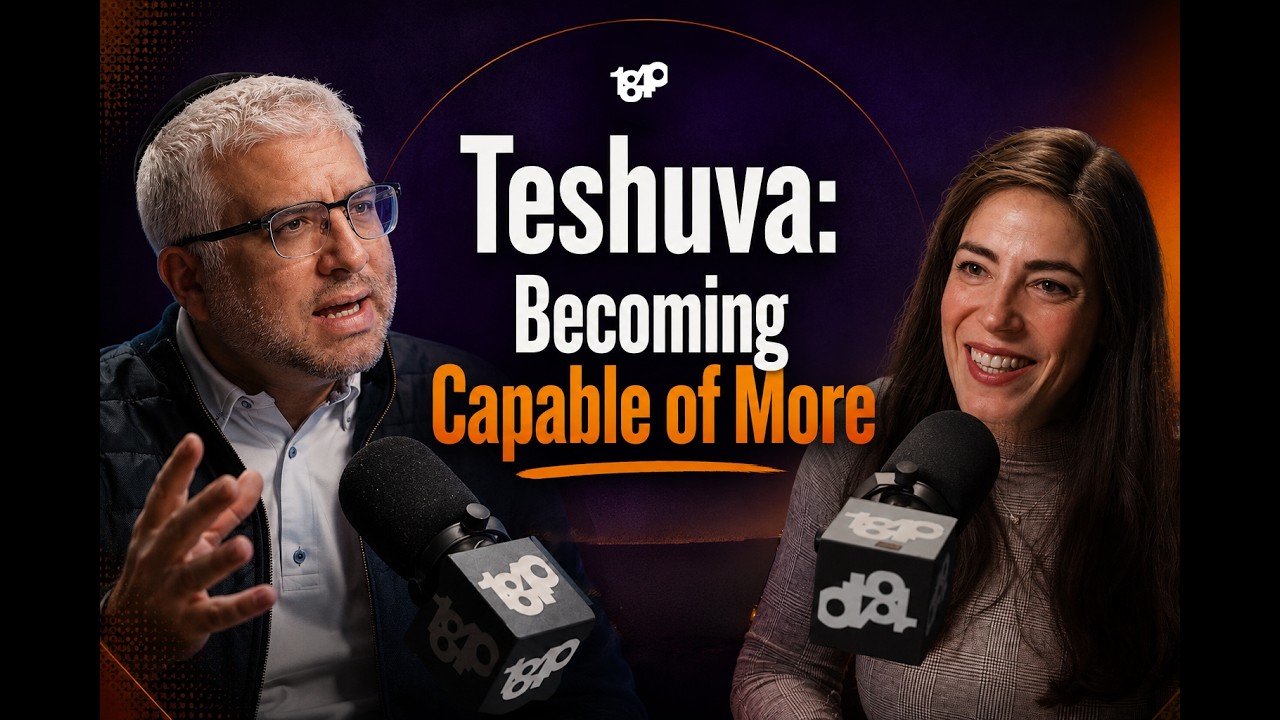
RABBI DR BENJI LEVY. Rabbi Shmuel Ozhekh, the rabbi of Ohr Somayach Cape Town, founder of Rejewvenate, and most recently the founder of the first Jewish meditation app of its kind. It’s remarkable and so special to be sitting with you, not just in South Africa but here in Jerusalem, Israel.
RABBI SHMUEL OZHEKH. Benji, it’s an honor of mine to be here, to experience the energy of Israel, and to engage with such amazing work that you’re engaging with.
LEVY. How amazing, we grew up together.
OZHEKH. Unbelievable –
LEVY. Twenty years ago.
OZHEKH. To come back and to be on the same journey that we started so many years ago, and then to have our paths cross so many times, and to be here together at this insanely poignant moment is unbelievable.
LEVY. I’m not sure I could ask you the first question I’m about to ask you twenty years ago when we were at Coogee Beach, or Maroubra Beach, or Bondi Beach, or playing with fireworks. But the question I want to ask you, as really one of the Jewish mystics of South Africa, is: What is Jewish mysticism?
OZHEKH. Gevalt [wow], to be called the Jewish mystic of South Africa is definitely an overstatement. What I can say in my own experience of mysticism is that Jewish mysticism is the spiritual technology that gives you access into yourself, into an understanding of the world around you, and having an appreciation of the deeper elements of one’s relationship with Hashem. It is to come to a true recognition, as far as that can go, that those aforementioned things are all the same, that there’s no difference between you, Hashem, and the world around you, that it’s all subsumed in a state of unity and oneness.
LEVY. So how were you introduced to this world of thought? Into this radical way of thinking?
OZHEKH. I had an introduction, I think in a similar space that both you and I were in together, where we had this outreach camp in Australia called Counterpoint. And I remember being a child [that was] frustrated, confused, and feeling a sense of inner emptiness. And I remember there being a class offered by one of the rabbis there about the deeper metaphysics of angels and their place in our lives and how that functions. And it sounded like an interesting topic. And I remember coming out of that class and I felt like a switch was on. It was switched on inside of me. I felt purpose. I felt that there was a deeper realm of existence from that class. And I felt that I now had the opportunity to explore. And that was my initial introduction into a space of mystical experience and Kabbala.
LEVY. Amazing. So one class at the right time, in the right way, flicked the switch that allowed you to flick the switch for so many other people. With all these people, do you think all Jews should be mystics?
OZHEKH. You know, the word mystic is a very, very scary word. It gives off the experience of something that’s aloof, something that’s disconnected, something that’s floating up in the sky. And I think the terminology “mystic,” at its essence, just means to be in a deep state of connection. And to say that there are some Jews that shouldn’t be in a state of connection, shouldn’t be in a state of deeper understanding of what’s transpiring inside of themselves, inside of the world around them and their relationship with Hashem, is a massive, massive shame. Because an individual and every human being, especially every Jew, has to have and is deserving to have a deeper understanding and a deeper connection to who they are and what’s around them. So I believe that everyone has the potential to delve deeper, and we need to start asking how to do that.
LEVY. So I want to ask you, you picked on a really important point, which is language. That there are certain labels that we use, like the word mystic means this, but really it means that. And I want to actually go back to some of the basics. God. Right? And I want to ask you about a few other terms. When I say the word God, not what does everyone else think of it; what do you think of?
OZHEKH. So the word God is a very dangerous word and a very misconstrued word. And I think, and it took me a while to come to this deduction, that when I think of God I think of a space of endlessness. The best definition that I experience of God is Ein Sof, is endlessness, is no end. And the deeper I experience that thought, I start to experience a sense of love. I think about endless love. But the more I come into a space of recognition, you stop thinking as well. And that space of stopping thinking is a space of deep, deep connection to God. And that’s the progression, that one [first] sees God as this entity that’s external to them, and that’s generally what the terminology is. But I think that when one sees the endlessness of God, they have a deeper way of being able to connect to that space.
LEVY. So if we’re carrying on sort of clarifying terms, the definition of God you’ve shared is a very personal connection to the Ein Sof, to this endlessness. What would you say is the purpose of the Jewish People?
OZHEKH. The purpose of the Jewish People from my understanding is to be a nexus of that endlessness into the world. That through their practice, through their rectification, through their personal growth, through their shifting of blockage within the self and within their relationship with one another, to be a light onto the nations in the sense that we share that love, we share that connection, we share that space of wisdom with the world, to which then the entire world is uplifted through us as a nation.
LEVY. Amazing. Let’s just carry on through these terms because I’m loving the way you’re couching your definitions. And of course, they could be [only] definitions, but they feel on the one hand personal, coming from a place of real depth of thought. And on the other hand, you’re packaging it in somewhat of a universal way that everyone can access. They may have a different this or that, but this is how you’re sort of projecting and sharing that. Let’s now look at prayer. You know, you’ve made a meditation app. Meditation and prayer have certain differences but also certain similarities, getting into the right mind frame. How does prayer work?
OZHEKH. It’s a very good question. And it’s a question that in my experience, with so many Jews, is one of the most difficult spaces to engage with. And from my personal experience from my engagement with tefilla, with prayer, I can share with you two ideas that I think transform an individual’s understanding.
The first is an idea from the Maharal, Rabbi Judah Loew ben Bezalel. And the Maharal tells us that the purpose of prayer is to punctuate the space of one’s day. That an individual, and Rabbi Nachman brings this, an individual can fall into an unconsciousness of self and a subsumption in their day-to-day activity and just enter into the sleep state, as Rabbi Nathan brings in Likutei Halachot. And the purpose of prayer is to come and say, stop. Just stop before you lose yourself. And on the most basic level, even if a person isn’t davening with kavana, with intention and with connection, just that process of saying, you know what I’m going to do when I wake up in the morning and I want to sleep and go get my coffee, which you can’t have before prayer, but I want to go and experience pleasure, whatever that is. Go and daven [pray]. Punctuate your day with a state of knowledge that there is something deeper to who you are. That goes for Mincha, that goes for Maariv. And those are spaces where an individual needs that reminder of who they are.
But on a deeper level, the Tomer Devora brings down that the purpose of prayer is a plug point. It’s a space for you to tap in. And I remember when I was leaving Israel, coming to Australia, the first – or the last tefilla, the last prayer that I had, I had to daven [pray] in the airport. I didn’t even have time to go to the synagogue there. And I remember I looked up and I saw where I was davening. And there was a plug station right there. And the understanding that prayer is the ability to tap in. What does it mean to tap in? It means that there are parts to us, five levels of who we are, our nefesh, ruach, neshama, chaya, yechida, our state of body, our state of emotion, our state of intellect, our state of consciousness, and our state of nothingness, the meta consciousness. And prayer is that ladder that allows you to elevate through those spaces of self to come out a connected human being.
LEVY. I love how you – just before you left Israel, after this time of transformation for yourself, you had this image after seeing a plug of the ladder. It’s exactly the same as Jacob. The sulam Yaakov [Jacob’s ladder]. He’s sitting there, he’s about to leave Israel and he has this vision of this ladder –
OZHEKH. Exactly.
LEVY. And that carried him to come back, and it carried you to come back, and it carries all of us. But the sockets are all over the world, and we can always plug in through this portal of prayer. Meaning, of course there’s a physical uniqueness of this place, but there’s a portable sense of holiness that we can tap into that you’re describing through prayer.
OZHEKH. Yes, 100 percent. And that’s really the way that we built the Eden app. It’s based on the sulam mutzav artza, verosho magiah lashamayim [a ladder was set up on the ground and it reached up to the sky]. That is, an individual needs to be deeply rooted in self and comfortable within self in order to take the next steps up, up the rung of the ladder to connect to Hashem. They’re all intertwined.
LEVY. So what about Torah study? You know, we’re hitting all the big ones here, but there was this mass revelation, and there was a reveal of this Torah. Like, what’s the goal of studying it?
OZHEKH. Wow, an amazing and poignant space of experience for any Jew, and it should be a space of experience for any Jew. And growing up in yeshiva, this is the focal point. Every person needs to learn Torah. Now what happens if you’re not an intellectual? What happens if you struggle to focus and to understand? I know when we grew up, both of us were quite naughty in school, lacking focus, but I think that the space of Torah is one of the most fundamental experiences. And the reason is because the greatest blockage to a person’s spirituality is their own mind. The kabbalists bring down that the rotating swords at the entrance to the Garden of Eden are actually one’s thoughts. And Hashem tells us, we read it endlessly, we read it actually in the third day of hayom yom [a daily prayer], that “machshavot yodea” [He knows thoughts]. Hashem knows that the thoughts of man are endless and are naught. But Hashem has given us His Torah to be able to quiet our mind. And when a person is able to utilize learning and study, what they’re essentially doing is removing the blockage of one’s ego in their mind that is creating that frazzled state of thought and confusion and allows it to be purified to then take that next step to tap into menuchat hanefesh, to tap into Hashem, to tap into a simplicity of life. And I truly believe that if a person isn’t diligently engaging with understanding and clarifying, as Rabbi Nachman brings down – many people think about Rabbi Nachman, they think of [him as] this doyen of consciousness. It’s brought down in Sichot HaRan that his engagement with Torah study, and particularly halacha [Jewish law], was the main focus of his life and day. And he said that to clarify and to engage with the clarification of doubt and confusion, which is essentially what a person is experiencing through the study of Torah, is that process of removing doubt from one’s mind, which is the source of so much pain and disconnection.
LEVY. So really the goal is to, among other things, find clarity, remove doubt, and tap into the system that you’re describing.
OZHEKH. Yeah, the clarity is accessed through the ability to humble oneself and to nullify oneself. And the mind is one of the greatest sources of ego and arrogance. And that clarity is definitely only accessed through the space of Torah.
LEVY. What about women and men? Does Kabbalistic literature see a difference between the two? Are they the same? You know, we talk about oneness on the other hand, on the other hand, there’s language: feminine, masculine. How does this come together?
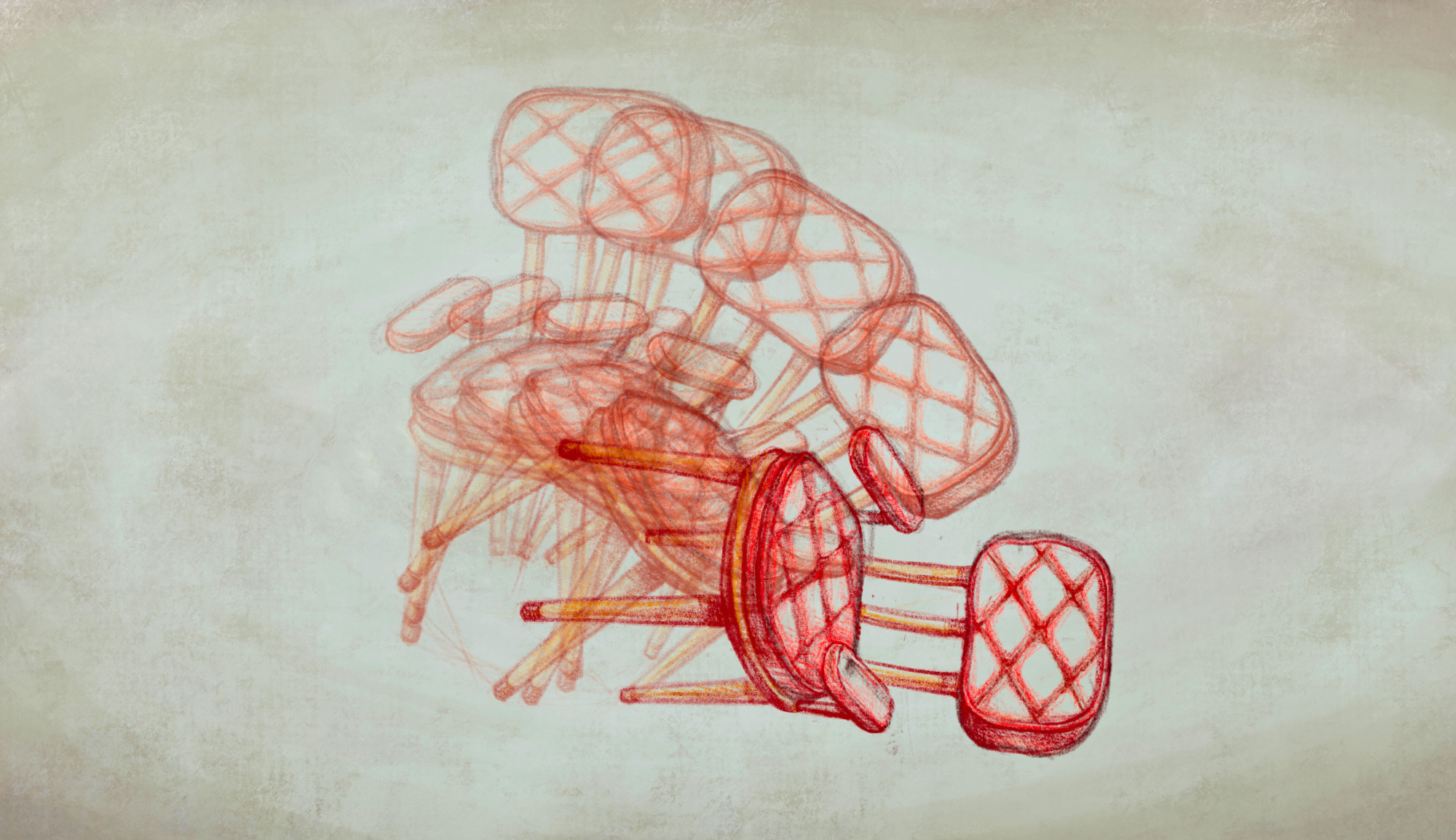
OZHEKH. An amazingly important idea. And the understanding needs to be had in the sense that we see so much differentiation. And in my work as a rabbi, one of the biggest issues that women have is the seeming inequality that they face in terms of their responsibility as a Jewess in comparison to a male. And it can’t be as further than the truth that if one looks into Kabbala, if one looks into Pnimiyut HaTorah [inner dimensions of Torah], if one looks into the explanations – the Ben Yehoyada brings this down. One comes to an understanding that the energy force of a woman is actualization. The energy force of a man is potential. Now, because of those particularizations of energy, we have different roles in their entirety. Man has to seek to take potential and ground it in the actual, while woman needs to seek to take the actual and open it to potential. And in that saying, we understand that there’s absolute equality and necessity. Nothing is greater than anything else. To say that the chair that we’re sitting on now, that one leg is more important than the other leg, that the seat is more important than the back rest, is to say that you can’t exist without [both]. And the understanding of masculine and feminine is a very, very vital component within Yiddishkeit [Judaism] from that understanding of potential and actual and their relationship to one another.
LEVY. And obviously a lot of that is metaphorical. Obviously a lot of that is different things that we need to learn from and apply in our lives. And a lot of it is actual as well. And sometimes, unfortunately, these labels can, as you said, especially for women, it can push them back. But, thank God, sociologically everyone has advanced. It’s about understanding the essence and tapping into that potential.
OZHEKH. 100 percent. And I should add that every single human being has masculine and feminine energy. We don’t have this black-and-white experience of self. We have a mixed space of self. And that intertwined relationship and respect for one another and the energy that each individual needs from the other is a vital recognition, yeah.
LEVY. So what is the biggest obstacle to living a more spiritual life?
OZHEKH. Many, many obstacles exist. It’s very hard to come to a deduction of what is the biggest obstacle. But I think one of the obstacles I can speak about is misperception. The misperception of the role of Torah, the misperception of what God is, the misperception of the space that we exist in. When one looks at the world around them we see separateness. When one experiences or looks at themselves, we misperceive what is our actualized self and what is our truest self. And misperception is one of the most dangerous spaces because we are walking around in the dark. We don’t understand. And more depth of understanding gives a person direction.
But I think another element of misperception is identification. And you know, we’re in this role together to try and encourage other Jewish people to feel connected to their Judaism, to feel connected to Torah. But one of the greatest spaces of destruction is that a person identifies as, and this is going to sound strange, identifies as a Jew. Why is that such a horrible thing? I mean, it sounds crazy for a rabbi to say that to identify as a Jew is – I’ll tell you why. Because what it means to be Jewish is not only your cultural space or your ancestry of where your parents came from and where your grandparents came from. What it means to be a Jew is in fact to let go of one’s external identity and come into connection with one’s deepest, expansive self. And I think that in today’s day and age with social media, with the externalization of who we are, identification has become so pronounced. And the more we relinquish or assuage that space of identification and come into a deeper sense of self, the more a person has access to spirituality.
LEVY. So why did God create the world? If we step back from these spiritual blockages, God put us in this world. He’s perfect. We’re imperfect. Why do this thing?
OZHEKH. I think you’ve answered the exact question by saying the perfect and the imperfect. And to stem from the perfect, to stem from our initial definition, at least my most connected definition for myself, which is Ein Sof, which is endlessness. If one was to take the analogy of a bottle or a vessel, and that vessel continues to overflow, continues to be an infinite space of overflowing, what transpires is that the overflow of infinity comes into a space and wants to share that energy of infinity. The greatest way that infinity can share itself is in a space of finitude. And Hashem’s tzimtzum, Hashem’s retraction of creating space allowed for our imperfection and allowed for us to have accessibility through the evolution of self into a space of consciousness, exactly what we just spoke about now, the transcendence of identity.
And Hashem has given us that opportunity. If it was just free for the taking, as the kabbalists bring down the nahama dechisufa, just the space of free giving, there’s no true and deep and joyful expression because it’s not yours. And Hashem allowed us, through creating the world, to evolve beyond the constricted self of self and enter into a deeper space of connection to the infinite. And that’s the greatest reward. And Hashem in His infinity wants us to experience pleasure and reward at its core, and I think that’s why Hashem created the world.
LEVY. So then where does free will fit in?
OZHEKH. Free will fits into that nexus. Where are you blocked? Where is your identity? The identification with externality, the identification with all of the aspects or pseudo experiences of infinite money, food, pleasure. All of those self identifications give a person that bout of pseudo-infinity. Free will is the ability to say: I know that there’s a deeper part of myself. I know that there’s an expression, and experience, and a connection that I have internally that is not found in these externalizations of pseudo-infinity.
LEVY. And what about Mashiach, the Messianic Era, where this is all meant to be heading? When I say Mashiach [the Messiah], what do you think of? What is this concept?
OZHEKH. It’s a massive question. As all of these questions are –
LEVY. Sorry about that.
OZHEKH. It’s okay. But the Kabbala brings down, the Zohar brings down, the Baal Shem Tov brings this down, that Mashiach is a state of consciousness much more than it is a human being, some amazing entity that comes into our lives to guide us, and give us direction, and redeem us from a state of pain and constriction. Mashiach [the Messiah] is a state of consciousness. It’s a time of consciousness. And when I think of Mashiach I think of a different frequency of experience of life that all of humanity is able to tap into.
LEVY. Is the State of Israel part of this process? Is this part of the redemption?
OZHEKH. The State of Israel is definitely a part of this process. To be connected to our land, to be connected to a space of deep kedusha [holiness], to be together in a space where we are able to grow, and learn, and experience Torah in a hub of life called Israel, called the Jewish People, is one of the most powerful experiences. You know, I haven’t been back to Israel for five or six years. And to come back here is one of the most powerful experiences for me to experience. And the State of Israel has facilitated and continues to facilitate that space of spiritual evolution and experience.
But one of the dangers of the state is coming back to this space of identification. As much as an individual has to create a connection, and gratitude, and a subsumption of experience through the state and together with the state to build the state. The danger is being lost in identifying with another pseudo experience of what it means to be Jewish. And on a lower level – I’m not saying this isn’t an experience of being Jewish – but on a lower level to cap oneself to say that my experience of Judaism is nationalistic and that’s it, [this] is capping oneself from the vast experience of self, of the universe and every single thing around you. So I think that the State of Israel, being one of the greatest, greatest miracles of our time, has to be engaged with maturity and deep caution [in order] to not be a quick fix for what we’re looking for as Jews.
LEVY. I like that because I was just thinking the word state is almost like a stage in the process. You have a state of mind or you have a state of being. It’s a specific thing. So the state can’t be confined to the state. This is a part of the Jewish experience –
OZHEKH. 100 percent.
LEVY. And if all you focus on is Shabbat, then you’re missing the [bigger] picture. If all you focus on is the State of Israel, you’re missing the [bigger] picture. If all you focus on is the Torah, you’re missing the [bigger] picture. There are so many different parts. You need all of them, and they’re all there to animate one another and to be part of this much broader experience.
So if we’re going broad in that sense, you live in Cape Town, South Africa. You come from Sydney, Australia. Hands down, as far as I know, these are two of the most beautiful cities in the entire world. You see incredible beaches, amazing culture, and a beautiful place. And then you see people struggling. What is the greatest challenge that we face together as humanity?
OZHEKH. The greatest challenge. I think today’s humanity and the flood of potential experiences that a person has in front of them to firstly create a state of entertainment or a pseudo experience, as we said previously, of expansivity. The ease of access and the destructive state of access is one of the greatest experiences that I think we are going through as a civilization. That when a person is feeling that existential longing for something deeper they pick up their phone immediately and drug themselves, so to speak, into a forgetfulness of what truly is screaming within.
LEVY. So what’s the antidote? How do you deal with that?
OZHEKH. I think the antidote is twofold. I think the antidote is understanding the space of what the halacha [Jewish law] and the Torah teaches us, because the space of halacha and the Torah is there to create healthy boundaries to these pseudo experiences of self. And to understand one’s relationship with these elements in a healthy way can only be found through an unbiased space of instruction from Hashem. But on a deeper level to create systems, to create avenues, to create experiences, to start to reawaken who we really are on a deeper level. And I think with those two elements, we can start to counter the pain of society and the qualms of society that every human being, I think, is experiencing.
LEVY. So has modernity changed Jewish mysticism in any way?
OZHEKH. I don’t think you can change Jewish mysticism. Jewish mysticism at its core, which is so powerful and what is so poignant about it, is something that is eternal, infinite. What I think modernity has done is created an avenue of recognition that there is more. And that avenue of recognition has come through exposure to and experience [with] other modalities that exist in this world. That now [we] have movements that are emphasizing the importance of mindfulness, emphasizing the importance of balance, emphasizing the importance of health and connection. All of these movements are creating the language and the awareness that, you know what, there is something deeper to who I am as a human being. So I think as dangerous as modernity has been, there’s been a revival in many, many ways.
To add to the revival, though, is the pain of modernity. And I think that as a society and as a civilization we are experiencing deep pain, existential pain, which has come because of modernity. But it’s from that pain that the birth of consciousness is able to be born.
LEVY. You mentioned mindfulness and different states that have come since modernity. When you and I were becoming more religious just over two decades ago and throughout the time in between, you’ve been very open, or you were open then, to other schools of thought, to other ideas. In fact, you looked at things like Buddhism originally. You studied different mystical teachings, you looked at things like yoga and different practices in this way. And at the same time, you’ve chosen Jewish mysticism. Is there something unique to Jewish mysticism as opposed to other schools of thought and other mysticisms in this space? And if so, what is it?
OZHEKH. Thank you. Another important question. And I think to answer your question, when we look at other ideologies, when we look at other systems, we can be very quick to bash them down because they don’t fit into ours immediately. And I think that [we have] an understanding that every single human being is looking for the same thing – they’re looking for oneness, they’re looking for unity, they’re looking for menuchat hanefesh, they’re looking for tranquility – and every system is trying to give us a way there.
To say that some systems are better than others, I think is 100 percent true. I think that there are some systems that develop a deeper awareness of how to get to a space of clarity and work through the self in a deeper way. And where Judaism falls into the picture is that it is one of the most ancient traditions, one of the traditions that comes from the most unbiased spaces because it is directly given to us by God, without any intermediaries or externalization of prophecies that are external to the immediacy of God, which has been witnessed by multitudes. These prophets, Moshe Rabbeinu [Moses], [the fact] that the Jewish People were able to receive the Torah themselves, there’s a direct connectivity that Judaism provides that allows a space of purity. And I believe that all of the other modalities that exist in this world have husks, have elements of truth, as it says chochma bagoyim taamin [there is wisdom among the nations, believe it]. We have to understand that there is wisdom all around us. But to have wisdom that is not ensconced, that is not protected by the system of Torah, is to say that you have wisdom and you allow whatever you want to do externally to run rife.
The Torah tells us “shamor vezachor.” “Zachor,” the ability to remember, is this space of wisdom. But to not have it within a system that is “shamor,” which is guarded, to not have the objective truths of how to encounter your ego so that it doesn’t take over you, is to have the greatest liquid, the greatest drink without a vessel to hold it. And I think that’s why Judaism and the mystical teachings of Judaism are so vital in terms of our direction to this space of connection.
LEVY. So when you started to be more connected and [engaged in] learning Jewish mysticism, you weren’t fully religious. Your main clientele, the people you work with, are not fully religious in the traditionally observant sense. Do you need to be religious to study Jewish mysticism?
OZHEKH. I think it connects to the previous answer in that I asked one of my rabbis, Rabbi Berkovits, if the teachings of the Baal Shem Tov and the Vilna Gaon say this – the Vilna Gaon says this as well – that the purpose of life, the purpose of the Torah is to work on your attributes. It’s to remove the blockages of self. If that’s the purpose, why don’t we just come out into the world as rabbis, come out into the world as spiritual educators, and just say, guys, all you need is to become a more patient person. All you need is to become a more forgiving person. Why don’t we just work on our attributes? And he said to me, you can. That’s part of Torah. That is 100 percent part of Torah. But again, if we have the greatest revelation of truth, which is that deeper space of connectivity, the greatest – I know you like whiskey, I like tequila. But let’s say you have the greatest drink that will allow you to have the most spiritual experiences and elevate through a space of self to come to that connectivity. Again, if it’s not within the fabric and the framework of a vessel, it flows away.
And the structure, we don’t need to utilize the terminology religiosity. Just to understand that we need structure because we can’t trust our own egos. And the system of halacha, the system of dedication to functioning through the prism and the system of Torah, is there to create a healthy ecosystem for deeper consciousness to hold that spirit into place.
LEVY. So you’re saying it’s definitely ideal to be within this framework, I understand that. But can someone study Jewish mysticism if they’re not religious?
OZHEKH. 100 percent.
LEVY. We can all access it?
OZHEKH. Everyone can access this.
LEVY. And should?
OZHEKH. And should. Everyone should be engaging and in fact, in terms of most of my teachings with people who are irreligious, the access point for them is mysticism. First we start off with that space of understanding, of connection, and then that gives context to why we experience any religious environment. And I think that’s 100 percent accessible to anyone.
LEVY. And can it be dangerous? Can Jewish mysticism be a dangerous practice or a dangerous thing to study?
OZHEKH. Definitely. You know, I had a dear friend with whom I used to frequent one of the great mystics of our generation, Rabbi Tzvi Meir Zilberberg. And I would come to his tisch [ceremonial gathering] together with this individual and we were deeply, deeply connected. And we would go on Motzei Shabbat, after Shabbat [ended], together in this dark, gorgeous environment –
LEVY. You took me once.
OZHEKH. I took you once. And after many years my friend was in yeshiva studying, he was constantly there, together with his study of Gemara, and he’s coming to these experiences. And then I went back home after being in yeshiva, and I found out that my friend had a mental breakdown and had dropped everything. And I was so triggered, so troubled. It was my roommate as well, we had a very close connection. I called him. I said, what’s going on? Like, how could you have just dropped everything? We were so connected. And what he said to me was that he was using the experience of Judaism just like he used to use the experience of going to a rave. All it was was a distraction from self. And if a person enters into mysticism to distract themselves from self, that’s extremely dangerous.
LEVY. Amazing. So I want to ask you to bring that down to self, to bring it down to relationships. You’re a great husband, a great father, a great rabbi, a great son –
OZHEKH. I’m not sure how you know all of these things, but –
LEVY. I happen to have seen you in these environments for a number of years. And my question is, how has this practically come down into your own life? Can you give me a real relationship, a real example with one child, or with one friend, or with one person that Jewish mysticism has changed the way you interact or changed your relationship?
OZHEKH. Many people ask me when I teach these concepts to them, so how do you experience your life? Has this been the antidote for everything? Are you living completely conscious and connected? Has everything shifted and changed? And you know, to quote the app, ten percent happier. My life has become ten percent happier. That incrementally, as I experience life, the spaces of anxiety, the spaces of self-esteem, the spaces of fear, of doubt, of depression, of loneliness, the experience of Torah and the experience and fabric of the deeper teachings of Torah has given me the perception that I need to continue to live life ten percent happier. And that means that [in defiance of] all of those energies that draw you down into the prisoned self – your sense of self starts to unify, and you start to experience life in a calmer, more tranquil space and state. And from that space you become more forgiving, you become more connected, you become more in tune, you become able to see a holistic picture because we’re all part of something together and we’re not separated in ourselves. And when I have that space of consideration and perception, gevalt [wow], it’s the most life-changing experience.
LEVY. Amazing. So you’ve talked about the big questions. We started off and wanted to clarify the terms that are misnomers and really expressed it all the way down into your own life, your own relationships. It all comes from this teaching. Can you share one of the teachings? I know they’re endless. I know you’ve given over tens of thousands of hours, and you write beautifully, and you’ve created apps. And our listeners aren’t going to reserve you to this one teaching. But just share one. Share some of the Torah that you connect to from a mystical perspective.
OZHEKH. I’ll share with you a teaching that I think is so paradigmatic for what we’ve been speaking about and it’s a teaching from Rabbi Eliyahu Dessler, the Michtav Me’Eliyahu. And he says, and I’ll just translate it straight into English. He says that if a person wants to find their inner world, they need to have a prism of three things. The three things [begin with] behitbadeduto, that a person needs to be able to entertain an inner experience of life that is not constantly reliant on everything external to them, but they’re able to sit internally and discover a deeper sense and give themselves time to mature into that space. The second thing he says is to strive to give rather than to take. One of the hardest things to do in life, be it as one engages within family, society, people around them, is to relinquish a constant state of taking. When a person experiences these moments and experiences of giving, it creates space within themselves. And that allows one to start to understand that there’s a depth. And the final element is that a person should yearn and strive to be, rather than to acquire and to take, which is similar to the second one, but it’s different. In the state of recognition that so many human beings live their life [thinking] of what is next? What is tangible? What can I achieve? What can I take? What can I acquire and amass into my sense of self? But there’s a revelation of self. And that revelation is a state of being. That when we can tap into a simple state of being rather than doing, an individual is able to discover who they truly are.
LEVY. Well, Rabbi Shmuel Ozhekh, to watch you over two decades discover who you truly are has been an absolute delight. Our friendship has been amazing, and I just give you a blessing that you’re able to plumb each of those three elements even deeper and deeper, and through that process that others should be able to do that in their own life, because to think about what you’ve achieved in your short years in such a profound way is inspiring, and I can’t wait to see the decades ahead of growth, of blessing, and of all you continue to give.
OZHEKH. Amen. Thank you, Rabbi Benji.
LEVY. It’s been a pleasure.Thank you.